Why has India’s largest carrier cancelled hundreds of flights and sparked chaos across airports?
Aviation regulator is forced to scale back new crew welfare rules after a cascading collapse in IndiGo’s operations triggers India’s worst aviation meltdowns in years
Indian airports are facing their worst operational meltdown in years as the country’s largest carrier, IndiGo, continues to cancel hundreds of flights, throwing travel plans for thousands into disarray.
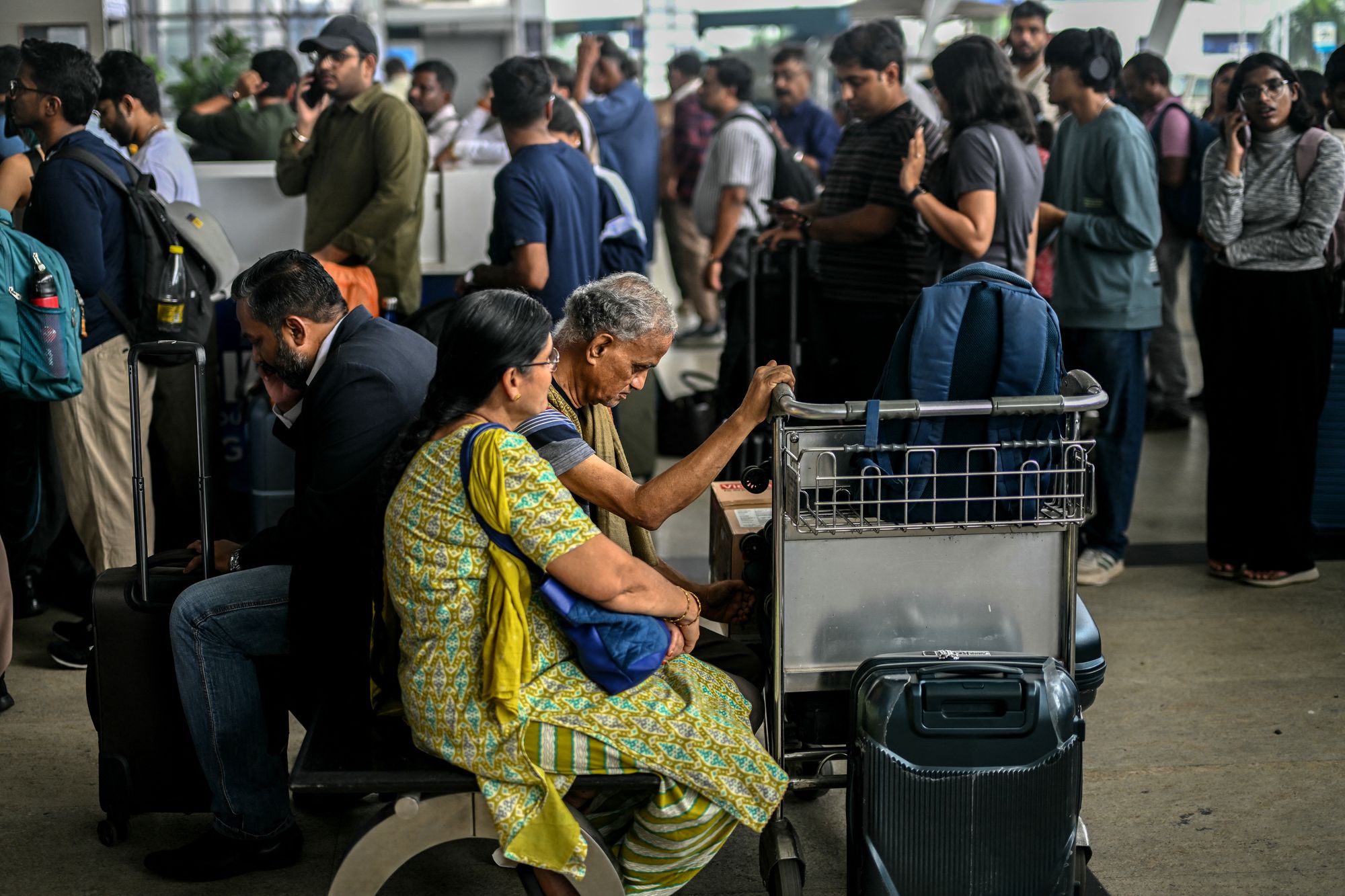
A sweeping spree of cancellations by IndiGo, which dominates the domestic market and normally operates around 2,200 flights per day, has sparked dramatic scenes at major airports where passengers have been stranded for days.
Frustrated passengers demanded answers from, and some even clashed with, the airline's ground staff as the cancellations continued for the fourth straight day on Friday.
Many took to social media to demand accountability from the airline as well as the national aviation regulator while others expressed sorrow over cancelled wedding plans, important meetings and family commitments.
The abrupt cancellations hit flights across all major metros, such as Delhi, Mumbai, Bengaluru, and Hyderabad. On Friday alone, the airline cancelled about 500 flights.
The scale of disruption prompted the regulator, Directorate General of Civil Aviation, to demand a report from IndiGo.
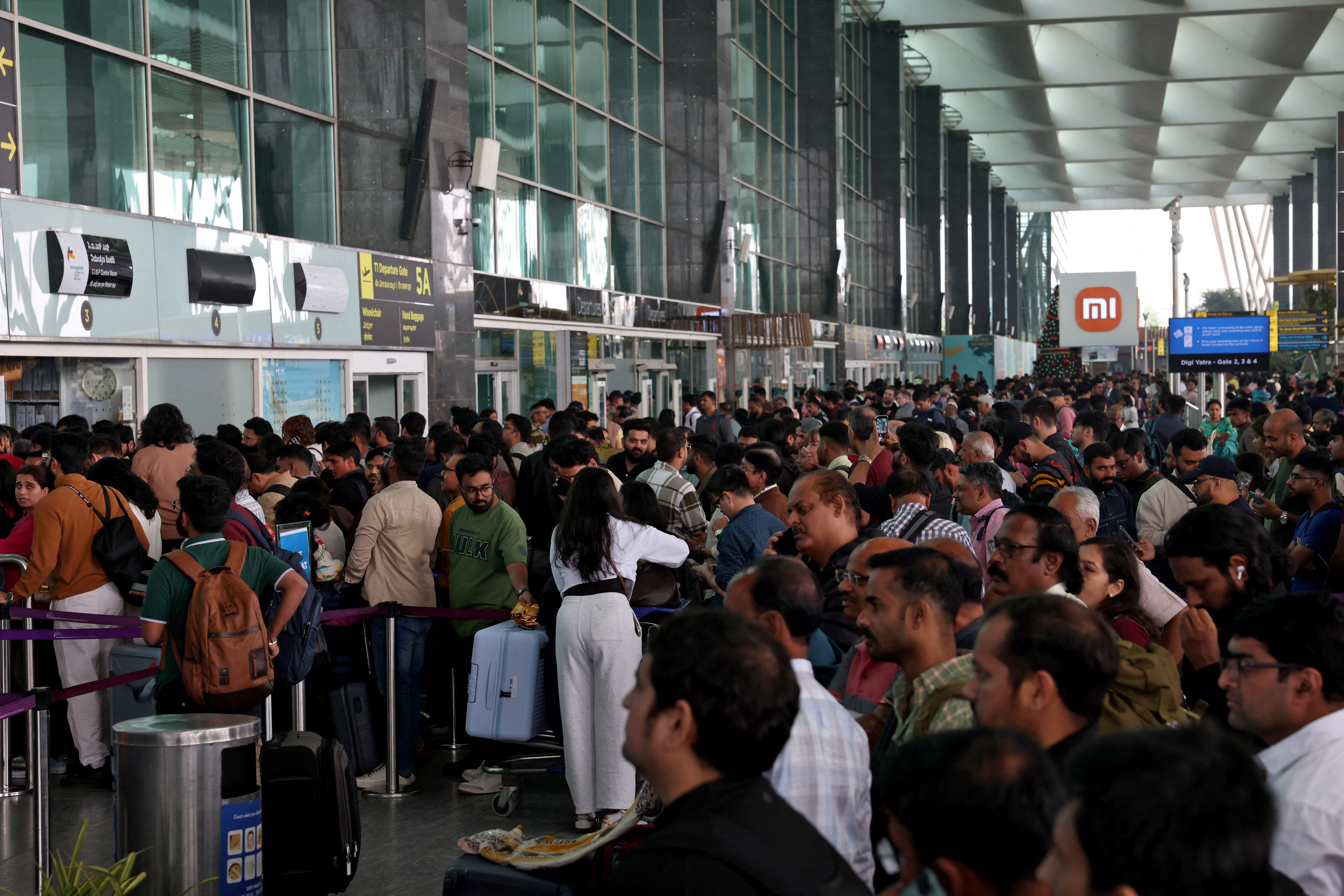
IndiGo apologised for the disruption and blamed it on “misjudgement and planning gaps” after the regulator implemented new crew rostering rules.
A passenger advisory from the Delhi airport on Friday said that all domestic IndiGo flights had been cancelled until midnight.
None of the country’s other major airlines, including Air India, have faced such issues due to the introduction of the new rules.
What’s caused the chaos?
At the heart of the turmoil is a regulatory overhaul: stricter rostering rules known as Flight Duty Time Limitations imposed by the Directorate General of Civil Aviation to enable better working conditions for pilots and airline crews.
The new rules were implemented in two phases, with the first rolled out in July and the latest tightening coming into force on 1 November.
The rules drastically cut the number of hours pilots and crew can fly, mandate longer rest periods, limit night-time landings, and redefine night duty periods.
The standards increase the mandatory rest for pilots by 12 hours a week to 48 hours, and state that pilots can make no more than two night-time landings in a week, down from six earlier.

The definition of “night duty” was expanded to mean the hours from midnight to 6am as against midnight to 5am previously.
The change aligns with the “Window of Circadian Low” when alertness in humans tends to dip.
The regulations also mandate that rest periods must be granted at a pilot’s home base or temporary home base, and that there must never be more than 168 hours between the end of one weekly rest period and the start of the next.
Airlines are now also required to submit quarterly fatigue reports on pilots, under a confidentiality policy. The long-term vision of the regulator is towards a full-fledged fatigue risk-management system.
The core aim of the revised regulations is to combat pilot fatigue, a major risk factor in aviation safety.
IndiGo has said the introduction of the new rules, along with adverse weather conditions, heightened congestion and technical glitches, have exacerbated its problems.
India’s civil Aviation ministry said in a statement that the disruptions arose primarily through misjudgement and planning gaps in IndiGo’s implementation of the second phase of the new rules. The airline had acknowledged the effect of the new rules on crew strength exceeded their expectations, it added.
Why is IndiGo hit the hardest?
While the rules were implemented for all airlines, IndiGo was the hardest hit. Aviation experts said it was likely because of its sheer size as well as negligence.
Airlines, they noted, were given a preparation time of nearly 18 months before the full implementation of the revised rules, which were first announced in January 2024.
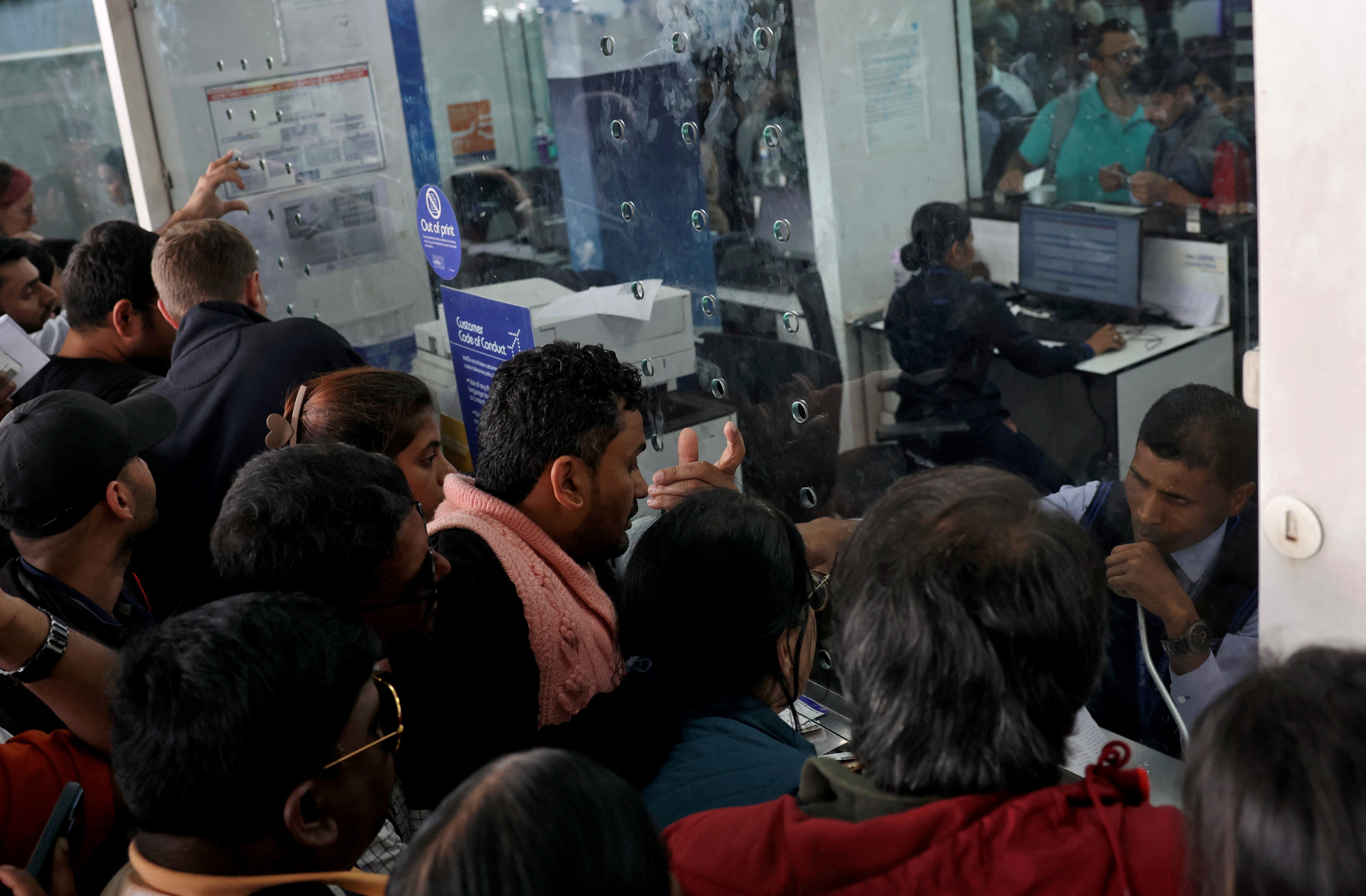
Given IndiGo’s vast network of daily flights, even a modest shortfall in crew availability quickly amplified into hundreds of cancellations.
The carrier operates over 2,200 domestic and international flights daily, twice as many as Air India, according to NDTV.
The Federation of Indian Pilots noted that IndiGo was not able to make timely roster adjustments in line with the new rules and plan its schedule properly. It also blamed a “pilot pay freeze” and hiring freeze at the airline for the crisis.
“Despite the two-year preparatory window before full FDTL implementation, the airline inexplicably adopted a hiring freeze, entered non-poaching arrangements, maintained a pilot pay freeze through cartel-like behaviour, and demonstrated other short-sighted planning practices," the association was quoted as saying by the news agency PTI.
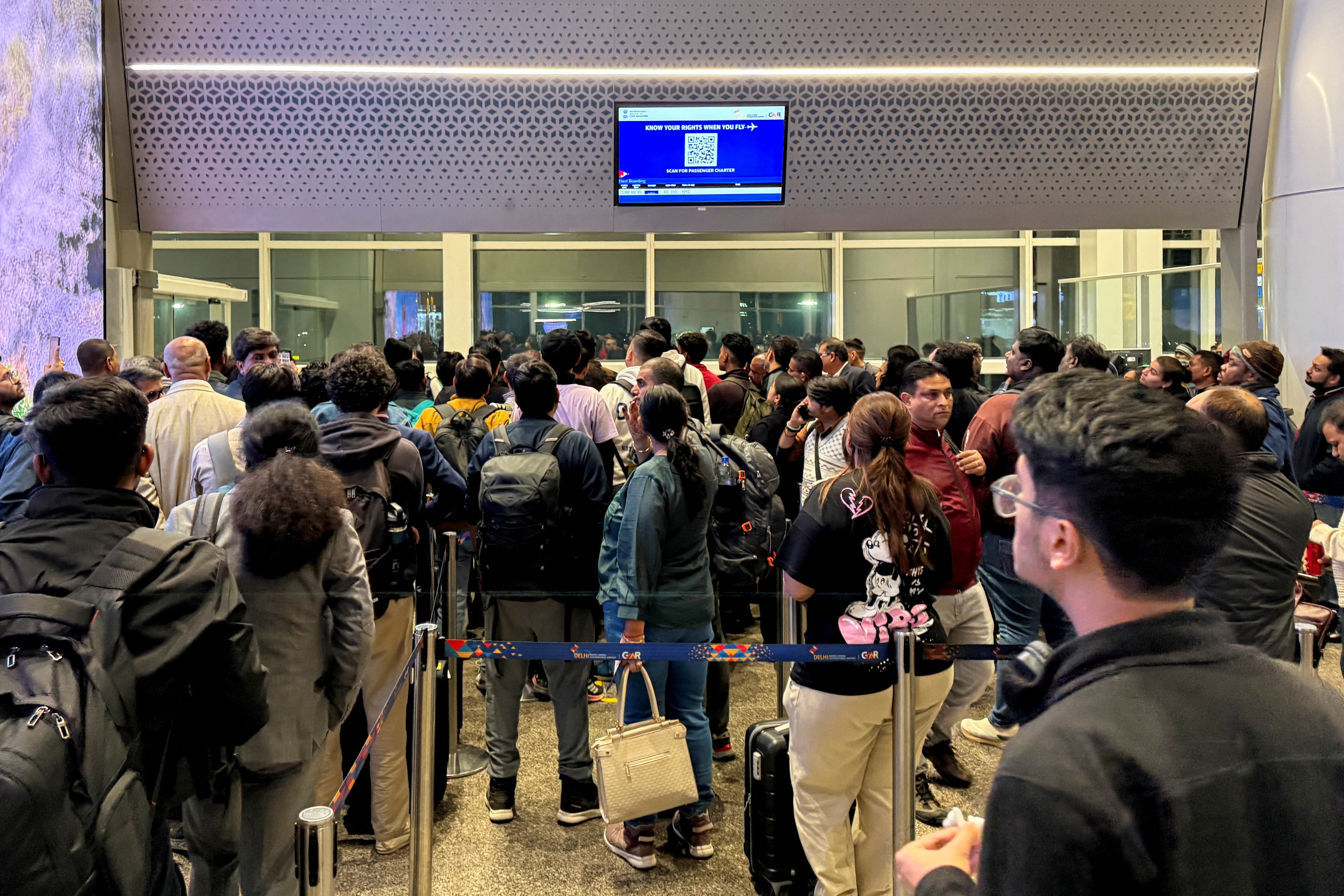
The Airline Pilots Association of India said the flight disruptions highlighted a lack of proactive resource planning by the dominant carriers.
Captain Amit Singh, an aviation safety expert, told the Times of India paper the crisis was the result of “wilful negligence” as winter schedules were planned months ahead.
“IndiGo ought to have resolved its crew-shortage issues before seeking approval, rather than putting the travelling public through this,” Mr Singh added. “It’s wilful negligence."
Some experts even suggested there could be an attempt by the dominant carriers to pressure the regulator into softening the new standards.
How is IndiGo resolving the issue?
In the wake of the widespread disruptions, IndiGo sought more time from the aviation regulator to implement the provision of the new rules limiting pilot duty hours at night.
The airline said its operations would be fully restored by 10 February as it warned of more cancellations in the coming days.
On Friday, the regulator agreed to withdraw one part of the rules with immediate effect. This specific rule said pilots could not substitute their weekly rest for leave. “In view of the ongoing operational disruptions and representatives from various airlines regarding need to ensure continuity and stability of operations, it has been considered necessary to review the said provision,” the regulator said.
The regulator also exempted night-time flights from the rules until February 10.
This marks the second revision to the rules in under 24 hours. The regulator had previously raised the limit on consecutive flying hours for pilots from 12 to 14.
As hashtags like #IndiGoCrisis, #FlightCancellations, and #FDTL began trending, social media users, pilots, passengers, and politicians clashed over causes, accountability, and systemic fixes.
The IndiGo crisis also sparked widespread concern on social media that airlines were compromising passenger safety by potentially pressuring pilots to fly while fatigued.
"Down with IndiGo! Down with IndiGo!" a group of affected passengers shouted in protest at the Bengaluru airport, a video post on X showed.
Comedian Abijit Ganguly argued that it wasn’t a sudden disruption but an “intentional” step.
“This was not sudden disruption, this was almost a planned strike to strongarm the government into giving it what it wants,” he wrote on X, referring to the airline.
“What people went through doesn't matter to them, it is just collateral damage. And the fact that government let this happen is on them. The fact that we essentially have monopolistic/duopolistic situations in so many major sectors is on this government.”
A newlywed couple from Bengaluru said that they had to attend their own wedding reception virtually after back-to-back IndiGo flights from Bhubaneswar to Hubballi were cancelled on 4 and 5 December.
With over 400 guests and the entire extended family already gathered at the venue in Hubballi, the bride’s parents refused to postpone the event. Instead, they set up a large LED screen in the banquet hall and live-streamed the couple via Zoom from a relative’s house in Bhubaneswar where they remained stranded.
Join our commenting forum
Join thought-provoking conversations, follow other Independent readers and see their replies
Comments