Doctors reveal the hourly activity to stop you feeling sluggish on flights
Many factors can contribute to this lethargic feeling while flying
A long-haul flight often presents the ideal opportunity to tackle a backlog of emails or finally immerse oneself in a novel.
However, for many, this initial surge of productivity soon gives way to an unwelcome sense of sluggishness and bloating.
To understand the mystery behind this common mid-flight slump, we consulted experts who have pinpointed the key reasons why air travel can leave us feeling so drained and uncomfortable.
They also shared their essential advice on how to mitigate these effects.
Disrupts your normal routine
“When we are out of our usual routines on a flight, it disrupts what our bodies are used to,” says Dr Asimah Hanif, NHS GP and medical expert working with travel insurance provider Staysure.
“For example, you might not be used to eating so early in morning when they serve breakfast on a plane, and you might be served something that you don’t usually eat like an omelette.
“So, the impact of both of those elements combined – eating things that you’re not used to and eating after the time frame that you usually would eat – can disrupt digestion and contribute to sluggishness.”
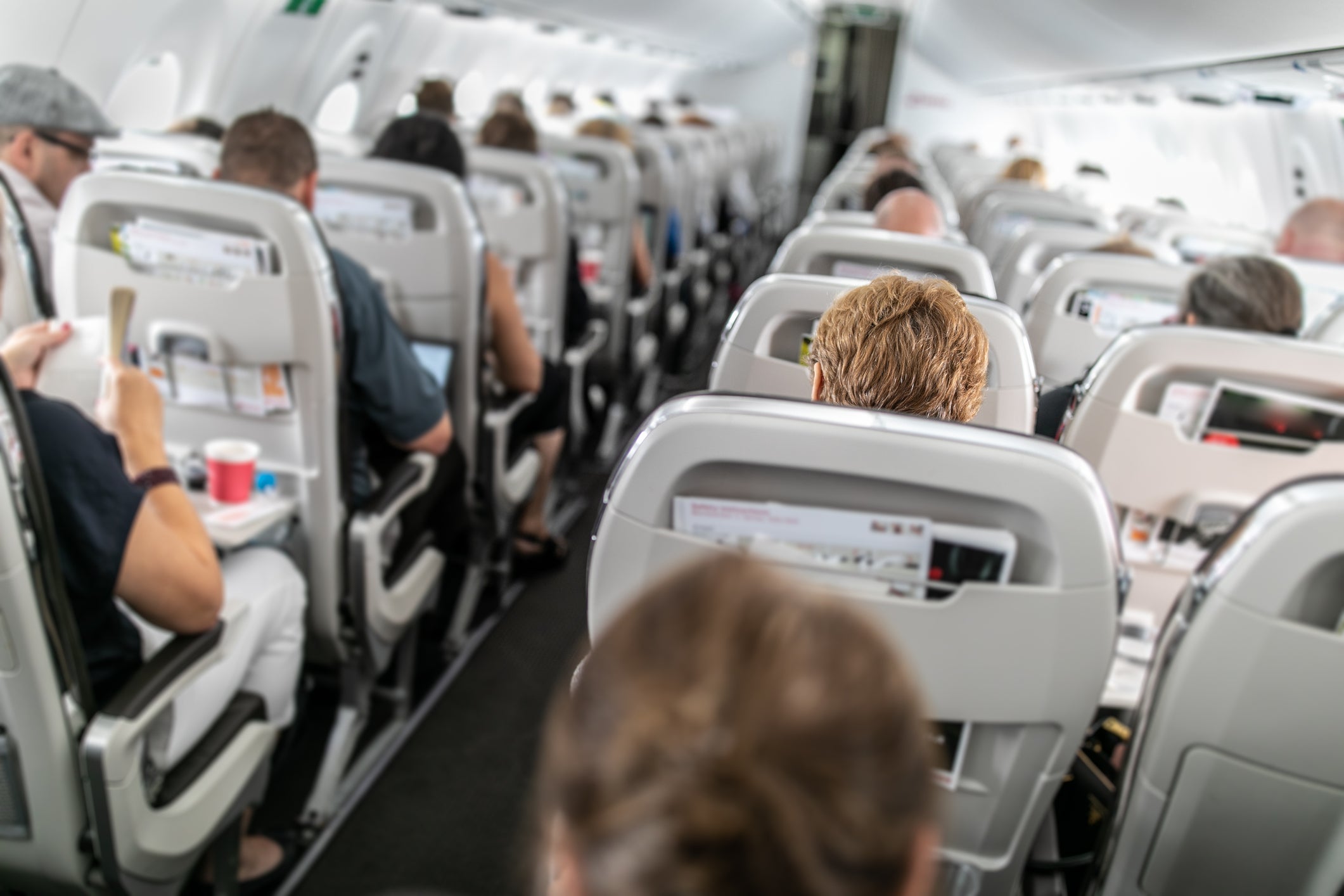
Dr Mark Austin, specialist in gastroenterology at Nuffield Health in Haywards Heath agrees and adds: “If you’re flying at funny times of the day, that can have an impact on your physiological state, and can release stress hormones and make you feel less hungry, bloated and uncomfortable.”
Sleep deprivation
“Many of us struggle to get good quality sleep on a plane, and sleep deprivation has a huge impact on your digestion and how you feel,” says Austin.
Environment
“When you’re flying at altitude, the air cabin pressure will change and you’ll also get lower oxygen levels, which in turn could affect your digestion and your energy levels,” says Hanif.
“In addition, the cabin air is conditioned, but it’s also quite dry, so people will often notice that their skin becomes dry and might feel dehydrated, which can also contribute to fatigue.”
Alcohol
“We have to be careful about drinking while flying at altitude, as the effects of alcohol can be heightened and have a very negative impact on you,” says Austin.
“We often see people on the news who suddenly become uncontrollable, irrational or difficult to manage when they have been drinking on a plane.
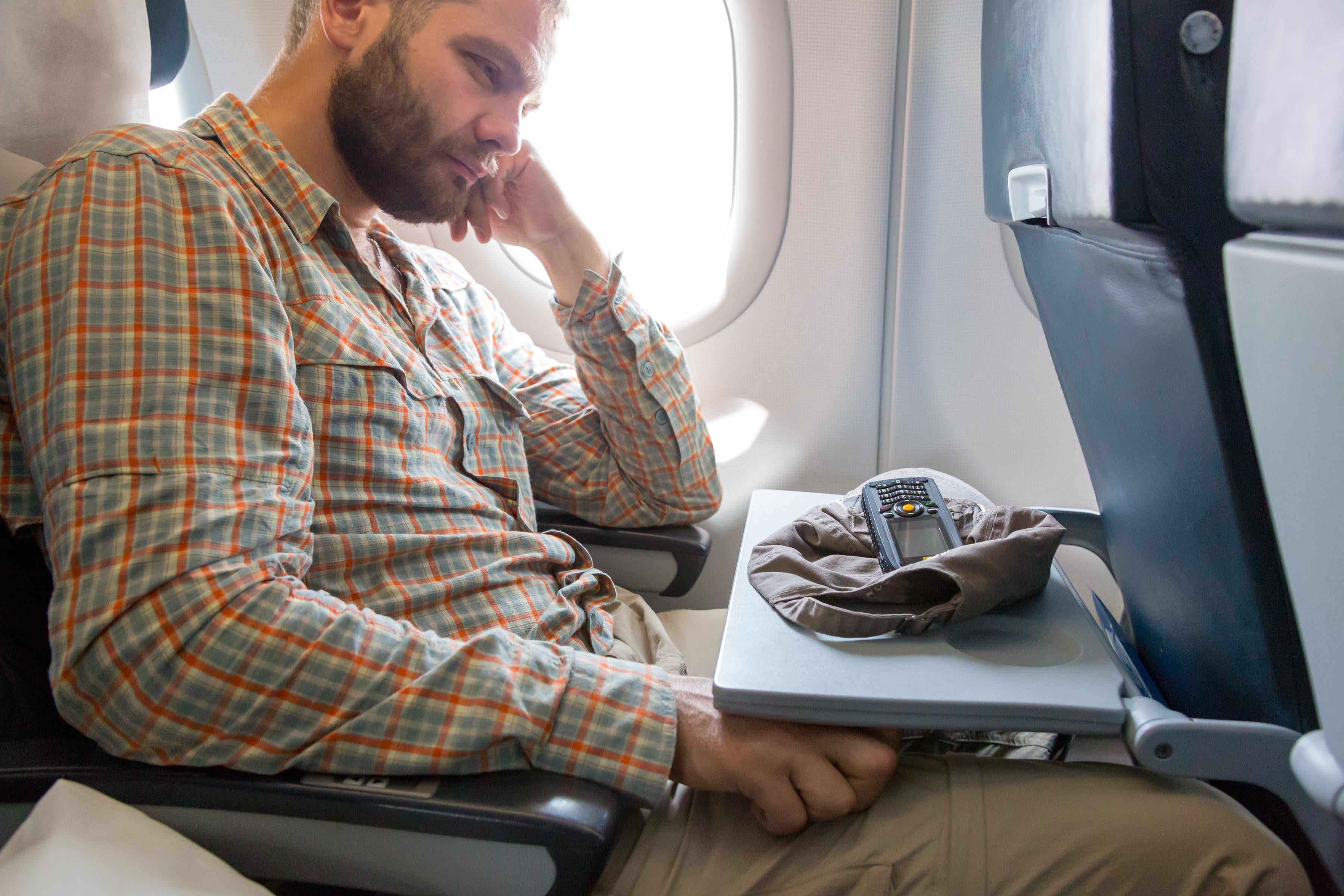
“Alcohol causes dehydration, sleep disturbances and can also have a significant impact on the muscles at the lower end of the gullet, so it can increase your risk of things like reflux.
“Plus, it’s a calorie load and that large volume of sugar can cause changes in your blood sugar levels, which can influence how your body is reacting to these situations.”
Coffee
“When you’re travelling over time zones, your body can become incredibly confused about what time of day or night it is, and if you taking caffeine, which is a stimulant, that can become very difficult and can actually prolong the impact of jet lag,” says Austin.
Airline food
“Airline meals often contain a high level of salt and I’ve been told that this is because your taste is altered at altitude, so the airlines often compensate for that by adding in more salt to make it taste nice,” says Hanif.
“However, as a result, that can cause water retention and processing issues.”
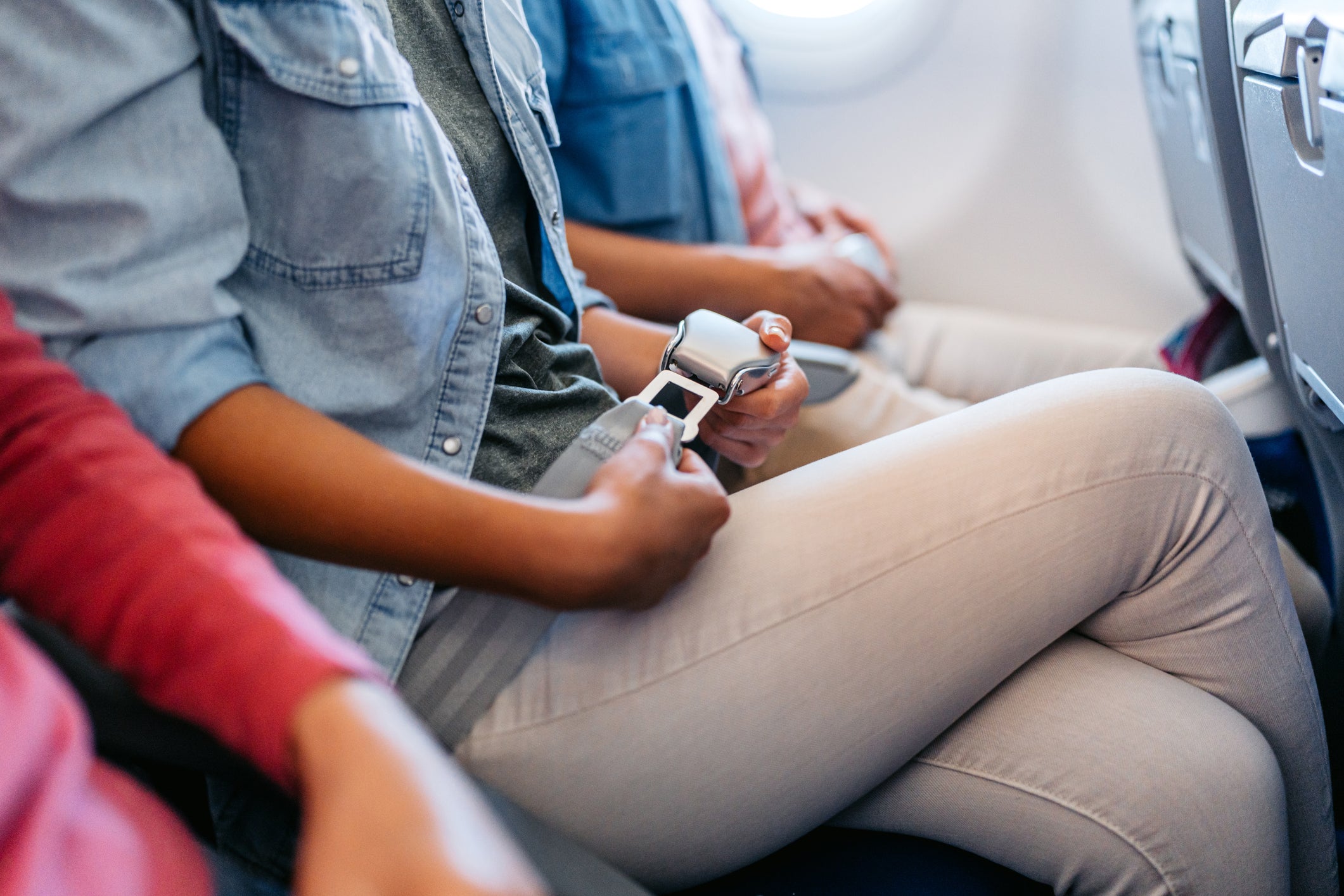
Airline food is also often high in carbohydrates.
“The food is usually ultra-processed and often involves things like pasta, rice and bread,” says Austin.
“They often don’t attain much fibre, but do have quite a lot of fat for taste and satiety. These types of foods fill you up and make feel you sleepy.”
Sedentary
“Sitting down for long periods reduces your general circulation, slows your metabolism and can impact general nutrient absorption,” highlights Hanif.
Austin adds: “People that are prone to slow gut transit and constipation need to get up and walk around, and if you’re not doing that for long periods of time, plus all the other factors that we’ve already mentioned, you’ve got a significant risk of problems with regards to slow gut transit and gas production. So, you might find that you get a lot of wind.”
Dehydration
“Aeroplanes do run with very low humidity, so you’ve got a huge risk rate related to things like dehydration,” says Austin.

“Dehydration can trigger a stress response where your body is trying to divert blood away from the organs that it doesn’t necessarily think are super important, which often includes your gut. This will cause problems related to digestion, gut transit, bloating and problems with regards to constipation.”
These issues are common, but don’t worry as we are here to help. Here are some tips on how to prevent the sluggish feeling onboard your next flight…
Avoid stimulants
“The sensible thing would be to avoid triggers like alcohol, coffee or caffeine, before and during a flight,” advises Austin.
Avoid heavy meals
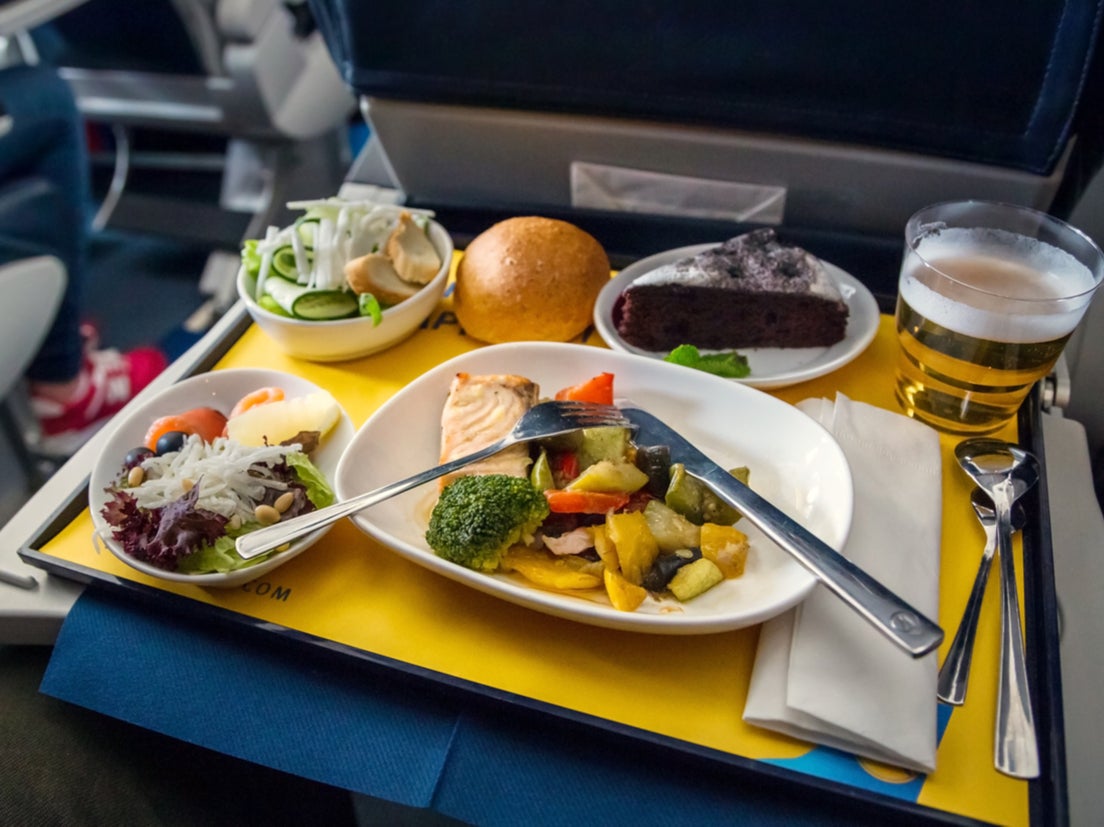
“Choose a meal that is lighter and is more balanced, rather than a really starchy, carb-heavy meal,” recommends Hanif.
“Opting for a meal that contains protein and vegetables instead will have less of an impact on your body.”
Snack instead
“If you don’t feel very hungry, you’d probably be better off snacking rather than eating lots of large meals,” says Austin. “Take some fruit, nuts and seeds onboard with you.”
Stay hydrated
“Try to have a glass of water, or half a bottle of water, every hour,” recommends Austin.
Walk around
“Get up and walk around the cabin every two to three hours,” recommends Austin.
“Movement can help dissipate some of the gas if you’re getting some bloating symptoms, and it can help things transit through the gut more easily too.”
Join our commenting forum
Join thought-provoking conversations, follow other Independent readers and see their replies
Comments
Bookmark popover
Removed from bookmarks