Is it safe to travel to Cyprus? What you need to know after Foreign Office issue advice update
While hundreds of miles separate Cyprus and Iran, the government’s advice has changed
Travel advice has been updated for several countries near Iran, including Cyprus, after the government declared a “heightened risk” of regional tension.
Nationwide protests have been taking place across Iran after currency instability, which has since escalated into widespread political unrest.
The US-based Human Rights Activists News Agency (HRANA) reported on Wednesday that it had confirmed more than 2,600 deaths and 18,470 arrests of protestors across the country. Information is still limited due to an ongoing internet blackout, it noted.
However, US president Donald Trump said on Wednesday he's been told "on good authority" that plans for executions in Iran have stopped, even as Tehran pressed ahead with fast-track trials in its crackdown on protesters.
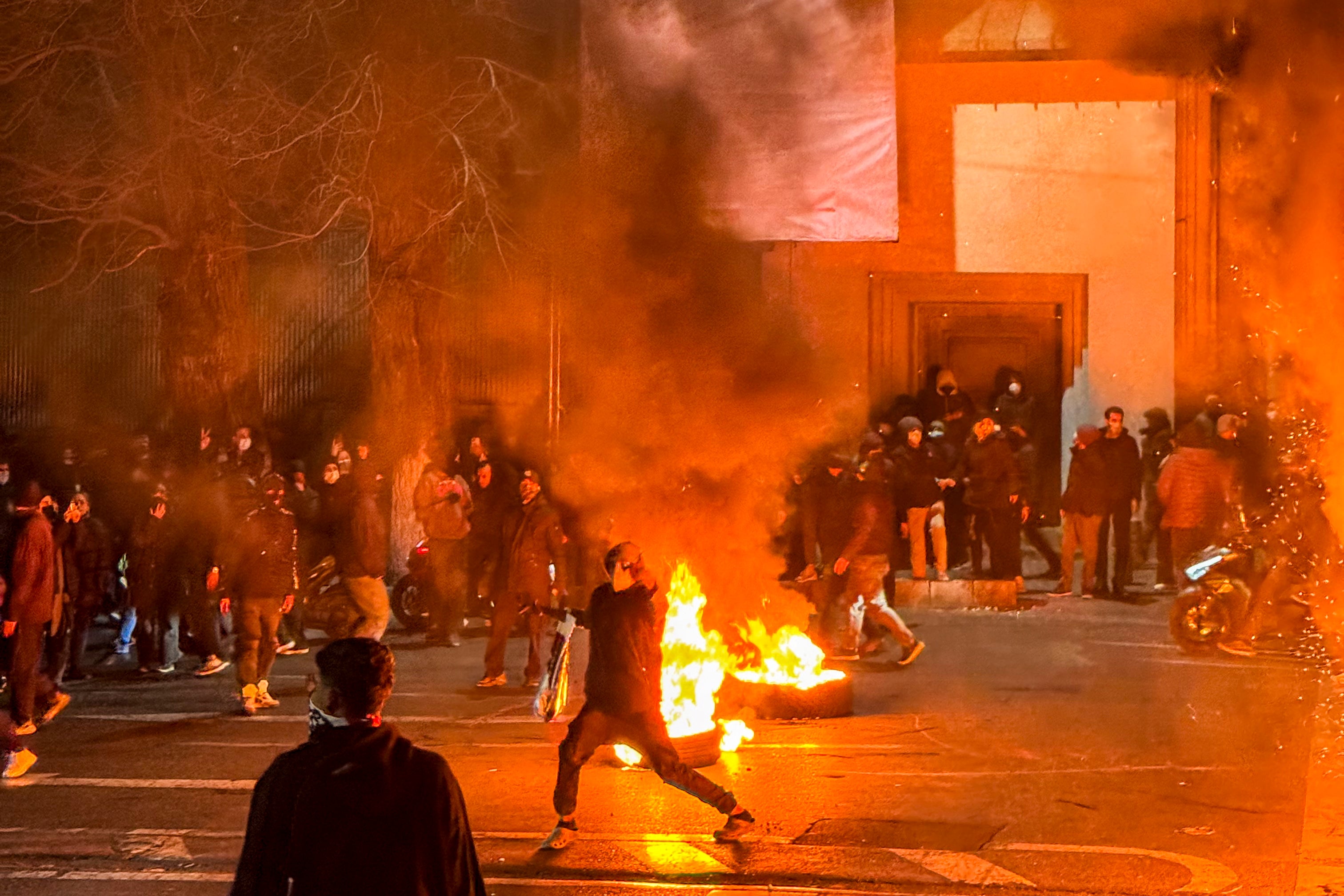
The unrest in Iran has forced the UK to close its Tehran embassy and will operate remotely. It has also withdrawn its staff from the country, as well as from a military base in Qatar.
While Cyprus is hundreds of miles from Iran, government advice for the much-loved holiday destination has changed. Here is what you need to know.
What is the UK government’s advice?
On Wednesday, 14 January, the UK’s Foreign, Commonwealth and Development Office (FCDO) released new advice for travel for Cyprus.
“There is a heightened risk of regional tension. Escalation could lead to travel disruption and other unanticipated impacts,” the FCDO stated.
“British nationals should take sensible precautions, considering their own individual circumstances.”
It said precautions include reading the government’s crisis information page, which gives guidance on how to prepare for civil unrest, including how to gather emergency supplies.
The page also recommends that British nationals sign up to FCDO travel email alerts, monitor local and international media for the latest information, sign up to local information resources and follow the instructions of the regional authorities.
They also said that travellers should stay away from security or military facilities.
The FCDO has also released the same advice for British nationals in the UAE, Palestine, Israel, Turkey, Yemen, Syria, Saudi Arabia, Qatar, Oman, Libya, Lebanon, Kuwait, Jordan, Egypt and Bahrain.
What are my rights if my flight is cancelled?
Flights to and from Larnaca airport in Cyprus continued to operate as normal on Wednesday and into Thursday, largely unaffected by a temporary airspace closure in Iran.
If you do find your flight cancelled, you are covered by UK law if you are departing from an airport in the UK on any airline, arriving at an airport in the UK on an EU or UK airline, or arriving at an airport in the EU on a UK airline.
Airlines must provide you with care and assistance if your flight is cancelled, meaning they must supply you with food and drink (often provided in the form of vouchers), means for you to communicate (often by refunding call costs), accommodation if you are given a new flight the following day, and transport to and from the accommodation or your home.
Passengers can choose between getting an alternative flight or receiving a refund if their flight is cancelled.
If you received less than 14 days’ notice of a cancellation, you may also be able to claim compensation. However, this is unlikely if the cancellation was not the airline’s fault.
Situations such as extreme weather, strikes or other ‘extraordinary circumstances’ are not eligible for compensation.
Read more: What rights do you have to compensation for cancelled or delayed flights?
Can I cancel my holiday?
As the FCDO has not warned against non-essential travel to Cyprus, there will be no special circumstances in place to be able to cancel a trip for a full refund.
The conditions for cancelling your trip will be dependent on your holiday provider, so it’s best to contact them if you’re looking to postpone.
There is no obligation for companies to refund bookings if you want to cancel, and you will not be able to claim on your travel insurance due to safety concerns unless government advice changes.
If you do have travel insurance, some policies include natural disaster cover for an event that prevents you from reaching your holiday destination. Check your insurance policies and speak to your insurer to see where you stand.
Follow live: Iran protests latest – Trump says Tehran has ‘no plan’ to execute protesters as UK closes embassy
Join our commenting forum
Join thought-provoking conversations, follow other Independent readers and see their replies
Comments
Bookmark popover
Removed from bookmarks