Traditions and tastes to savour: Hong Kong at Chinese New Year
Gallop, don’t walk, to discover Hong Kong’s Chinese New Year traditions. As we usher in the Year of the Horse, there’s no better time to experience the region’s unique cultural and culinary delights
.png)
The air crackles and sparkles with pink, red, green and gold as fireworks stream through the inky skies. Crowds gather either side of Victoria Harbour, awestruck by a spectacle that outshines even Hong Kong’s iconic skyscrapers.
Held annually on the second day of Chinese New Year, this incredible display is just one highlight in a calendar of must-experience events that will herald the Year of the Horse this February. Daytimes are equally vivid; streets bloom with flower stalls and colourful paper lanterns, while the air is perfumed with incense, citrus fruits and crisp yau gok: fried dumplings believed to bring good fortune for the year ahead.
Hong Kong is at its brightest and boldest during Chinese New Year celebrations, with all its rich customs, cultural traditions and culinary delights on dazzling display. Here we explore the events and spectacles that usher in the Year of the Horse, offering a glimpse of what this diverse, compelling destination offers throughout the seasons.
Getting into the festive spirit
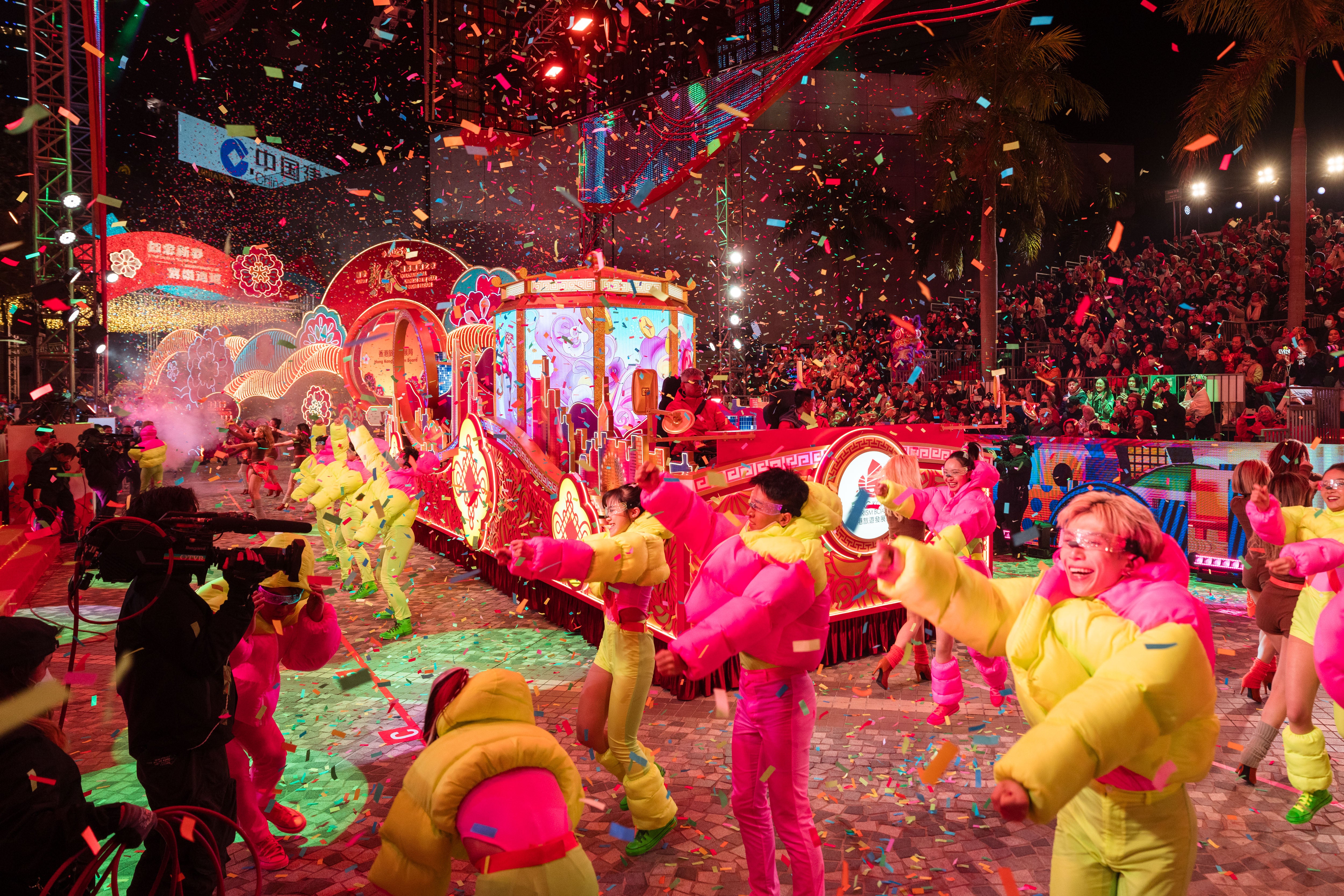
There’s no danger of missing the celebrations. Stretching over 15 days, this is a party that barely pauses to take a breath (or snack on a rice ball). Festivities traditionally start with the Night Parade on the 17th of February in Tsim Sha Tsui, on the southern tip of the Kowloon peninsula. The area is famed for its skyline views across the harbour and this event, held on the first night of the new year, brings spectacle after breathtaking spectacle, with dancers and musicians starting the party in style before the floats parade past, each one more colourful and ornately decorated than the last.
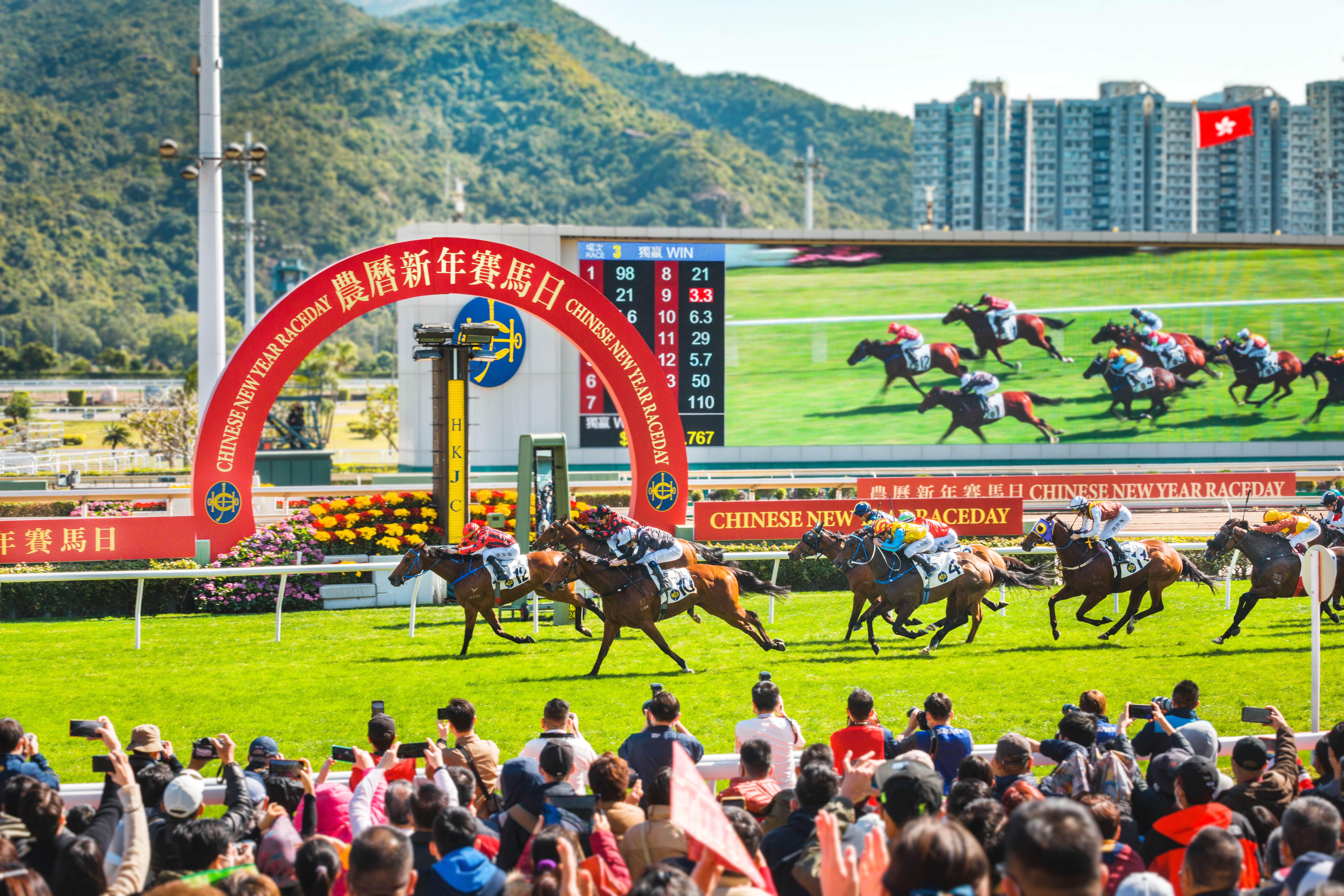
Another highlight in this stellar line-up of events is the annual Raceday. Locals and visitors gather at Sha Tin Racecourse to try their luck and usher in good fortune with lion dances, where lavishly costumed performers shake and shimmy away evil spirits. It’s one of the biggest days in the racing calendar and new year celebrations, so the atmosphere – whether watching a nail-biting finish to races like the Chinese New Year Cup or seeing top musicians perform – is guaranteed to be electric.
Customs that burst with colour
Throughout the new year period – and beyond – moments of celebration and quiet reflection can be found all around the city. Flower markets fill the streets with vivid hues with the heady scents of chrysanthemums, orchids and peach blossom among the blooms believed to bring good luck. Victoria Park, a verdant bubble of calm in the midst of the urban bustle, hosts one of the biggest and most impressive markets, while petals and floral charms add pops of colour to every stretch and corner of Hong Kong.
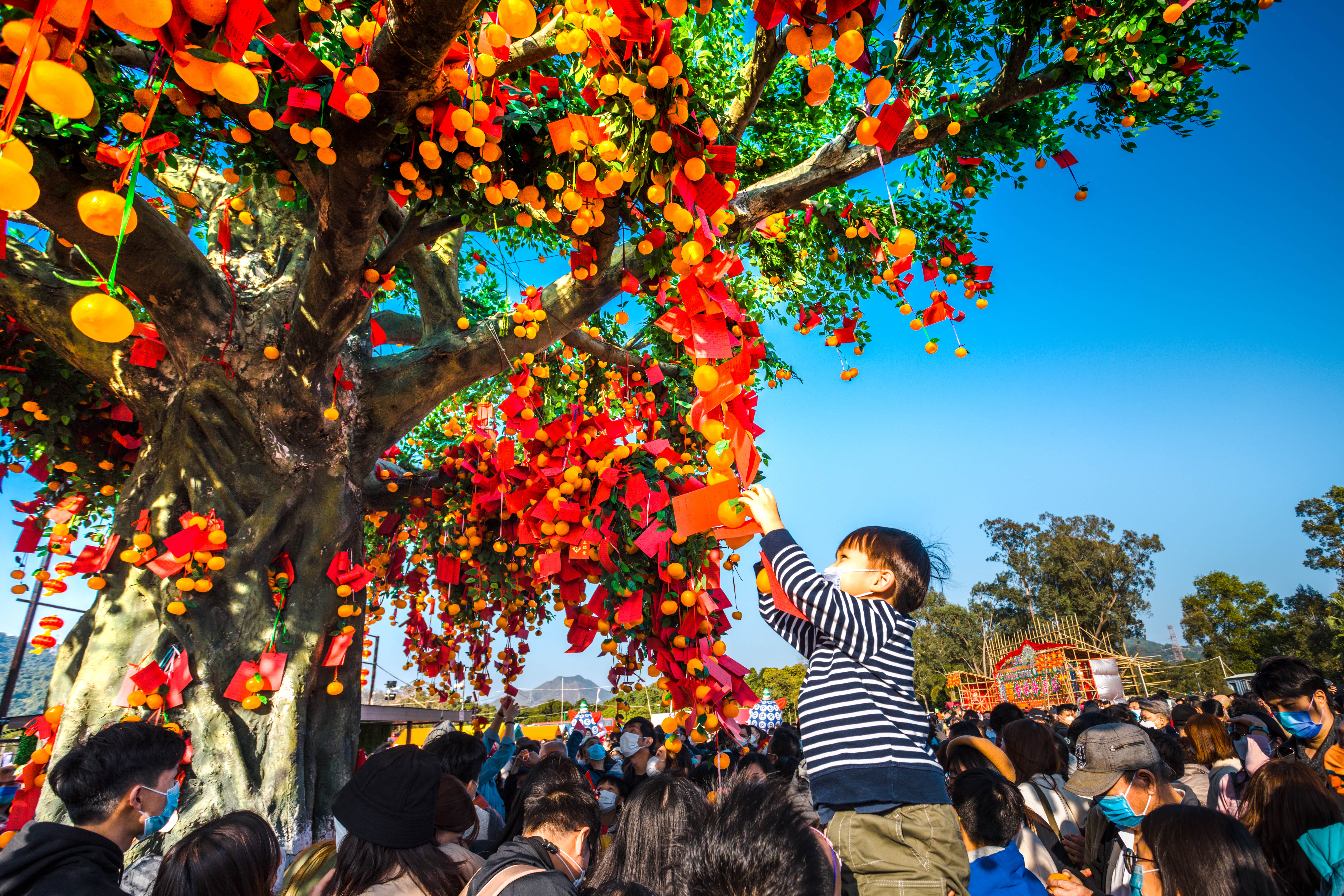
The region is rich in cultural sites and monuments that can be enjoyed any time of year, but are enhanced during this time of vibrant celebration. The Lam Tsuen Wishing Trees in the Tai Po District, for example, draw visitors with the promise of making dreams come true via wishes, written on a piece of joss paper and hung on nearby wooden racks – while Chinese New Year festivities throw live music, food stalls and traditional dancing into the mix.
It’s a wonderful window onto the rich heritage of Lam Tsuen, an area made up of 26 traditional villages where ancient practices and customs are very much, and vividly so, alive. Nearby Tin Hau Temple, dedicated to the Goddess of the Sea, was built in 1865 by local fishermen. Today, worshippers and tourists alike visit the site in the busy Yau Ma Tei area, burning coils of incense or simply soaking up the bustling, scent-filled atmosphere.
Hong Kong’s temples draw even bigger crowds to partake in and witness rituals that are specific to the new year. At Wong Tai Sin, the first worshippers to burn incense are believed to be the most blessed for the year ahead. Man Mo, in the heart of the city, sees worshippers pray for good fortune and health in the tradition of An Tai Sui – a Taoist ritual practised by those whose birthdays conflict with the ruling zodiac sign of that year. While at Che Kung Temple in Sha Tin, kau chim or fortune sticks are drawn to predict the year ahead.
The taste of tradition
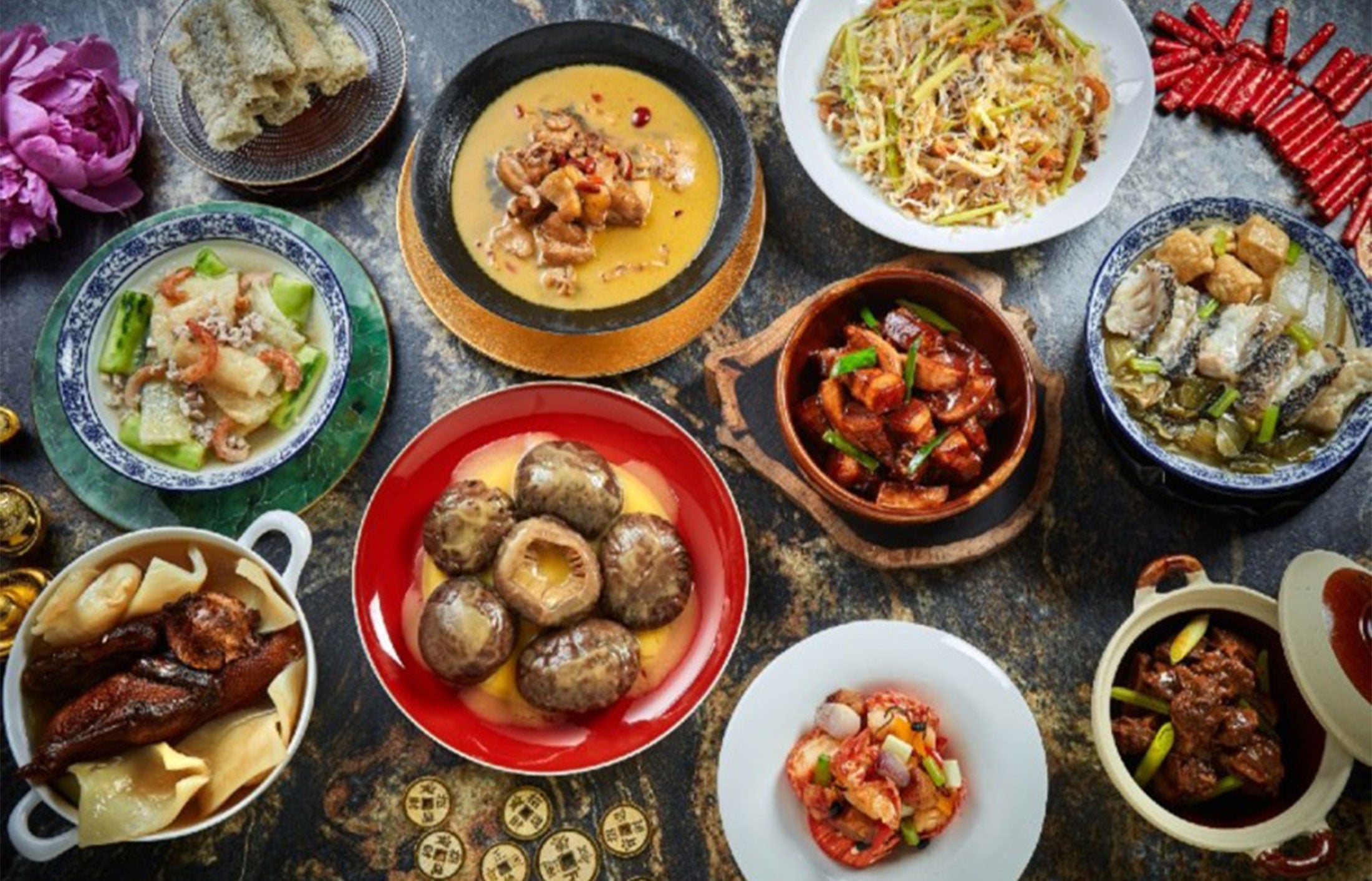
One core element threaded throughout all the celebrations is food. From tangerines believed to bring luck, to dumplings doled out by street vendors and impeccable chef-led menus served at the most coveted tables in town, Chinese New Year serves up a mouthwatering array of edible delights.
Traditional tastes here go deeper than mere deliciousness; they are firmly rooted in Hong Kong’s culture and history. Fish symbolises prosperity, while poon choi – a many-layered dish originating in the villages of the New Territories, where families would throw whatever food they had into one communal pot – perfectly showcases togetherness in every bite, with ingredients ranging from charred pork to oysters and bamboo shoots.
Tong yuen, squishy little rice flour balls filled with peanut, red bean paste or chocolate, offer a sweeter way to celebrate unity, and can be found everywhere from longstanding dessert shops to Hong Kong’s constellation of Michelin-starred restaurants.Making it even easier to negotiate Hong Kong’s rich and varied culinary scene, this year sees the launch of Taste Hong Kong, a curated guide with 250 restaurant recommendations from over 50 local master chefs and Chinese Culinary Institute graduates, organised by neighbourhood. It’s all about hou mei – the Cantonese expression for ‘delicious flavours’ – and the tastes and traditions worthy of celebration, at Chinese New Year and beyond.
For more travel inspiration and to plan your trip visit Discover Hong Kong
Bookmark popover
Removed from bookmarks