Should we be compensated if Eurostar downgraded us?
Simon Calder answers your questions on Norwegian cruises, regrettable travel incidents, and the EU entry-exit system


Q My wife and I were booked on Eurostar Plus from Paris to London. Our train was cancelled. We were given two choices: going on a waiting list for the next departure or a guaranteed seat on a train five hours later. We chose the waiting list option, went through security, then spent a worrying period wondering if we would be successful or not. Finally, we were given standard class tickets, seated apart.
Once home, I asked our booking agent about a refund of the difference in fare between standard class and Eurostar Plus. An upgrade voucher for a future journey in one direction would also be reasonable. But the agent I booked through said: “In the event of a cancelled train, Eurostar do not offer any refunds for a downgrade in class.” Is this true?
John Hooley
A Were an airline to downgrade you, it would be required to refund 75 per cent of the fare paid. In cash. So I was shocked to read that last line, implying Eurostar pockets the difference between what you paid for – including wider seats, food and drink – and what you got. Fortunately, the agent is wrong.
A spokesperson for Eurostar told me: “We’re sorry to hear about the experience Mr Hooley and his wife had while travelling with us. When services are cancelled, we do our best to reaccommodate affected customers as quickly as possible. In this instance, we were able to place Mr and Mrs Hooley on the next available train. When we are unable to maintain a customer’s original class of travel, we offer a 50 per cent e-voucher as compensation for the affected journey.”
I imagine that will be acceptable to you. The real mystery to me is why, upon downgrading you, the cross-Channel rail firm did not immediately issue a refund. Anyway, I suggest you apply to Eurostar so you can start planning your next trip with the voucher. But perhaps next time you might choose a different agent, in the hope that staff may be better versed in Eurostar policies.
Q When would you suggest is the best time of year to go on a Hurtigruten cruise along the coast of Norway? We would ideally like to see the Northern Lights.
Ken R
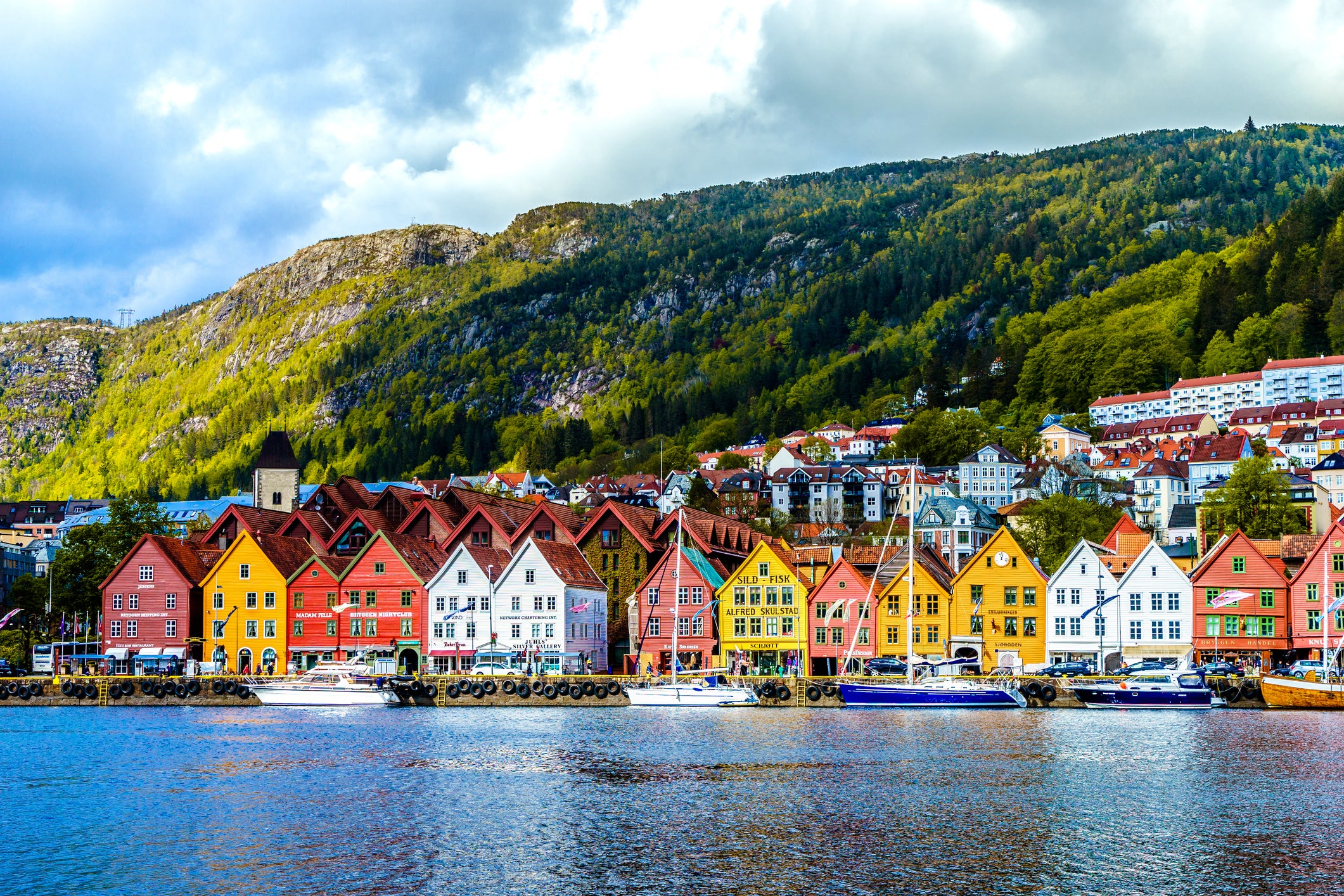
A In short: late February/early March, or late October/early November. But before I explain why, allow me to provide some background. Hurtigruten means “express route” and is the name of one of the companies sailing north from Bergen along the coast of Norway, all the way around the North Cape headland and terminating at Kirkenes, close to the Russian border.
The vessels in the fleet are not strictly cruise ships; entertainment and bars are thin on the decks. But they are big, comfortable ferries that provide a lifeline to communities all the way along the route. By happy accident, the voyage is also a superb way for overseas travellers to experience the best that the coast of Norway has to offer.
Being an essential component of public transport in Norway, the coastal ferry typically stops every few hours (including in the middle of the night) to take on or deliver passengers and goods to cities, towns and fishing villages along the way.
While that role takes priority, passengers like you and me who want to treat the voyage as a cruise help to make up the numbers – and alleviate the heavy subsidies paid by the Norwegian government to keep the ships running. Accordingly, you can enjoy a spectacular voyage at a reasonable price even in one of the most expensive countries in the world.
The best time to travel, in my opinion, is when you get the optimum balance between night and day: maximising the chances of a Northern Lights sighting but also allowing you to enjoy breathtaking coastal scenery and beautiful islands.
I have made the voyage southbound from Tromso to Bergen in late February/early March, and north from Bergen all the way around to Kirkenes in October/early November. Both were outstanding; the latter included amazing polar experiences, but was longer and more expensive.
Before you commit, have a look at the offers from both Hurtigruten and its rival, Havila, and compare them in terms of accommodation, meals and price.
Q Is there anywhere you have travelled where you have got off the plane and thought to yourself – I’ve made a terrible mistake and I wish I hadn’t come here?
Steve W
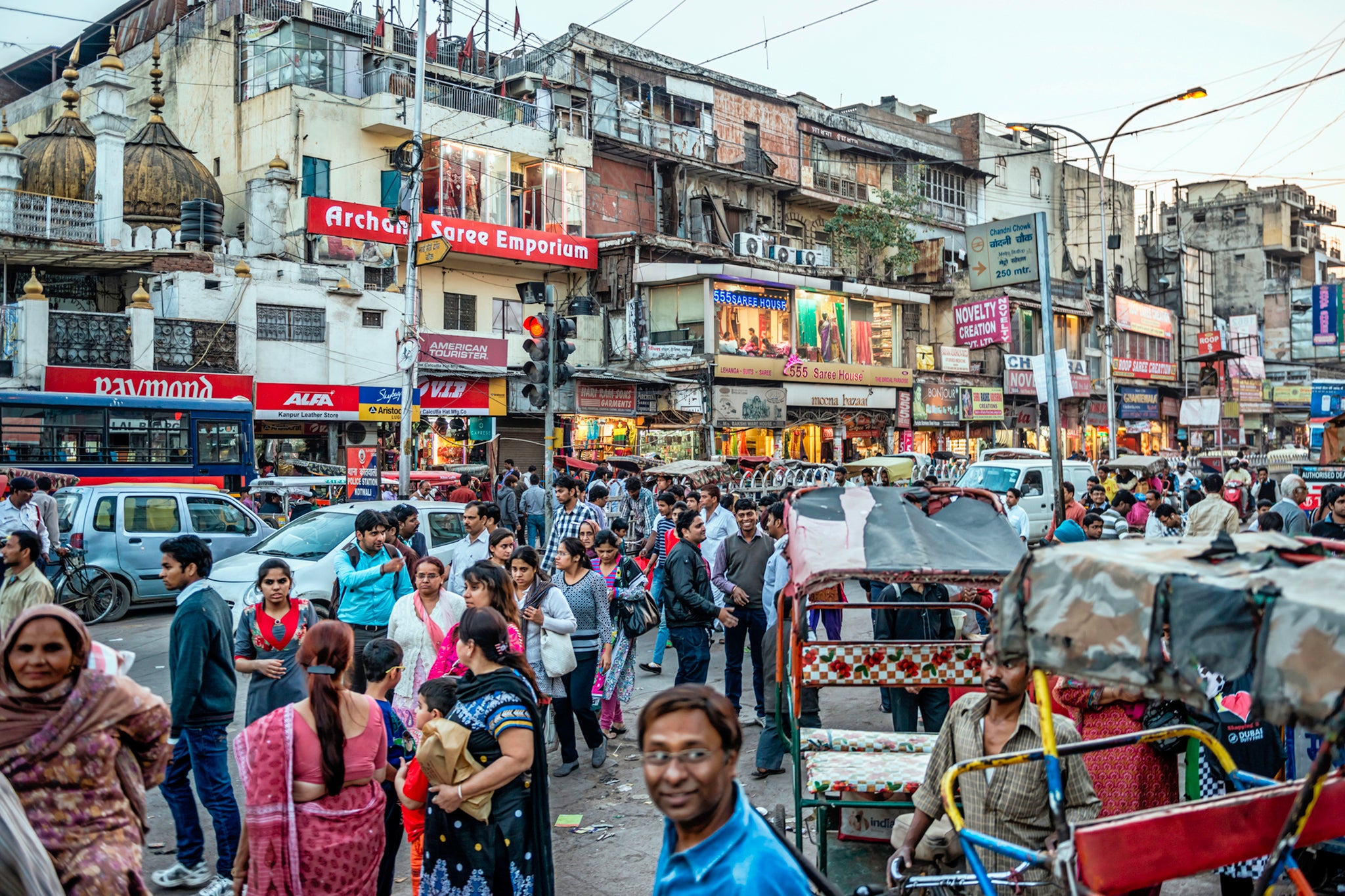
A The one location that fits your description is the capital of a country that I have come to love dearly. It’s Delhi. The city was the first place in India I visited, and I have been back a couple of times since. Experiences of large parts of India since then have helped me realise that it is a nation of wonders with more than 1.4 billion friendly and well-meaning souls. But in Delhi, I seem to have been the target of the tiny minority who are tricksters preying on tourists.
From landing at the airport to trying to negotiate train tickets to Agra, I have been “assisted” by people who are not trying to rob me but who are intent on diverting me from the intended tourism path. Their aims: to coax me into spending money on travel components that are far from optimal. Stumbling blearily from the plane in the early hours, I have been caught out with vastly overpriced taxis – not to mention the wearying insistence that the hotel I have in mind burned down last week but fortunately the driver’s cousin runs a far superior place to stay. At the city’s railway stations, I really don’t want to hear that the line to Agra is closed and all trains are cancelled, so I have no choice but to take a taxi. Not only is this claim invariably false, it is also seeking to persuade me to use a much riskier form of transport.
In other big Indian cities – Mumbai and Kolkata particularly – I have come across the odd rogue but overwhelmingly the citizens are kind. I am fairly sure I have a mindset that is not representative of Delhi, but perhaps magnified due to early difficult experiences. Happily, I am going back next month and I hope to start afresh. I have heard great things about the place.
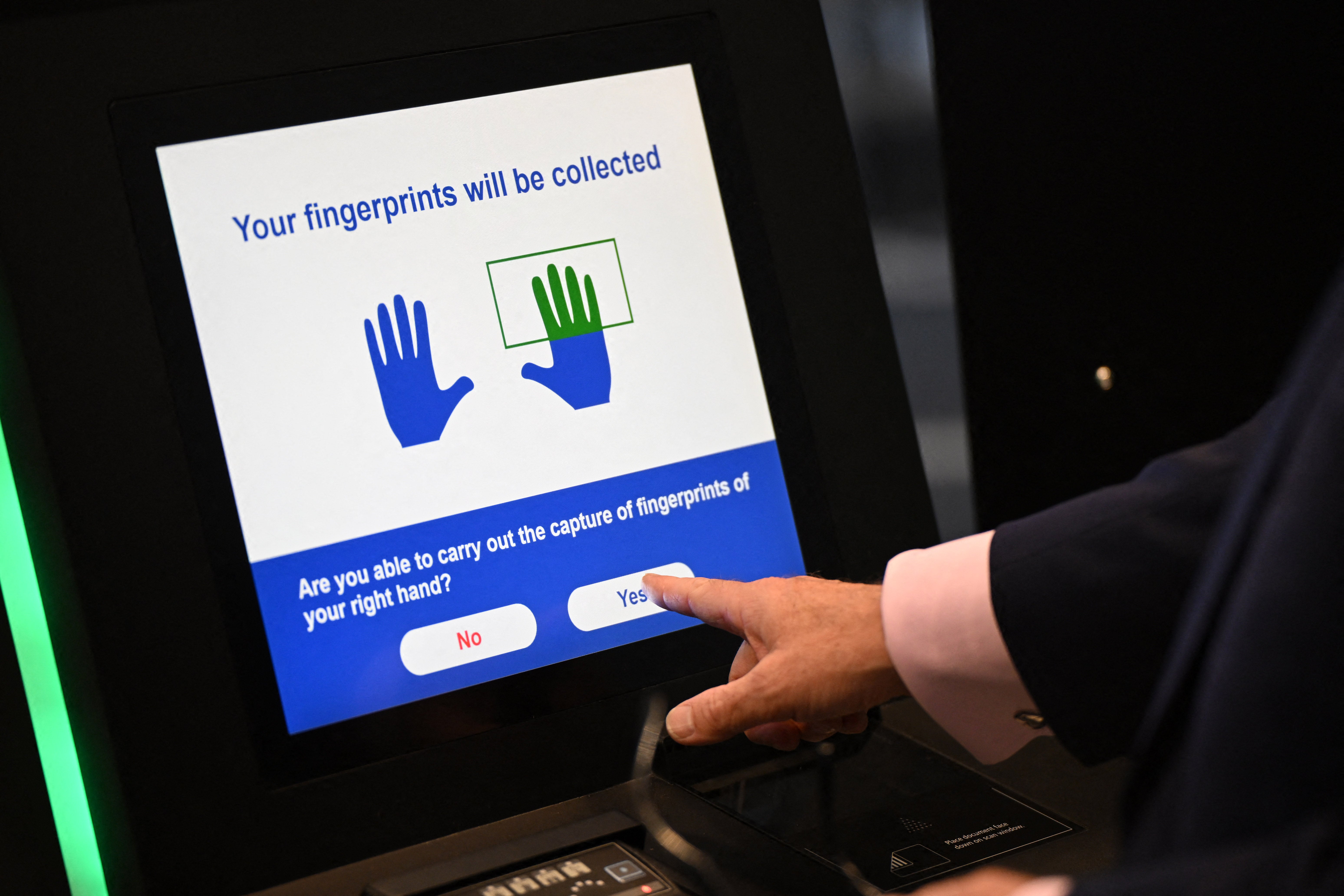
Q My wife and I have just arrived in Austria. We passed through immigration at Vienna airport, whereupon we were “enrolled” into the EES. The whole process took six minutes: four queuing and two being registered. For once, entering the EU was quite painless. My question, though, is now that I’m registered with EES, how do I enter the EU on subsequent visits? Do I stand in the border control queue, or use the eGates?
Stephen D
A Congratulations on getting your fingerprints and facial biometric registered on the EU entry-exit system (EES) database. Only a small minority of borders to the European Union (and wider Schengen area) are registering the details of third-country nationals such as the British, and few UK travellers have been processed. Luxembourg, Estonia and the Czech Republic are believed to be fully engaged. But other EU nations have until April to get their formalities fully into shape. Most are taking their time, but I am glad to hear that Vienna is on board. Your experience is the most positive reported to me so far. At Prague airport, which is the biggest airport to go “100 per cent EES” from day one, I have heard of hour-long queues on arrival.
You ask: “How do I enter the EU on subsequent visits?” Your registration has, I’m afraid, bought you only a small advantage when entering or leaving a Schengen area frontier. You will still probably need to queue up with us “EES virgins” who have yet to register. If this happens, the only difference is that you will probably swerve the fingerprint stage, both when leaving Vienna and on future entries to Europe. The rules say that when you are registered, only your face or fingerprints must be checked. The assumption is that authorities will choose the face, because it is much easier to capture.
Each Schengen area nation is sovereign and makes its own border arrangements. At some super-smart frontiers – possibly in Italy – they may configure their systems so that you can use a special set of eGates that will simultaneously check your face and admit you. But from my enquiries with European governments, that day is a long way off. Assume for now it is a laborious two-stage process – biometric check plus manual passport examination and stamping – and you may be pleasantly surprised when you clear the formalities more quickly.
Email your question to s@hols.tv or tweet @SimonCalder
Join our commenting forum
Join thought-provoking conversations, follow other Independent readers and see their replies
Comments
Bookmark popover
Removed from bookmarks