Swap Spain’s sweltering camino for its cool Swedish counterpart
Searching for a quieter hiking route, Rory Buccheri found tranquility on the historic Romboleden pilgrimage
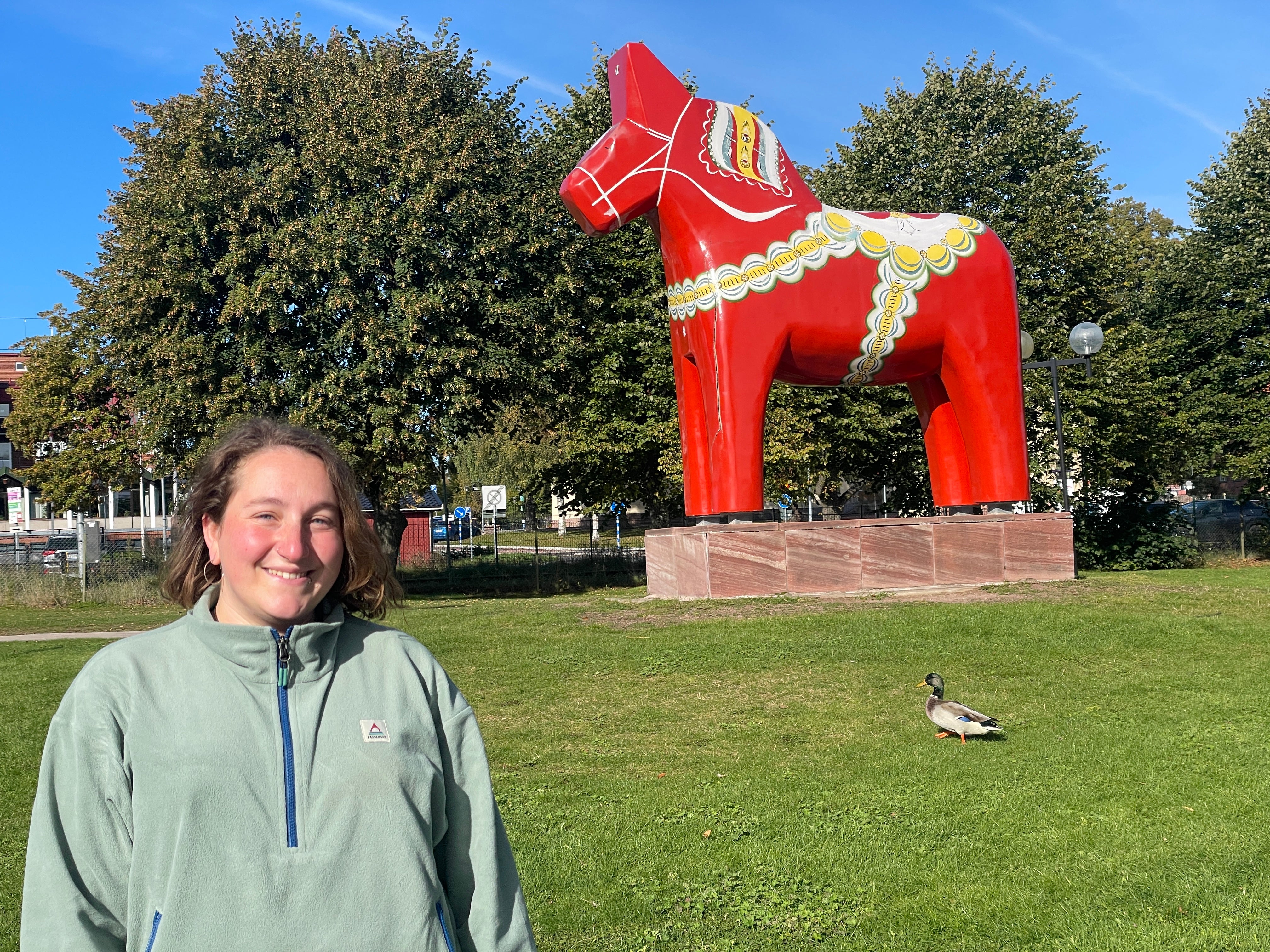
As I pitched my tent among the toothpick-shaped trees, I thought about the words of my hiking guide. “Nature belongs to everyone in Sweden. We have a right to access and a duty to be guardians to our natural world,” he said.
It’s easy to envy that attitude, known in Swedish as “Allemansrätten”. Living in England, a country where half of the landmass is owned by less than one per cent of the population, the freedom to pitch anywhere is refreshing.
And refreshing is what I was after. The Camino de Santiago, the historic Spanish pilgrimage route, is remarkably popular – more than 500,000 people walked it last year. But as global temperatures keep rising and overtourism affects Spain and Portugal, I wanted to discover an alternative.
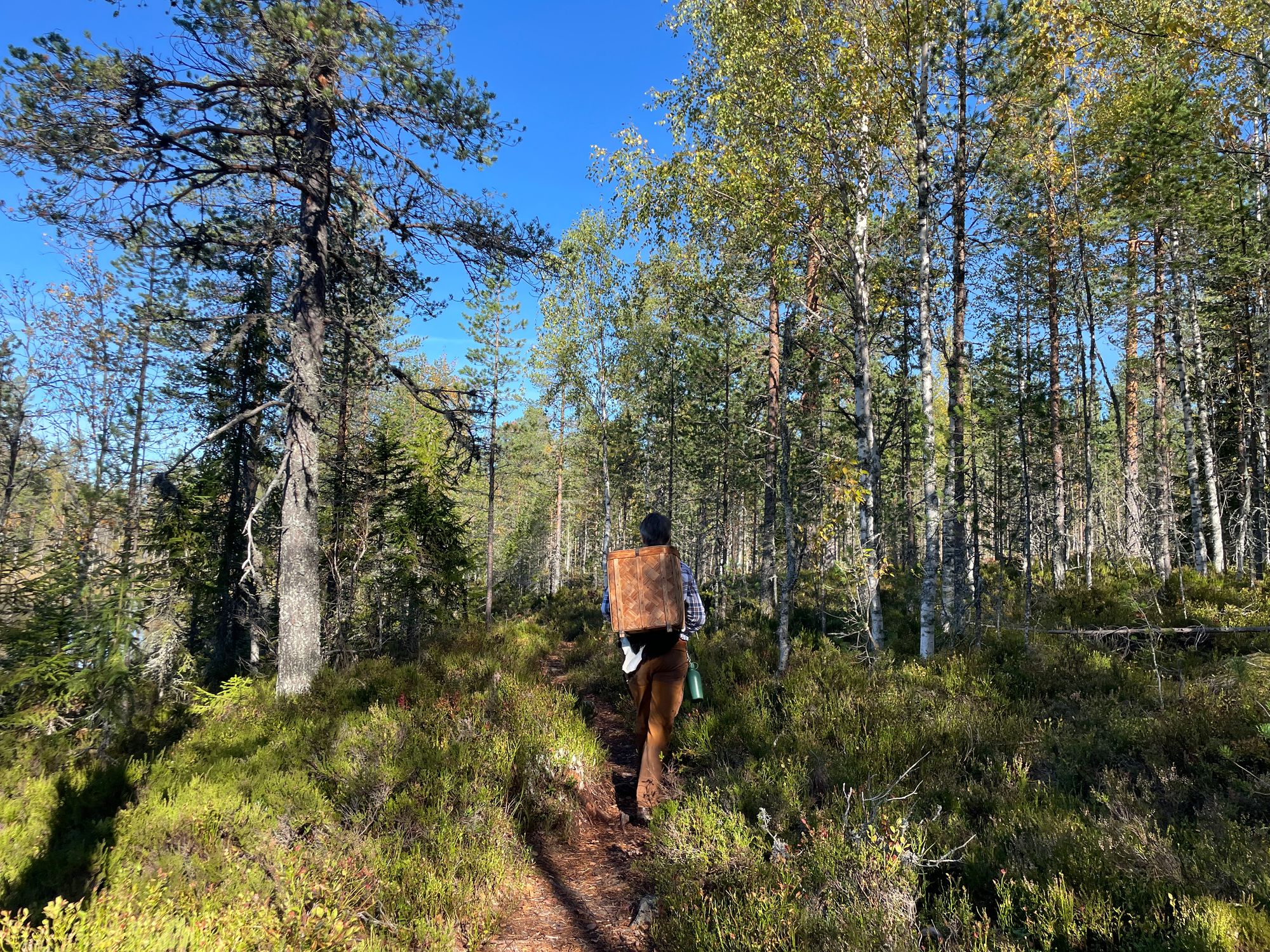
In the footsteps of hundreds of thousands before me, I decided to walk the Romboleden, the oldest pilgrimage in the Nordics and Sweden’s longest hiking route. The 560-mile path crosses forests, lakes, villages and the open sea, connecting Trondheim, in Norway, to the Swedish town of Köping, next to Stockholm.
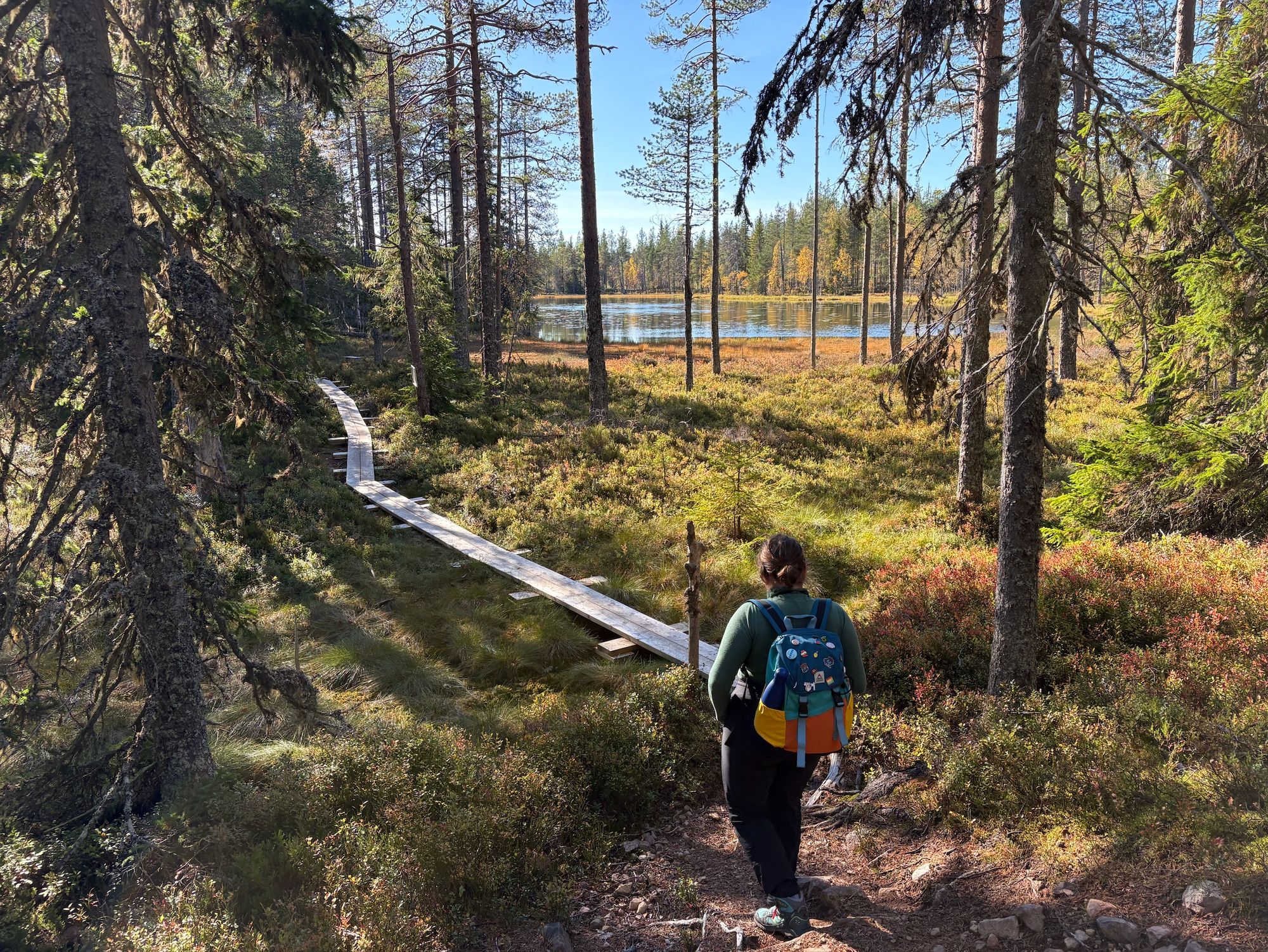
Swapping the sweltering Camino with its cooler, Nordic equivalent, I embarked on a journey that replaced sun-bleached cobblestones with blueberry-filled, mossy paths.
Rather than seeking an audience with the King, or praying the Gods to bless my crops (all legitimate Romboleden reasons), I walked my stress away while immersed in the gorgeous nature. Centenary woodlands, a lake carved from a meteor 377 million years ago, and even bears, were all protagonists on my journey.


Like the medieval peasants before me, I chose to focus on a section of the Romboleden which crosses my favourite region of Sweden. Aptly nicknamed “Sweden in miniature”, I started in central Dalarna, where three hiking trails converge: the Romboleden, the Fäbodleden and the Siljansleden.
I dutifully signed the Romboleden Guest Book and then followed the trail marked with the pilgrimage’s signature red cross. Paths are clearly marked and signage was revamped last year in preparation for more visitors.
Soon I discovered that pilgrims are not the only ones who trod this path. Walking towards Lake Siljan’s largest island of Sollerön, I was accompanied by wilderness guide Daniel Nilsson, who shared local lore on the ancient route.
“Every year in spring, farmers would leave the island and walk hundreds of thousands kilometres through the forest, to bring their cattle up to mountain pastures where they could graze.”
Read more: Doctors are now ‘prescribing’ Sweden, so I ditched my phone for Scandi wilderness
You can still visit these open farmsteads, called “fäbod” and learn more about Unesco-listed “Fäbodkultur” in a dedicated open-air museum opposite Sollerön’s main church.
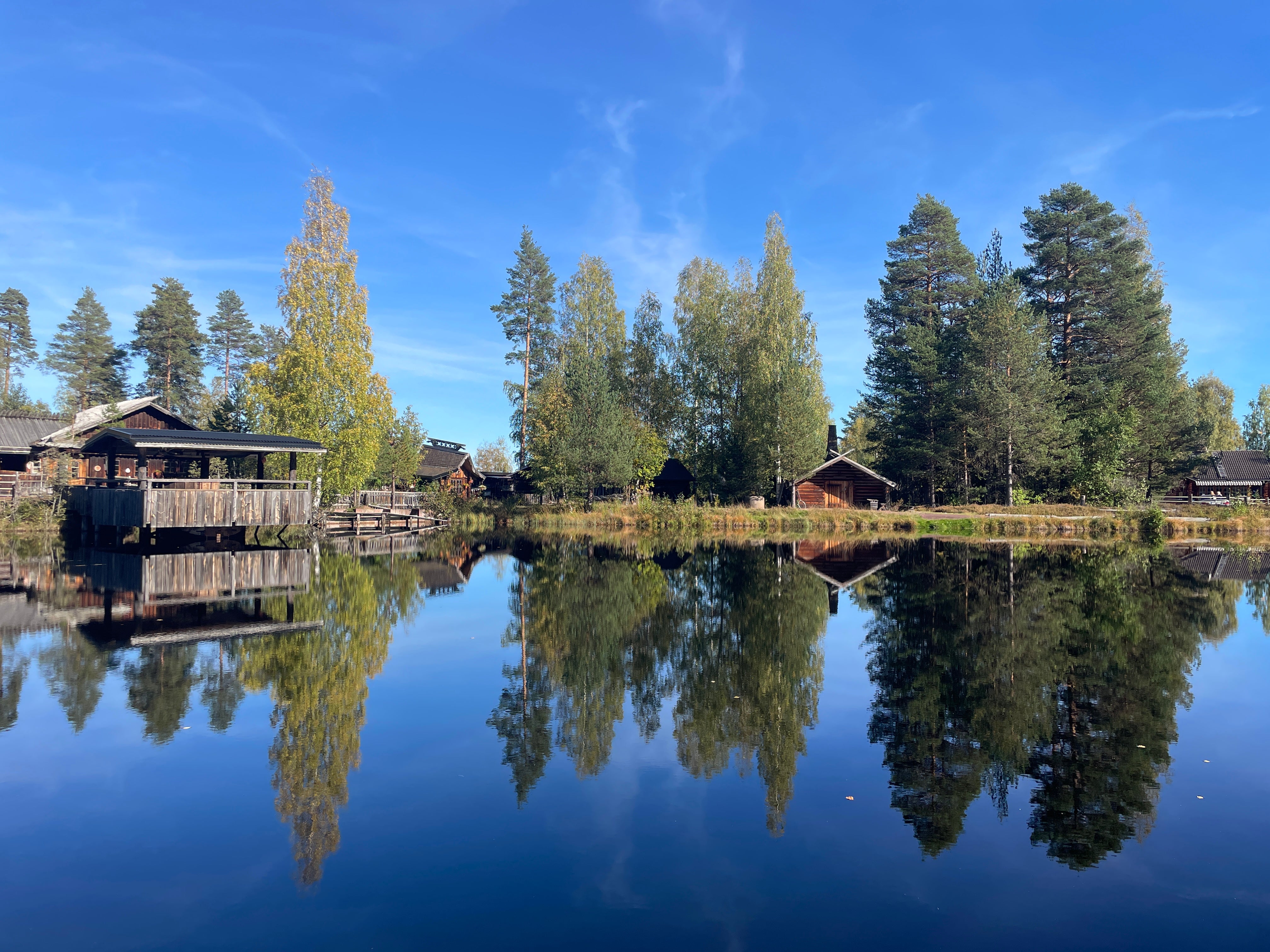
This nomadic lifestyle inspired me to embrace slow travel, especially on the stretch to Gesunda Re-Lax, a lakeside village. Red huts, large wooden gnomes, a midsummer maypole and even a tiny ceramics gallery fringe the lake.
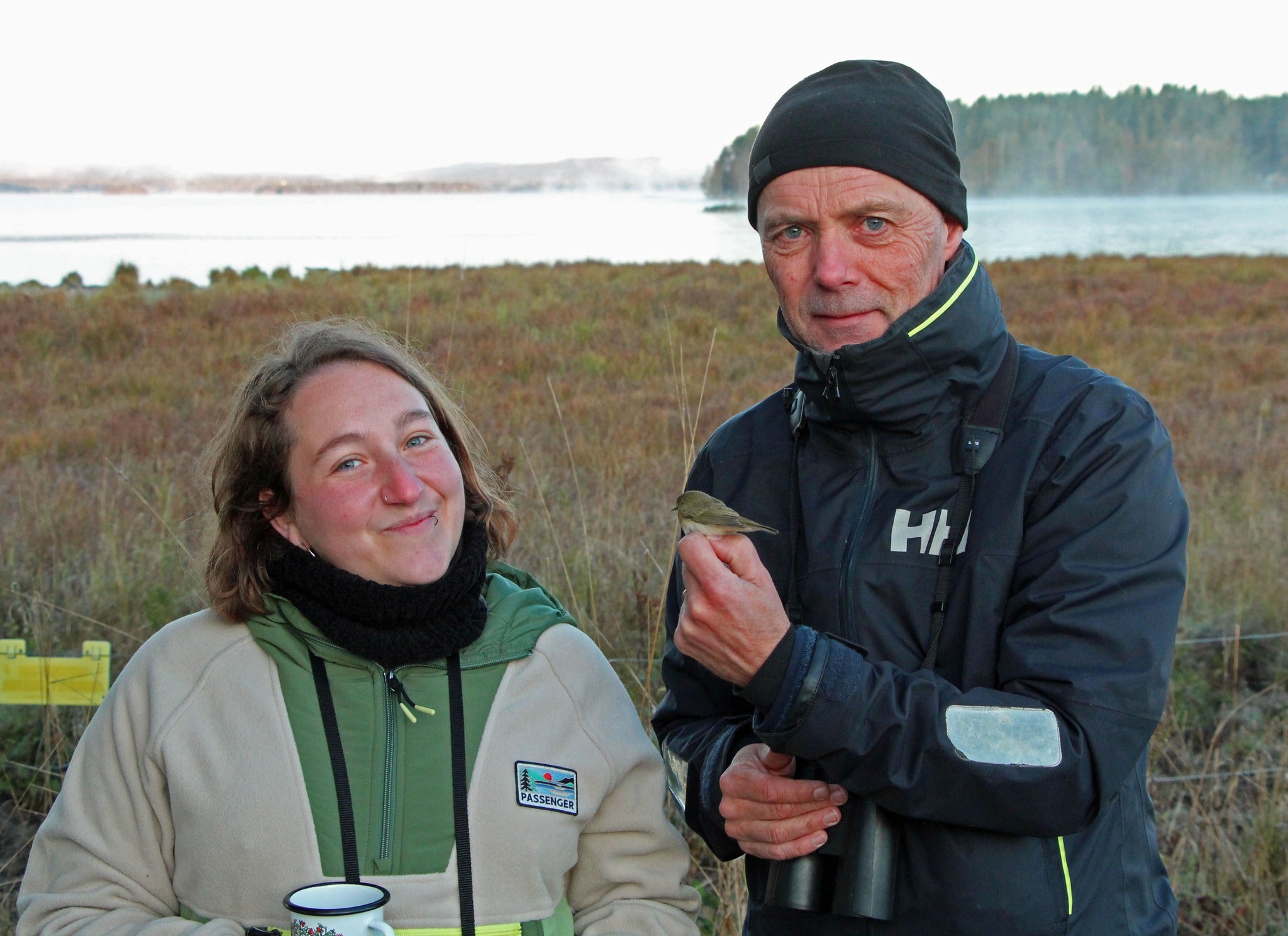
But the best was yet to come. Waking up in the warm embrace of my duvet, I stepped into the biting cold to check off a bucket list experience. At 6am I joined the team at Lindängets Natural Reserve to observe (and ring) birds on their winter migration route.
As the thick fog lifted from the lake, the sky finally let its azure, pink, and golden light to filter out. And with a feathery step – inspired by the 54 birds ringed on that morning – I set off to walk from Orsa to Fryksås.
Walking through a silent forest clad in tree trunk carcasses, I felt an eerie sense of respect.
“This pine was probably born in the 1700s”, Daniel chips in. “Once it falls, it will live another 400 years before going back to soil – and during those years it will be home to fungi, microbiomes, insects, moss. It will be a universe for biodiversity.”
While this hiking trip can be done alone, having a guide to teach me how to forage for berries, build a fire and prevent me from stepping into a fresh bear poop was much more than a break from solitude. Alongside Daniel, I learned about local stories I wouldn’t have noticed otherwise.
That includes the story of Sweden’s most famous painter, Anders Zorn, who was born here before going on to have a successful career, painting portraits of American presidents.
Read more: This new walking trail is the best way to see the Lake District without a car
Eager to trace the artist’s steps, I headed to Mora, a charming lakeside city famous for hosting the Vasaloppet, the world’s biggest cross-country ski race, and for the Zorn House – an ode to extravagance, and an incredible glimpse into the life of an 20th-century artist.
Horse, carriage, boat: those were all valid means of transportation to complete the Romboleden back in the day. Short of an equine companion, I hopped on a five-hour train to Stockholm for my return.
As I left the great north behind me, I revelled in the comforts of rail travel. Still anticipating to spot a moose any minute, I kept my eyes fixed on the gaps between spruce trees out of the window. I could swear that I saw one... but more likely I dreamt it, as the train lulled me gently back to the capital.
How to walk the Romboleden pilgrimage route
When? Summer and early autumn are the ideal time to walk the route, with temperatures between 15C and 27C. Avoid Sweden’s moose hunting season from 1st September-31st October. It’s safe to hike during the hunting break, on the third and fourth weeks of September.
Mapping it: The free Naturkartan app shows all walking trails in Sweden, including the Romboleden. More information can be found on the Romboleden website.
How to get there
SAS has multiple daily flights from Manchester and London Heathrow direct to Stockholm, taking around two and a half hours.
Where to stay
Double rooms overlooking Lake Siljan at Hotel Villa Långbers start at £82 and have sauna access.
In the summer, you can enjoy the floating room in Kungshaga Hotel (£280), or choose its indoors, cosy lake-view rooms (£80).
For your own wooden chalet with a view of the blue mountains and Orsa Lake in Fryksås, cottage stays at Smidgården start at £140.
Rory was hosted by Visit Dalarna and Visit Sweden

Join our commenting forum
Join thought-provoking conversations, follow other Independent readers and see their replies
Comments
Bookmark popover
Removed from bookmarks