Visiting Nuremberg on the 80th anniversary of the landmark trials
With the release of the film ‘Nuremberg’ and the 80th anniversary of the groundbreaking trials this month, all eyes are on Germany’s historic courtroom. Kate Mann travels to the Franconian city and explains why a trip there helps fill in some of the gaps


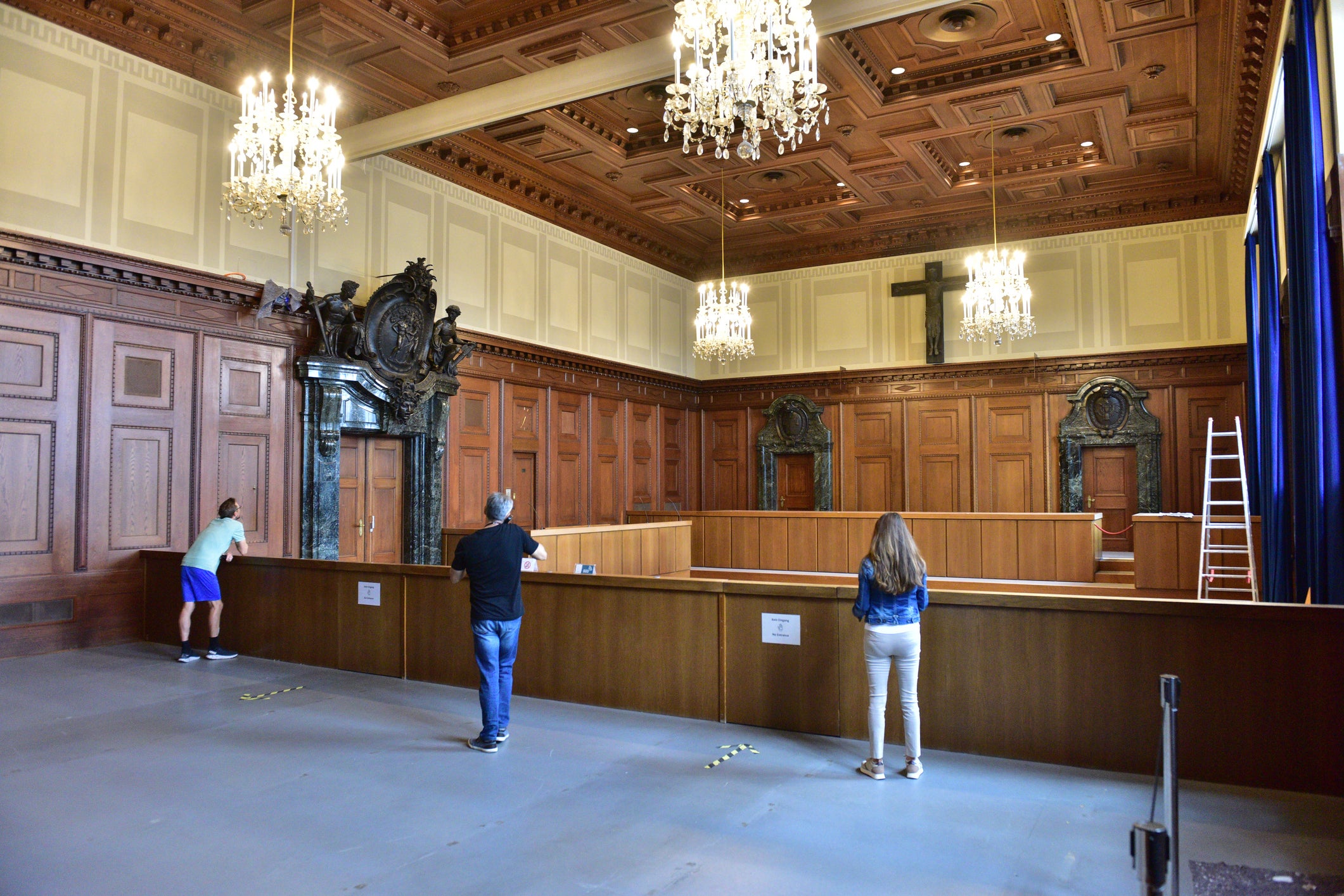
As the curtains close and a screen drops down between the chandeliers, a sudden hush fills the room. I sit up straight on the wooden bench as the thud of footsteps and scratchy recordings that date back 80 years start to play.
“The wrongs which we seek to condemn and punish have been so calculated, so malignant and so devastating...” comes the voice of American chief prosecutor Robert H Jackson, taken from his lengthy opening statement at the Nuremberg Trials.
I’m sitting in Courtroom 600 in the Nuremberg Palace of Justice, the room where leaders of the Nazi regime stood trial between 20 November 1945 and 1 October 1946. Today, it forms part of the Memorium Nuremberg Trials, an information and documentation centre in the eastern wing of the sandstone building. Five times a day, a media installation presents a digital reconstruction of the past, using original footage and audio. It’s a thought-provoking way to start or end a visit.
The Nuremberg Trials saw high-ranking Nazi officials, including Hermann Göring, Rudolf Hess and Albert Speer, tried as war criminals. It was the first time in history that an international tribunal – in this case the International Military Tribunal with judges and prosecutors from each of the victorious Allied powers – was authorised to hold individuals personally accountable for crimes under international law.
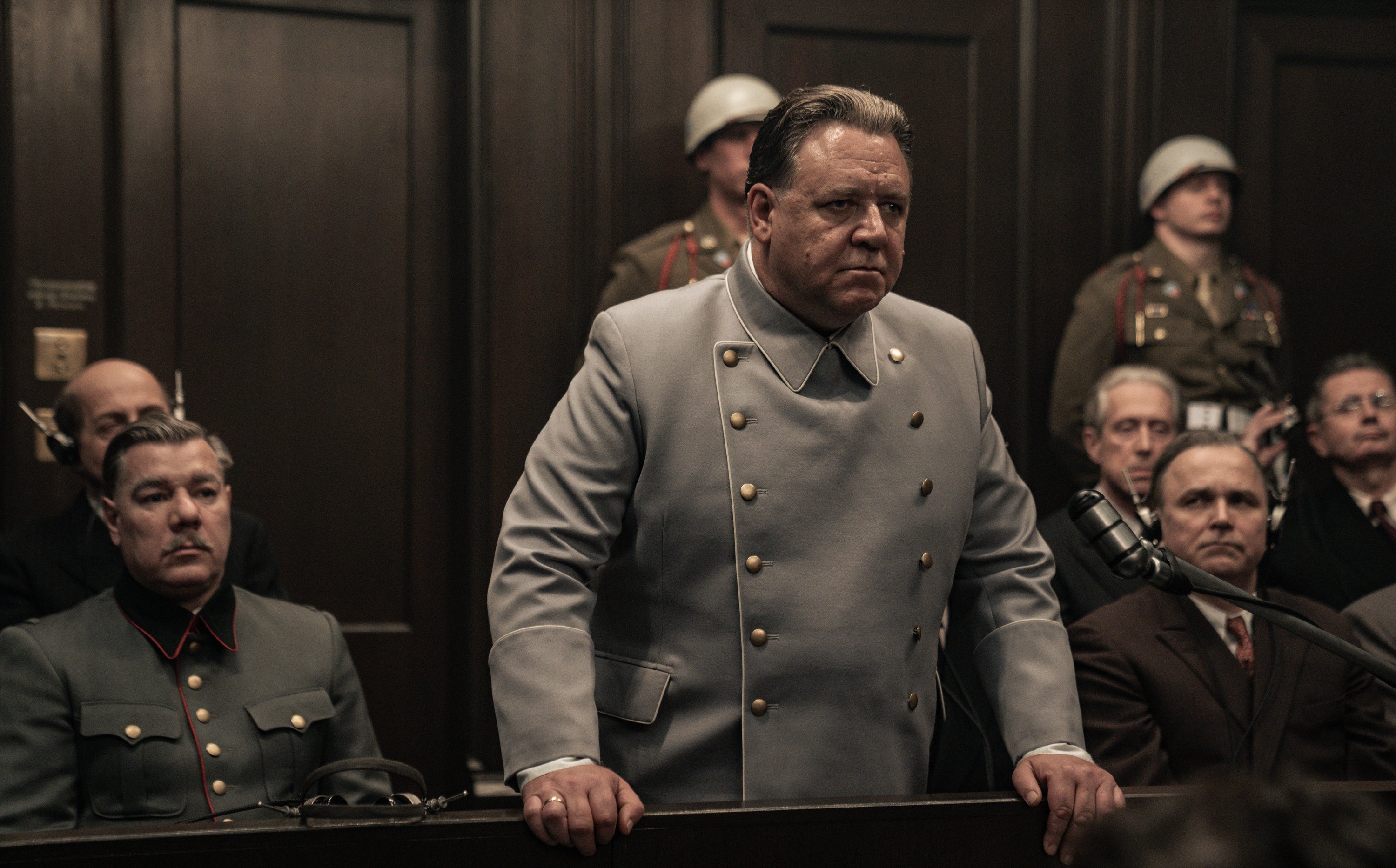
It is Göring, Hitler’s second in command, who is at the centre of James Vanderbilt’s compelling new thriller “Nuremberg”, which was released in UK cinemas on 14 November. Based on the book The Nazi and the Psychiatrist by Jack El-Hai, the film focuses on the complex relationship between Göring (played by Russell Crowe) and US army psychiatrist Douglas M Kelley (played by Rami Malek), who was tasked with assessing the mental state and stability of the imprisoned Nazis.
Much of the second half of the film takes place in the courtroom (a film set) and draws on the dialogue between the prosecutors and the defendants. It also uses footage from concentration camps that was shown during the real trial. Robert H Jackson is played by Michael Shannon, while Richard E Grant plays British prosecutor Sir David Maxwell-Fyfe.
“Room 600 provides an important feeling of the time, but most of the furniture here is new,” my guide Margit Schmidt-Pikulicki tells me. Major structural alterations were made ahead of the trial – including the addition of extra seating for the press and new fluorescent lamps (instead of the chandeliers) to enable filming and photography – but these changes were later reverted. The courtroom was still in use until 2020.
In the attic above the courtroom is an in-depth exhibition about the trials and their impact, all in German, but English and other language audio guides are available. Alongside the facts, figures, indictments and sentences are insights into the subsequent trials held between 1946 and 1949, as well as lesser-known details from the courtroom, such as the experiences of journalists and interpreters.
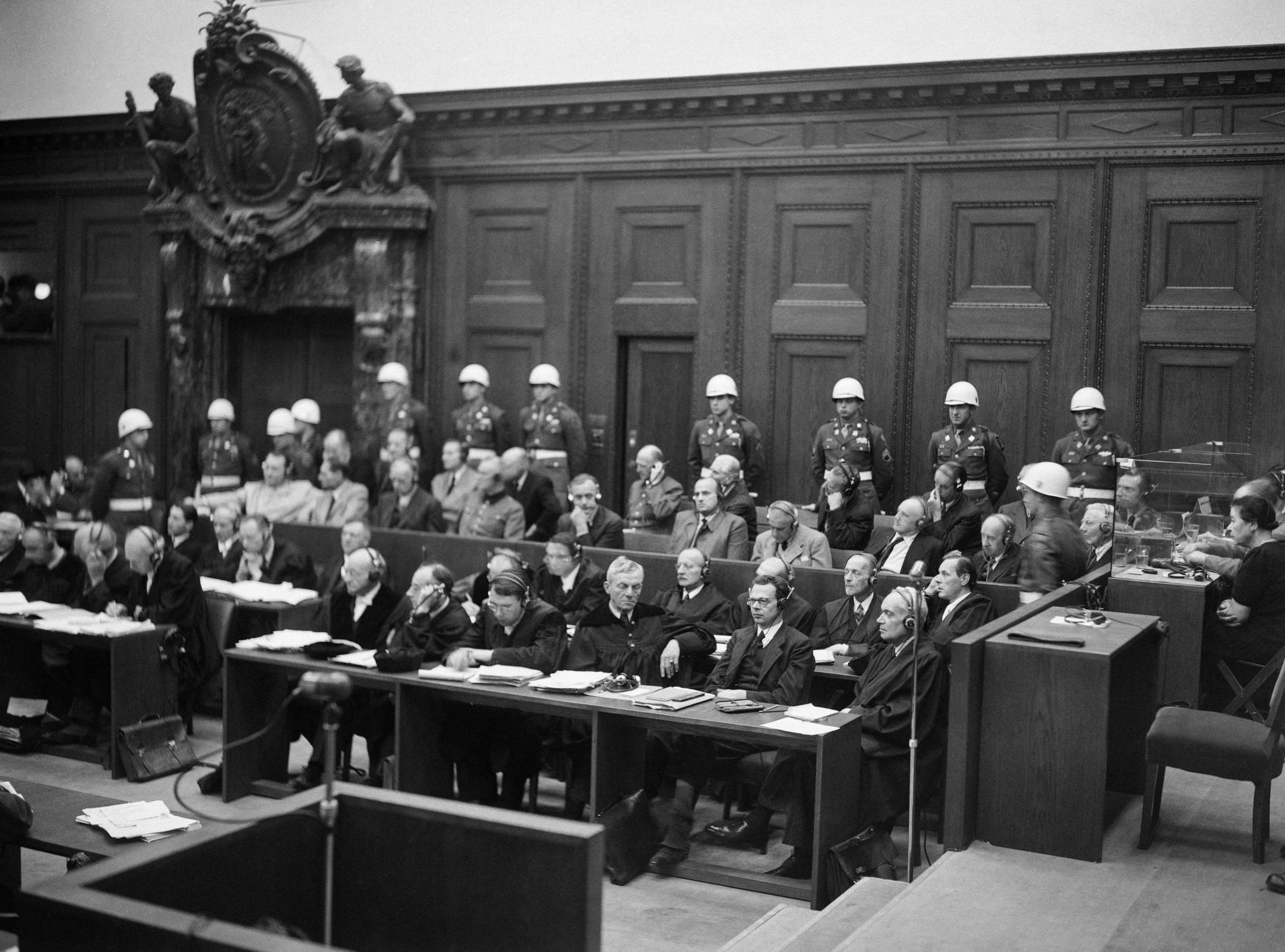
“The interpreters sat directly next to the defendants,” Schmidt-Pikulicki says. “They had to look at these criminals the whole year, leaning back, proud of the crimes they had committed, and translate all these atrocities. Not often, but occasionally, one of them would start to cry or just couldn’t go on anymore ... they drank too much alcohol, they had nightmares.”
Schmidt-Pikulicki also tells me stories of snoring secretaries disrupting proceedings and exhausted journalists being woken up by police officers, and describes a growing tension between those wanting to prolong the trial and those ready to go home.
So why Nuremberg? The decision was reached during the London Conference in August 1945 and mainly reflected practical considerations. Despite being heavily bombed, the city still had a relatively intact courthouse with a prison right next door.
“It was about safety,” Schmidt-Pikulicki explains. “People were afraid somebody could try to free or kill the defendants, but here there was no chance of an ambush.” The prison, including what remains of the old structure, is visible from one of the windows in the museum.
“Another thing you have to consider is that the Allies were not friends,” says Schmidt-Pikulicki. “The only person that kept them together was Hitler, so the moment he was dead, there was no reason to be friendly towards each other.” The trials were often compromises; for example, the tribunal’s permanent seat was in Berlin, under the Soviet sphere of influence, while the trials were held in Bavaria, under American control.
Though not decisive, there was also a symbolic significance to Nuremberg. It was the “city of the Nazi Party rallies” and the place where the Race Laws were introduced in 1935.
I decide to spend the rest of my time at the expansive Rally Grounds in the southeast of the city, just 15 minutes on public transport from the main station. It was here between 1933 and 1938 that the National Socialists flexed their muscles with annual military marches and parades for thousands of spectators.
The tram stops directly in front of the Documentation Center Nazi Party Rally Grounds in the granite-fronted Congress Hall, an imposing horseshoe structure that looks a bit like the Colosseum. Never finished, the building only has three of the planned five floors, and a vast open courtyard where the grand meeting hall should have been. The permanent exhibition, open since 2001, is currently closed for a full remodel and relaunch next year, but the compact interim exhibition is well worth a visit.
From here, you can walk or cycle over to other parts of the grounds, such as the remains of the Zeppelin grandstand and field, which had a capacity of up to 200,000 people, or the almost one-mile-long Große Straße (Great Road). There are information panels in English and German dotted throughout, but it’s a big area to cover and a lot to take in.
Towards the end of the interim exhibition is a short section examining the role of the site as a tourist attraction. A flyer from 2015, which includes the documentation centre as part of a low-cost package with local Christmas markets, is critically presented. “New brochures address the historical site with greater sensitivity,” the accompanying text reads. It echoes some of the sentiment I’ve seen about the new film, which discusses the balance between entertainment, education and authenticity.
“Nothing I can tell you here today excuses the actions of the Nazis,” Schmidt-Pikulicki says. “It’s simply an explanation of what happened.” If the new film tells a gripping story, then a trip to the city helps provide a bigger picture and fill in some of the gaps.
Join our commenting forum
Join thought-provoking conversations, follow other Independent readers and see their replies
Comments
Bookmark popover
Removed from bookmarks