Underground Paris is the city at is most intriguing
Looking to escape the rainy weather, Anna Richards finds beautiful architecture and mysterious history beneath her feet in the French capital

I was 15 when I first went to Paris. It was a school trip, and I wore a miniskirt that barely covered my thighs with a brown beret. I felt the epitome of Parisian chic.
We spent the trip crossing off all the bucket list activities, which largely consisted of getting up as high as possible. Climbing the Eiffel Tower, taking in the view of the Parisian skyline from the Sacré-Coeur, a cruise on a bateau mouche to the soundtrack of Joe Dassin’s “Les Champs-Élysées”. I had no idea that there was an entire other city below my feet.
Heading to a rooftop bar and watching the city crackle to life each night is undeniably magical, but I’ve got a deliciously morbid fascination with Paris’s underground. Plus, it’s weatherproof, and no matter what the French tell you, it rains a lot in Paris.
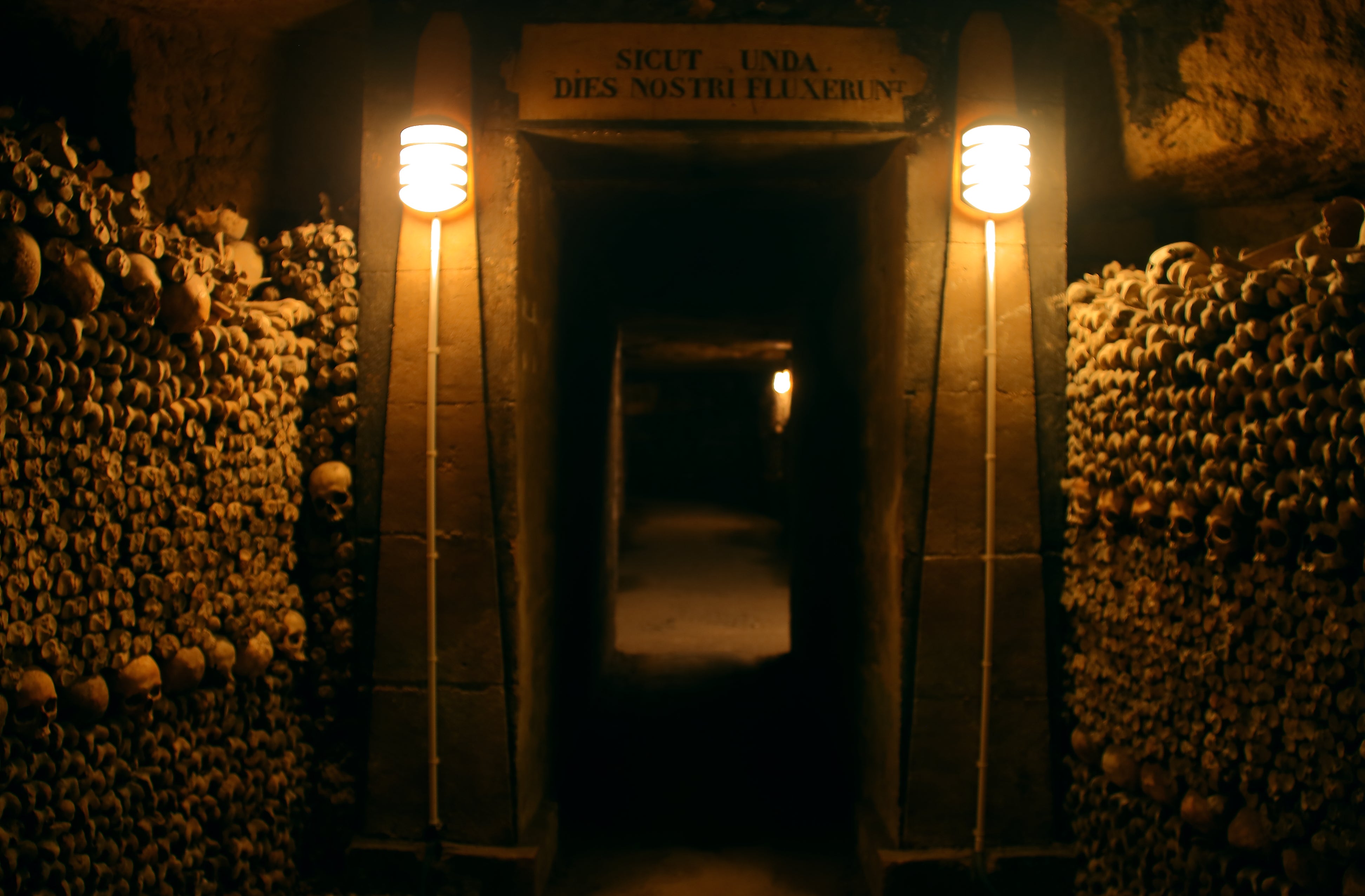
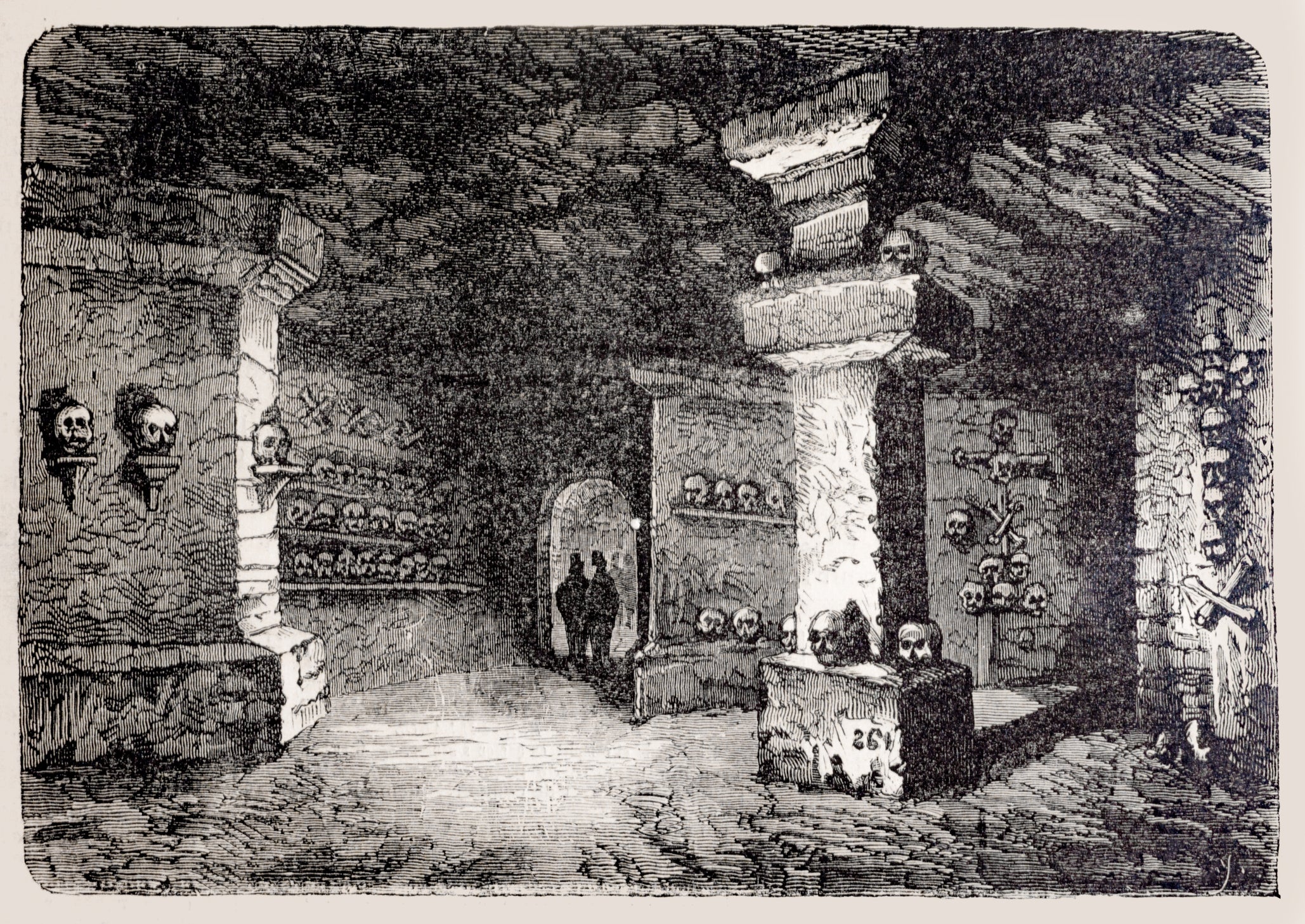
The tunnels that form the catacombs might be some 800 years old, but they were only transformed into an ossuary in the late 18th century to solve the overcrowding and hygiene problems posed by Paris’s open-air cemeteries. It wasn’t long before they became a tourist attraction, opening to the curious public by appointment in 1809.
Read more: Where to drink in Paris
Even Napoleon III was a “necrotourist”, taking his son on an upbeat father-son day out in 1860. The visit lasts a little over an hour and an audioguide is included with the entry ticket.
It’s a good idea to book in advance, particularly since they’re closed for renovations until spring, so there’ll likely be even more crowds than normal when they reopen. The part that’s open to the public is also only a fraction of the catacombs and many of my Parisian friends tell stories about illicit raves in their spaces.
Last month I was in Paris with very little money. In my head I was Les Miserables’ Fantine, but actually it was the result of Christmas gift shopping and some very expensive car repairs. It was also raining – quelle surprise. Luckily, you can see some of Paris’s prettiest underground sites for just €2.50 (£2.15), or the price of a metro ticket.
Metro tickets in Paris are valid for up to two hours and you can cover a lot of the most beautiful stations in that time, because many of them are in the same area. I used two tickets, because, distracted by all the sculptures, I accidentally walked out of the station at Louvre-Rivoli. Pick a quiet time of day, otherwise you risk seeing sweaty commuter armpits rather than classical sculptures and paintings.


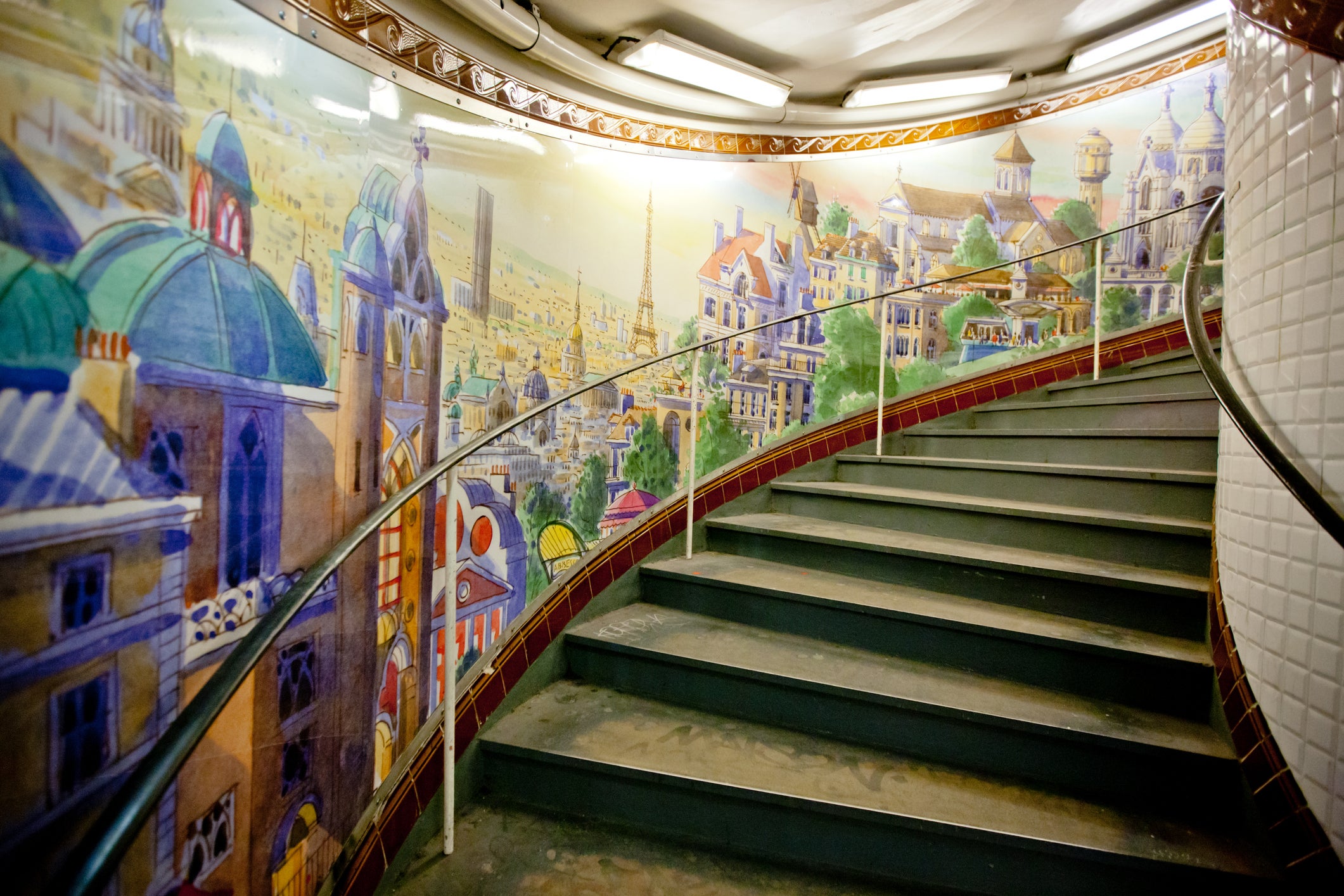
I began at the deepest metro station in Paris: Abbesses, Montmartre, on Line 12. I thought this was tactical, because the charm of Abbesses is that the 176 stairs are lined with photos and murals like an art exhibition and I’d rather walk down so many steps than up them. The problem was that there were two staircases, one with photos of Montmartre and the other paintings by local artists, so I ended up walking down the stairs, up them and back down again.
From here I went to Liège station, where 18 paintings of landscapes on ceramic tiles showed scenes of its Belgian counterpart. Then it was back onto Line 12 and south to Concorde, which is a bland station on all lines except this one. The domed station looks like a giant wordsearch, but the text is actually The Declaration of the Rights of Man and of the Citizen, the French Revolution’s human and civil rights document.
After accidentally leaving the metro at Louvre-Rivoli, where the exhibition starts in the subway, I walked to Châtelet and caught Line 11 to Arts et Métiers. This is Paris metro’s cover star. Entirely copper plated, with cogs on the ceiling, it’s like standing inside a machine and was inspired by Jules Verne’s fictional submarine Nautilus. I finished up at plant-filled Gare de Lyon, always a welcome dose of oxygen underground.
Read more: This French Riviera town is perfect for an art-filled getaway
Even grittier than the catacombs and the metro are the sewers. Rémy from Ratatouille’s hangout was a popular attraction even when it was fully functioning and Parisian high society took sewer tours as early as 1867. Now the Musée des Égouts (Sewers Museum) includes morbid exhibitions on Paris’s sanitation and what life was like for sewer workers, even showcasing the uniforms they used to wear.
Canal Saint-Martin, in eastern Paris, is one of the liveliest parts of the city, and there’s no better place for a drink in a waterside beer garden on a balmy evening. If dead bodies, subway stations and human waste doesn’t sound very holiday-like, try a cruise down the canal. Many sections pass through underground tunnels, where holes in the roof eerily spotlight the green water. ‘Afterwork’ cruises include a DJ, drinks and tapas: much cooler than listening to Joe Dassin with hordes of overexcited schoolchildren.
How to do it
Hotel Pulitzer Paris has doubles from £300, room only. The metro is a five-minute walk away.

.png?quality=75&width=230&crop=3%3A2%2Csmart&auto=webp)

Join our commenting forum
Join thought-provoking conversations, follow other Independent readers and see their replies
Comments
Bookmark popover
Removed from bookmarks