WTF: What the future of travel looks like for the year ahead
From off-radar cities to trips built around one perfect moment, the way we travel in 2026 is changing. Here’s how

Are we done with viral hotspots? According to travel comparison site KAYAK’s WTF (that’s What The Future, by the way) 2026 trends report, the era of copy-paste travel may finally be winding down. Not because people are travelling less – quite the opposite – but because they’re travelling differently.
Drawing on billions of user searches, an independent survey from more than 14,000 Gen Z and Millennial travellers - including over 2,000 next-gen UK travellers - and exclusive TikTok community insights, KAYAK’s report shows a shift away from headline destinations and performative travel. In their place? Shorter breaks, quieter cities, better value and experiences that feel personal rather than pre-approved.
Here’s what that looks like in practice, and where those trends could take you.
Not-yet-Tok’d
The next “it” destination, it turns out, is the one you haven’t already seen 50 times on your phone. According to KAYAK, 71 per cent of Gen Z and 75 per cent of Millennials actively want to visit places they’ve never been before, while TikTok posts tagged #hiddengems are up more than 50 per cent. Saturation is the new turn-off.
Cork fits that brief neatly. Long treated as a stopping point on the way to somewhere else, Ireland’s second city still flies under the algorithmic radar. Yet it rewards curiosity in small, satisfying ways: a walkable centre, a burgeoning food scene and easy access to coastline and countryside without the fanfare.
2026 will be the year of the ‘in-the-know’ traveller - with travellers knowing where the next headline topping festival is, or spotting a gem before it hits the feed
Base yourself near Shandon rather than around the busier quays, and start the day with a stroll along the River Lee before the city fully wakes up. For dinner, follow locals to the English Market at lunchtime, then head out to Ballycotton or Garretstown the next morning.
Booked now, paid later
Travellers aren’t cancelling trips in 2026, they’re financing them more creatively. Nearly 30 per cent of Gen Z and Millennial travellers say installment plans will determine how many trips they take, while KAYAK data shows international fares from the UK sitting almost exactly where they were last year. Add a 52 per cent rise in the use of flight price alerts and the picture becomes clear: deal-hunting has gone mainstream.
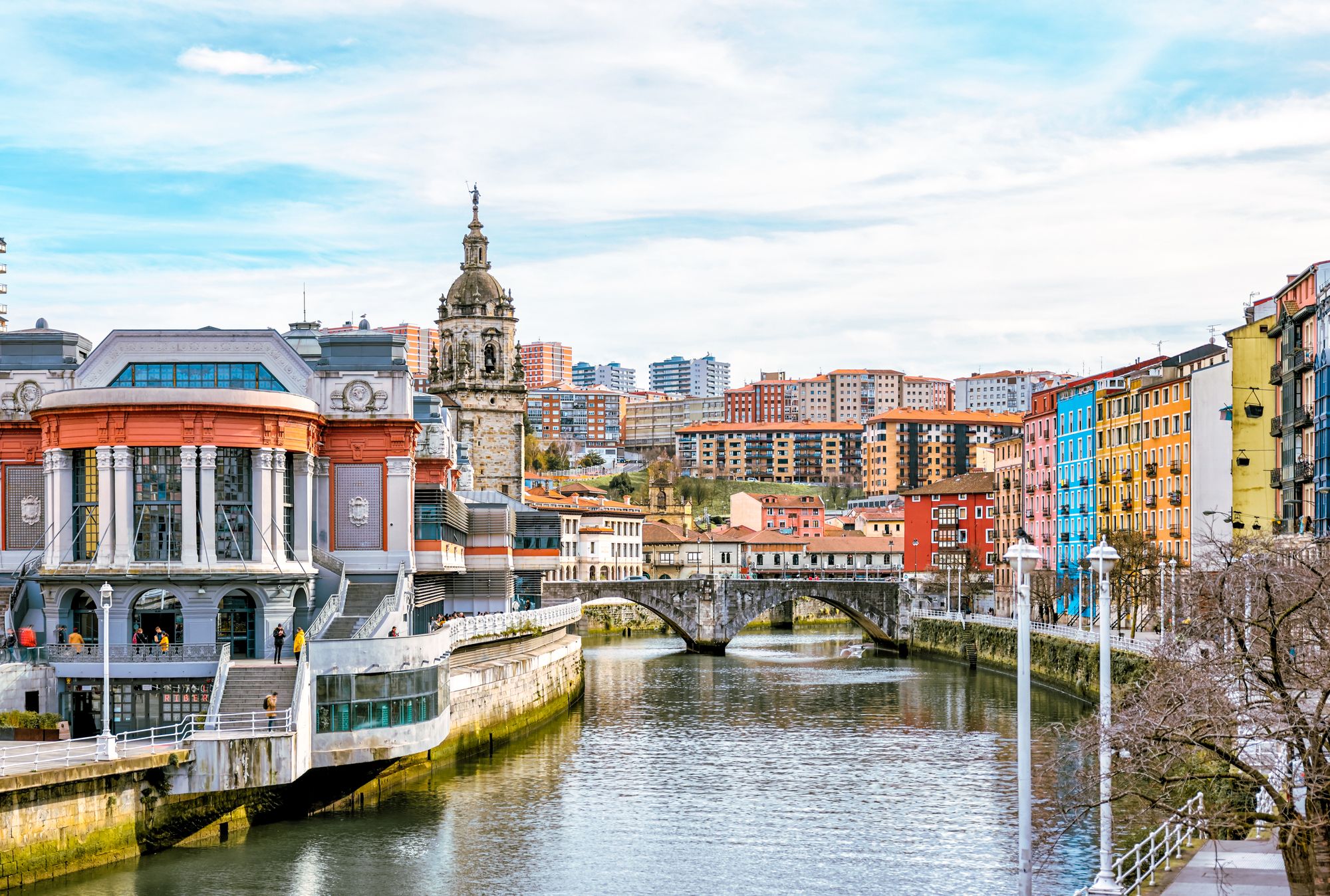
This shift favours cities that deliver substance without sticker shock. Bilbao still fits the bill, but it’s the city’s everyday pleasures that offer the real value. Skip the Guggenheim café and eat at Gure Toki or Sorginzulo for pintxos done properly. Better still, cross the river into Deusto at lunchtime, where menus del día feel resolutely local and prices soften noticeably. Savvy travellers are stretching budgets without sacrificing experience, and places like Bilbao are making it easy for them.
Awe-tineraries
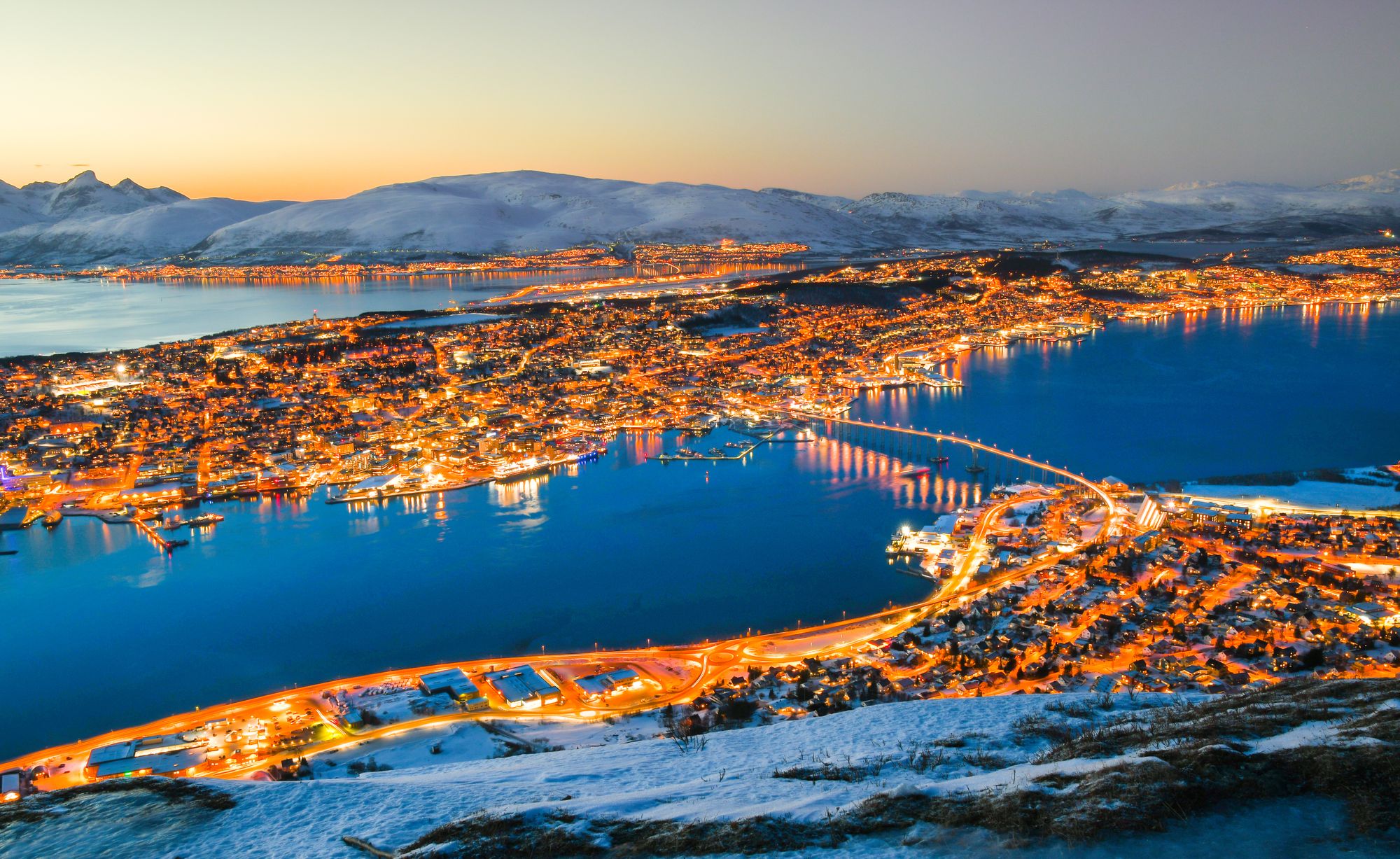
Forget souvenirs. In 2026, it’s goosebumps people are packing for. More than half of travellers say natural wonders will shape their plans, and 34 per cent list awe-inspiring experiences as a top priority. That’s driving renewed interest in northern landscapes, but not always the obvious ones.
While Tromsø continues to top bucket lists, travellers looking for something fresher are turning towards Christchurch, New Zealand as a gateway rather than a destination in itself. From here, the night skies of the Canterbury plains offer serious dark-sky credentials without the premium price tags of more famous stargazing spots. Pair it with a drive to Lake Tekapo or a night at Mt John Observatory, and prepare to be amazed as the universe puts on one of its more impressive galactic light shows.
Your pal, AI
AI has officially replaced your mate who “went once and loved it”. Nearly six in 10 travellers say they’d change destination if AI suggested somewhere better, and half would do so for a better deal. Notably, 44 per cent of AI prompts are now about value, not inspiration.
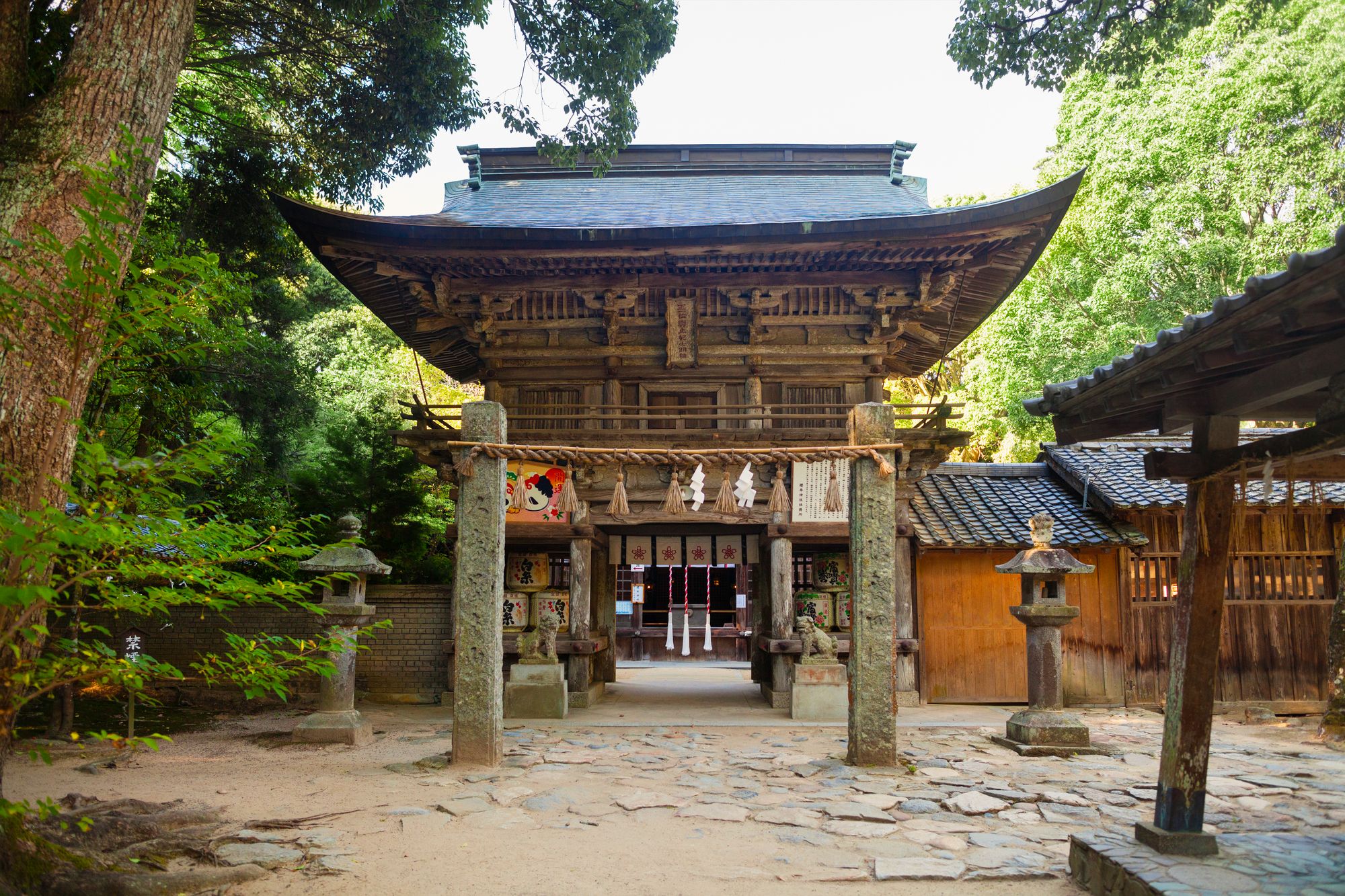
AI can also steer travellers toward lesser-visited cities that prioritise authentic, local experiences over familiar tourist circuits. Fukuoka, in particular, remains one of the country’s most liveable and engaging destinations, offering a compelling blend of modern convenience and rich cultural heritage. Base yourself near Hakata Station for better-value hotels, then eat like a local at the yatai food stalls along the Naka River. It’s informal, affordable and far more revealing than a booked-out tasting menu. Leveraging AI-led planning tools helps today's savvy travellers to unlock the city's true potential, moving beyond generic guidebook recommendations.
Wellth trips
Luxury, redefined, looks suspiciously like a good night’s sleep. KAYAK’s report shows 69 per cent of Gen Z and Millennials travel primarily for mental reset, while wellness-led luxury continues to rise. The emphasis has shifted from showing off to switching off.
The Greek island of Zakynthos excels here, particularly inland. Head to villages such as Kiliomenos, where evenings are cooler and dinner at family-run tavernas like Latas stretches lazily into the night. No playlists, no dress code, just plates refilled without fuss. For one in five travellers, it’s the small comforts that matter most: a quiet morning, decent coffee, and nowhere you’re expected to be. Wellness travel isn’t about spa breaks and luxury escapes anymore; it’s about coming back better than you left.
Little big trips
The big-city rush is out. In 2026, 84 per cent of younger travellers say they’d rather visit a smaller city or rural area than a major hub. Lower prices help, but the real appeal is authenticity that doesn’t need explaining.
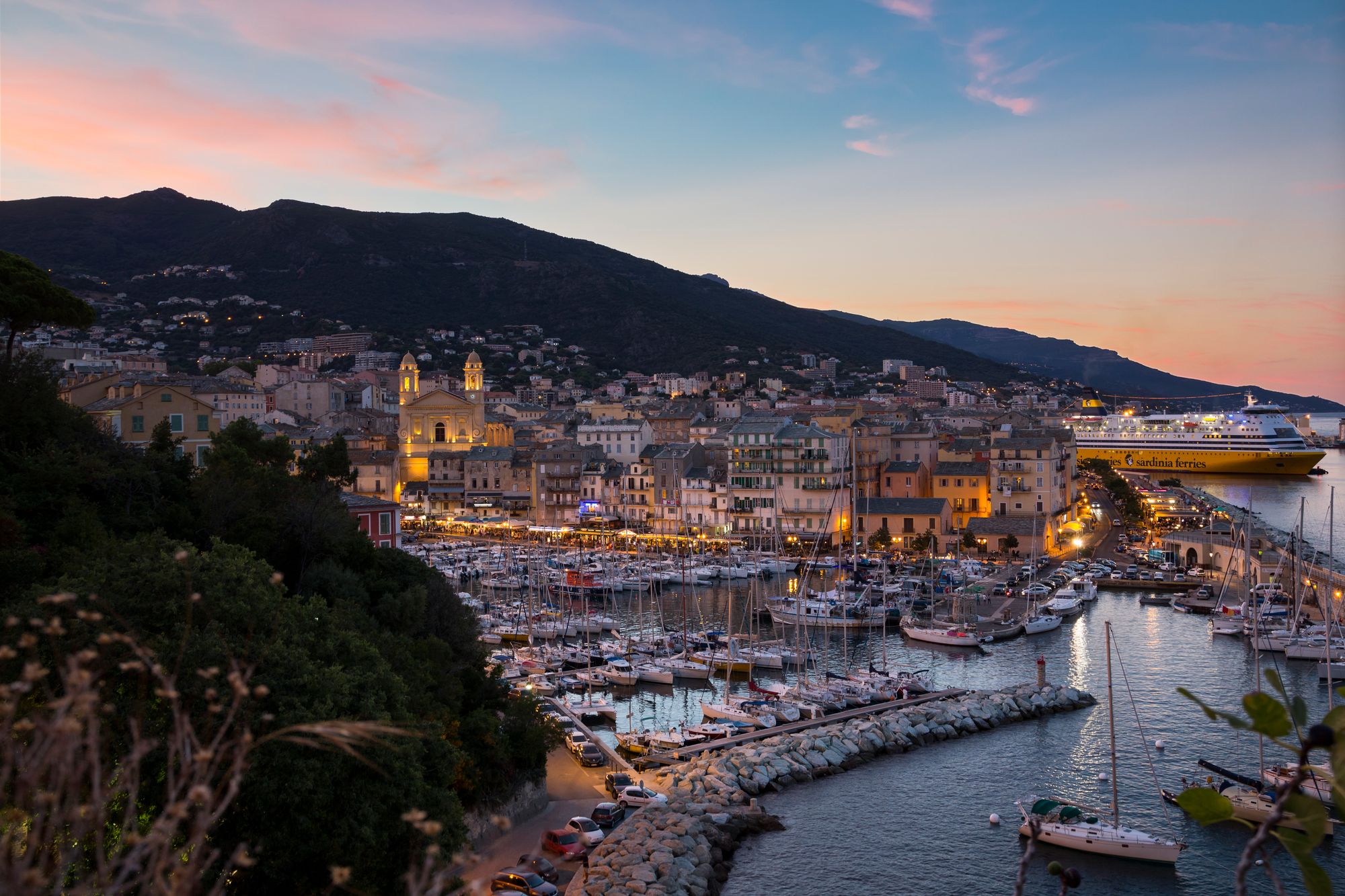
Bastia, in northern Corsica, perfectly exemplifies the trend. Mornings on the old port unfold naturally with fishermen unloading and café chairs scraping into place. Walk up to the Citadelle before the heat builds, then lunch at U San Ghjuvà for unfussy Corsican cooking. These are places where life hasn’t been edited for visitors. Yes, social media still nudges people towards them, but only once they’re already halfway there.
The main event
In 2026, the destination is wherever the action is. An overwhelming 95 per cent of Gen Z and Millennials plan to travel for a major event, whether that’s a concert, a sporting tournament or a once-in-a-lifetime performance.
Cities that flex around calendars are winning. In Canada, Toronto works as a terrific base. But those thinking ahead are looking beyond the obvious to places like Halifax, where festivals, touring acts and sporting events are easier to access and far less inflated by demand. Stay near the waterfront, eat at The Bicycle Thief, and let the event anchor the trip rather than dominate it.
Headspace holidays
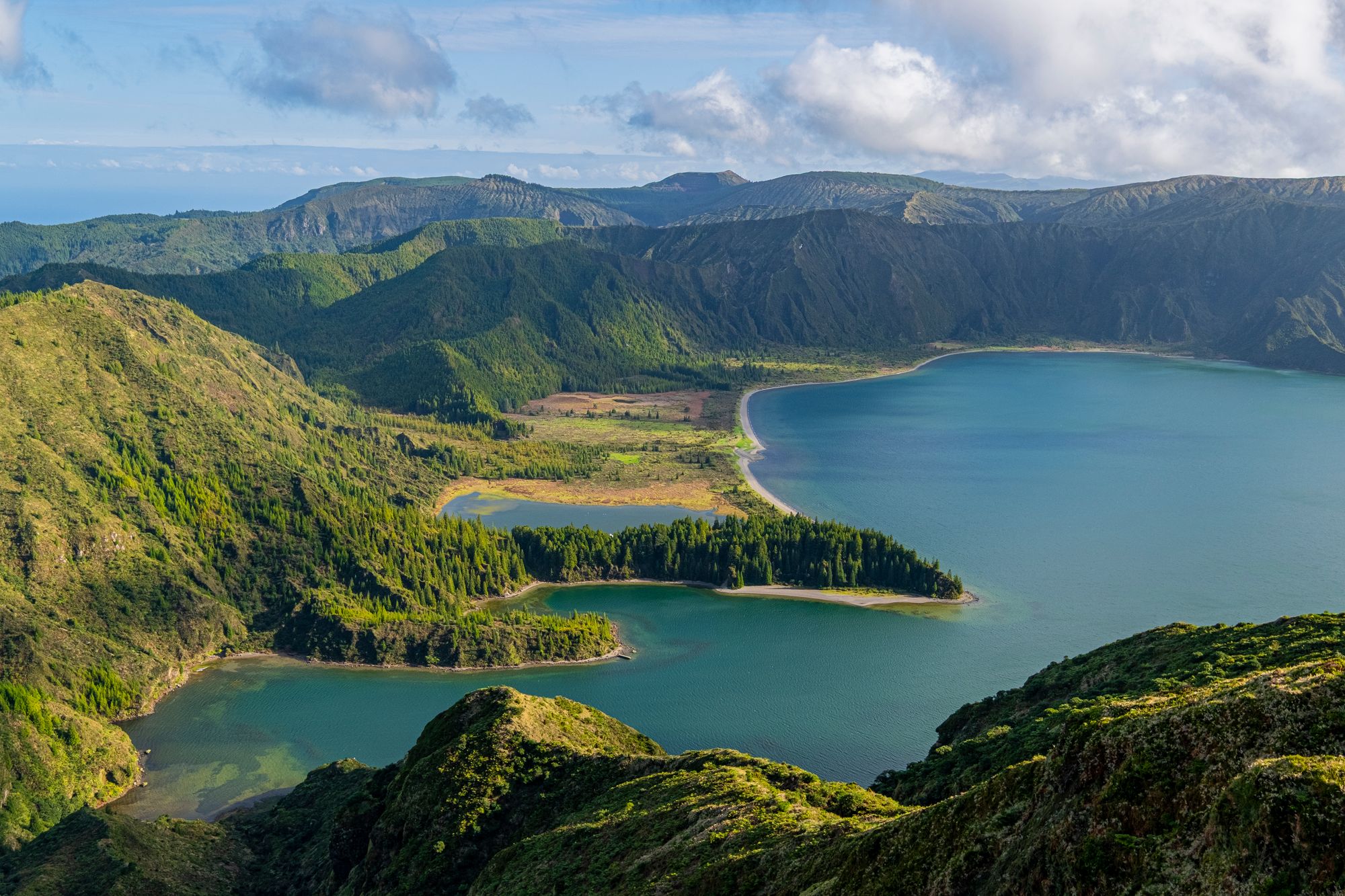
Over half of travellers say slower travel helps clear their head, and #slowtravel content has surged by almost 330 per cent on TikTok. But the aim isn’t inactivity, more a break from decision-making.
The Azores remain a benchmark, but similar benefits can be found in places like Praia in Cape Verde. The rhythm is gentle, the beaches walkable, and long lunches at Quintal da Música turn into evenings almost by accident. Headspace holidays aren’t about ticking boxes, they’re about removing friction and the demand for constant optimisation.
Soft adventures
Adventure hasn’t disappeared, it’s simply grown up. Nearly one in four travellers now combine light outdoor activity with proper rest, while searches for amenities like terraces, hot tubs and gyms continue to rise. The Great Outdoors is now more likely to be paired with a Quite Decent bottle of wine.
Hilo, on Hawaii’s Big Island, captures that softer approach to adventure perfectly. Base yourself here and mornings might mean walking the edge of Hawaiʻi Volcanoes National Park or taking an easy hike through the stunning scenery of Akaka Falls rainforest. Afternoons are for slowing down: soaking in naturally warmed ocean pools, lingering over poke bowls or fresh fish, and letting yourself reset.
Nanocations
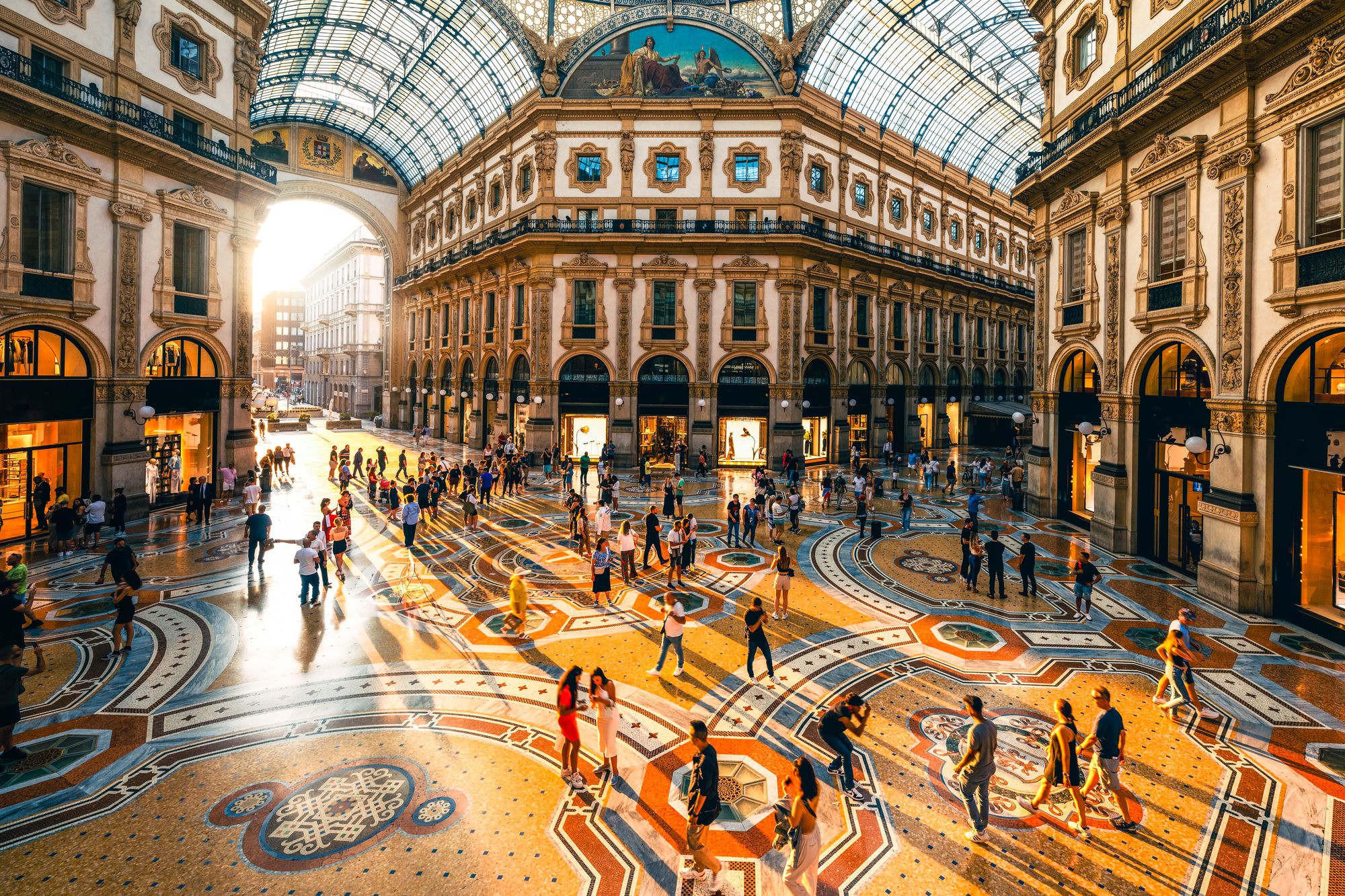
Who says holidays have to be long? Nearly two-thirds of travellers plan to take several shorter trips in 2026, with searches for one-to-four-day breaks continuing to rise. The appeal is immediacy: quick resets, minimal planning and maximum reward.
Milan makes for an excellent Nanocation. Trains run on time, neighbourhoods are compact, and finding good food rarely requires much research. Rather than chasing the Duomo and moving on, spend a night in areas like Isola or Porta Venezia, where the city feels lived-in rather than visited. Grab a seat for aperitivo along the Navigli as the working day winds down, eat late without ceremony, and walk everywhere. Milan rewards restraint; do it right, and even 24 hours can feel like a proper break.
With billions of user searches across its platforms, KAYAK helps travellers find their perfect flight, stay, rental car or holiday package. Download the app here and start exploring.
Bookmark popover
Removed from bookmarks