Scientists invent ‘perfect plastic’ that produces zero microplastics
Made from plant cellulose, the new plastic is as strong as conventional petroleum-based plastics
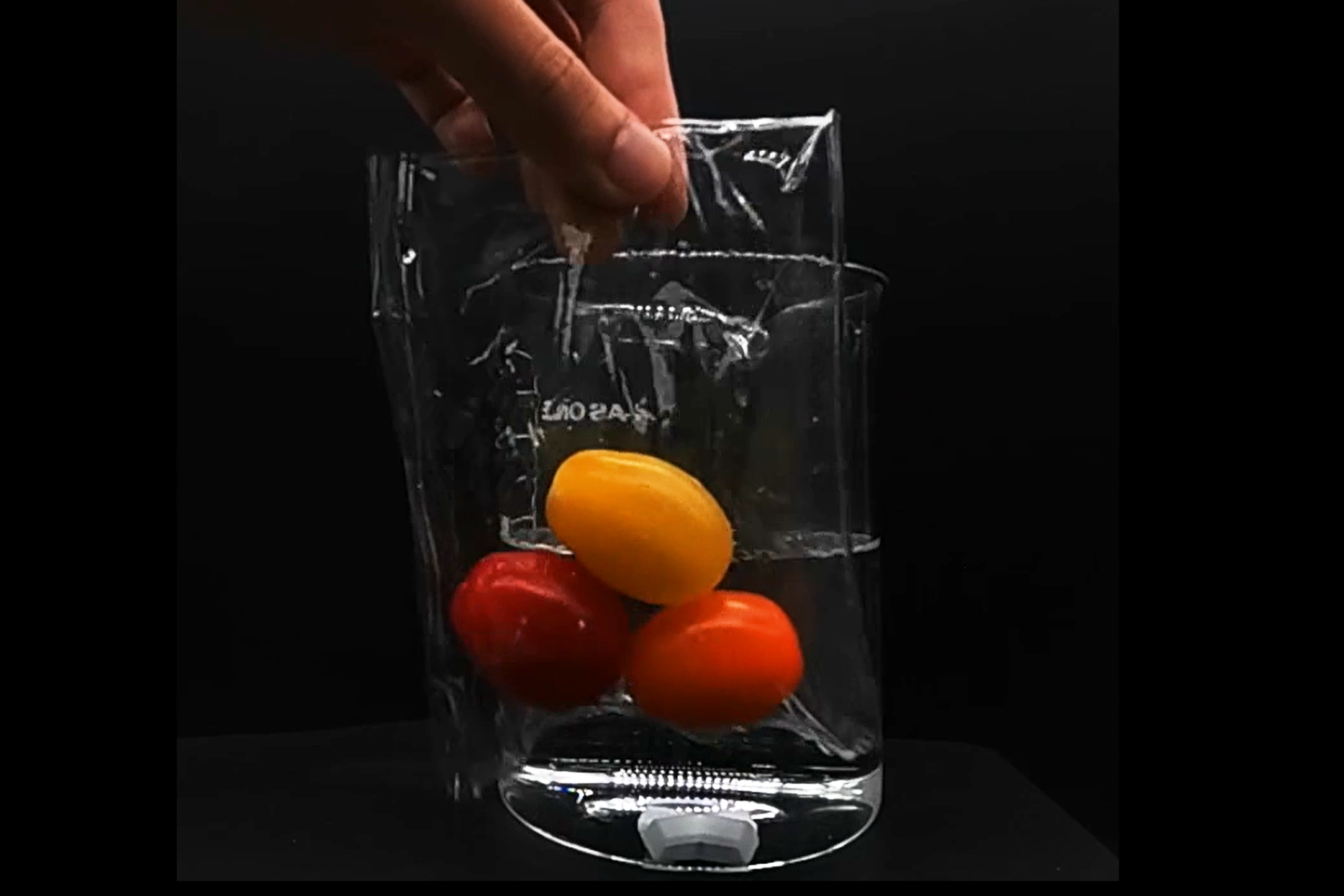
Researchers in Japan have invented a new type of plant-based plastic that fully degrades in seawater without leaving behind any microplastics.
Made from plant cellulose, the world’s most abundant organic compound, the plastic is also able to decompose in other natural environments without contaminating soil or harming animals and plants.
The research team behind the discovery say this makes it a “perfect plastic” that goes beyond other plastics that market themselves as biodegradable.
“Nature produces about one trillion tons of cellulose every year,” said Takuzo Aida, a chemist at the Riken Center for Emergent Matter Science (CEMS), who led the research.
“From this abundant natural substance, we have created a flexible yet tough plastic material that safely decomposes in the ocean. This technology will help protect the Earth from plastic pollution.”
The researchers say the new carboxymethyl cellulose supramolecular plastic, dubbed CMCSP, is as strong as conventional petroleum-based plastics and can be modified in the same way without losing its transparency or dissolvability.
It is not the first type of cellulose-derived plastic, however it is the first to degrade quickly without leaving behind microplastics – a global contaminant found in nearly every ecosystem.
In 2022, the UN Environmental Assembly proposed a Global Plastic Pollution Treaty to cut plastic production and “end plastic pollution”.
The treaty was due to be finalised in August 2025, however no agreement was concluded after negotiations failed.
Several prominent activist groups have been vocal in their support for a global treaty, with Greenpeace setting up a petition calling on governments to act decisively to address the issue.
“Microplastics are everywhere – lurking in our food, water, and even the air we breathe,” the petition states.
“Disturbingly, these tiny particles have now been found inside our bodies.While the world lurches from crisis to crisis, microplastics are silently infiltrating our lives, our communities and our planet. It’s time to react.”
The new type of plastic was detailed in a study, titled ‘Supramolecular Ionic Polymerization: Cellulose-Based Supramolecular Plastics with Broadly Tunable Mechanical Properties’, published in the Journal of the American Chemical Society.
“While our initial study focused mostly on the conceptual, this study shows that our work is now at a more practical stage,” said Professor Aida.
The researchers are now hoping to move quickly to practical, real-world applications for the new plastic.
Join our commenting forum
Join thought-provoking conversations, follow other Independent readers and see their replies
Comments
Bookmark popover
Removed from bookmarks