The Independent's journalism is supported by our readers. When you purchase through links on our site, we may earn commission.
Nasa wants to put a nuclear reactor on the Moon, reports claim
Space agency has suggested that reliable power will be key to plans to live on the Moon and eventually Mars
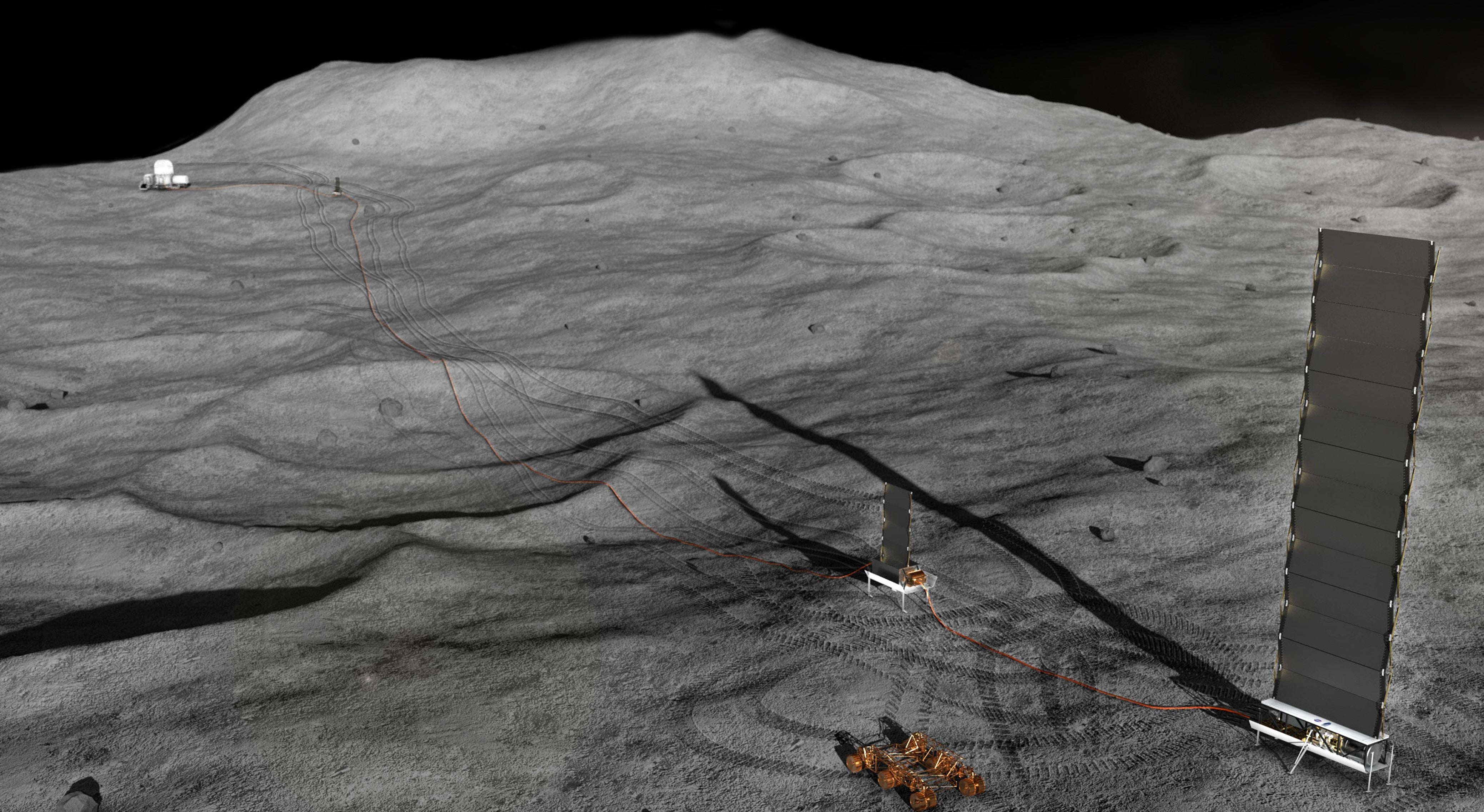
Nasa is planning to put a nuclear reactor on the Moon, according to reports.
The agency has been instructed to “move quickly” to achieve the technology by Sean Duffy, the secretary of transportation who is serving as the interim head of Nasa.
“To properly advance this critical technology to be able to support a future lunar economy, high power energy generation on Mars, and to strengthen our national security in space, it is imperative the agency move quickly,” he wrote to staff, according to the New York Times. The plans were first reported by Politico.
He warned that China and Russia plan to put their own reactor on the Moon by the mid-2030s, with a view to building a base together. If they do, then they could restrict the US building one by declaring “a keep-out zone”, he warned.
It asks for a Nasa official to be appointed to oversee the effort in the next month, and gives a deadline of two months for commercial companies to send in proposals. It asks for a nuclear reactor to be ready to launch in 2029, with the ability to power 80 households.
Last year, Nasa said it had made progress on its “Fission Surface Power Project”, which aims to produce a concept design for a reactor that could be demonstrated on the Moon and could help with future designs for journeys to Mars.
It said then that the technology would prove useful given the cold and dark nature of the lunar night, which last over two weeks and could prove technically challenging.
Since then, Nasa has adjusted its focus even further towards human spaceflight, and away from robotic rovers and other associated scientific work. The new directive did not specify which Moon trips it might be taken on or what operations it would help power.
Join our commenting forum
Join thought-provoking conversations, follow other Independent readers and see their replies
Comments
Bookmark popover
Removed from bookmarks