Torvill and Dean: ‘Britain could finally win Olympic gold for figure skating again’
As the clock ticks down to the Winter Olympics, recently knighted ice dance legends Jayne Torvill and Christopher Dean tell Flo Clifford why Britain has never been closer to a first figure skating medal in 30 years – and how much the sport has changed since the 1980s

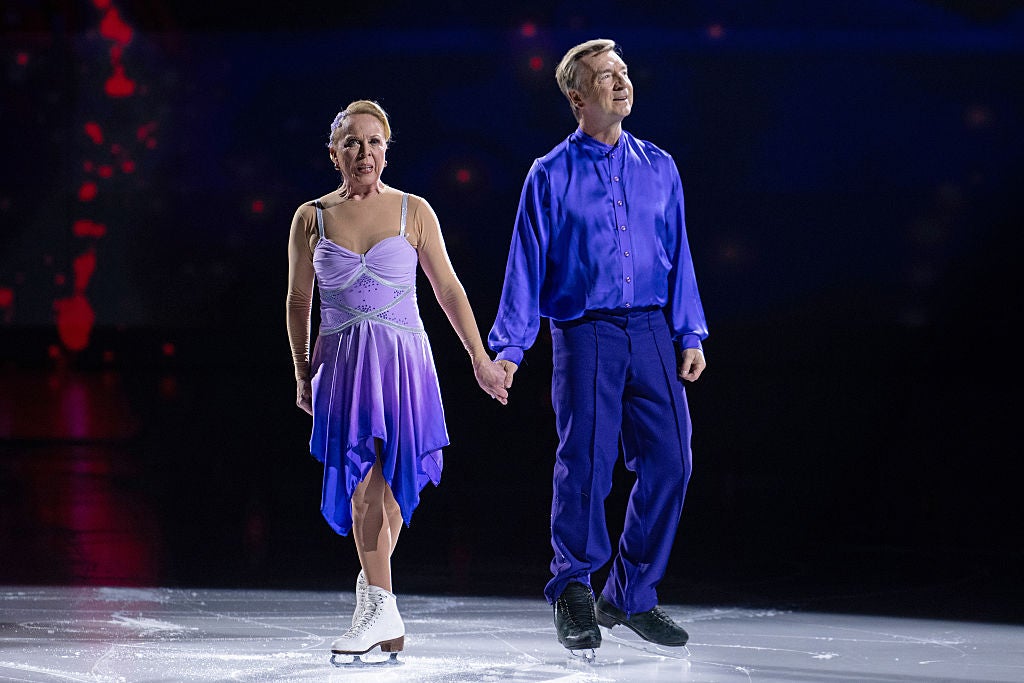
In 1984, British ice dancers Jayne Torvill and Christopher Dean brought home an Olympic gold medal. In doing so the pair brought figure skating into the national consciousness, making themselves household names, as more than 24 million people in the country watched their triumph to the soundtrack of Maurice Ravel’s “Bolero”.
Over four decades later, British figure skating is on the cusp of another breakout moment.
Lilah Fear, 26, and Lewis Gibson, 31, recently broke Torvill and Dean’s record number of British championship titles, sealing their eighth. They also followed in their footsteps at the 2025 World Championships, becoming the first British figure skaters to seal a world medal – bronze – since the Nottingham-based pair won gold in 1994 at the European Championships.
Torvill and Dean themselves believe the sport is in good hands, and a first Olympic medal in 30 years is a distinct possibility in Milan-Cortina next month: an achievement which would put figure skating back on the map. American three-time world champions Madison Chock and Evan Bates, Canadians Piper Gilles and Paul Poirier, and France’s Laurence Fournier Beaudry and 2022 Olympic champion Guillaume Cizeron are the major names standing in the way.
“It’s on a knife-edge,” Dean, 67, tells The Independent. “It’s so finely balanced that any slight infringement or mistake, the scrape of an edge or a half-second over time in a lift, these minute things can make all the difference.”


“I don't think people understand what that four minutes [in the free dance, the second of two performances in a competition] can mean. Your whole competitive career is geared around just two skates now, and that free dance can be everything or it can be a disaster. It’s make or break on that four-minute skate.”
Torvill, now 68, agrees: “Even on a bad day it’s going to be better than the others [lower down the standings], which bodes well for Lilah and Lewis because they’re very consistent in competition, they very rarely make any mistakes.
“I think they’re somewhat the underdogs in the top three, top four, and can go out and really not be afraid of it. I think they’ve got nothing to lose here.”
This weekend’s European Championships, held on home soil in Sheffield, is the final major competition before Milan-Cortina. Fear and Gibson took bronze in Tallinn last year after silver in the two previous editions, and a similarly strong performance “can set the mood for the Olympics”, Dean says. A win over their French rivals would make the perfect statement.
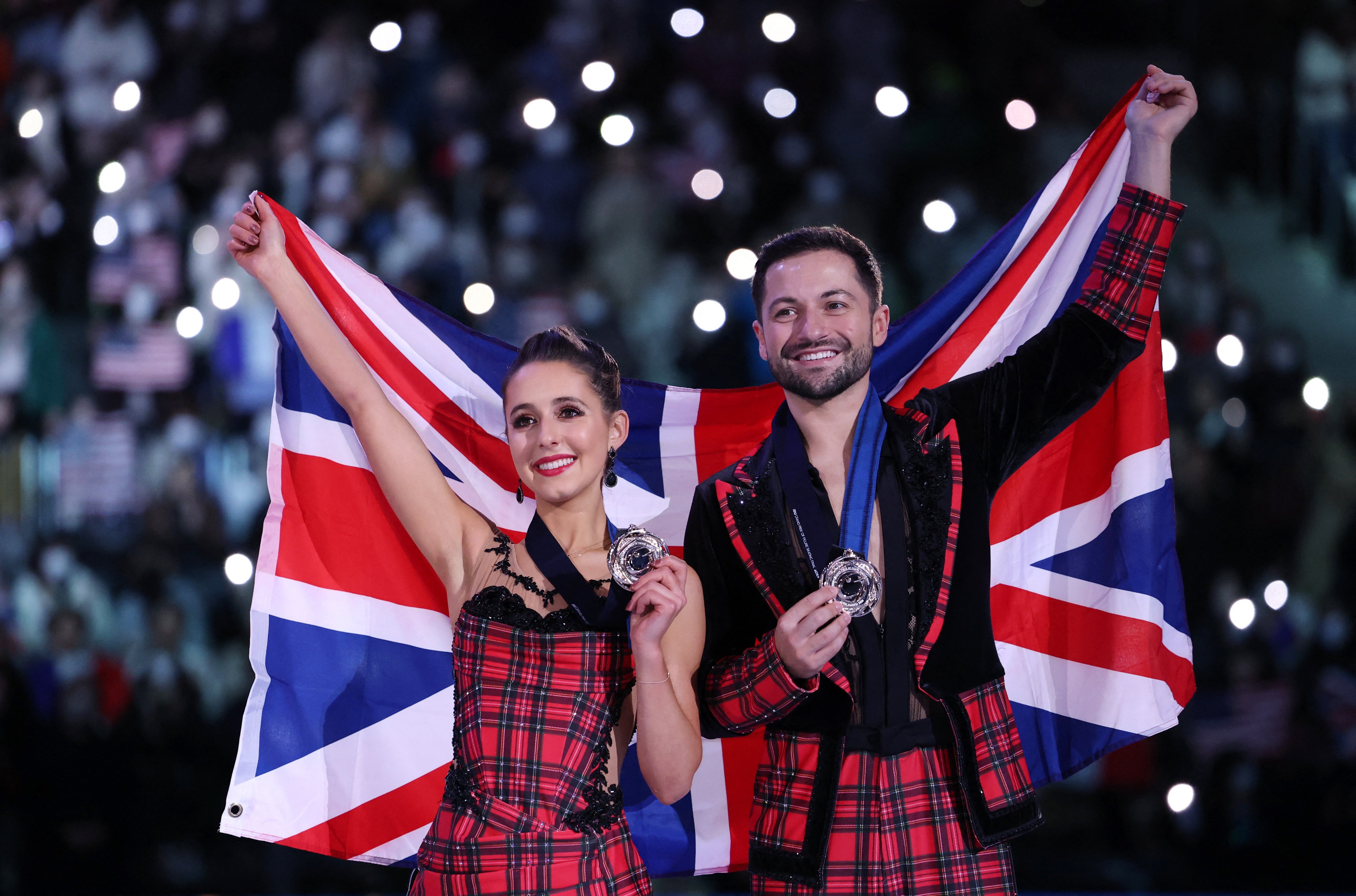
Whatever happens this weekend, Fear and Gibson have never been in a better position heading to the Olympics: the pair top the world ice dance rankings and won bronze for the second year running in December’s Grand Prix Final, a head-to-head between the top skaters in the world.
Dean has a bold prediction: “I think if they finish first, they may retire at that point. But if they’re in any other position, I think they would want to continue for another Olympics. I hope they do continue because it will be amazing for British ice skating.”
It’s not just the weight of history on their shoulders, but the unique pressure of an Olympic Games. Torvill says: “It does have a special feel. You’re with your British Olympic team. You feel part of something much bigger and grander.”
It is, of course, something the pair are wholly familiar with. After their 1984 gold, they went on to win the world championships for the fourth year in a row, again skating to “Bolero”. After a stint on the professional circuit – which made them ineligible for Olympic competition – they returned 10 years later in Lillehammer, when the rules were changed.
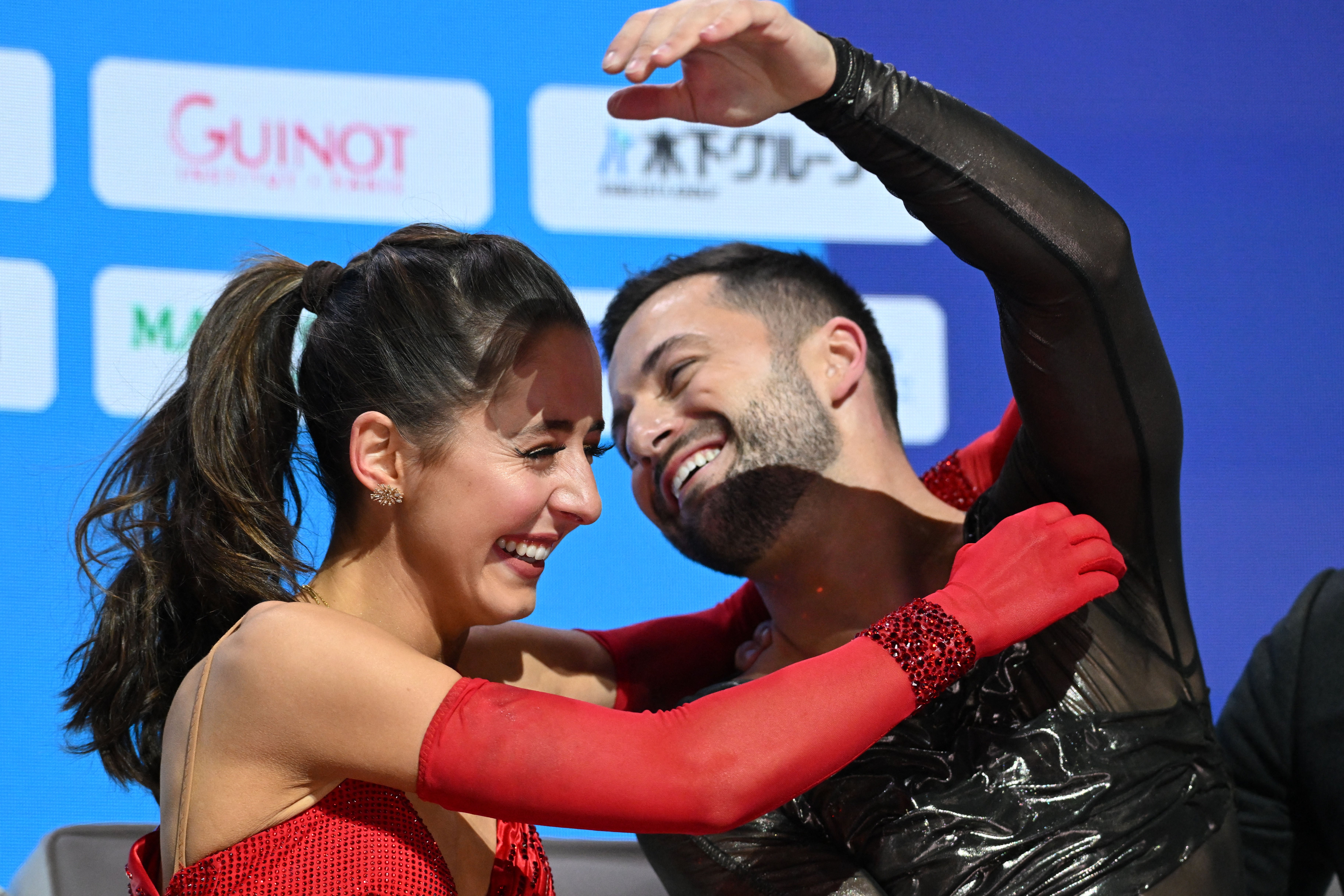
The sport has changed dramatically since their revolutionary performance in Sarajevo, and the two believe that the increasingly rigid criteria for routines mean there is little room for the creativity and flair that they were famous for.
Dean says: “It’s a technical exercise of how you’re trying to get the maximum amount of points, and there’s no aesthetic to it. It’s very athletic now, it’s very almost gymnastic. The skating is very strong, but I just think there’s a creative side that is less than it used to be.”
Torvill agrees: “I think by having to include all these elements and steps, it does limit how creative each couple can be. [A certain element] might not have anything to do with their music, but they’ve got to include it, because that’s the criteria.”
The scoring system is also totally different: gone are the perfect sixes and in place are a series of increasingly arbitrary numbers with seemingly no maximum score. “When it used to be a 6-0, people knew that that’s almost perfection, that’s as good as it can get, and now it's not that at all. I just think that the audience have been left behind,” Dean says.
Torvill interjects: “I’ve been left behind if I’m perfectly honest – I don't fully understand the scoring system any more!”
“Well, you let go of it like 30 years ago,” Dean jokes.
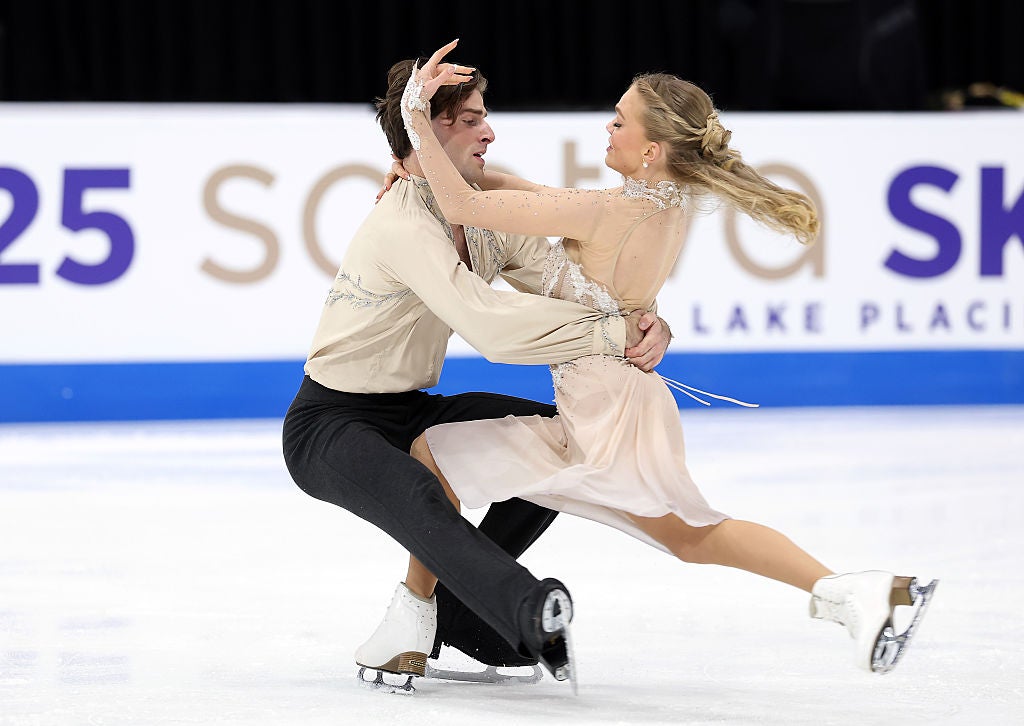
While the sport continues to evolve, for better or for worse, the future looks bright from a British perspective. Fear and Gibson are serious contenders, while 20-year-old Phebe Bekker and her ice dance partner, 24-year-old James Hernandez, are “waiting in the wings”, with the pair making their Olympic debut this year.
Ice dance is “more of an evolution than a revolution”, Dean warns: “You’ve got to do your time, so to speak, but usually after an Olympics, there’s several couples that retire, and that automatically pushes them up the ranks. I think they’re definitely future medallists at European and World Championships.”
Torvill says that September’s Bolero Cup – named after the pair, naturally – in Sheffield was notable for the amount of British talent on display. “I’m quite hopeful,” she says. “It feels positive that we might get a good run of ice dance couples and medals.”
It feels fitting that this renaissance comes as Torvill and Dean hand the baton over to the next generation. The pair officially hung up their skates last July after one final tour to celebrate 50 years of skating together. “I've been busy,” Torvill says of life as a retiree, “I don’t know how I fitted all the skating in!”
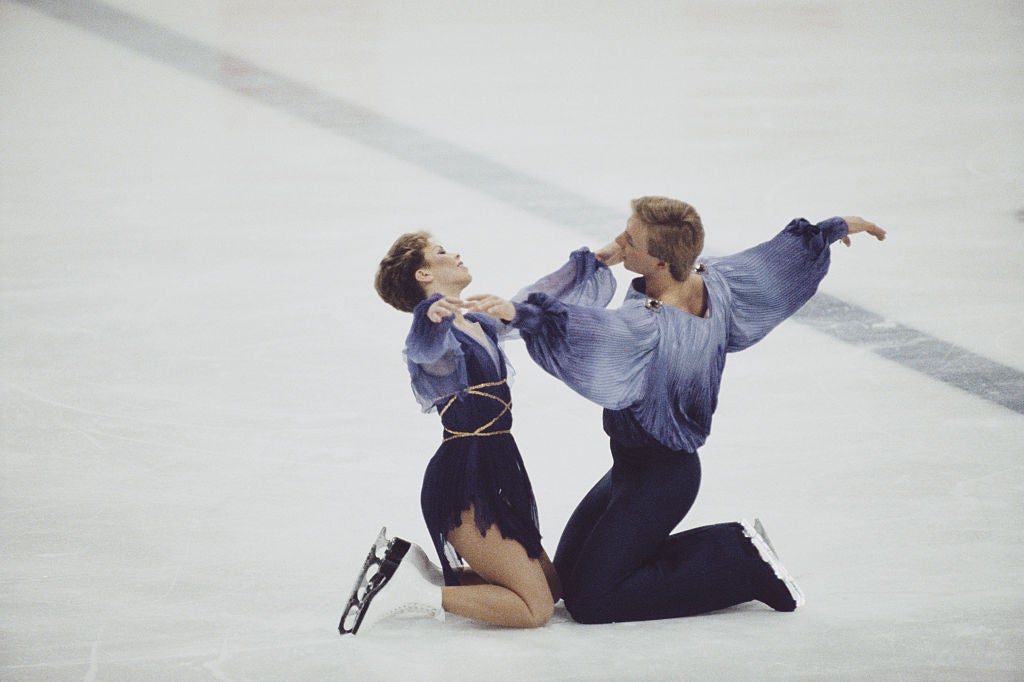
They were “thrilled” and “surprised” to receive a knighthood and damehood in the New Year’s Honours – although it was not without drama. Initially, only Torvill’s letter from the Cabinet Office arrived, with Dean left in limbo, instructing the painters in his house to keep an eye out for any unusual post while he went away for a week. “Eventually, I received confirmation, but it was a tense three days of thinking Jayne’s got it, and I want to be really happy for Jayne, but I’m sort of a little bit sad at the same time.”
It turned out British bureaucracy was to blame. “They made an error with the postcode, we discovered,” Torvill says drily.
That mystery solved, the sport’s two legends can put their feet up and pass the baton on to the next generation. With any luck, it will be a golden one.
Join our commenting forum
Join thought-provoking conversations, follow other Independent readers and see their replies
Comments
Bookmark popover
Removed from bookmarks