How Trump’s attack on Venezuela backs Fifa into a corner over World Cup
The United States’ attack on Venezuela has shifted focus on the 2026 World Cup hosts, writes Miguel Delaney, with Fifa left conflicted by its allegiance with Trump
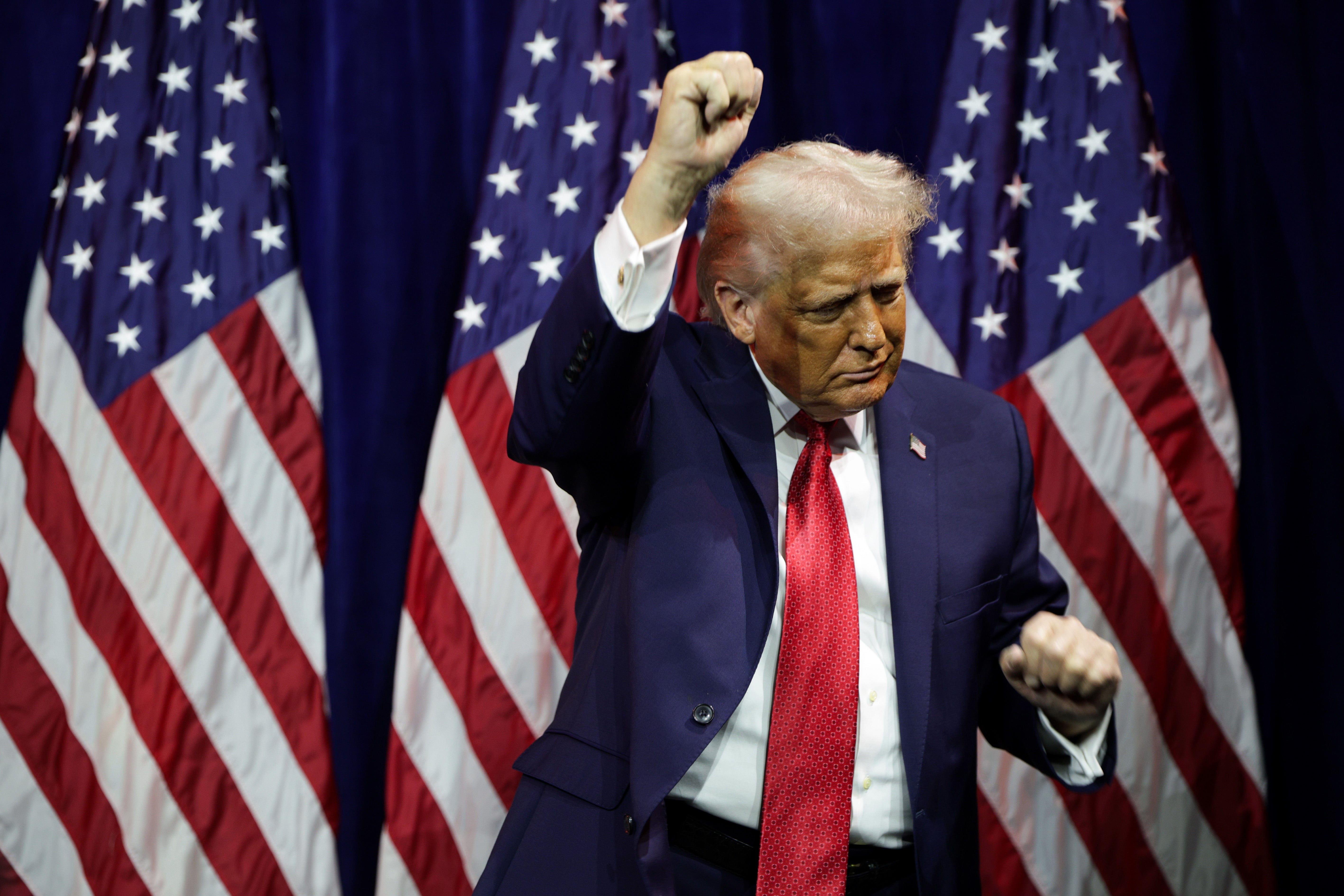
It was almost grimly predictable. When news broke that the United States military had attacked Venezuela on Saturday, there wasn’t even a flicker of activity among the Fifa Council, according to senior sources. This is despite the primary host of their grand global event launching what is actually a rare act of aggression for a country staging the World Cup, with the president even talking in a concerning manner about a co-host. In the aftermath of the Venezuela attacks, Donald Trump spoke about how his Mexican counterpart, Claudia Sheinbaum, is “very frightened of the cartels” and that “something is going to have to be done with Mexico”.
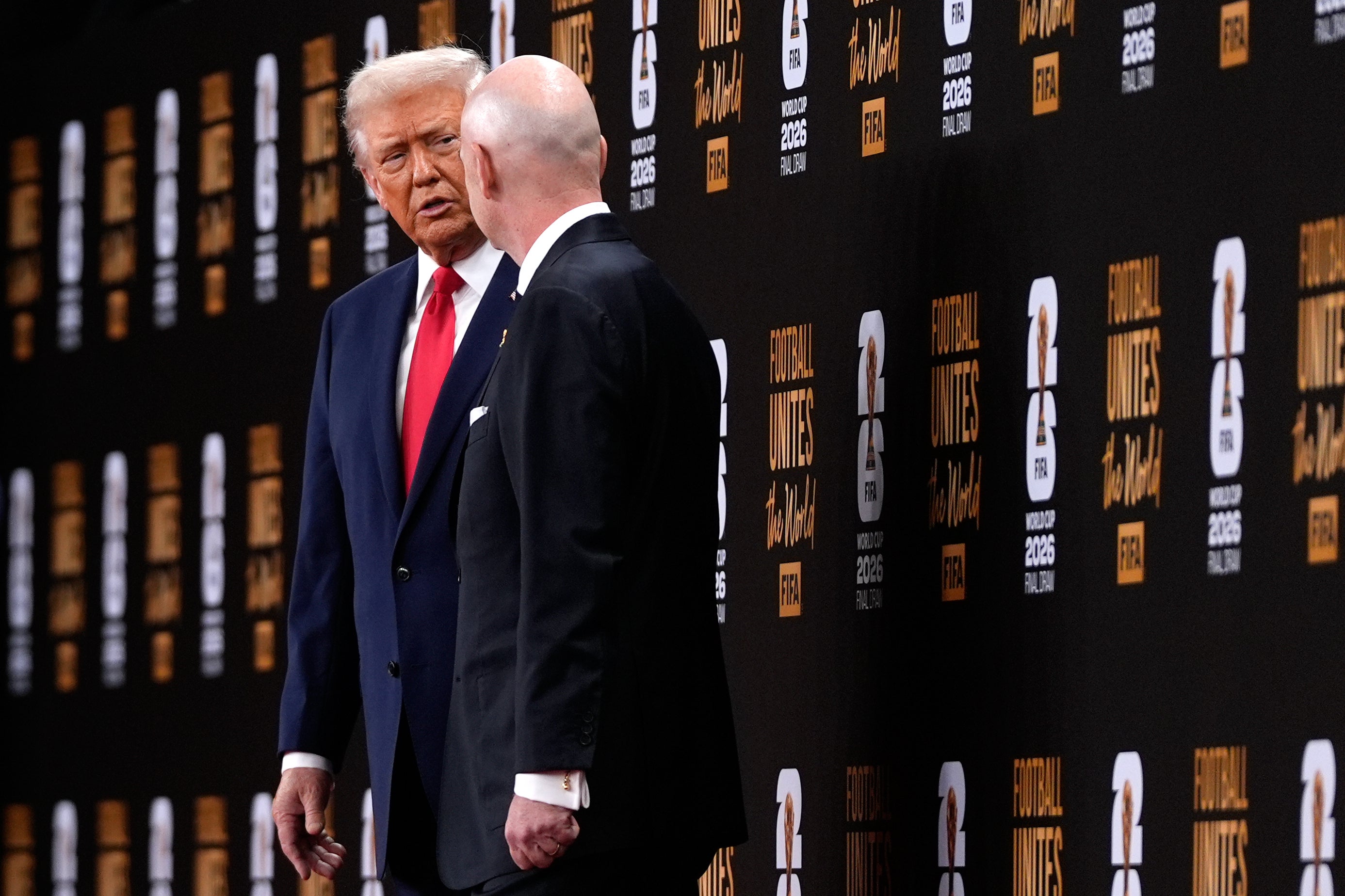
The wonder is what Gianni Infantino thinks of this, if he thinks anything at all. It’s pointless to say Fifa here, since everything the federation does at that kind of level is now intertwined with the president. As such, no one dares broach this to Infantino, despite the farce of Fifa presenting Trump with an inaugural peace prize a mere month ago. The immediate diminishment of that prize – even if the presentation video already did a good job – was not just predictable.
It was inevitable. Fifa were warned. Just three days before the award, Trump said that military strikes on Venezuela would “start very soon”. That ultimately made it seven countries that the Trump administration had launched strikes against in his first year back in office.
At the time, and in response to criticism of the highly politicised Maga-influenced video, Fifa’s only real argument about any of this was that they feel like the single body that gets criticised for actually trying to promote peace.
Venezuela is now an obvious response. War is peace, indeed.

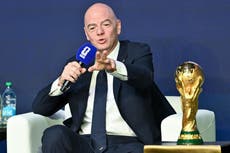

For all the jibes about Infantino’s peace prize – given that we’re talking about literal life and death – there is an even more serious point,
That is the more philosophical and moral question of whether the tournament should even be hosted by a country that has recently launched an act of aggression.
Infantino will possibly be relieved he doesn’t have to think of any of this due to the muted response from Western governments and the Democratic Party, to go with how the context of Nicolas Maduro’s rule further clouds debate.
.jpeg)
Whatever the actual answer, though, it is astounding that a transnational body, that has to be as attuned to geopolitics as Fifa, doesn’t even have guidelines on this. It’s all the more relevant when Infantino so willingly immerses them deeper into geopolitics.
Because, worse, even if they did have guidelines, the Fifa president’s very proximity to Trump would make such a situation even more problematic.
It’s often at this point in such discussions – as precisely happened with Russia 2018 and Qatar 2022 – that a tit-for-tat moral relativism can evolve about what certain states have historically been responsible for. Infantino even indulged in it himself when insisting Europe should be apologising for 3,000 years of history in that infamous “I feel” address on the eve of the 2022 World Cup.
He evidently doesn’t feel quite the same way today.
Against that, the very nature of geopolitics means states are always going to be involved in conflicts. While hosting separate World Cups, Russia, the US and the UK were engaged in a combined total of 18 conflicts – depending on your definition – at the time of their tournaments.
The first was actually England 1966, given that the United Kingdom was at that point immersed in the Indonesia-Malaysia Confrontation, the Dhofar Rebellion and the Aden Emergency. Benito Mussolini’s Italy didn’t invade Abyssinia until the year after their 1934 World Cup. The USA are currently involved in eight, which would surpass the most a host has previously been involved in (beating their own record of five while hosting the 1994 cup).
While academics and analysts would no doubt argue that some of these conflicts were still a direct consequence of previous invasions or historic acts of aggression, there is still a difference between present engagement and active aggression.
The United Nations definition of such an act – as articulated in the 1974 General Assembly Resolution 3314 – is “the use of armed force by a State against the sovereignty, territorial integrity or political independence of another State, or in any other manner inconsistent with the Charter of the United Nations”.
In other words, as the football human rights advocacy group FairSquare describe, an act “unprovoked, uninvited and not sanctioned by the UN Security Council”.
According to those terms, there is a much shorter list involving prospective World Cup hosts, which makes this story all the more distinctive. This is just the third such case. The others were: the US invasion of Panama in 1989, which has so many echoes of Venezuela, and came after the awarding of the 1994 World Cup; the initial Russian invasion of Ukraine in 2014, just over three years after the 2018 tournament had been awarded.
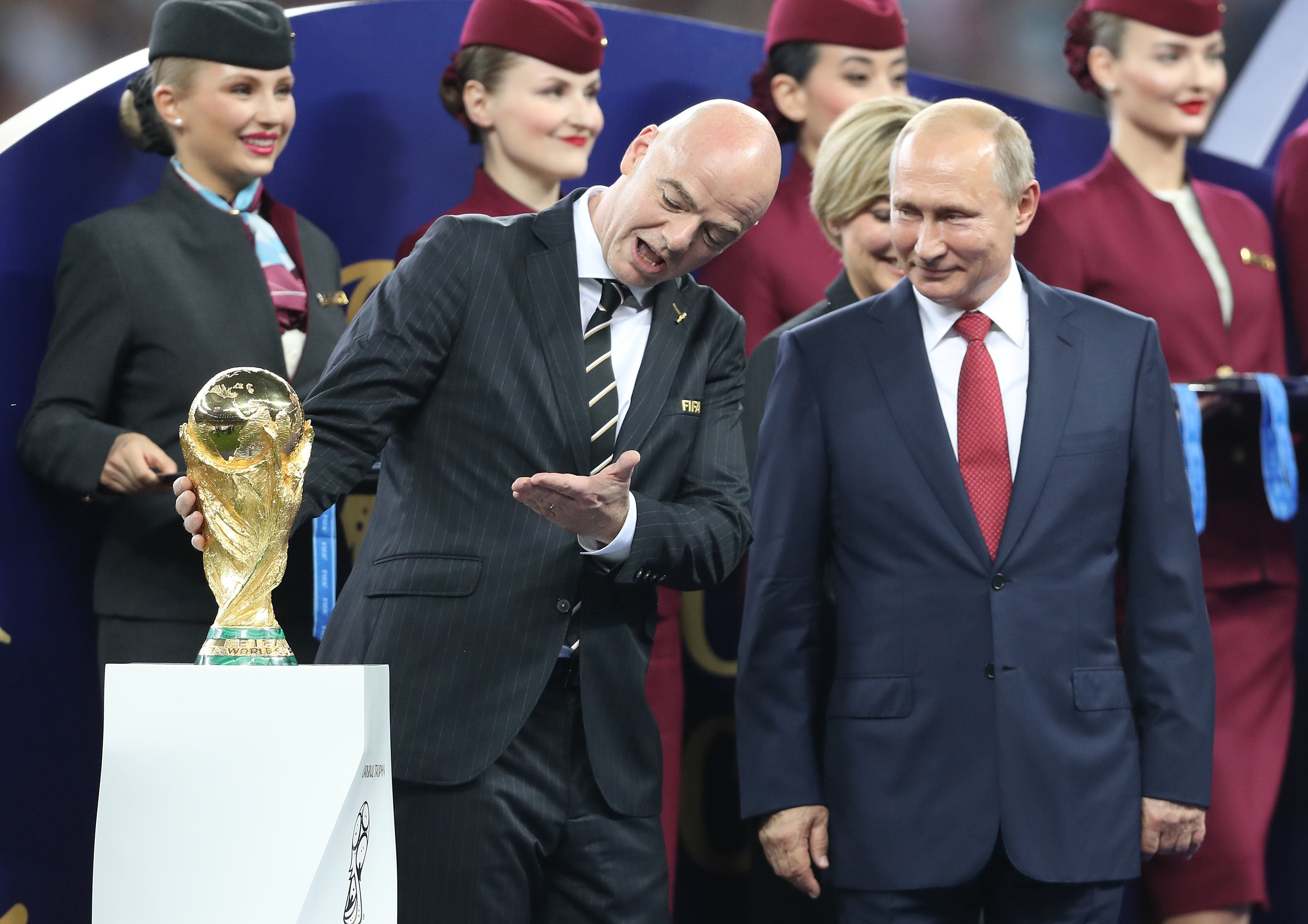
The latter did bring some calls from a small number of European politicians to strip Vladimir Putin’s state of the tournament, but they inevitably went nowhere.
Modern realpolitik dictates it is absurd to think there will be anything even remotely similar to that now, and the Fifa-USA relationship already looks much more skewed than the vast majority of previous hosts – bar perhaps Qatar.
Groups like FairSquare nevertheless still believe there should be other lessons and pressure for Fifa.
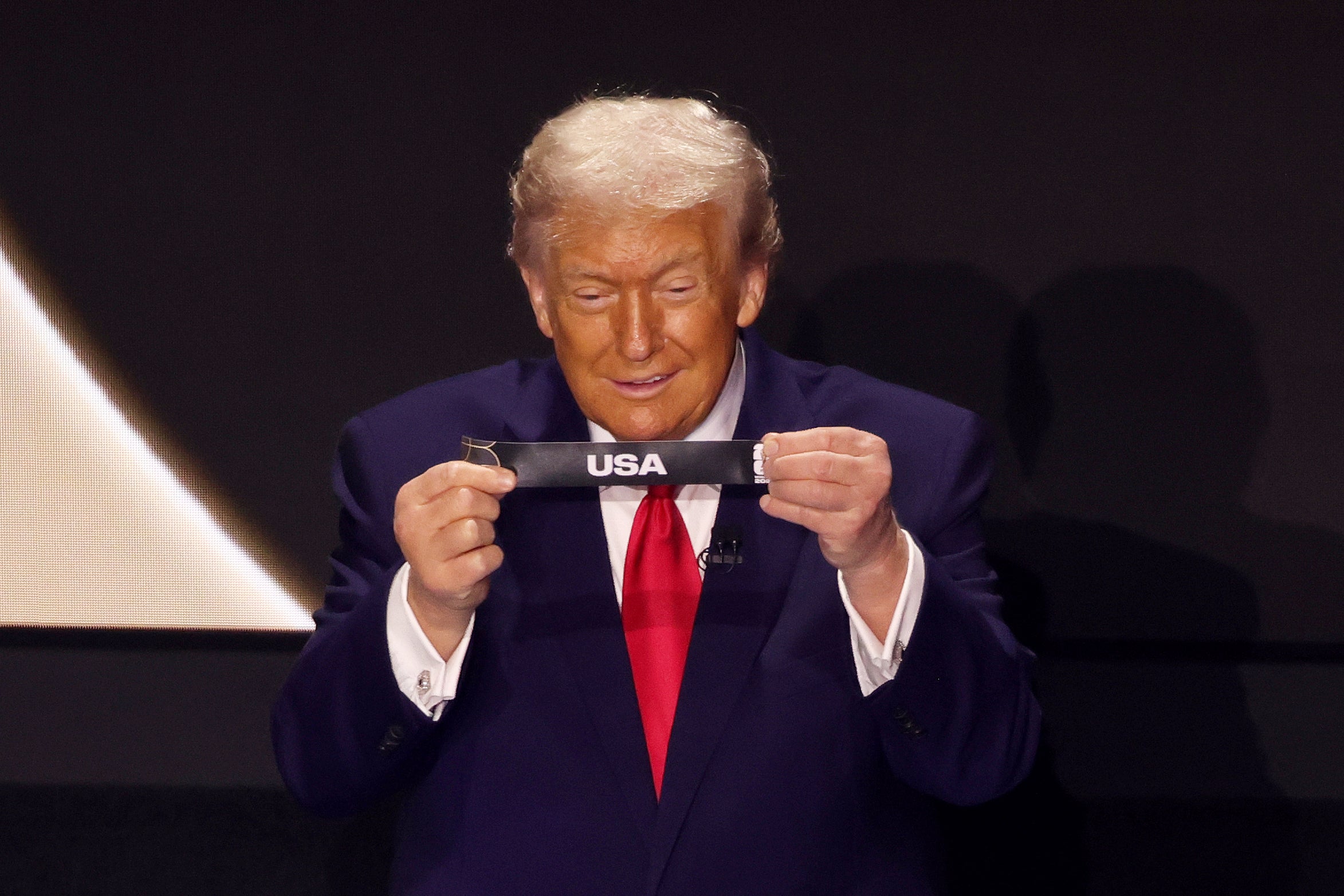
“Aggression is the supreme international crime,” the body said in a statement to The Independent. “It’s clear that Trump thinks he can rely on Infantino’s support no matter what he does, and Infantino, for his part, probably has no concerns about hitching Fifa’s wagon to Trump so long as Fifa gets to rake in its billions. It’s a tragedy for the game that the World Cup now finds itself in the middle of this grubby quid pro quo.”
It is also why many involved figures actually see such an exceptional event as being of a piece with more regular Fifa issues, like the implementation of VAR and ticket prices, as well as another unique case like the eventual suspension of Russia over the 2022 invasion.
Numerous sources criticise Infantino’s Fifa for appearing to take so many decisions without proper consultation or preparation for foreseeable risks.
Hence, a repeated argument that VAR was not properly road-tested before being implemented. Hence, the suggestion that the controversial World Cup ticket prices were ultimately about developing the game, despite Fifa not providing any response to FairSquare’s three letters asking for evidence to support claims that they exert oversight on how member associations spend money.
Hence, the belated response to the invasion of Ukraine. Fifa initially considered ideas like Russian teams playing without any symbolism, but it was really only the political outrage of the West that prompted the suspension. With Poland and Sweden refusing to play Russia, a force majeure argument was ultimately used to justify the position.
The wider point, relevant to Venezuela, is that Fifa look totally unequipped to deal with situations like this if they had any will to. There are no guardrails. An organisation serious about governing the game in an increasingly complicated world would start wrestling with all of this.
As it is, there’s the opposite. Far from having to think about any of this, Infantino has already said his piece. Trump has been praised. A prize has been awarded. The show goes on.
Join our commenting forum
Join thought-provoking conversations, follow other Independent readers and see their replies
Comments
Bookmark popover
Removed from bookmarks