Like it or loathe it, Brendon McCullum is not going to ditch Bazball now
With Bazball, England’s wins and losses come in extremes. But with all eyes on the Ashes, fast-paced defeats are having real-life consequences, writes Cameron Ponsonby in Perth


Don’t back down. Double down.
If you hoped that England’s two-day defeat to Australia would lead to a change of strategy, mindset or personnel from Brendon McCullum’s side, I’ve got bad news.
Under Ben Stokes and McCullum, England are consistent in process, and inconsistent in results. After the initial honeymoon period of Bazball, during which they won 10 of their first 11 matches, the 31 games since have seen 15 wins, 14 losses and two draws. You win some, you lose some.



For the most part, the entertainment factor has outweighed the results. Cricket is a national but niche sport in the United Kingdom, so throwaway defeats to Sri Lanka at the end of the 2024 summer or series defeats away to Pakistan a couple of months later are often either forgotten or forgiven for the overall shot in the arm the Bazball era has given the game in England.
Like it or not, people turn out en masse to watch it. But the Ashes is English cricket’s front-page moment. For the briefest of periods, the scrutiny is akin to what footballers experience. Entertainment becomes secondary to results, and no extra motivation is needed for a fanbase who have drunk the Kool-Aid and believed that, finally, this was England’s time.
“This was the one Test [I’ve got tickets for]” said one fan in an interview with BBC Sport. “I’ve always wanted to do the Ashes for years … I just feel like I’ve been let down.”
Another fan said: “I’m absolutely disgusted with the way they’ve played. Bazball has completely failed. What is this all about, why are we here?”
Thousands of fans have spent thousands of pounds on a trip of a lifetime to watch England, if not win, then compete. For the first time, fast-paced defeats could lead to real-life consequences.

At an existential level, this series is a referendum on how cricket should be played. McCullum dipped his quill into the world of coaching Test cricket three years ago and started writing a new chapter. No-fear, no-nonsense, attacking cricket, always. It has been riveting and in large parts a success, with one massive asterisk sitting next to it. It has never beaten either Australia or India. Aussie fans look at it with scorn – “Let’s see them do it here” is the stock response. They didn’t have long to watch; it was over in two days.
Low down on the England management’s frustrations, but present nonetheless, will be that this Test should have acted as an example of their refined, more considered approach that they have been championing in the media. For years, England have mainly named their team two days out from the start of the match. On this occasion, they delayed and delayed until ultimately choosing to name it at the toss when they’d had the maximum amount of time to analyse conditions. Their decision to leave out spinner Shoaib Bashir also went against the grain of what is commonplace under Stokes, who on only the rarest of occasions goes without one.
But in Perth, England were able to hit play on one of their longest-standing plans. To hit Australia with pace. The stars had aligned to have Jofra Archer and Mark Wood both fit and able to play a Test together for only the second time. Even after England’s first-innings batting collapse, their own five-man pace attack came back and bowled with terrifying speed. It both felt – and was – the fastest England attack in history, with Australia 122 for nine and 49 runs behind at the close of play. Stokes, McCullum and managing director Rob Key had reason for smugness. They had planned this and it had worked. Any notion of a laissez-faire attitude could be laid to rest. Twenty-four hours later and they had lost.
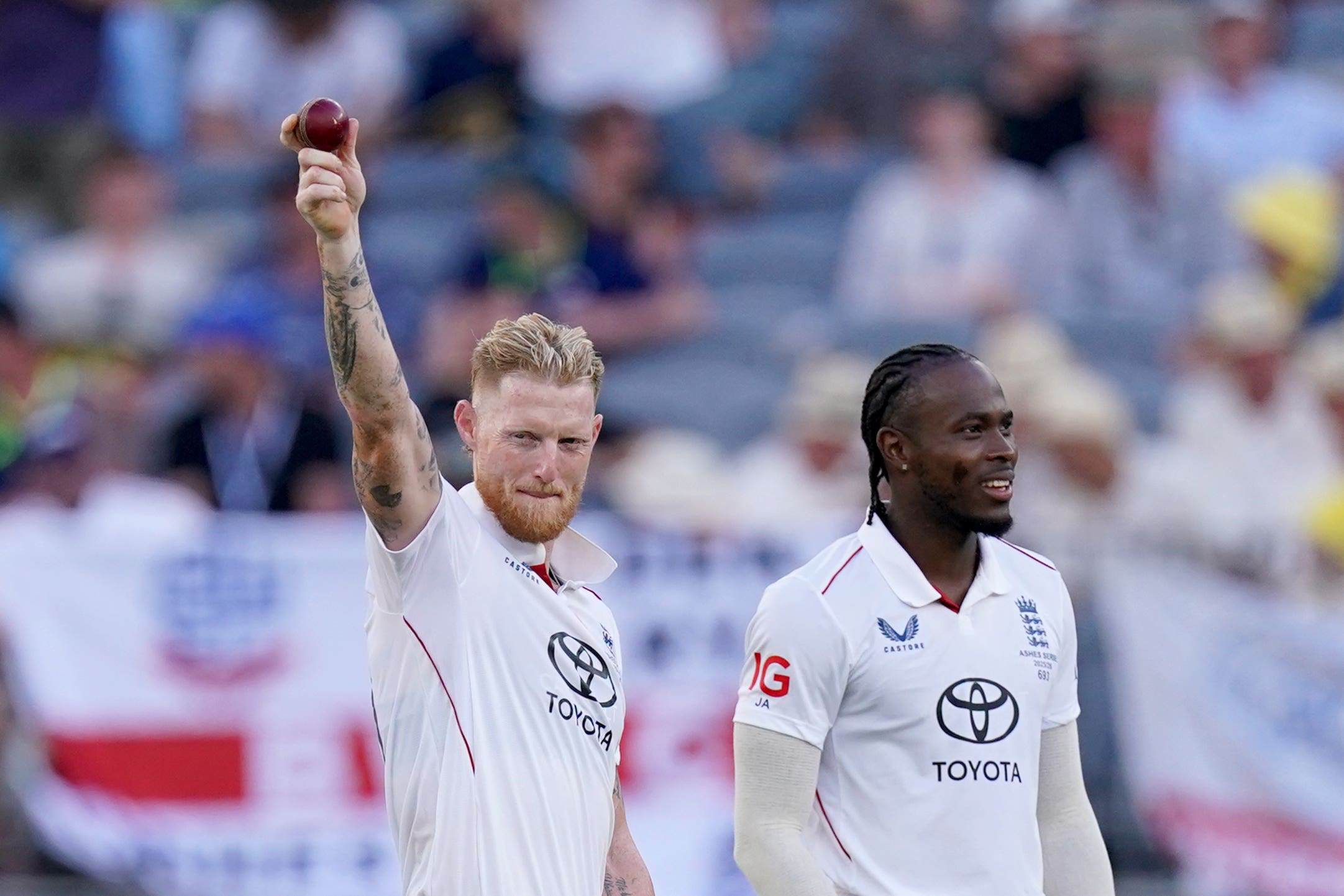

England do wins and losses in extremes. When they win, they win big. And when they lose, it is equally dramatic. Last year, they became the first team in history to lose two Tests in a calendar year by more than 400 runs.
“Sometimes we get beaten and it looks pretty ugly,” McCullum said afterwards. “But there are times when having that type of mentality allows us to still believe in our abilities when we step out to play.
“There are times we don’t get it right, but we have to believe in what we believe in because it gives us the best chance. Just because we are one down doesn’t change what we believe in. We have to stay calm, stay together and plot our way back into this series, as we have done before.”
With such a long break until the next Test, which starts on Thursday 4 December, England will be keen to roll out the same bowling attack. They have thrown their support behind Zak Crawley, who made ducks in both innings and dismissed the idea of the need for a change of attacking mindset when batting.
“We believe he is a quality player,” McCullum said of Crawley. “Particularly in these conditions against this sort of opposition. How many balls did he face, 10 or 11? He got out cheaply, but we believe in Zak.
“I’m not saying we didn’t go hard enough, but there was a player [Travis Head, who made 123 off 83 balls] who had total conviction in his method and has done it across different formats and on different stages over the last few years.”
The scrutiny on their build-up will now turn to Canberra, where England decided not to release any of the Test team from Perth to play in the Lions’ two-day pink-ball match against an Australian Prime Minister’s XI. None was due to play, but after the scale of defeat, former England captain Michael Vaughan said it would be “amateurish” were they not to change their plans. And they haven’t.
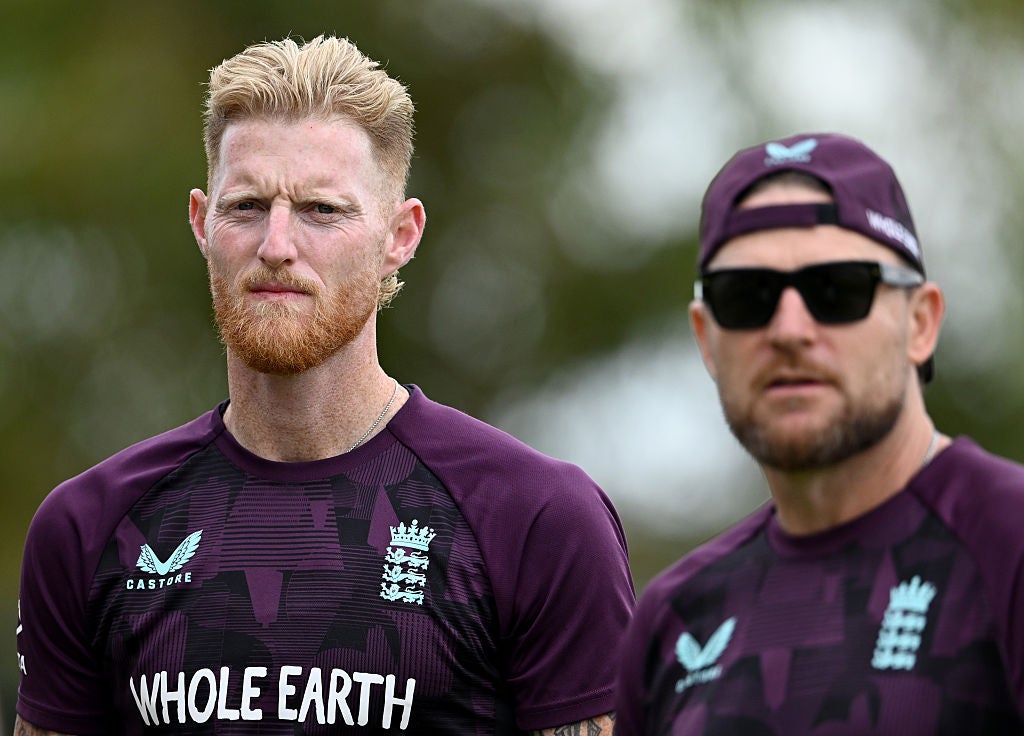
From an optics point of view, England were damned if they did and damned if they didn’t. Alter course and it’s Ashes panic, refrain from playing and they’re scared of exposing their batters to more failure. Either way, the decisions made will be those that McCullum, Stokes and Key will be judged against come January.
“Have conviction,” McCullum concluded after the first Test. “That’s been what we’ve said. Choose a method and have conviction in it. If it works, then great. But if it doesn’t, at least you’ve done it your way.”
If nothing else, McCullum practices what he preaches.
Join our commenting forum
Join thought-provoking conversations, follow other Independent readers and see their replies
Comments