How cricket is helping Australia move past its dark day
The third Ashes Test between England and Australia in Adelaide has begun just days after the devastating Bondi Beach terror attack, writes Cameron Ponsonby, and brought a much-needed spark of hope and normalcy


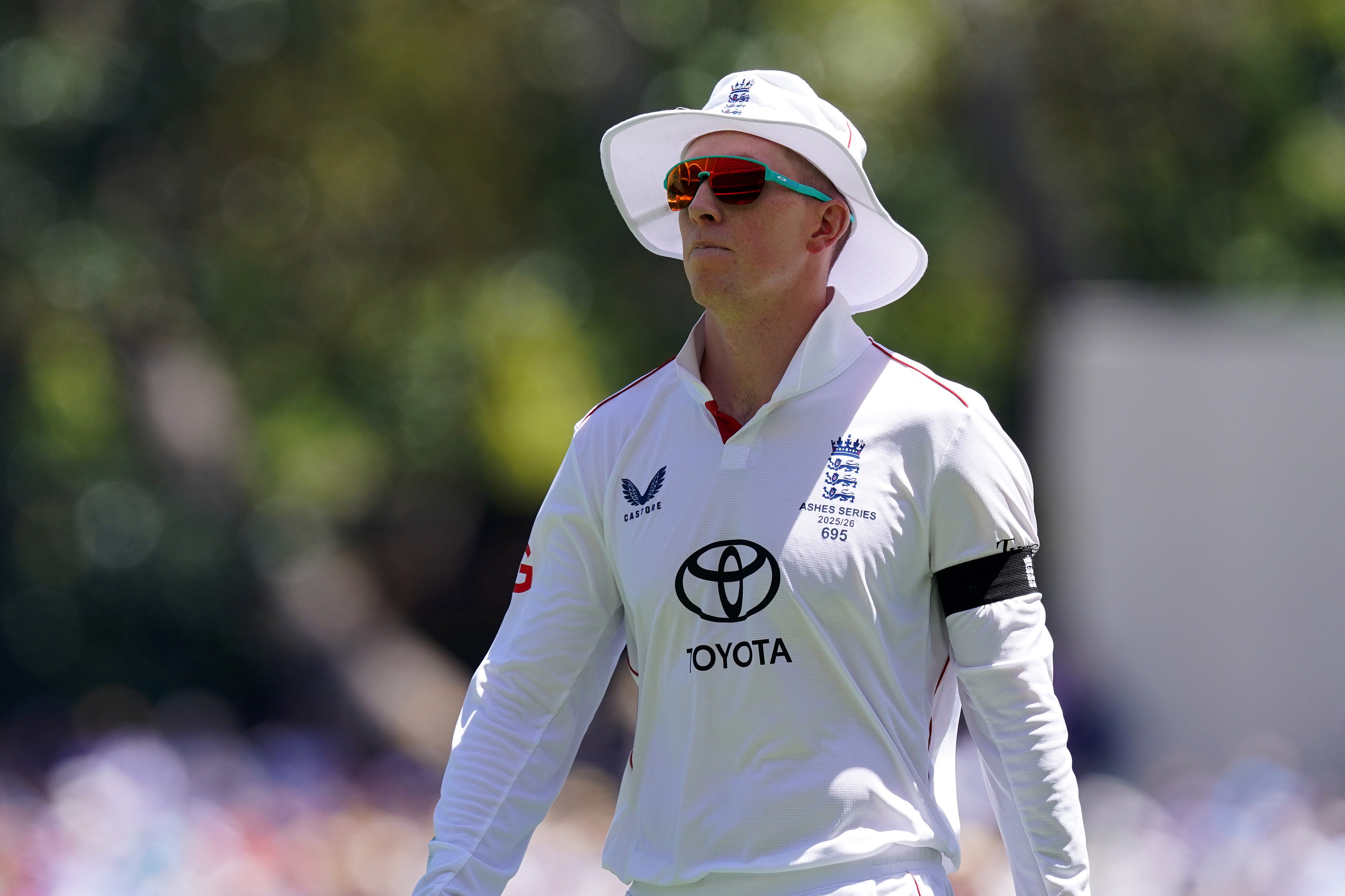
It’s not the first time an Ashes Test has started in the shadow of terror.
In 2005, two weeks after the 7/7 London bombings, England hosted Australia at Lord’s. On that same day, another attack was attempted, but failed.
Australia has been rocked by the national tragedy that occurred on Bondi Beach on Sunday evening. A targeted attack on the Jewish community that left 15 dead, with its location striking at the heart of a nation.
“It’s been a devastating few days,” said Australian sports journalist Daniel Cherny, himself Jewish, to Channel 7 shortly before play in the third Ashes Test began in Adelaide. “A real attack – particularly on the Jewish community – but I think more broadly on the Australian community at large.”
Bondi Beach is synonymous with Australia. A place where locals and tourists alike flock to, no trip to the east coast is complete without walking along its famous sands, and now no trip will be complete without remembering the events of 14 December 2025.
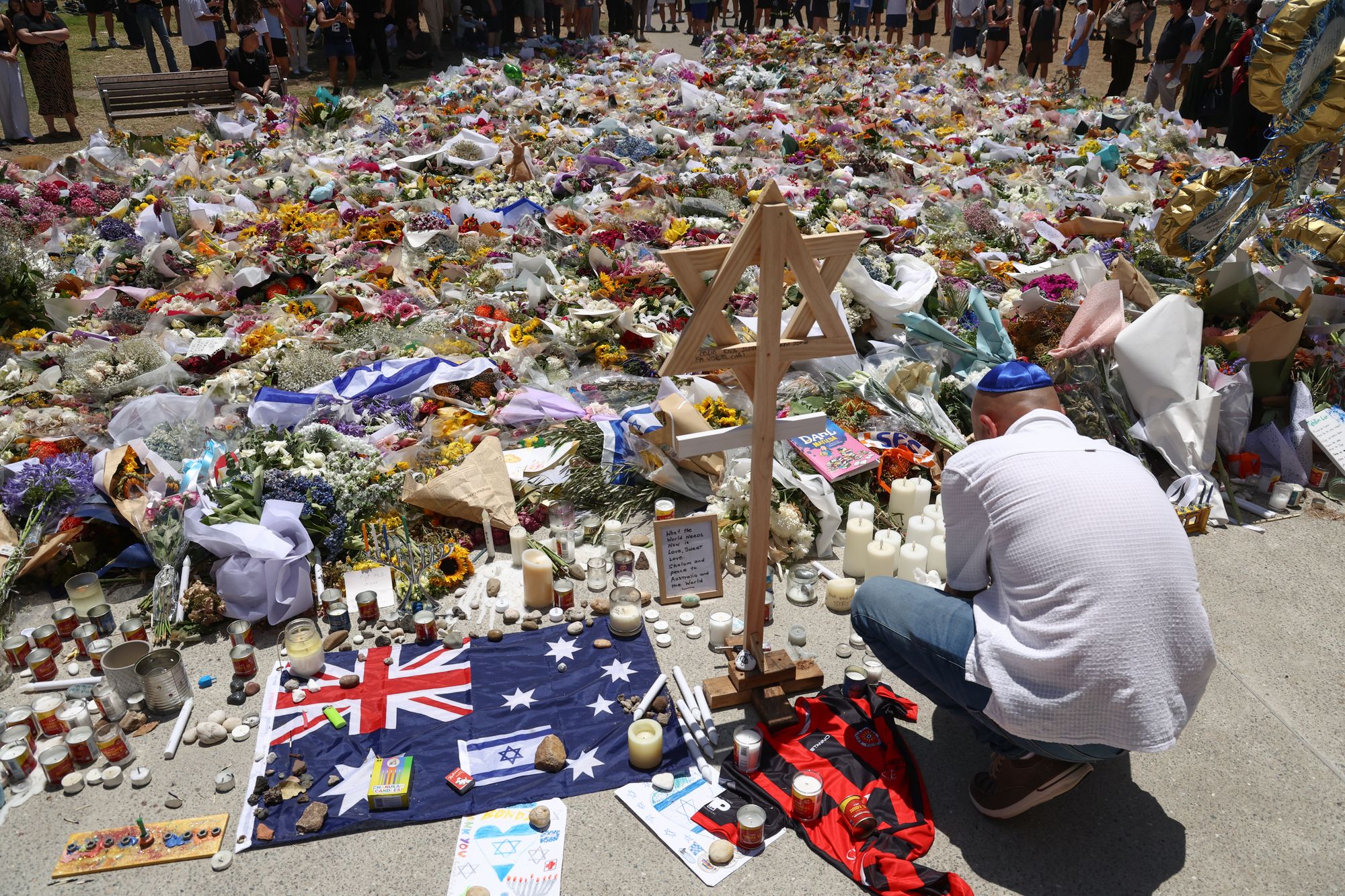
“It’s a place that is just around the corner from where we live,” said Australian captain Pat Cummins, who resides in nearby Bronte. “We take the kids there all the time. It hit home pretty hard. I really feel for the Bondi community, and Jewish community in particular.”
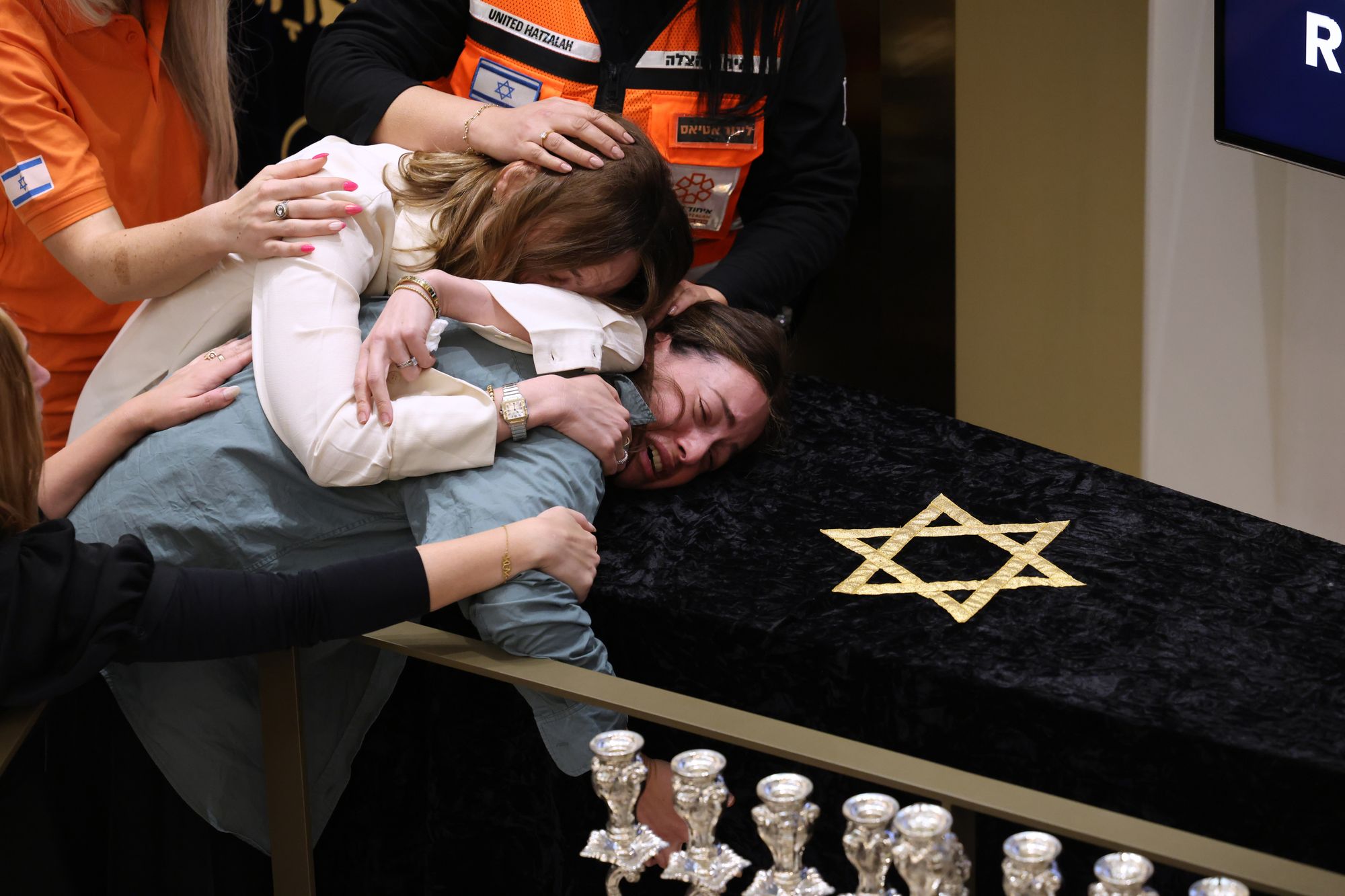
Adelaide is several hundred miles away, but the nation has been left shocked. It would be performative to suggest a silence hangs across the city, but walking through the centre of town when a loud bang went off led to an uneasy response shared by all of those around.
There is no doubt that the psyche of a country has shifted. The style of attack, a mass shooting, was meant to be impossible here. The Port Arthur massacre in 1996 that killed 35 people led to sweeping gun control laws. Which, for the most part, had worked. That feeling of certainty in safety, for now at least, has gone.
Which is why, for so many, the Adelaide Test going ahead was vital.
“It’s going to be welcomed because it’s a distraction,” explained CODE Sports journalist Ben Horne. “A sense of normality. People will be coming to the Test or putting it on the TV. This is what we do during the summer.
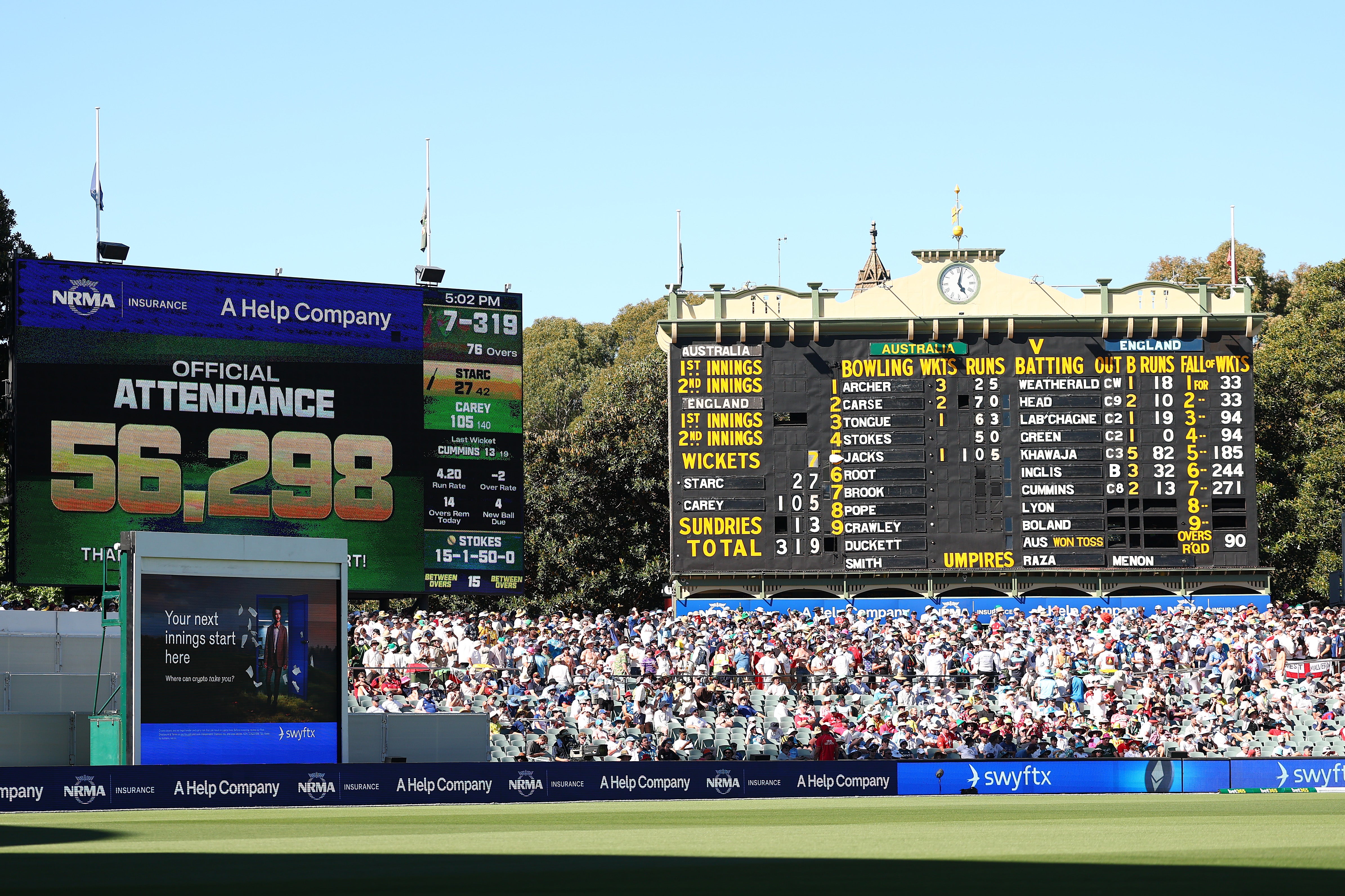
“It doesn’t matter in the context of what we know has happened in the last few days, but it does matter that people can feel normal and they can come and enjoy themselves at the cricket.”
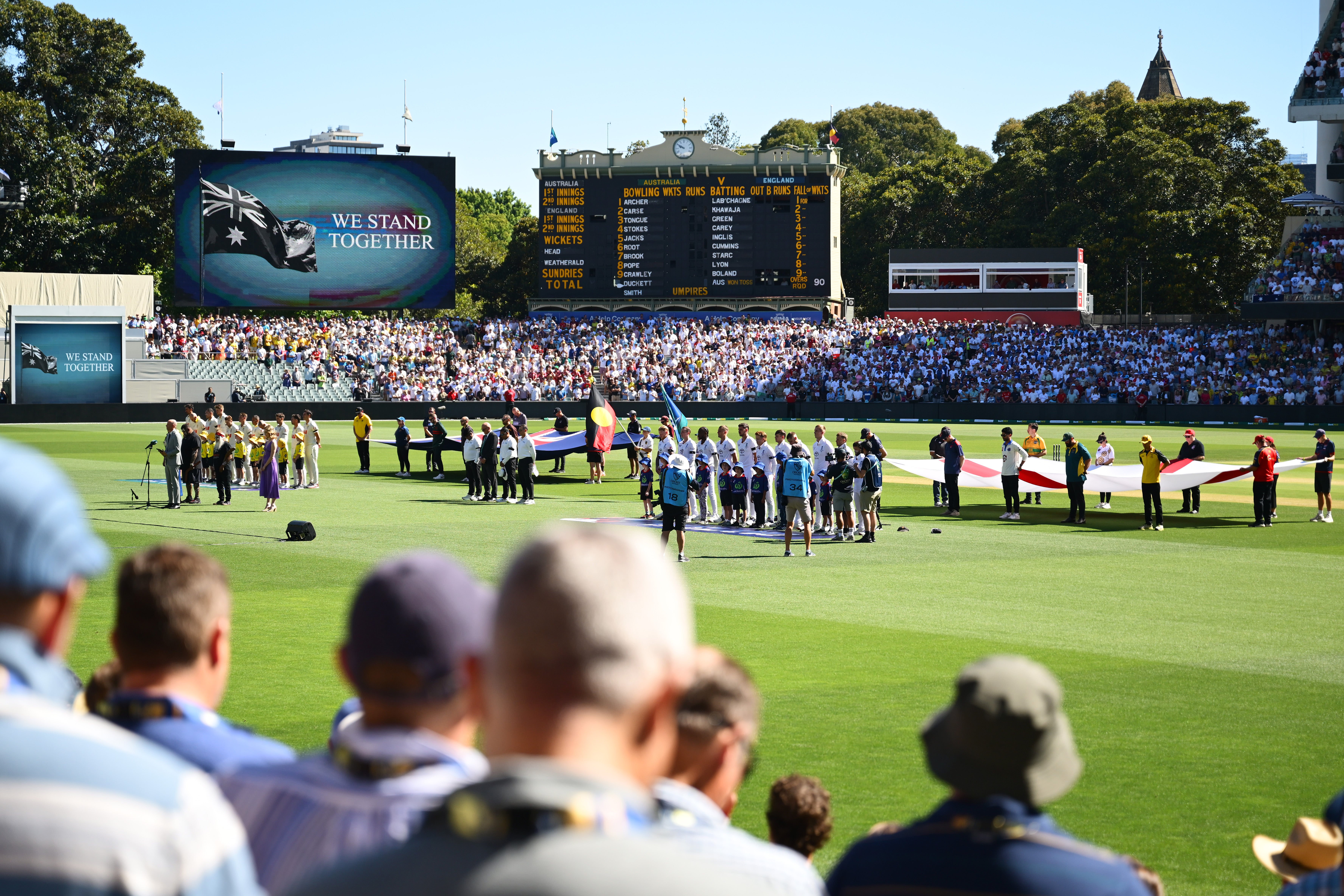
The Christmas Test is a sensational occasion. With doors opening at 7.30am, members were queuing from 5.30 in order to get their favourite seats. The Adelaide Oval is, unquestionably, one of the most beautiful cricket grounds in the world. Three enormous grandstands tower over the pitch while, at one end, the ground hangs open to the nearby park. The ancient, manually operated scoreboard stands proudly beyond the boundary.
As play approached, both teams walked to the middle and stood as venerated Aussie folk singer John Williamson, 80, performed “True Blue” – a historic song from 1982 which portrays Australians from all backgrounds sharing the same hopes and aspirations.
“This is the moment that’s probably even more important,” he said to Channel 9 afterwards. “Aussies showing that we support everyone. So I hope the message got out that we are a fantastic free country. Let’s keep it that way.”
As he sang, all those within the stadium stood and listened. Some with their heads bowed, others looking out to the distance. When his performance ended, the round of applause continued for a number of beats longer than normal. A packed Adelaide Oval is an iconic Australian symbol. To the eye, it looked the same. But to the ear, it was different.

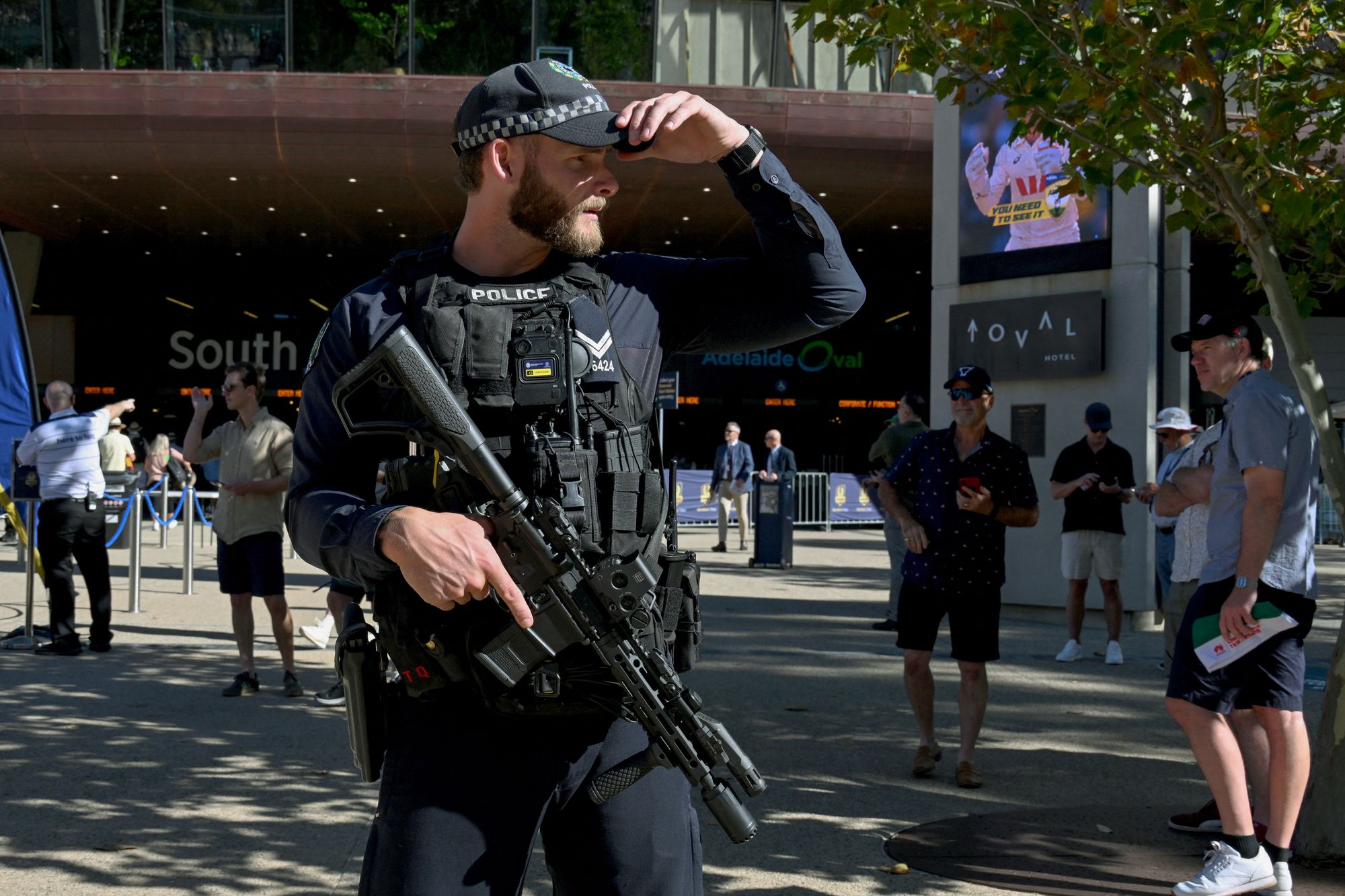
There are subtle contrasts walking around the ground, also. Extra security has been put in place for the Test match, with armed guards enlisted and fans advised to arrive earlier with more checks due to take place upon entry. A move that South Australian premier Peter Malinauskas described as “precautionary” but “appropriate”.
“We are at a crescent sense of alertness just at the moment for the time being,” he said.
It is an assessment that accurately sums up the emotions of the week. Life goes on, in part because it has to, but also because it needs to. People are searching for a sense of normalcy, even when they know that the world has been anything but.
The Jewish population in Adelaide is small. The 2021 census put the number at a little over 1,000 people. The Holocaust Museum, in the middle of town, has been the centre of public mourning.
“The Jewish community remains unbowed and unbroken and been very moved to see just how much defiance there is,” Cherny concluded on Channel 7.
“A lot of the Jewish people that I know really appreciate that so many have reached out, even within the Australian cricket community. It’s been a tough few days, but it’s great to be here.”
Join our commenting forum
Join thought-provoking conversations, follow other Independent readers and see their replies
Comments
Bookmark popover
Removed from bookmarks