The Geminids shower will peak this weekend. How to see up to 120 meteors per hour
Skygazers could see up to 120 meteors per hour under dark skies during the peak
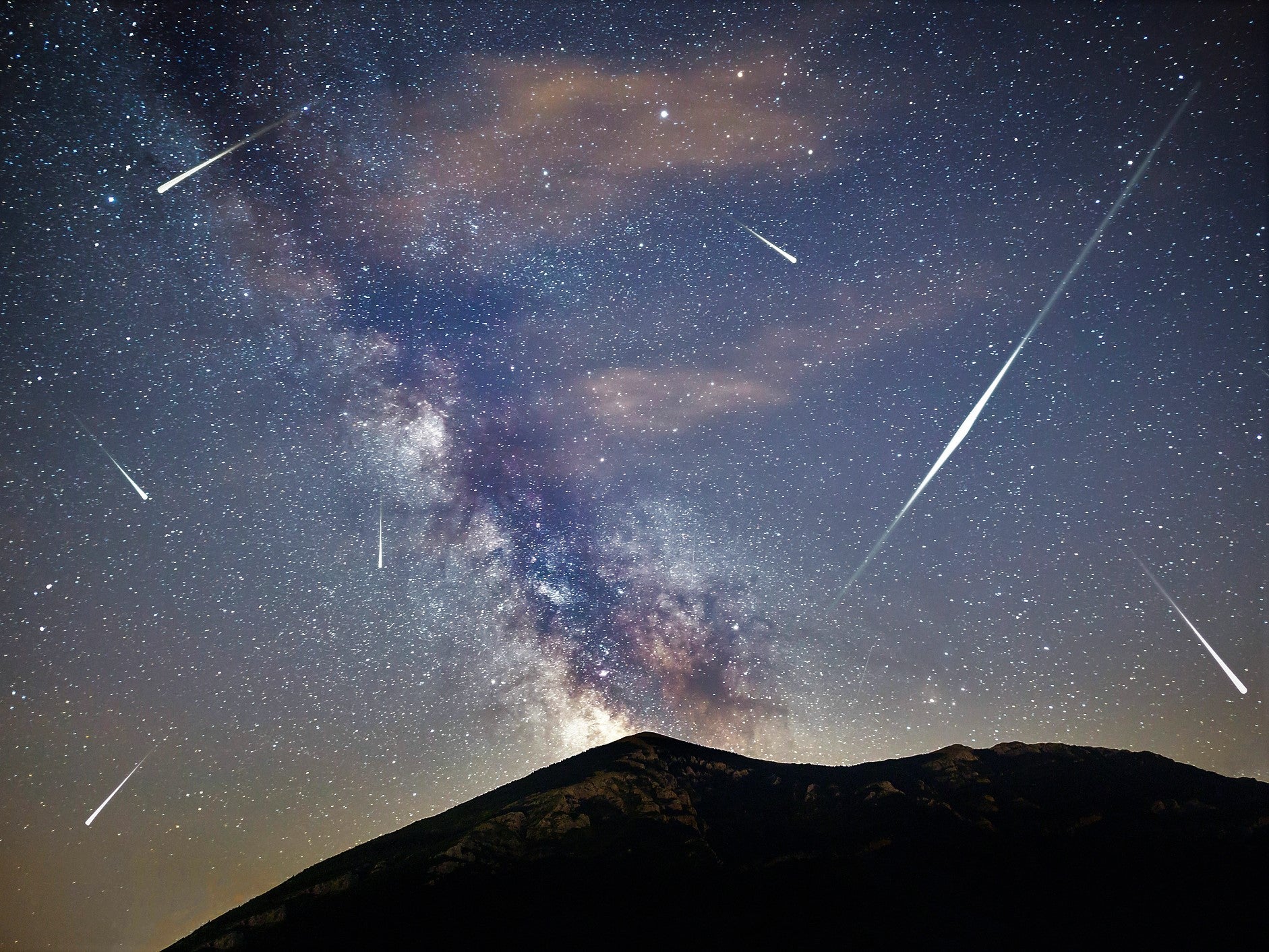
One of the year's most spectacular meteor showers, the Geminids, is set to peak this weekend, offering a dazzling celestial display.
These fiery tails, often called "shooting stars," occur when fast-moving space rocks enter Earth's atmosphere and burn up.
While stray meteors are a common sight, annual showers like the Geminids happen as our planet traverses dense streams of cosmic debris.
According to the American Meteor Society, the Geminids will be visible through mid-December.
Characteristically yellow, they can be observed globally, with optimal viewing conditions in the Northern Hemisphere.
When is the Geminids meteor shower peak?
Skygazers could see up to 120 meteors per hour under dark skies during the peak Saturday night into Sunday's predawn hours, according to NASA.
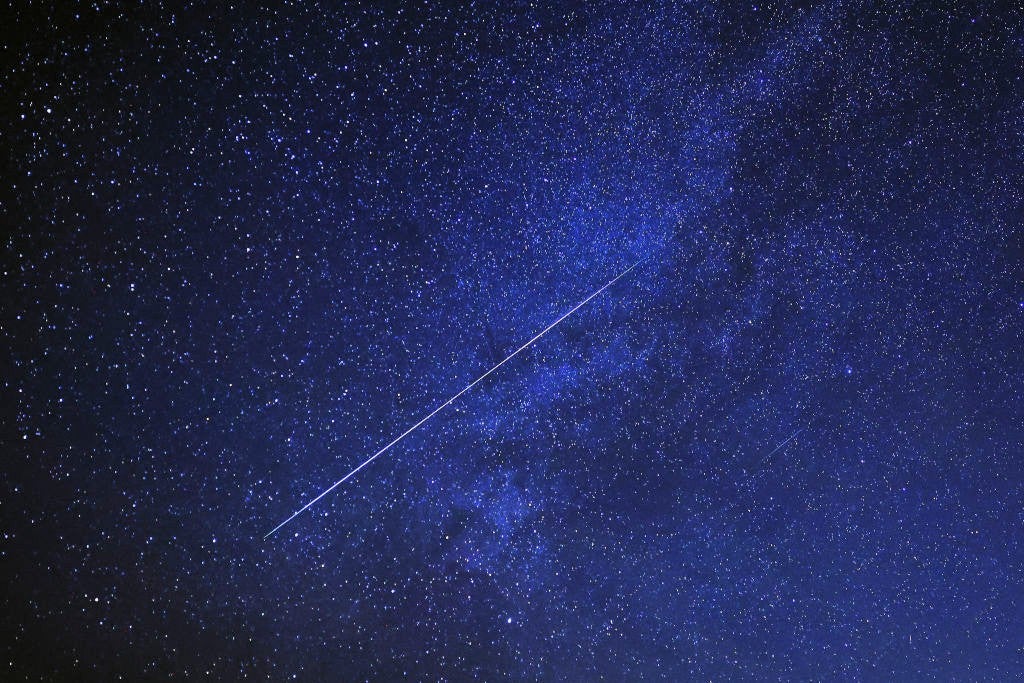
How exciting a shower will look from Earth depends on many factors including the amount of debris and the brightness of the moon, which can overshadow the meteors' glow. The Geminids have a good window for peak viewing before the moon crashes the party after midnight.
How to see the Geminids meteor shower
To enjoy the Geminid show, bundle up and venture away from city lights, which can drown out fireballs. The meteor shower will appear over the whole sky, so look to the darkest part or search for the Gemini constellation for which the shower is named.
Lie in a sleeping bag or lean back in a lawn chair and wait 15 to 20 minutes for your eyes to get used to the darkness. That's when the meteors will appear as tiny glows streaking across the sky.
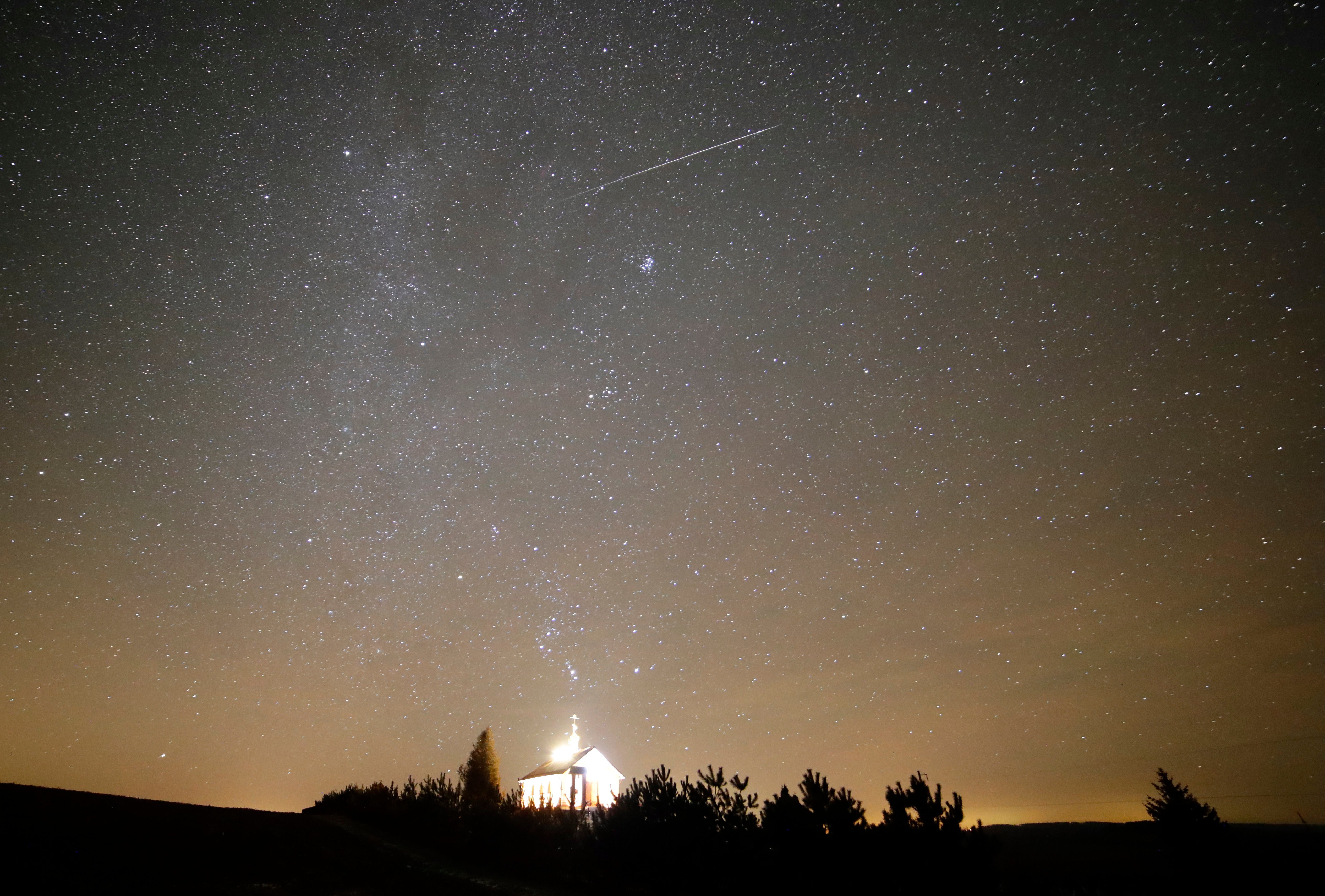
“The other stars are going to be all stationary, so you’ll see this moving across the sky and it’ll leave a little tail behind it," said Bethany Cobb Kung, an astronomer with George Washington University.
Stay outside and take in the show for as long as the weather allows. Avoid bright lights from cellphones, which can make it harder for your eyes to adjust to nighttime darkness.
Most meteor showers come from the leftovers of comets, but the Geminids originate from the sun-orbiting asteroid 3200 Phaethon.