The succulents that look like dolphins and hearts – but can you see it?
Houseplants offer a connection to nature, cleaner air and a touch of beauty
Houseplants offer more than just greenery; they bring a slice of nature indoors, enhancing living spaces and providing a constant source of visual delight.
For those seeking enduring beauty, succulents with their distinctive and often unusual leaves present a compelling choice.
Unlike ephemeral blossoms, their unique foliage provides year-round aesthetic appeal, becoming a focal point in any room.
Cultivating these striking specimens requires attention to their specific needs: they thrive in well-draining potting mix, ideally formulated for cacti and succulents, within containers featuring adequate drainage.
Crucially, allow the soil to dry completely between watering sessions to ensure their continued health
Krinkle Kurl
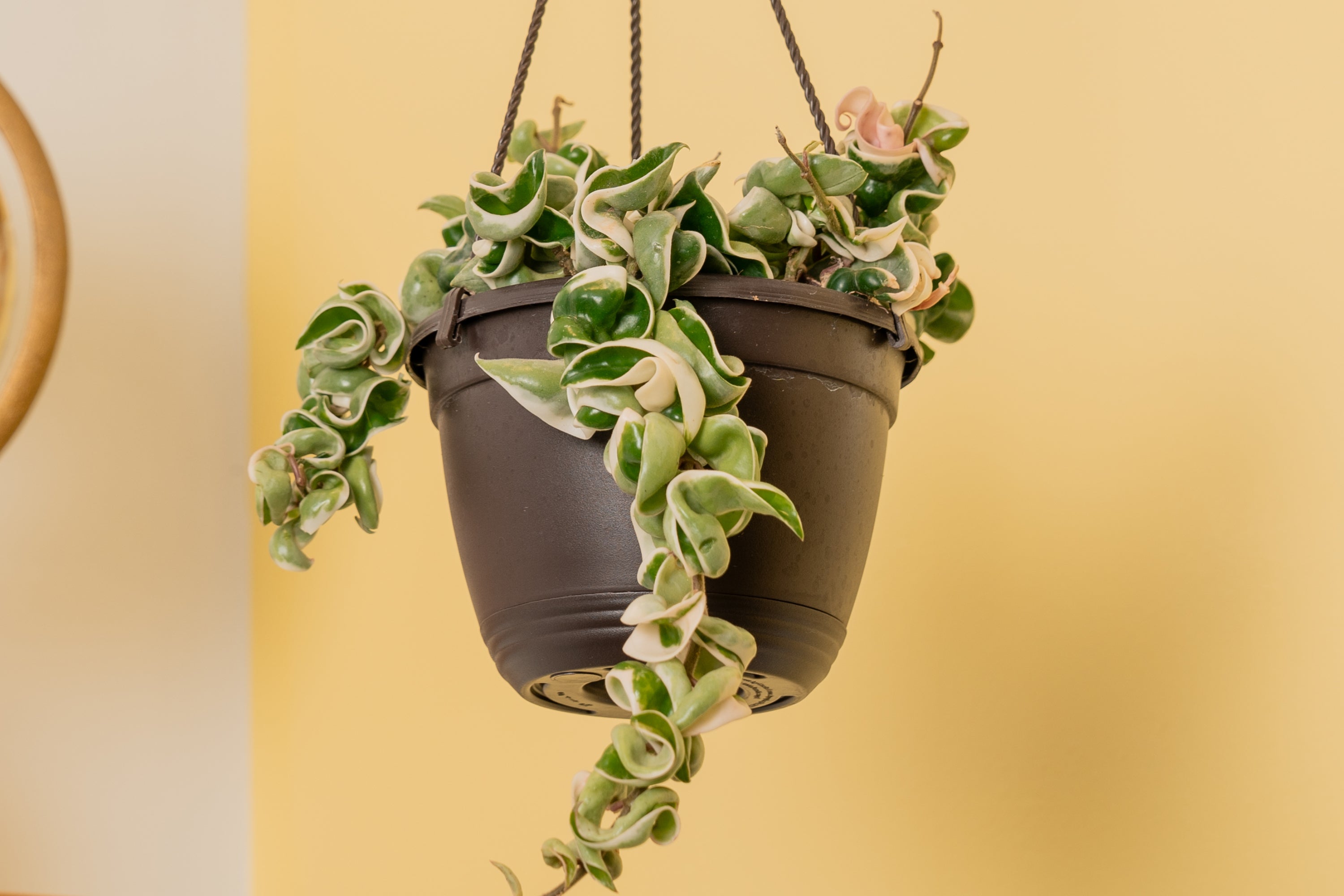
One of my favorites is Krinkle Kurl (Hoya carnosa). The vining plant has thick, waxy, tightly packed, cupped leaves.
Slow-growing, it needs at least four hours of direct sunlight daily, so place it near a south-facing window or under fluorescent lights. Apply an all-purpose houseplant fertilizer diluted to half-strength every two months during spring and summer.
In a few years, small pink flowers will appear during the warmer months, but those twisted, wavy leaves are the main attraction.
Burro's tail
Another succulent, Burro’s tail (Sedum morganianum), gets its common name from its eye-catching long stems, which are surrounded by layered silvery-blue, teardrop-shaped leaves that resemble an artichoke’s.

Place the long-living plant near a bright, south-facing window. For maximum impact, hang it from the ceiling or place it on a tall stand to allow its pendulous stems, which can reach 4 feet, to trail. Fertilize just once each in spring and summer.
Sweetheart plant
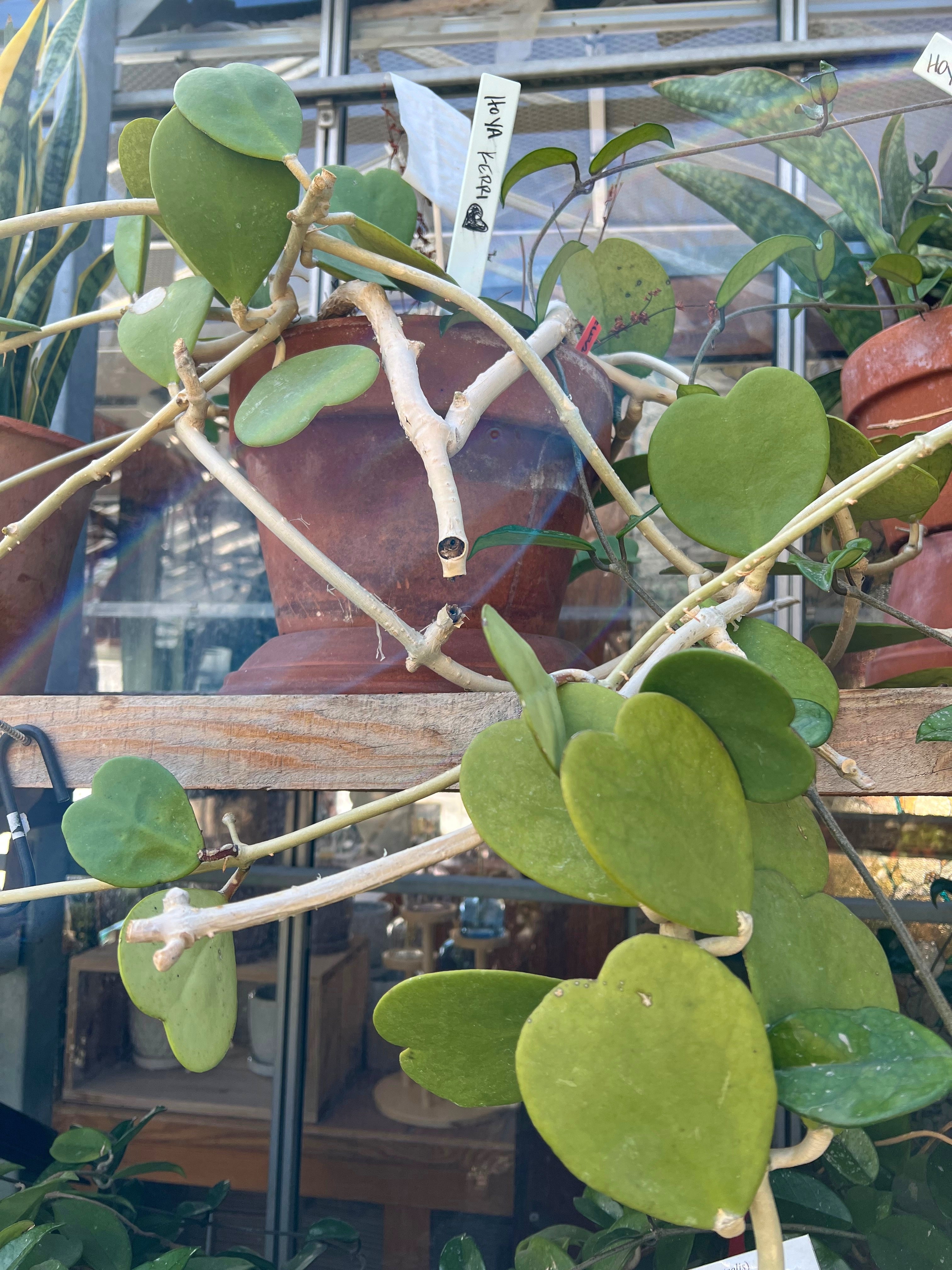
If this were a contest, sweetheart plant (Hoya kerii) would take top prize in the Cutest category. At the garden center, you might find it as a single heart-shaped leaf rooted in a small container (typically sold as a gift plant for Valentine’s Day) or as a full vining plant with thick, heart-shaped leaves growing along each stem.
Either way, the plants require bright, indirect light, so place them directly in front of a north-facing window or off to the side of a south- or west-facing one.
Use a balanced houseplant fertilizer, diluted to half-strength, every two to four weeks during spring and summer.
String of Dolphins
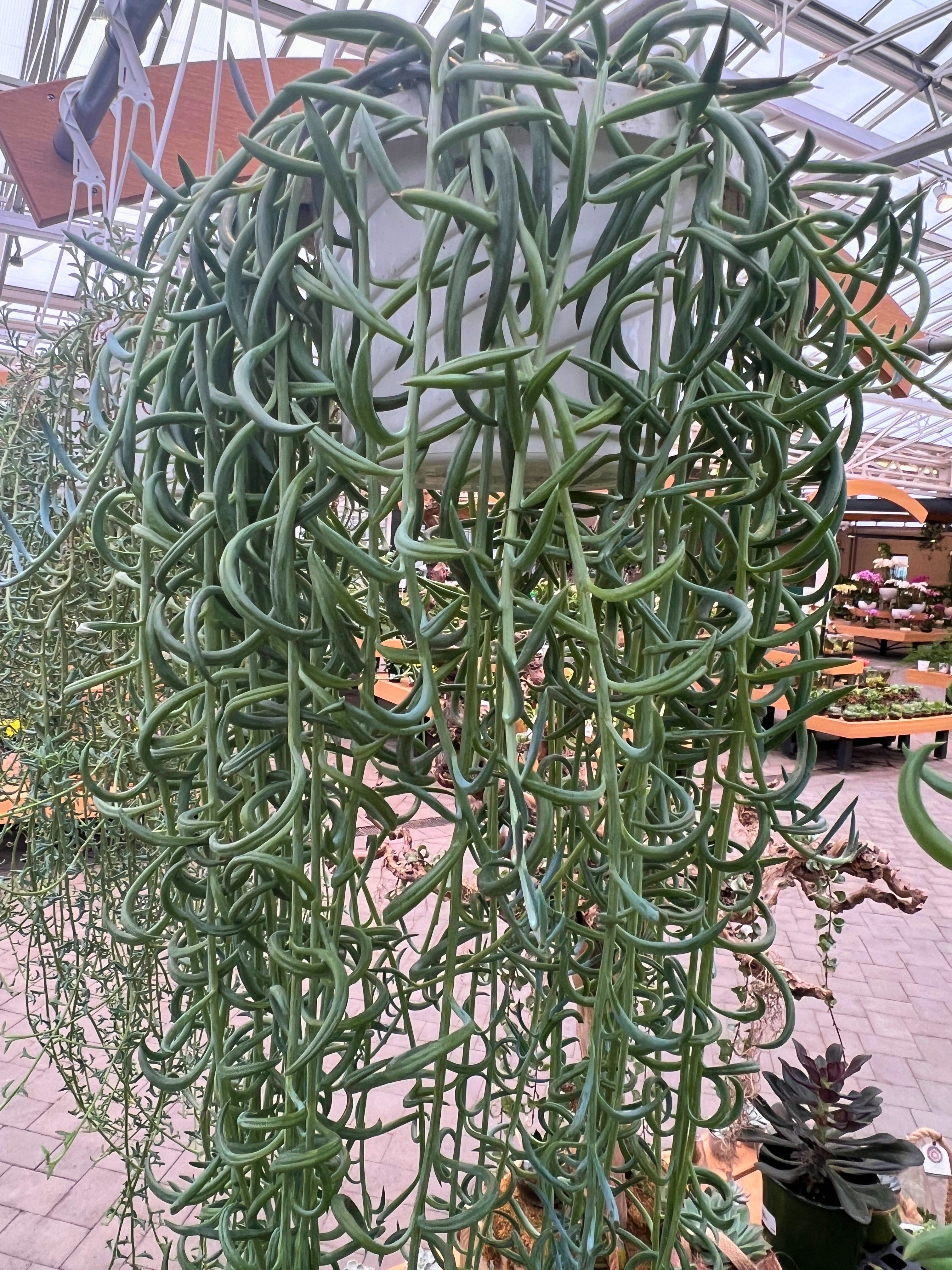
String of Dolphins (Curio peregrinus) is named for the shape of its curved leaves, which resemble dolphins breaching out of the water, fins and all.
The easy-care plants will perform best in a south-facing window. Water them thoroughly when their soil becomes dry, roughly once a month during fall and winter, and every week or two during spring and summer. Feed once a year with a balanced, liquid fertilizer (diluted to half-strength) as plants resume active growth in spring.
Note: String of dolphins is considered toxic to dogs and cats.
String of pearls
String of pearls (Curio rowleyanus) sports “pearls” along its vines, which can reach 3 feet long. To be honest, they look more like peas to me, but “string of peas” wouldn’t likely pack the same marketing punch. Still, I find them irresistible.
A cousin to the string of dolphins, both plants were recently recategorized into the Curio genus from the Senecio, so some plant tags still might list their old names.
Another low-maintenance plant, its only requirements are bright, indirect light, water only when its soil becomes dry, and monthly applications of a balanced liquid fertilizer (at half strength) during spring and summer (none needed in fall or winter).
Note: String of pearls is considered toxic to dogs and cats.
Jessica Damiano writes weekly gardening columns for the AP and publishes the award-winning Weekly Dirt Newsletter. You can sign up here for weekly gardening tips and advice.
Bookmark popover
Removed from bookmarks