How to save water in the garden amid heatwaves and hosepipe ban
Expert offers top tips on how to cultivate a water-efficient garden
Britain's gardens have faced a challenging year, battered by intermittent heatwaves that demand a rethink of traditional watering habits.
In Yorkshire, a hosepipe ban has been announced after the area experienced its driest spring on record.
Environmental gardening specialist Angela Youngman offers a timely solution in her new book, The Water-Efficient Gardener.
She argues that adopting waterwise techniques is no longer optional but essential, given the escalating threats of groundwater depletion, violent floods, and intense droughts.
Ms Youngman's work aims not only to safeguard our green spaces against climate change but also to transform them into vibrant, biodiverse havens.
As our weather patterns become increasingly erratic, the question of how to cultivate resilient, water-efficient gardens has never been more pressing.
Here are her top tips.
Check your soil
“If there’s hot weather on the way, or even at short notice, you can make an instant difference by looking at your soil,” she says.
“Get a hoe out and go over the soil around the plants. Make sure it’s friable, it’s soft and that it will allow moisture through. If your soil is compact, anything you pour on the plants, or later on when the rain comes, is just going to run off and won’t do your garden any good at all.”
To alleviate this problem, add compost which will help hold water, then add a mulch to keep in the moisture.
Create ridges around plants
If you’ve planted a new plant recently, dig a little trough around it so when you water, it will go into the dip and sink down into the roots of the plant where it is needed, rather than being dispersed elsewhere, Ms Youngman advises.
Keep on top of weeding
“Hoe weeds up quickly because all they are going to do is compete with your more desirable plants for the available share of water. There’s no need to have competition.
“Without weeds, the plants that you want to keep have more chance of surviving.”
Work out which plants are the thirstiest
“There’s no point in doing general watering everywhere, unless you have a new garden where all your plants are totally new. Concentrate on the new plants, vegetable plants or any other food crops.
“Other plants which have been in your garden for months or years will have deeper roots which can suck up the water from a much greater depth and have a better chance of surviving.”
Give priority to anything that is newly planted, from shrubs to fruit and vegetables.
Mature Mediterranean plants, succulents and grey-leaved plants won’t need as much water, she adds. Give wilting plants a good water when you see them. Plants with large leaves may suffer a bit, so keep an eye on them.
Avoid the hosepipe
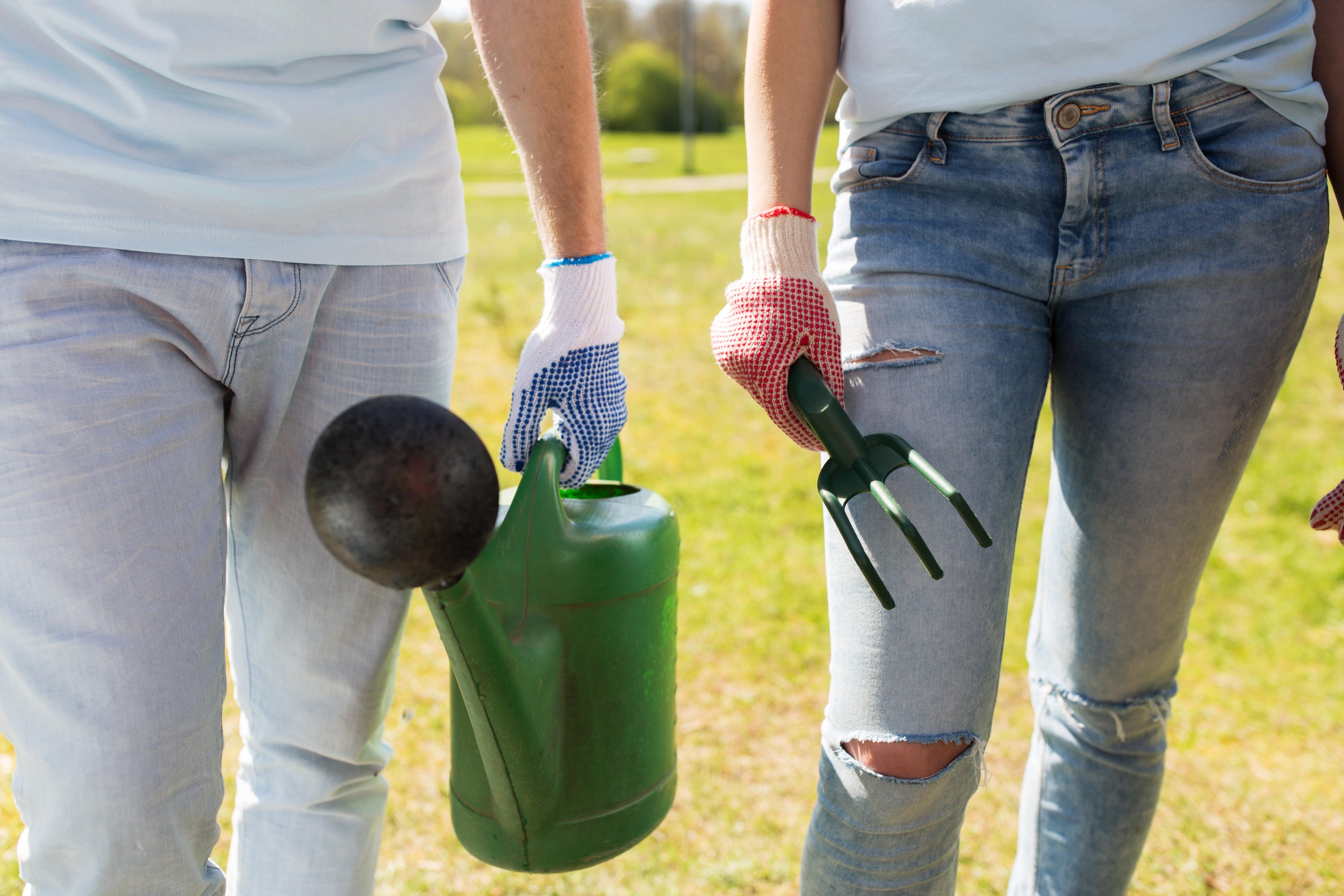
Even if you’re not under a hosepipe ban, avoid using a hosepipe because it tends to spray the area randomly, Ms Youngman says.
Instead, use a watering can and aim it at the base of the plant, not the leaves. A watering can is more precise for watering accurately.
Check on containers
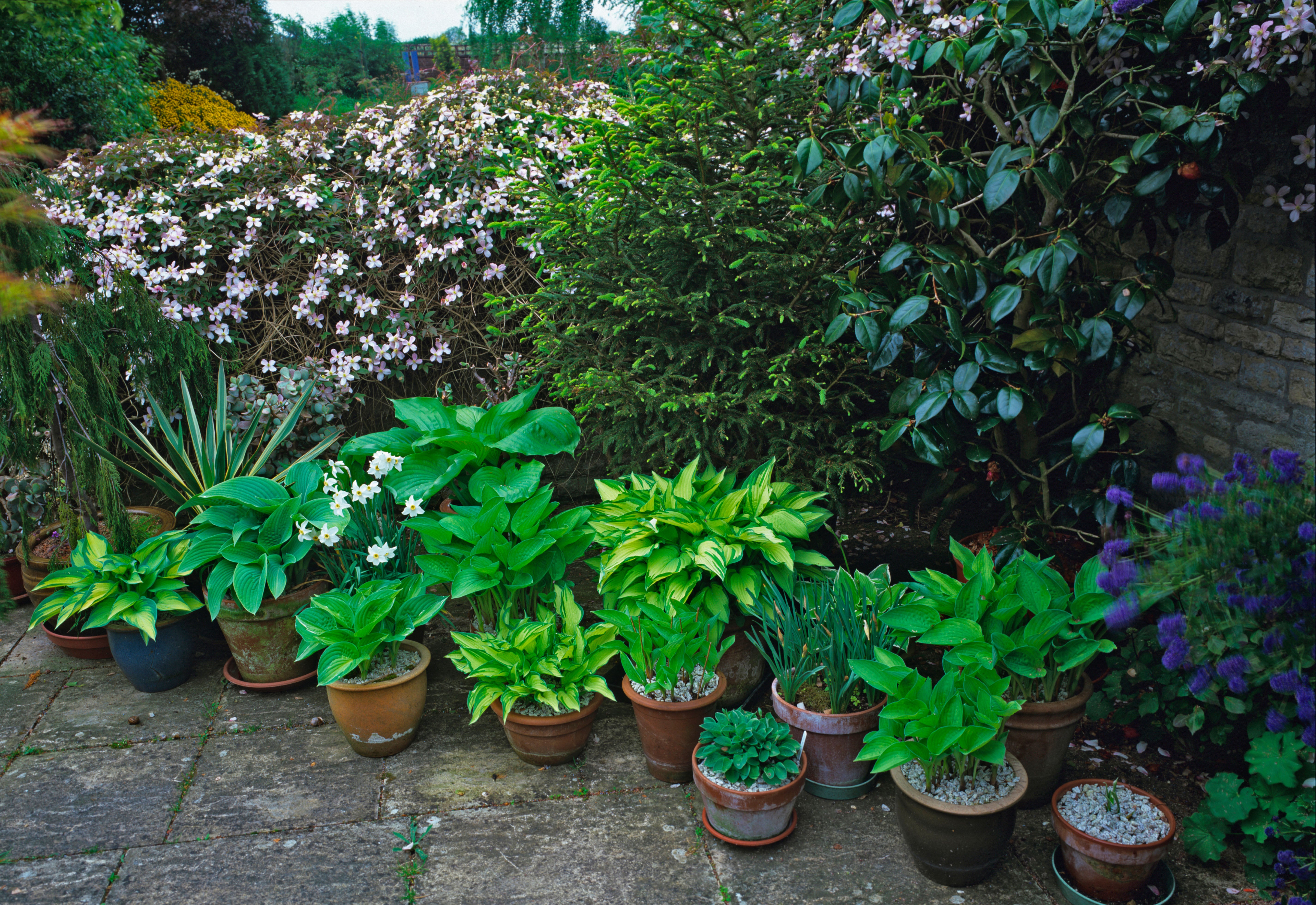
Make sure that the compost in patio pots and planters is wet enough, because even if you have rain it’s unlikely that the container plants will get enough, as much rainwater tends to run off the leaves and doesn’t make it to your compost.
If the roots of your plants are touching the edge of the pot, the heat of the sun will be hitting the sides of the pot, causing the roots to burn, she warns.
“If this is the case, take the plant out of the pot, make sure there’s some fresh compost around the roots for protection and it will help keep them a bit cooler.”
You may need to repot your plants into a larger container but if not, cut some of the roots back, place them in new compost and add water-retaining crystals to the mix, she suggests.
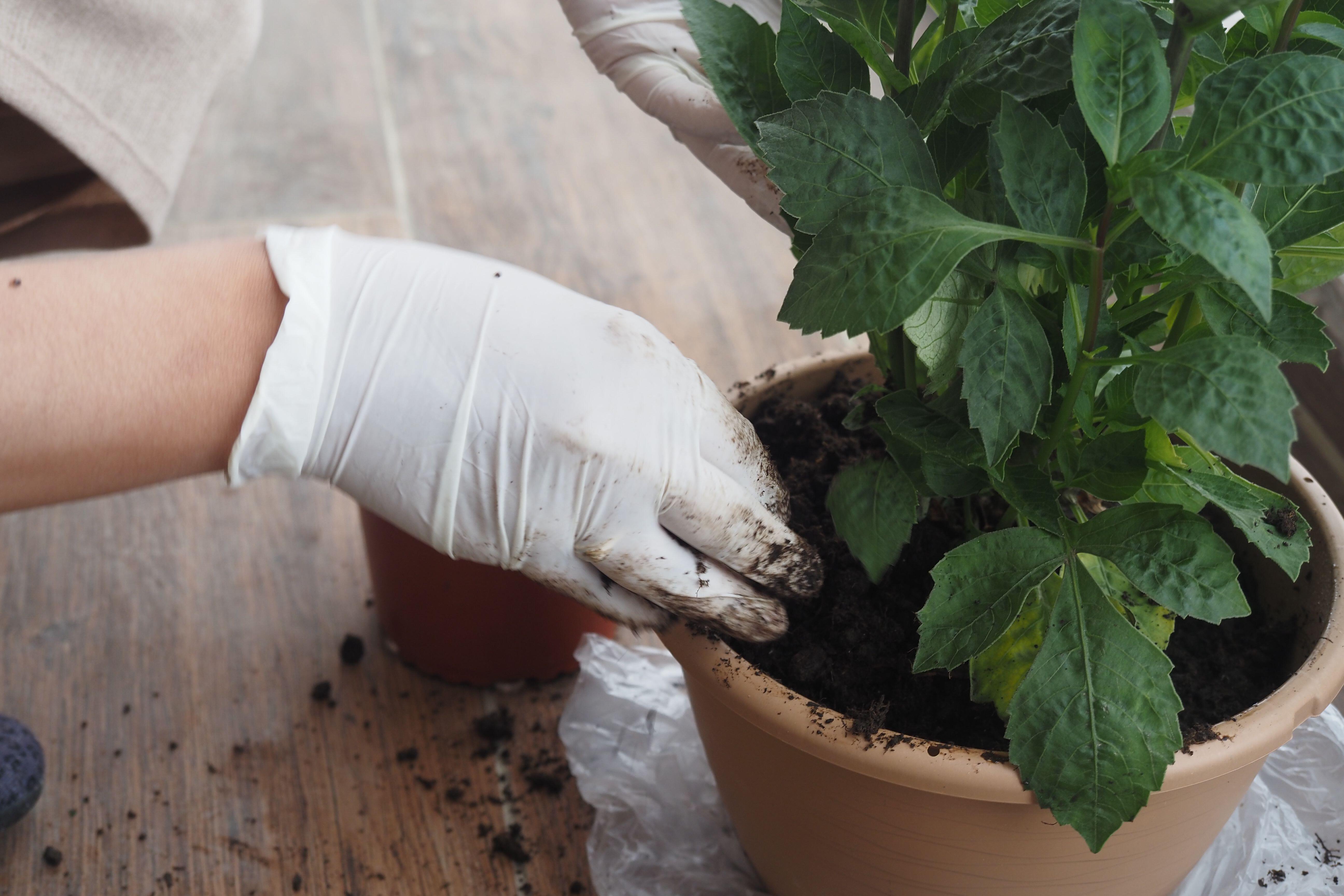
“Every time you water, the retaining crystals will swell and hold extra water, which they release gently over a long period of time.”
Also consider where you have placed the containers, she advises. In a heatwave, don’t leave them in a blazing corner of the garden on concrete with no shade.
“Is there any shade you can give them, to give them some respite from the heat?”
You may be able to move them on to the soil in a shady border temporarily, or you could group patio pots together in the shade, with the smaller ones tucked in underneath the larger specimens with bigger leaves, to give them shelter, Ms Youngman advises.
“Put saucers underneath them to prevent the water draining away. If you water on top any surplus which runs into the saucer can be taken up later.”
Don’t water the lawn
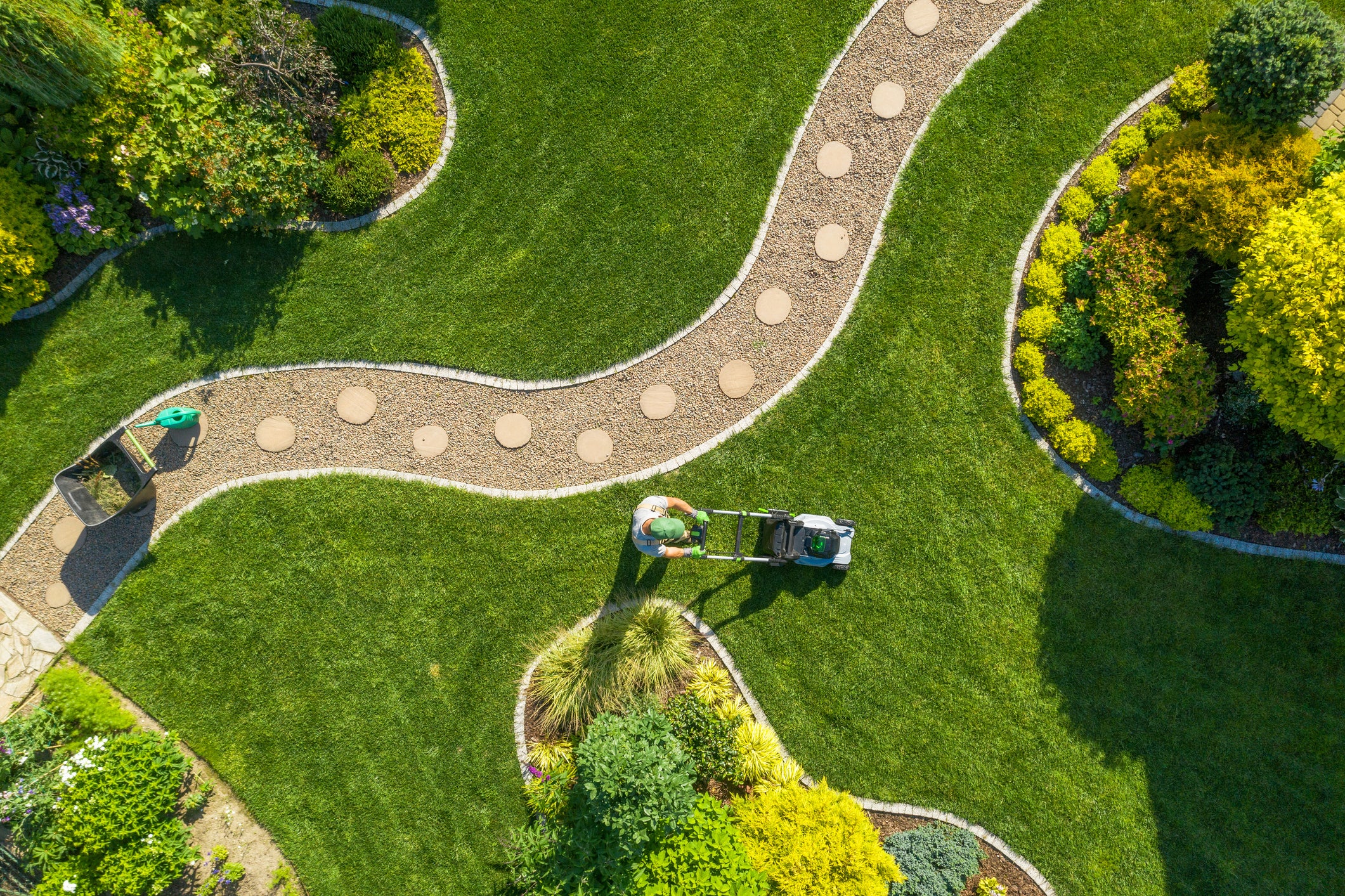
“All you’re doing is wasting water. We haven’t got enough water to keep lawns alive and they will come back in autumn,” she advises.
“But in high summer if you have a heatwave, it makes sense to use a digging fork to put a few holes in the lawn so that when the rain comes it’s got somewhere for the water to go, it stops the lawn becoming too compacted and the water won’t drain away on to your path or where you don’t want it to go.”
Consider automatic irrigation
Automatic watering systems can be very efficient because you can time them to trickle out at the roots of the plant for a certain period. In greenhouses you could sit plant pots on capillary matting which soaks up water like a sponge and then can distribute it more slowly.
Alternatively, soak strips of capillary matting to dip into your plant pots from, say, a bucket of water, like a wick.

Use grey water
Ms Youngman says that water which has been used for washing vegetables, rinsing, or even cooking (used for boiling veg in a steamer, for instance), is perfect for watering your plants, once it is cool.
“It can also absorb nutrients from eggs and vegetables which have been boiled in cooking.”
Just make sure not to add any salt to the water when you are cooking, which will make the water unsuitable for watering plants.
Catch water which has rinsed your vegetables in a washing-up bowl but don’t use water that you’ve washed greasy plates or other crockery in – and don’t use water in which you have put detergent, she adds.
Keep lids on water butts
This help reduce evaporation, keeps the water cooler and prevents birds and insects from falling in, she says. When it does rain, use other receptacles such as a wheelbarrow or buckets to catch more water.
Join our commenting forum
Join thought-provoking conversations, follow other Independent readers and see their replies
Comments
Bookmark popover
Removed from bookmarks