How to sow seeds indoors, according to the experts
Top tips for new gardeners from those in the know
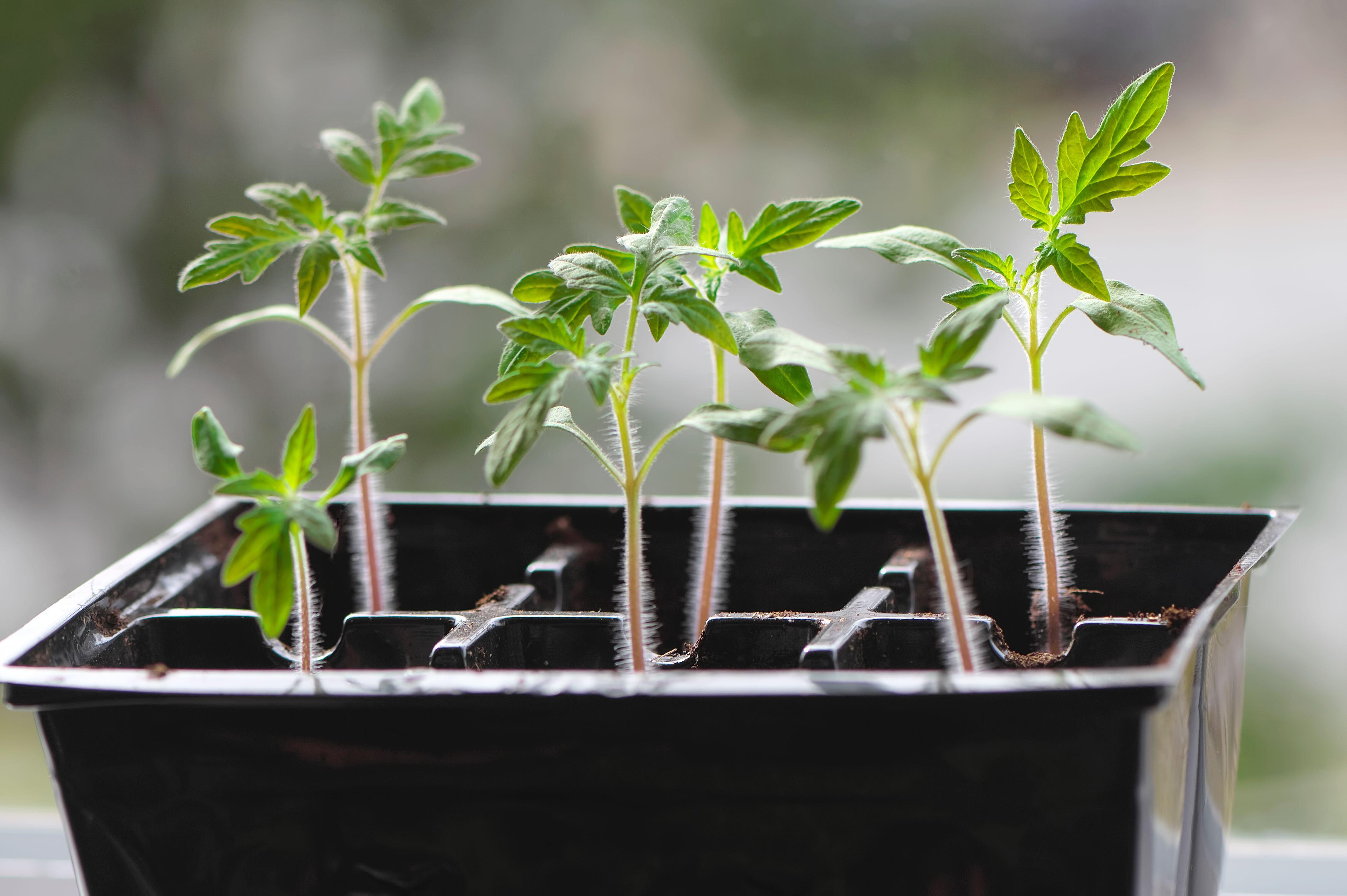
For those eager to bypass winter's chill, starting seeds indoors offers a rewarding head start on the gardening season.
A dedicated windowsill is often all that's required, negating the need for extensive space.
Cultivating vegetables, flowers, and herbs through late winter and spring ensures they are robust and ready for planting outdoors once the weather warms, providing a clear advantage.
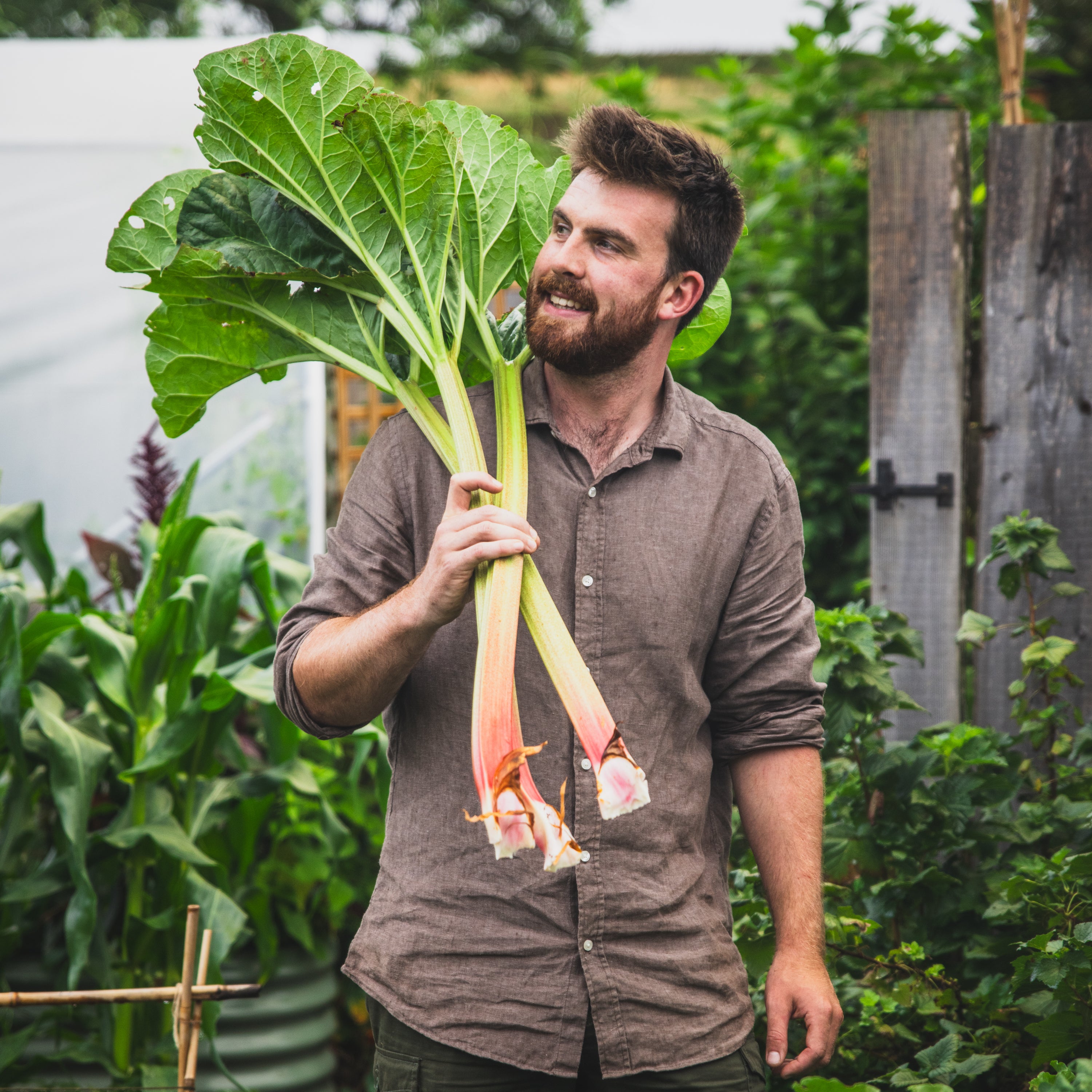
“You get so much more variety and choice if you grow from seed,” says YouTuber, best-selling author and horticulturist Huw Richards, whose new book How To Grow Food, co-written with chef Sam Cooper, is out on March 12.
“If you buy a plant, you might not know what compost they have started the seeds off in or any added chemicals.
“Here’s a simple analogy. It’s like going to a fast-food restaurant, getting a product that you consume, but you don’t really know what’s gone into it. But if you get all the primary ingredients and make that same meal yourself, you’ve got that transparency.”
What you’ll need
Seed trays (either with cells or without), good quality multi-purpose peat-free compost and, most importantly, seeds. If you are sowing early you will ideally need a heated propagator or heat mats to help the seeds indoors germinate. Lids with ventilation for your seed trays are also useful.
Other sundries include a fine mist sprayer to keep the compost moist, plant labels and a permanent waterproof marker pen (widely available from garden centres).
Water, heat and light
“The three main things you need to think about are water, heat and light,” says Richards, Gardena brand ambassador.
“The biggest mistake that people make when sowing seeds is overwatering because there’s too much water in the compost. It just causes the seeds to rot. Make sure that it’s damp, like if you’ve just wrung out a sponge.”
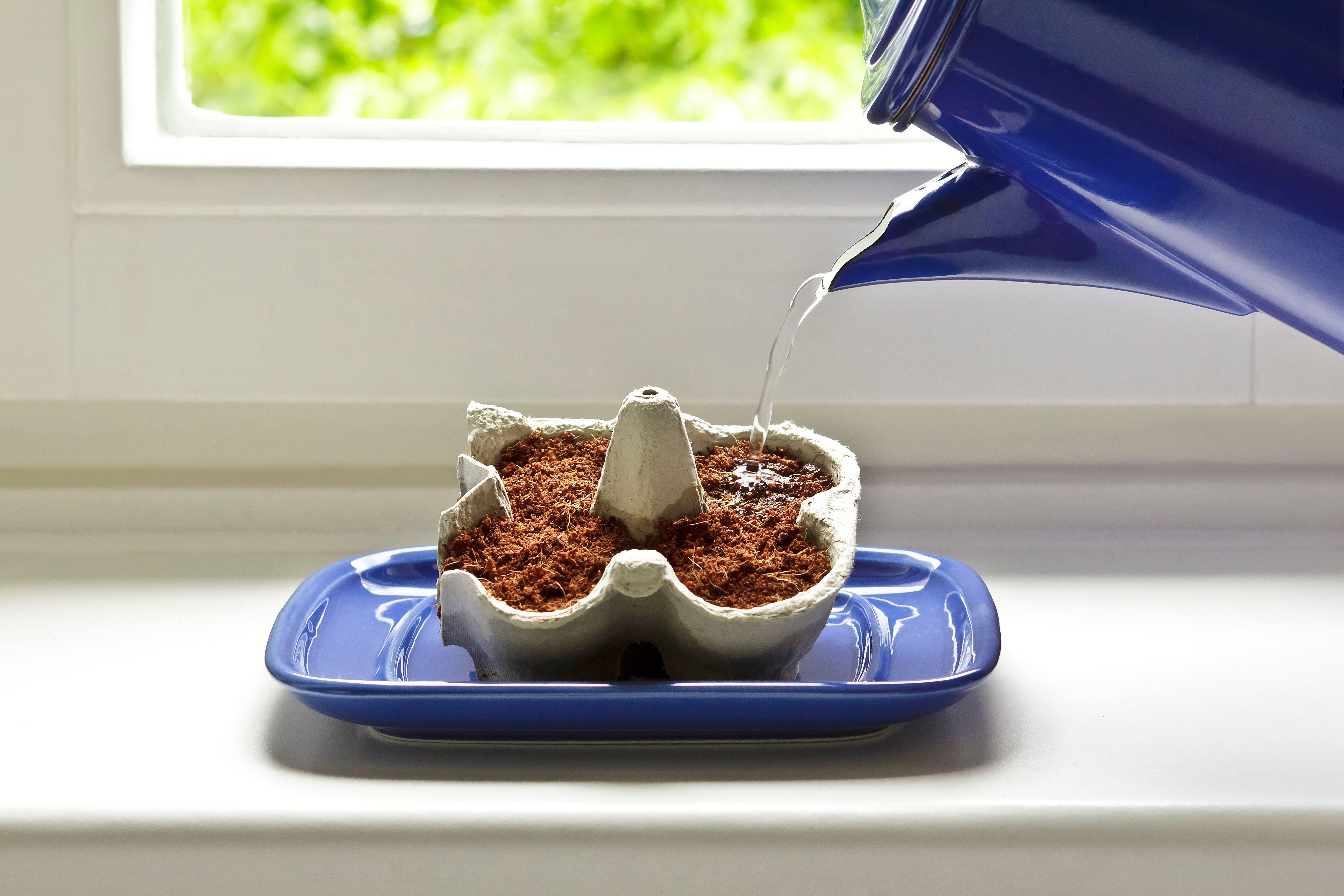
Edibles that people would start sowing first, like chillies and tomatoes, need some baked heat to help them with germination, or they are likely to fail, he continues.
“Some people put their trays in an airing cupboard that’s warm and on the first sign of germination, move them to a sunny windowsill otherwise the seedlings will turn leggy,” he says.
“You can get heated propagators, or fancy ones that have built-in LED grow lights, but if you want to keep things simple, any situation that has ambient warmth really helps as well.”
Seeds will germinate without light, Richards explains, because then they will emerge to try to find the light.
“Basically, the germination is more about soil contact, water and (high) enough temperature.”
Tips for windowsill growing
If you only have room to grow seeds on a windowsill while the weather is still cool, invest in a heated propagator or heat mats, which can be rolled up and are easy to store, he recommends.
The earliest crops for sowing might be chillis and aubergines, bell peppers, which could be started off in late February.
“The end of February is a good time to sow tomatoes, because the issue is that they grow quite quickly. If you start them off too early, they’re going to get too big for their modules, cells or pots.
“They’ll need potting on and you’re going to be trying to grow them indoors for another two months before you can plant them in a polytunnel (or other sheltered spot such as a greenhouse), which won’t be until the beginning of May,” he explains.
Flowers to sow
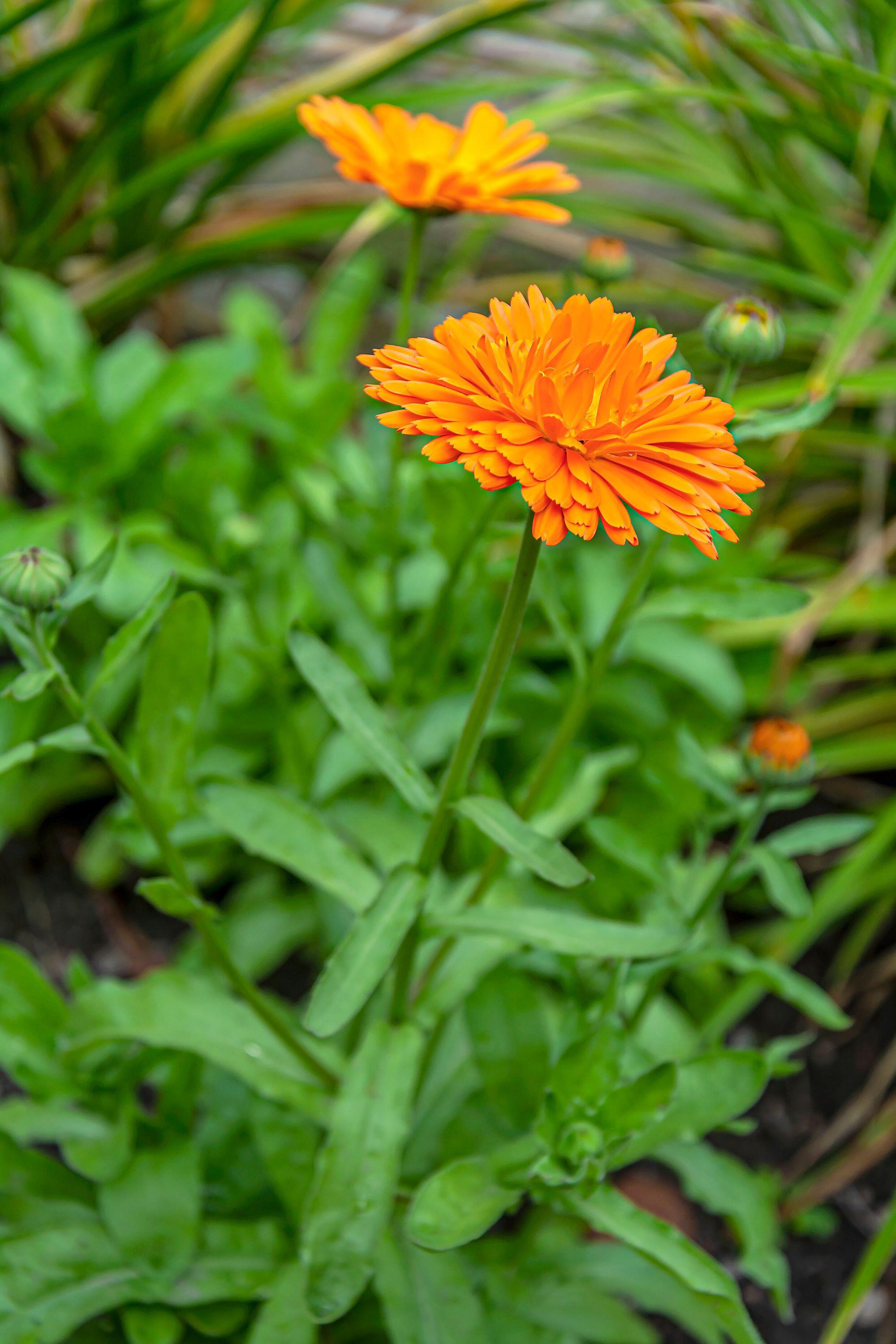
Sow flower seeds such as calendula, cosmos, nigella, larkspur and ammi majus from February onwards, but if you are sowing that early you’ll benefit from heat mats or a heated propagator, he points out.
“These are heat-loving crops from a different part of the world, they’re not used to our low temperatures. Even an ambient temperature on a sunny windowsill is still pretty cool. You can plant them without any bottom heat, but you might only get the odd one pop up, but most will likely fail.”
If you don’t want to invest in heated accessories, leave your sowing until mid-spring, when temperatures are warmer.
Sowing tips
Use good quality, multi-purpose, peat-free compost – RHS or Soil Association-endorsed is a good marker, Richards says.
Dampen your compost before you put it into your seed tray or cells, making sure it is moist but not soaking. Then sow your seeds as per the seed packet instructions.
Growing in individual cells or just regular seed trays is a matter of preference, but with larger seeds, such as broad beans and runner beans, you may be better off starting them off in small pots or bigger cells because they will need extra depth for the roots to develop.
Once seedlings appear, if they are on a south facing windowsill, rotate the trays daily, he recommends.
When the compost starts to dry out water it with a fine spray. You can transplant them to slightly bigger cells or pots once three to four true leaves have appeared, he suggests. True leaves are those which follow the first two leaves after germination.
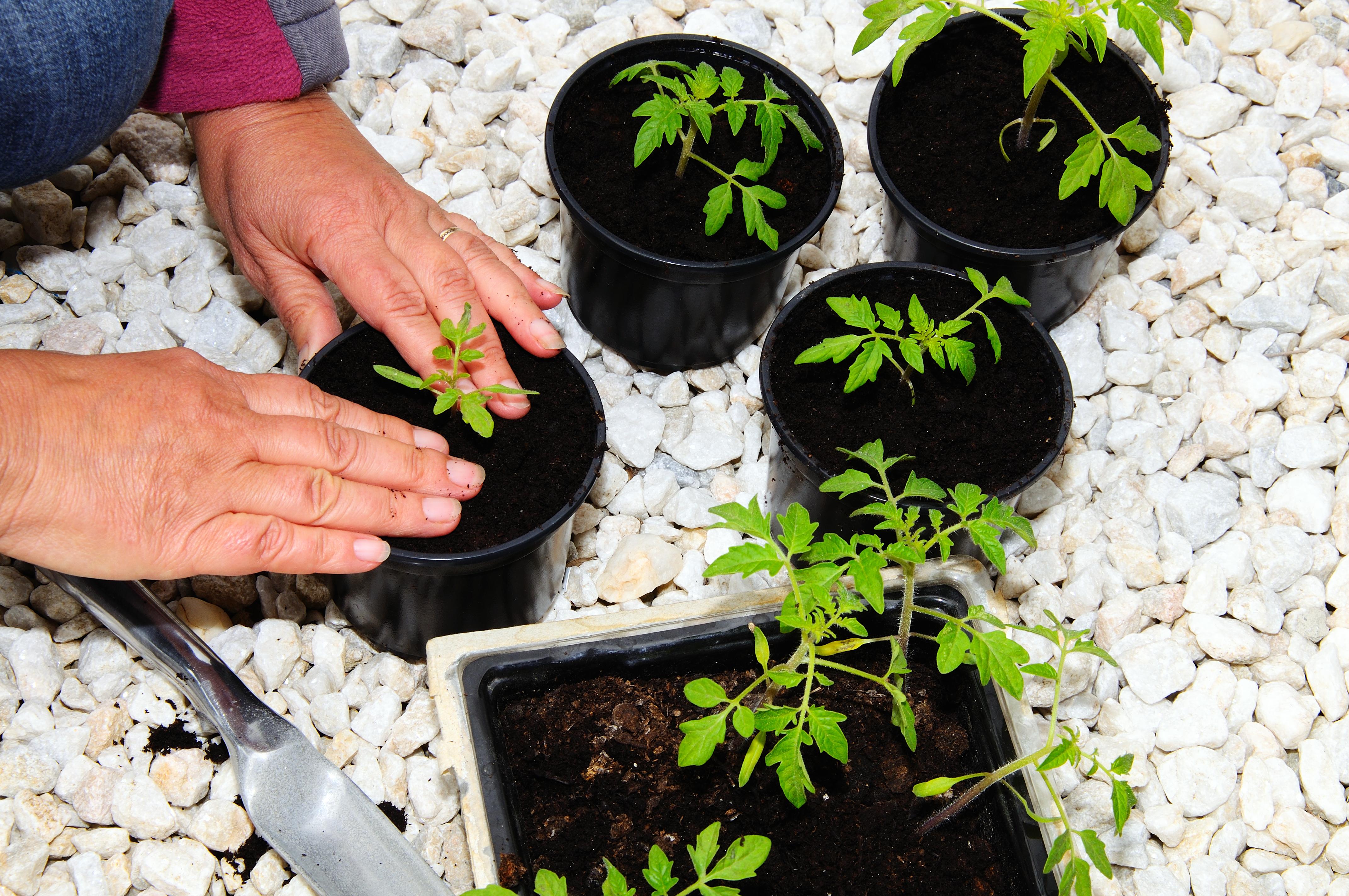
If you’re going to pot on into individual cells, there’s no need to thin, because you’re thinning through the process of pricking out and planting out, he says.
Plants like radish and beetroot are planted out in a clump – with four to five seedlings per planting. Then you pick the biggest root first and allow the smaller ones to continue growing.
“If you’re after individuals, say, if you’ve two tomatoes per cell and two seedlings appear, you’ll then remove the weakest or the smallest one, and cut it out, don’t pull it out, because they’re really small seedlings and the act of pulling might damage the roots of the other seedling.”
Be patient
“People need to stop rushing. I know they’re eager, and that’s great, but plants catch up as well. My biggest sowing month is actually May, so you’ve got loads of time, you can still sow tomatoes in early April and get a crop,” he says.
Bookmark popover
Removed from bookmarks