Expert reveals how to attract bats into your garden – and why they are so important
How to attract bats into your garden and why they are so important
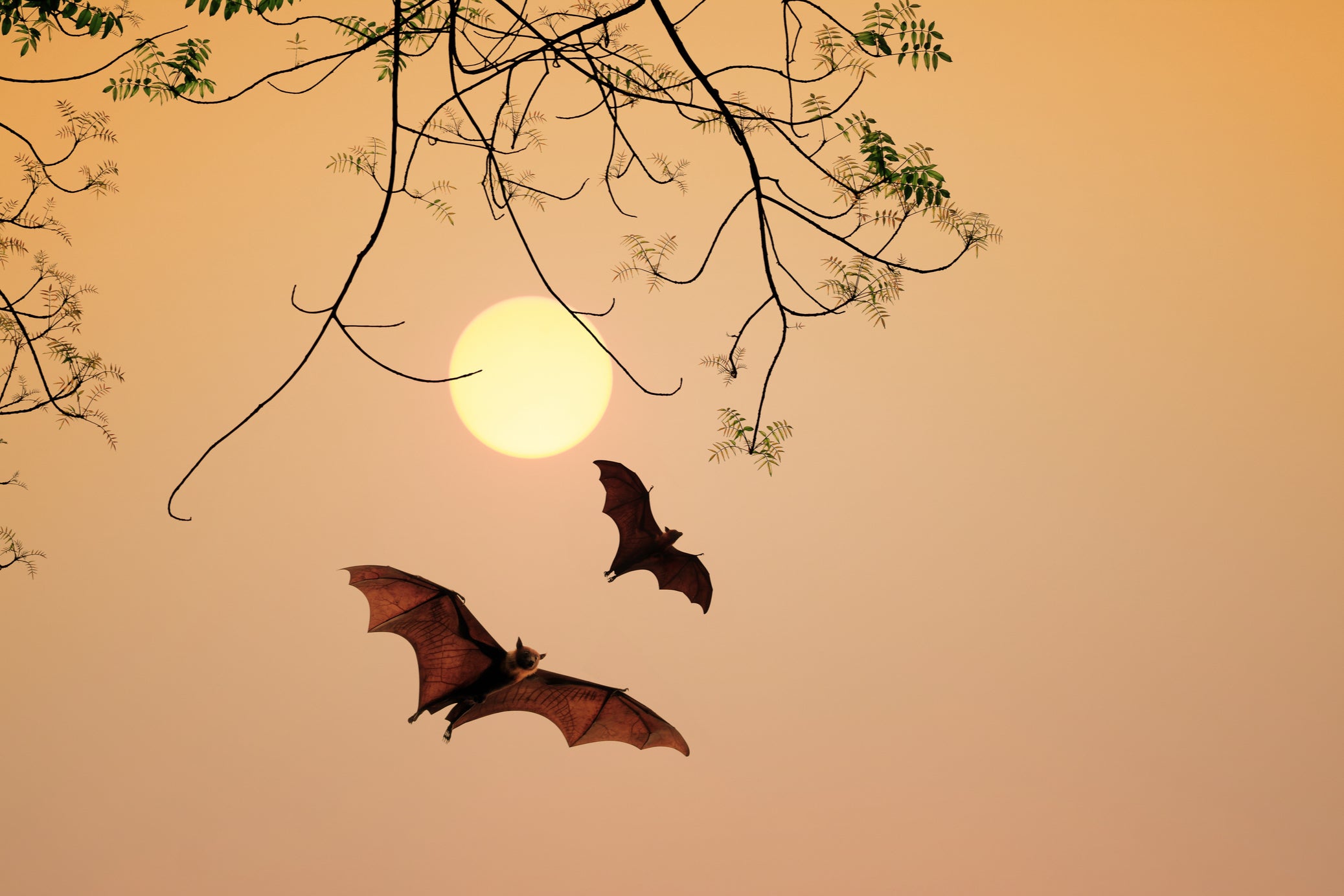
Next year’s RHS Chelsea Flower Show will feature a garden demonstrating how to support bats.
Melanie Hick’s The Nocturnal Garden for the Bat Conservation Trust highlights ideal plants.
Hick states: "The image of bats is changing. The more we get to know about our environment, the more we understand we’re not the most important thing.
“Far from being vampires and spooky movies stars, they are adorable soft creatures of the night."
So, why are they so important?
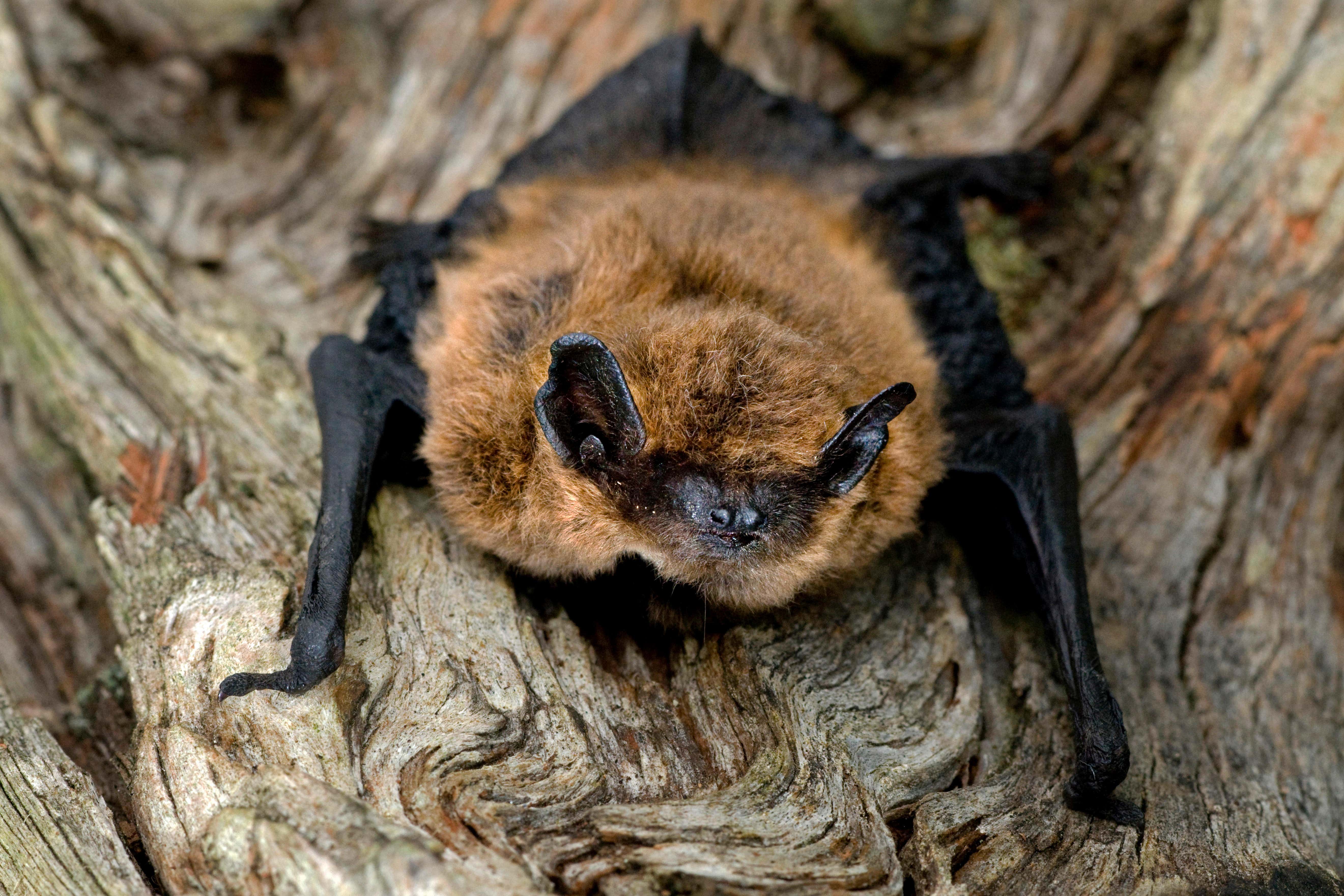
Bats indicate a healthy eco-system
“They are an indicator species which lets us know that the environment is doing well where we are,” she says. “When we have bats in our garden, akin to having birds in our garden, it means we’ve got insects and pollinators and a healthy soil and plant biodiversity.
“If a family of bats is in your garden it means there is food there for them, and that means tiny moths and other little insects. That in turn means you’ve planted a lot of different types of plants, you’ve got water, healthy soil and you might also have tree coverage and space for roosts.”
How can we attract them into our gardens?
Plant for insects
All species of British bat eat only insects such as midges, moths, mosquitoes and beetles, according to the trust, so you need to choose plants which are a magnet for insects.
“You may already have a lot of plants that attract the insects that bats need to feed from, things like ox-eye daisies, hawthorns, dog roses, violas and some of our so-called weeds like bird’s-foot trefoil,” says Hick.
Mix it up
Plant a mixture of flowering plants, vegetables, trees and shrubs to encourage a diversity of insects to drop in. Native plants tend to support far more species of insect than hybrids or exotics, so they should be used as much as possible, the trust advises.
Extend the flowering season
Make insects available all year round. All UK bat species eat insects so try to extend the flowering season from early spring, when bats come out of hibernation, to late autumn, when they are building up fat reserves in preparation for hibernation.
Use plants which attract insects at night
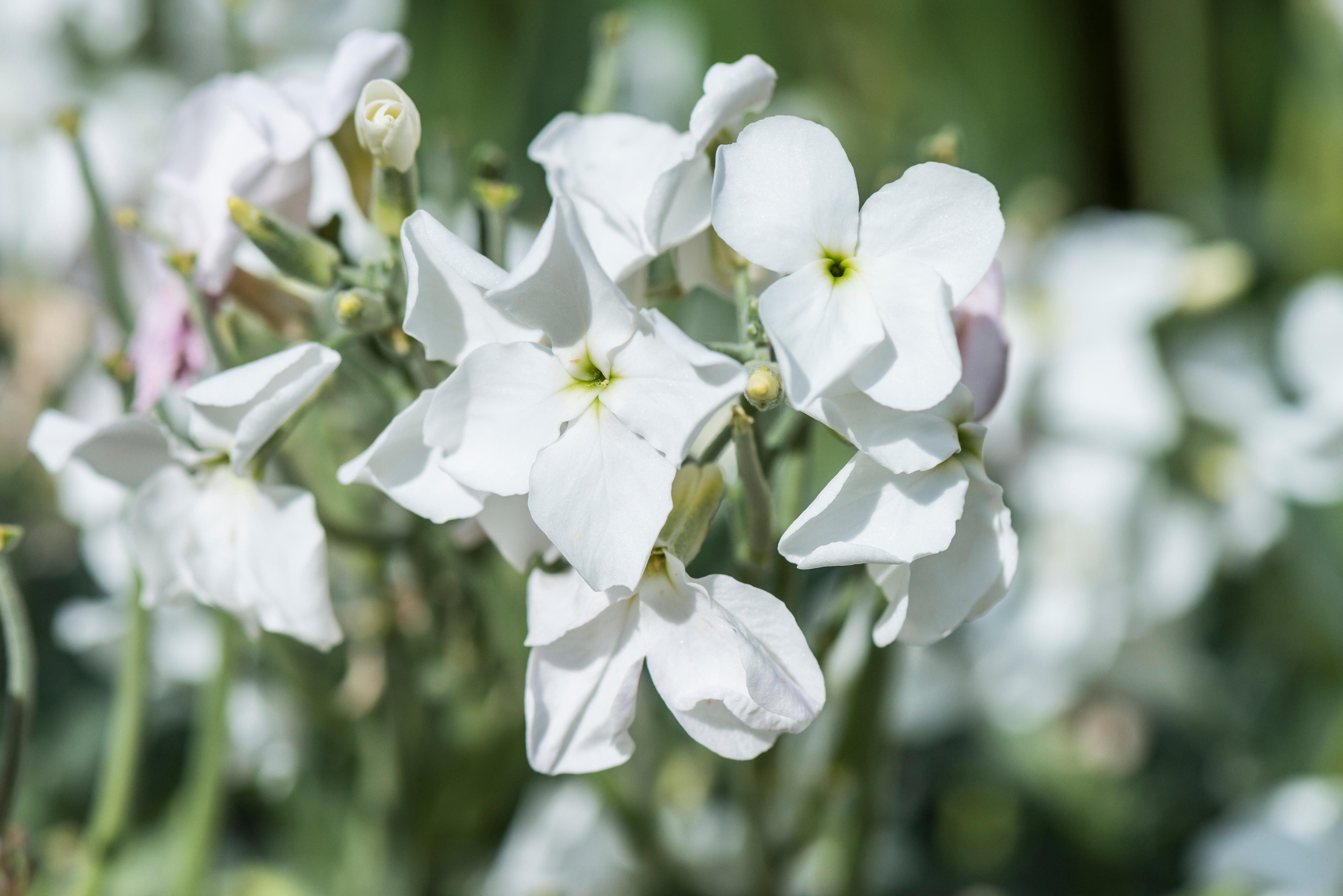
Tall, pale or night-scented flowers are more obvious to night-time insects like moths, so consider night-scented stock, hemp agrimony and evening primrose in your planting scheme, the trust suggests.
Plant in layers
“Bats feed in the air, but the way to plant your bat-friendly garden is to plant in a range of layers from the ground to mid-height and up. You are trying to create a multi-textural biodiverse garden and the happy accident will be that you’ll attract bats,” says Hick.
Don’t tidy up too much
Let insects find their hiding places in log piles or under rotting leaves – or even in a compost heap – so leave some garden debris for shelter for them.
Include open flowers
“We are looking at planting for pollinators and insects so want to see a natural open face of a flower, like ox-eye daisies and forget-me-nots,” Hick says. Echinacea, Michaelmas daisies, thyme, fennel and foxgloves are also good, she adds.
Don’t forget water
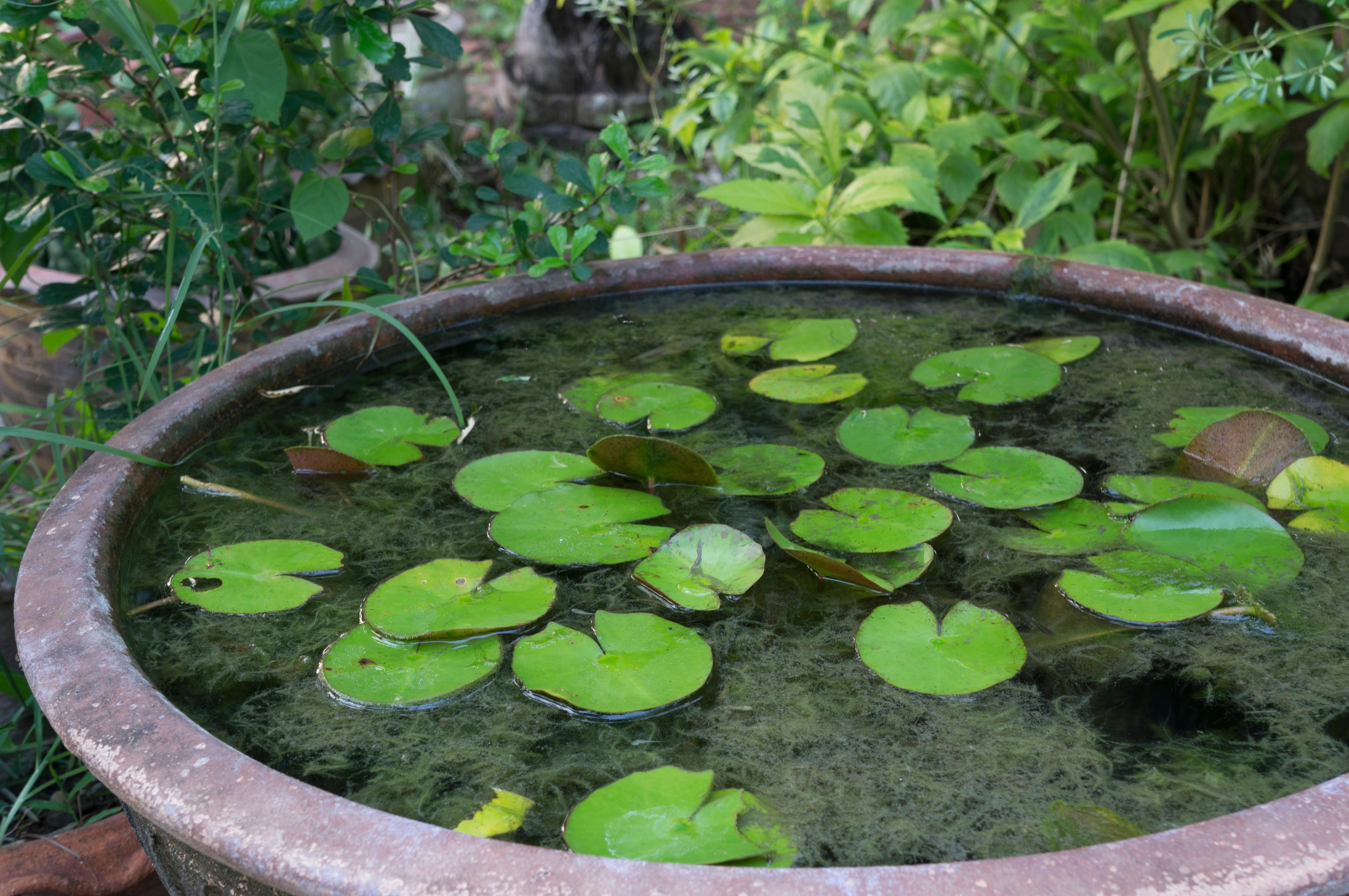
Whether it’s building a pond or just installing a small water feature, you can offer bats somewhere to drink. Water features also attract insects. Many tiny flies favoured by bats start life in water as aquatic larvae.
“Make sure you have water because the pollinators and tiny moths that bats eat need water and habitat to survive. We have to think backwards to what the insects are going to need,” says Hick.
Keep it dark
“Dark sky standard lighting is what we’re looking for to support wildlife, biodiversity and bats in gardens,” says Hick.
Avoid using uplighters and don’t flood your outdoor space with light when it is unnatural for it to be there, she advises.
“The light pollution interrupts the life cycle of the pollinators and the moths, and that in turn affects the bats.
“Of course, light your paths for safety and by all means have your security lights, but consider turning them off at night when you’ve gone inside.”
If you want to keep your security lighting on, consider changing your settings to a dimmer light or fit hoods or cowls over them to limit light pollution, the trust suggests.
Set up bat boxes
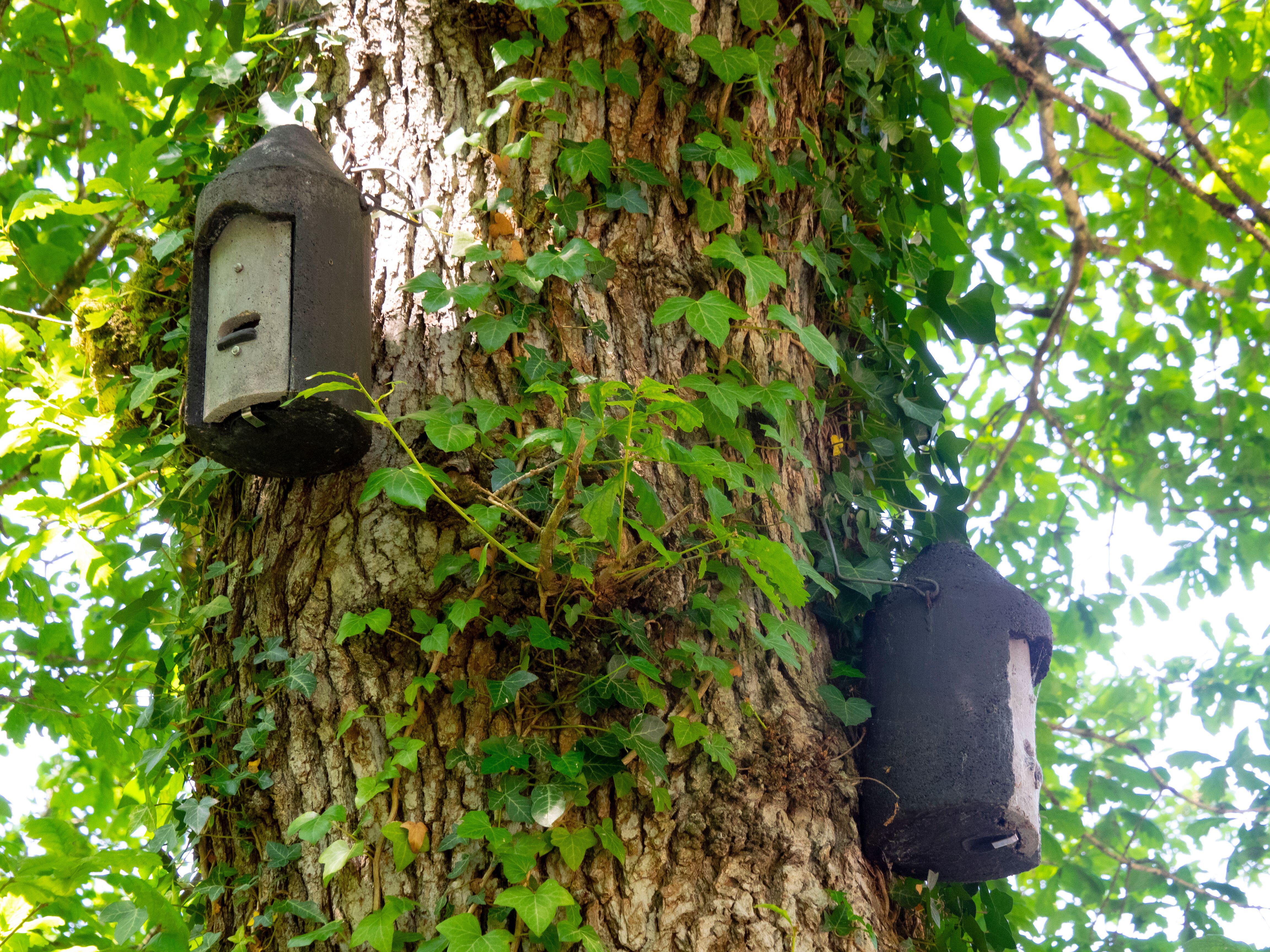
“Roosts are really important, so you can add roost boxes which are commonly available, which will be demonstrated in The Nocturnal Garden,” says Hick.
Bat boxes are more likely to be used if they are located where bats are known to feed, says the trust. Some bats use a tree line or hedgerow for navigation. Putting boxes near these features may help the bats find the box.
And in the smallest spaces…
If you have a tiny garden, consider a vertical herb garden or wildlife friendly climbers to use your vertical space, or plant up a variety of pale, open flowered and scented plants in pots.
For more information on gardening for bats and a plant list, visit the Bat Conservation Trust
Bookmark popover
Removed from bookmarks