President of Peace? How Donald Trump’s claims to have ended eight wars in his second term fall apart
The US president believes he has resolved enough global conflicts to have earned him a Nobel Peace Prize. James C. Reynolds and Alex Croft report on how his boasts stand up to scrutiny
Donald Trump tied up his first year back in the White House with a flurry of dramatic foreign policy moves; forcing regime change in Venezuela, threatening Iran with airstrikes and fracturing vital relationships with Nato allies over a plan to annex Greenland.
But despite the aggressive manoeuvring, the US president insists he is a peacemaker. Mr Trump began his second term last January with a promise to end Russia’s war on Ukraine within a day. That conflict is still very much in progress a year later despite repeated US-brokered peace talks.
Nevertheless, in recent months, Mr Trump has taken to claiming he has ended eight wars since returning to office, and stated he “can’t think of anybody in history that should get the Nobel Prize more than me”.

“The eight wars that my administration has ended in eight months – there's never been anything like that,” Mr Trump bragged in late October, during a signing ceremony to end a conflict between Cambodia and Thailand.
“We're averaging one a month... It's like, I shouldn't say it's a hobby, because it's so much more serious, but it’s something I'm good at and something I love to do.”
Below, The Independent looks at whether Mr Trump’s self-professed list of achievements stands up to scrutiny.
Israel and Hamas: Hundreds dead since US ceasefire deal
In October 2025, the Trump administration managed to broker a ceasefire between Israel and Hamas after two years of deadly conflict, sparked by the militant group’s attack on October 7, 2023. Some 1,200 people were killed in the attack and around 250 more were taken hostage.
Gazan authorities say more than 71,000 Palestinians were killed in the two-year Israeli assault on the strip that followed.
As part of the US-brokered ceasefire, Mr Trump secured the release of the last living hostages and all but one of the bodies of the deceased have been returned.
“Everybody's happy,” he said in October as he took a victory lap in the Israeli parliament to rapturous applause. “This took 3,000 years to get to this point, can you believe it? And it's going to hold up too.”
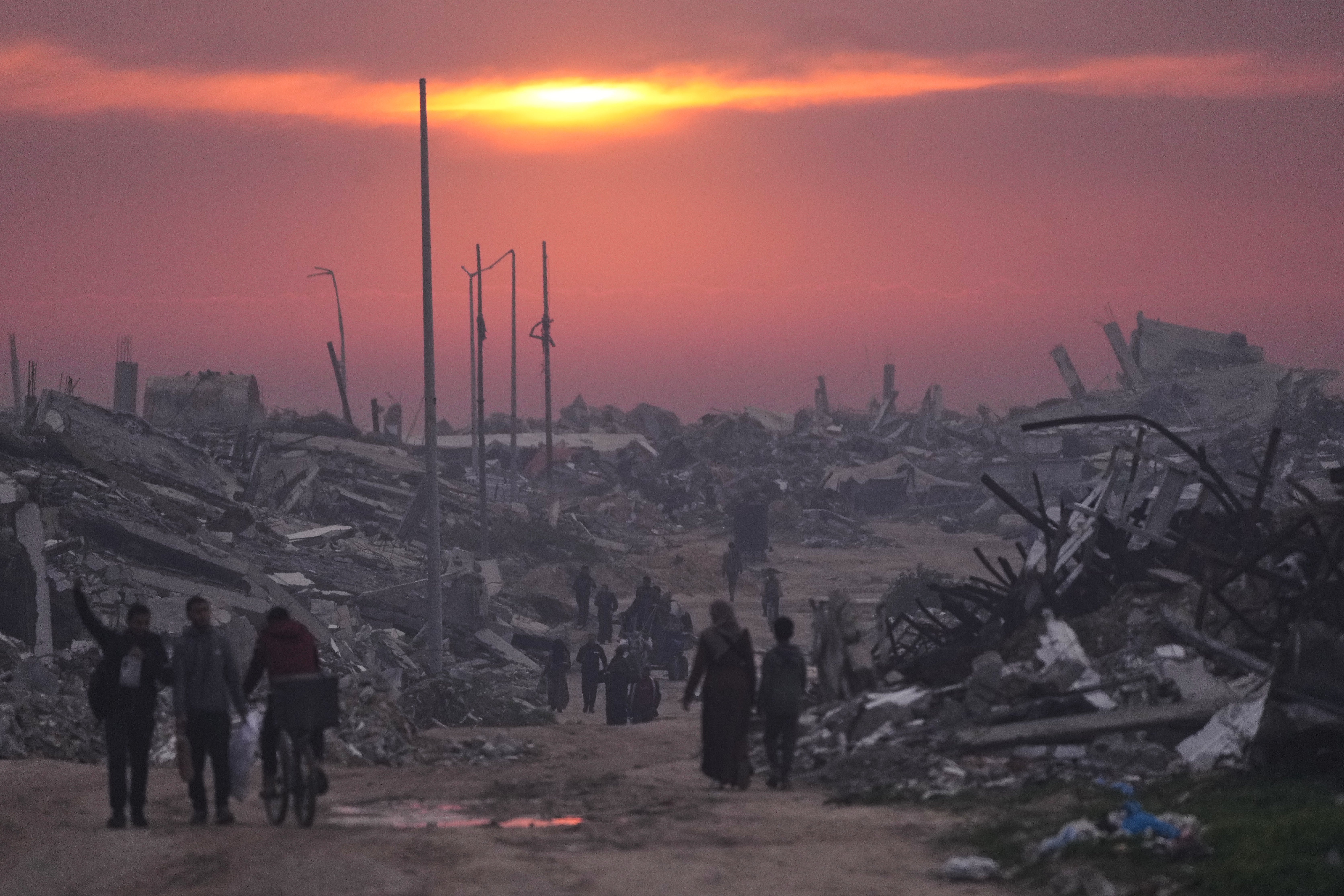
However, with hundreds dead since the deal came into effect, many have claimed it is a ceasefire in name only.
Fighting on the ground has reduced, but Palestinians continue to be killed over “ceasefire violations” alleged by Israel. More than 400 Palestinians and three Israeli soldiers have been reported killed since the ceasefire took effect. The UN said in January 2026 that more than 100 children are among the dead, including victims of drone and quadcopter attacks.
The US announced in January it was pressing on with the second phase of its plan to end the conflict for good, with a new government for Gaza and the demilitarisation of Hamas. Hamas has not yet agreed to those terms and has regrouped since the ceasefire.
Days after the phase two announcement, Bloomberg reported that Mr Trump wants countries to pay $1bn to join the peace board.
The president has also made it clear that he sees Gaza as a potential investment opportunity, with claims it could be turned into a “riviera” despite decades of deadly conflict.
Cambodia and Thailand: Fighting resumes weeks after ceasefire
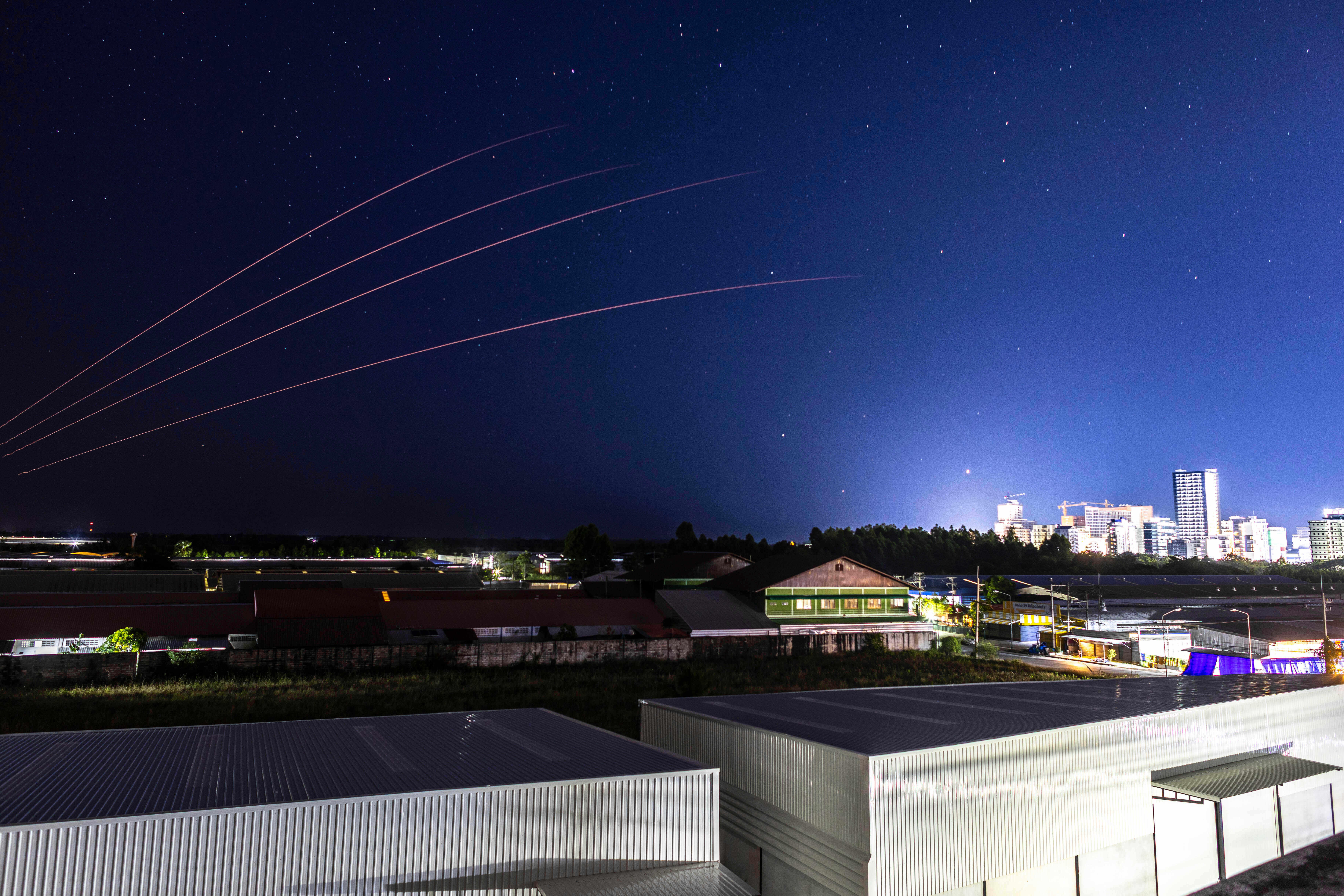
Border disputes have long caused tensions between Thailand and neighbouring Cambodia. The competing claims stem largely from a 1907 map drawn up by French colonial rulers to separate the two countries.
Conflict erupted in May 2025 when the two countries’ armed forces fired at each other in a relatively small “no man’s land” claimed by both countries. Weeks of clashes followed, with dozens killed and nearly a million people reportedly displaced.
Officials from both countries credited Mr Trump with pushing them to a ceasefire in July. Mr Trump said he warned Thai and Cambodian leaders that the US would not move forward with trade agreements if hostilities continued.
A more detailed October agreement followed, also under Mr Trump’s pressure. Heavy fighting again broke out in early December before a new ceasefire was signed on 27 December.
Up to 4,000 Cambodian families are still unable to return to their homes along the disputed border because of Thai incursions, the Cambodian foreign minister Prak Sokhonn said in January.
India and Pakistan: ‘Not a full-blown war’
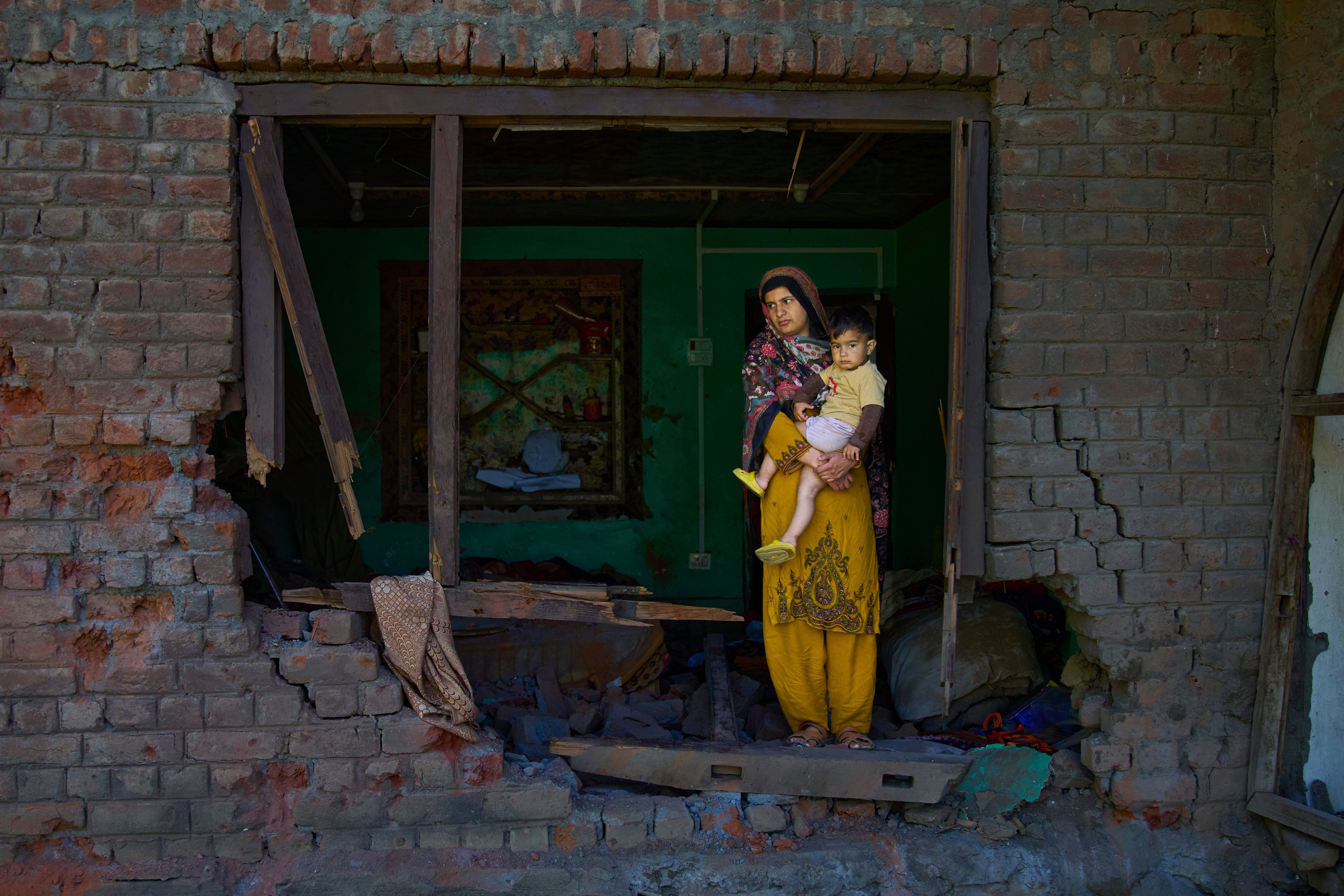
Conflict erupted between India and Pakistan in May, with both sides exchanging gunfire across the Line of Control following a terrorist attack in Indian-controlled Kashmir.
Mr Trump said the US brokered a ceasefire to end the hostilities within a matter of days. He said that came about in part because he offered trade concessions.
Pakistan thanked Mr Trump, but India denied his claims, saying they never had a conversation about trade in the context of the ceasefire.
Evelyn Farkas, executive director of Arizona State University’s McCain Institute, said the US might deserve some credit for ending the conflict, but told the Associated Press: “I’m not sure whether you would define that as a full-blown war.”
Rwanda and the DRC: Fighting continues despite ceasefire
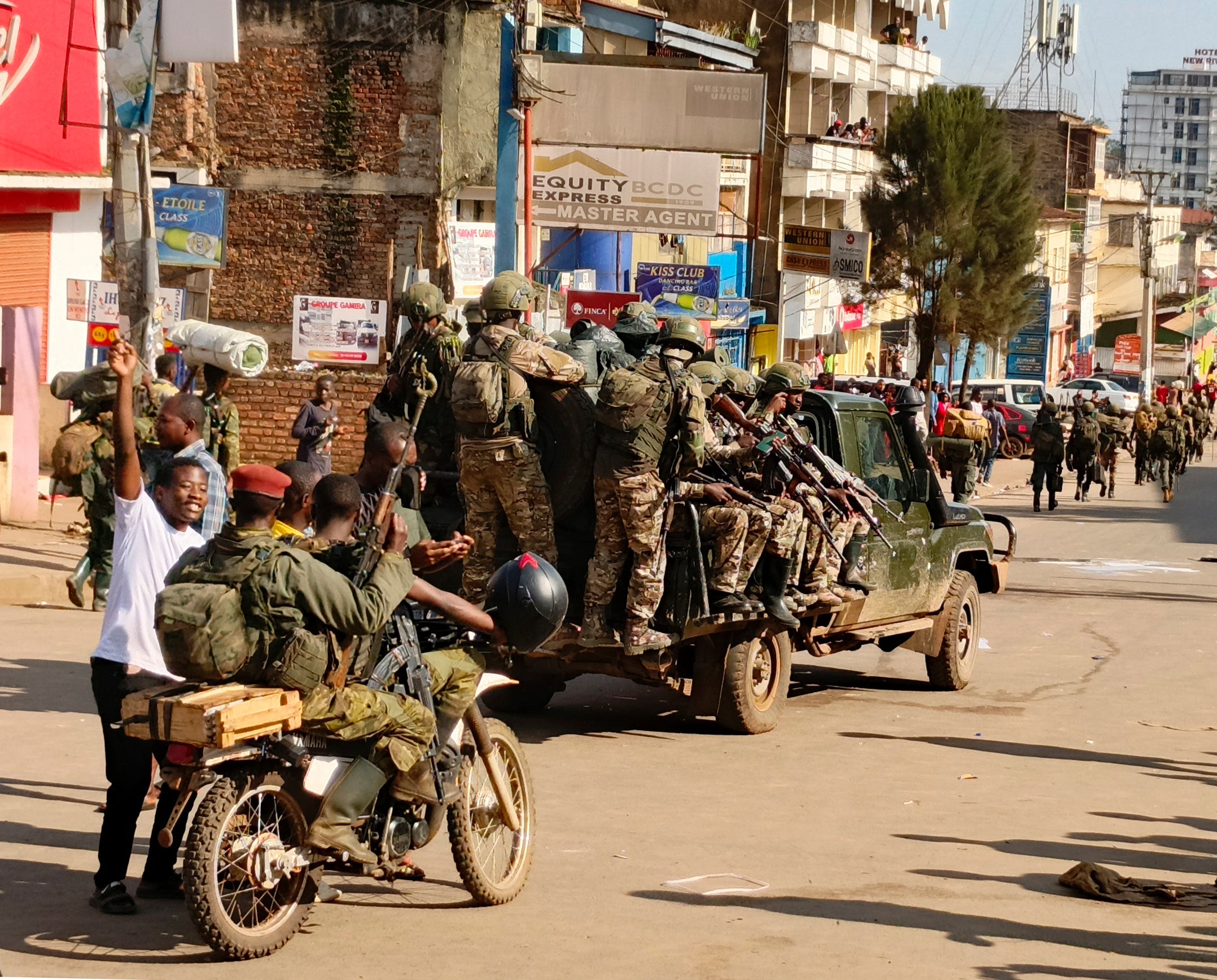
Mr Trump did play a role in mediating a ceasefire between Rwanda and the Democratic Republic of Congo (DRC) last year – but the conflict is far from over.
Both countries signed a US-brokered ceasefire agreement in late June, but it was never properly implemented. Mr Trump then invited the leaders to Washington in December to sign more documents assuring they were committed to peace.
Fighting has continued, and by the end of last year the Rwanda-backed rebel group M23 held more territory in the eastern DRC than ever before. Rwanda has long denied supporting the group.
Mr Trump is also not the only party with a claim to mediating peace. Qatar brokered talks between Congo and M23, but both sides have accused each other of breaching a ceasefire.
In January, the DRC blamed the rebels for 1,500 deaths as clashes reignited. Regional defence ministers gathered for an emergency conference to address the spiralling conflict, with diplomatic pressure waning.
Armenia and Azerbaijan: Progress but more to be done
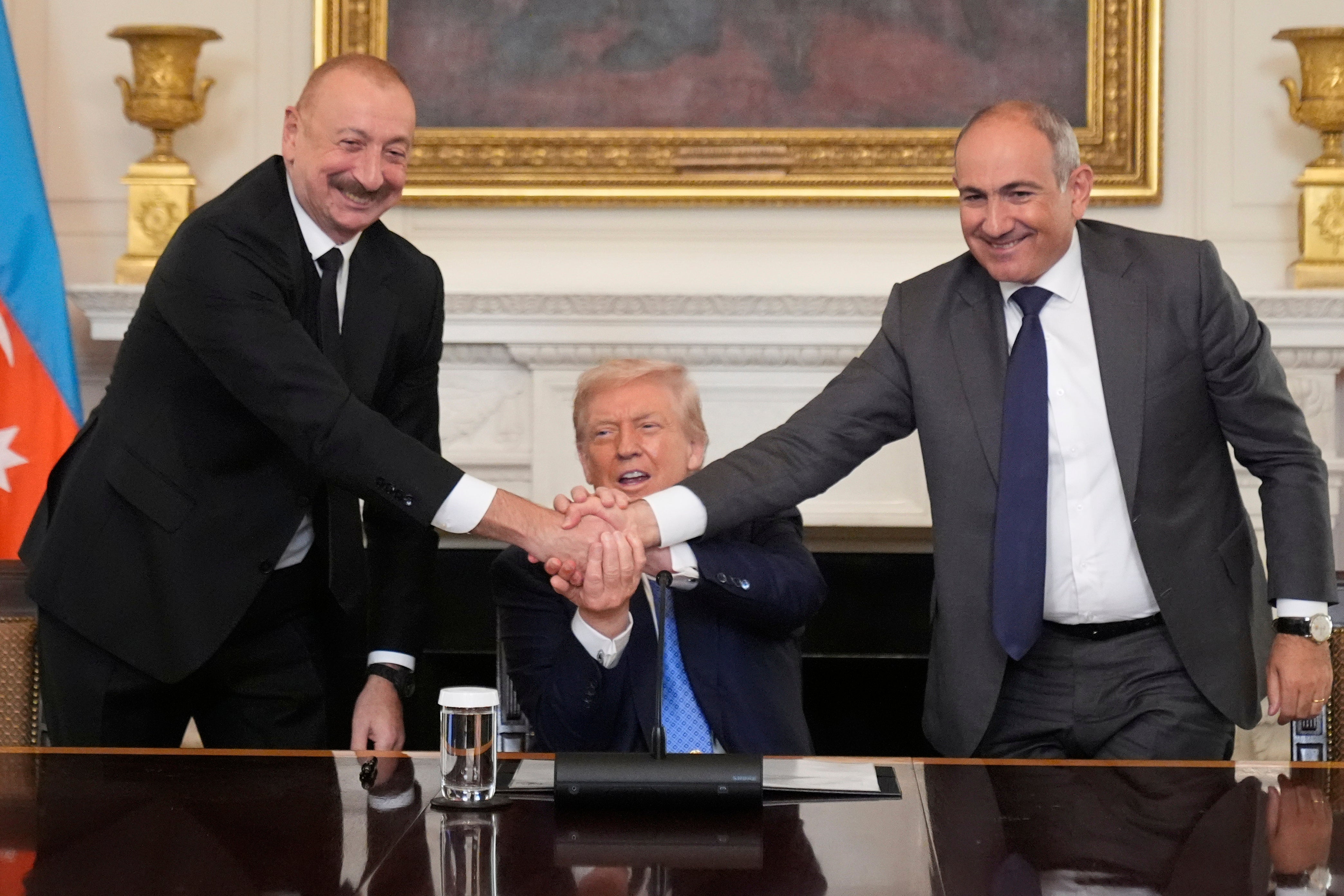
Armenia and Azerbaijan have fought over territory since the early 1990s, when ethnic Armenian forces took control of the Karabakh province, known internationally as Nagorno-Karabakh, and nearby territories.
Mr Trump invited the leaders of the two countries to the White House in August to sign a deal aimed at ending hostilities. There were agreements on reopening key trade routes and a commitment to a peace treaty, but they still need to be ratified.
In January, Radio France Internationale reported a framework had been published after Armenian officials met the US secretary of state Marco Rubio. The deal gives Washington a 74 per cent stake in a company that will build roads, rail, energy and digital infrastructure, RFI added.
William Dunbar, a Rand Europe associate, said that a genuine peace agreement “has the potential to transform one of the most intractable conflicts on the territory of the former Soviet Union”. To see it through, the West will need to sustain its engagement through 2026, he said.
Egypt and Ethiopia: Tensions, but not a war
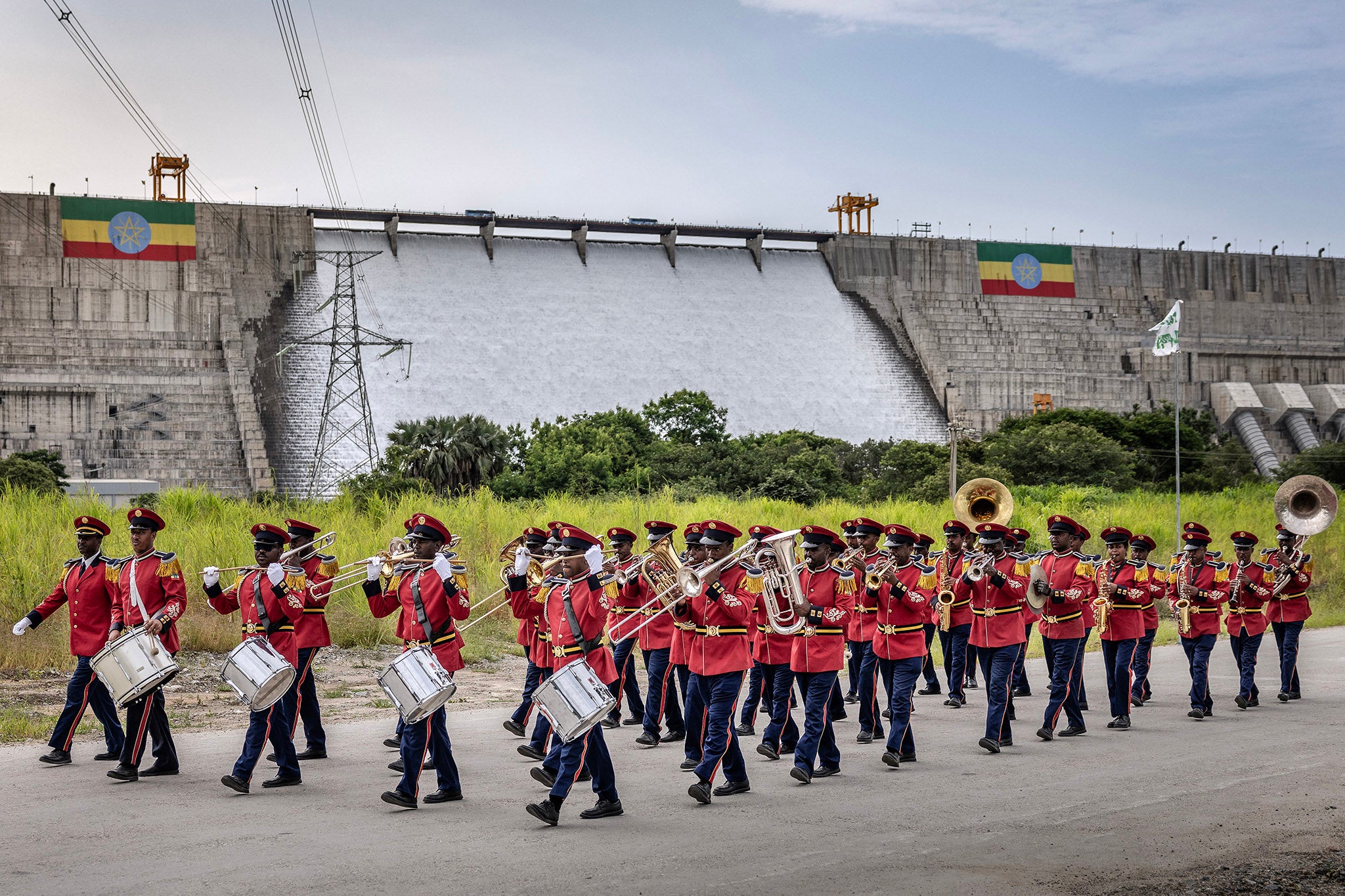
The White House spokesperson Karoline Leavitt has included Egypt and Ethiopia in a list of conflicts that "the president has now ended” last year.
The two have a long dispute over the Grand Ethiopian Renaissance Dam, which Egypt sees as a national security problem, fearing it will threaten its water supply.
The dam was opened in September despite objections from Egypt and Sudan. During his first term, Mr Trump tried to broker a deal between the two countries but could not get them to agree.
Rising tensions have not yet boiled over into a physical confrontation. It is also unclear what Mr Trump’s role in mediating the spat has been.
He said in July, before Ms Leavitt’s remarks: “We’re working on that one, but it’s going to get solved.”
Serbia and Kosovo: Lack of progress on first-term deal
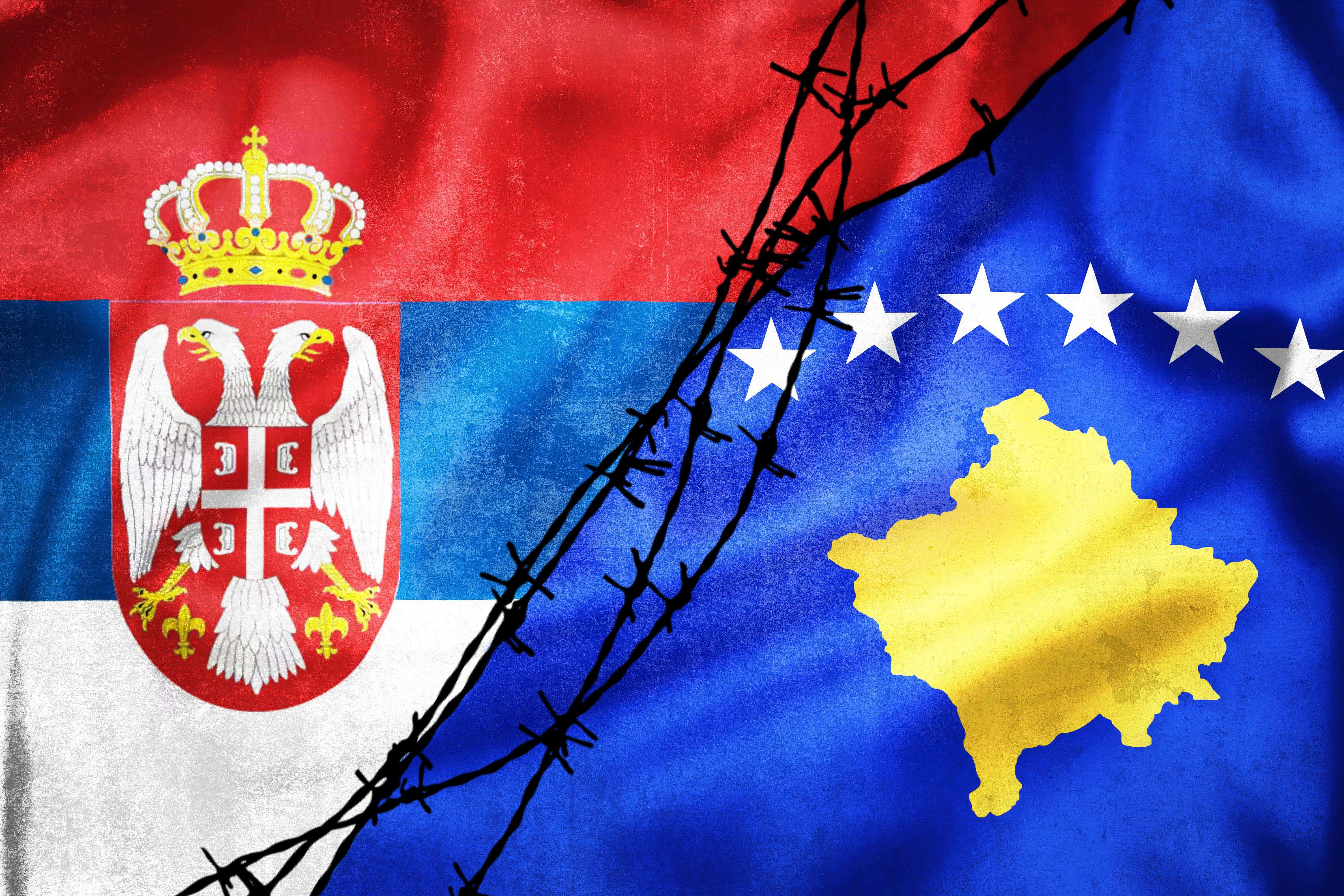
Kosovo is a former province of Serbia that declared independence in 2008.
The White House lists the conflict as one that Mr Trump has resolved. But despite continuing tensions there has been no threat of a war between the neighbours during Mr Trump’s second term, or any significant contribution from him this year to improve relations.
During his first term, Mr Trump negotiated a wide-ranging deal between the countries, but much of what was agreed on was never enacted.
Progress on agreed projects, such as the envisaged “Peace Highway” linking Belgrade and Pristina to facilitate trade and travel between the countries, has been very slow.
Crucially, the agreements never tackled the main element of the dispute: Serbia’s refusal to formally recognise Kosovo.
In December it was reported that Jared Kushner, the president’s son-in-law, had withdrawn his private equity firm from a $500 million luxury hotel project in Serbia hours after four senior government officials were charged with bribery by prosecutors.
Israel and Iran: Renewed threats as protests grow
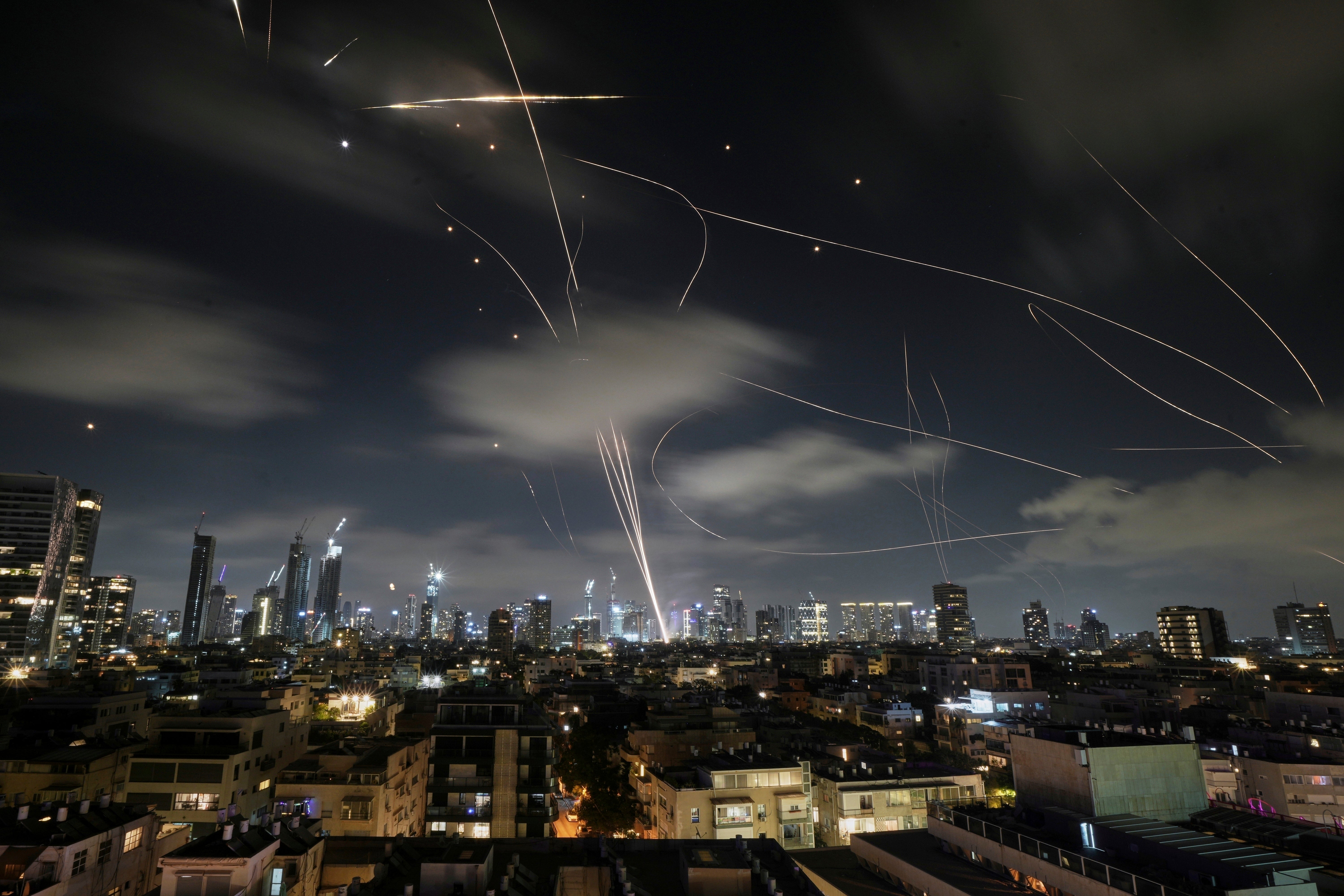
The White House credits Mr Trump with ending a 12-day war between Israel and Iran last June. He negotiated that ceasefire after bombing Iranian nuclear sites.
“Because of decisive military action, President Trump created the conditions to end the war, [while also] decimating – choose your word – obliterating, destroying, Iran's nuclear capabilities,” his defence secretary, Pete Hegseth, said at the time.
The White House rubbished reports by the US’s own Defence Intelligence Agency that the action had only set back Iran’s nuclear programme by a matter of months.
By December, Mr Trump was considering renewed strikes after the Israeli prime minister Benjamin Netanyahu briefed him that Iran was reconstituting its programme.
Mr Trump considered further military action against Iran in January this year over its brutal crackdown on nationwide protests against the government, but appears to have stood down, at least for now.
Israel has also warned it could strike Iran again if it feels threatened, continuing the decades-long tensions between the two countries.
Join our commenting forum
Join thought-provoking conversations, follow other Independent readers and see their replies
Comments
Bookmark popover
Removed from bookmarks