Could the Royal Navy get caught in Trump’s war against Venezuela?
As the US military captures a Venezuelan oil tanker and is given orders to shoot narco-terrorists on sight, British warships patrol the region. Military filmmaker Chris Terrill, who spent months aboard HMS Manchester explains what their role is and if it could change


HMS Manchester moves stealthily and invisibly through a moonless night. Rex Cox, the commanding officer, watches a small blip on his bridge radar screen, knowing his prey is close at hand.
“Four hundred yards to contact,” he says calmly. “Starboard 10.”
“Starboard 10, sir,” replies the quartermaster at the helm.
“Keep downwind. They mustn’t hear us coming,” says Cox, still eyeing the blip. “Three hundred yards – stand by sea boats!”
Sitting in total darkness wearing infrared night sights, I am in one of two RIBs (rigid inflatable boats) full of heavily armed British sailors. We have already been lowered into the sea and are awaiting orders. An urgent voice comes through from the operations room deep in the bowels of the warship: “They’re ditching packages, sir. We’ve got them on the thermal cameras.”


“They’re spooked!” exclaims Cox. “Deploy sea boats and illuminate!” Immediately, the switches are pulled on two enormous searchlights – one on the starboard bridge wing and another from the midship waist. The RIB surges forward with a roar from its twin outboard motors. Every sailor has their weapon at the ready; my waterproofed camera is on my shoulder and I’m already shooting.
It’s June 2010, and I’ve joined HMS Manchester for a seven-month mission to the Caribbean. I am making a documentary series for Channel 5, but it’s no tropical jaunt. This is a vital deployment, codenamed APT(N) – Atlantic Patrol Tasking (North) – that is as perilous as it is gruelling.
Every year between June and December, the Caribbean and North Atlantic are struck by a devastating hurricane season, and the Royal Navy’s job is to assist with disaster-relief operations and provide support to British Overseas Territories and Commonwealth countries during high-risk months. But that is not the warship’s main task.
The Royal Navy’s conspicuous presence in the region has long been part of the battle to deter traffickers – mainly Colombian and Venezuelan – and to prevent illegal substances, notably cocaine, from reaching US and ultimately European shores. The drug runners ply their trade in fast boats, fishing vessels, and even makeshift submarines, and are all part of a huge criminal network that is well funded, ruthless, and determined. For that reason, since the early 2000s, the Royal Navy has been operating in the Caribbean to help counter-drug activity in the region.
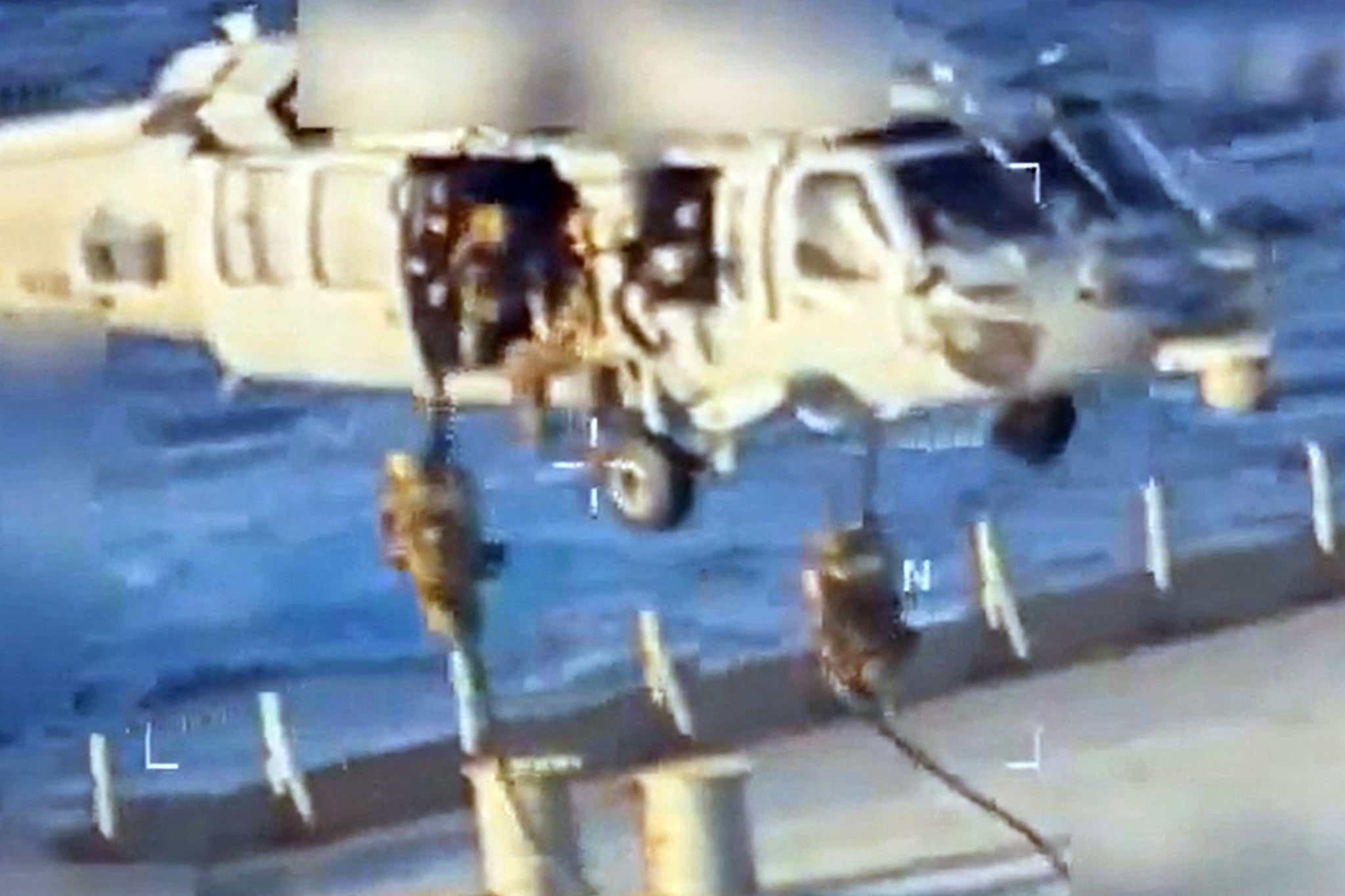
On board with us is a detachment of highly trained and heavily armed US Coast Guard as well as Royal Marines snipers. Within seconds, my RIB reaches the target fishing boat that intelligence sources have informed us is full of cocaine. We are drenched by sea spray and the huge waves crashing over us.
The sailors around me level their weapons at the three crew on the fishing boat. Are they armed? Will they opt for a shootout? The men – cocaine smugglers – have been caught red-handed ditching their deadly cargo. They look scared, but fear can prompt desperate measures. The sailors squeeze down imperceptibly on their triggers and await the next order.
The smugglers immediately raise their trembling arms. I now see that two are elderly and one much younger – no more than a boy. Hardly the terrifying narco-terrorists I had been expecting. They are not only scared witless; they are in bad physical shape too: thin, badly sunburnt and dehydrated. We later learn they had been at sea for many days with little water and no food.
The ditched packages of cocaine, still floating, are recovered, and the fishing boat is taken in tow. The hapless crew are checked over by the ship’s doctor and given saline drips, water and rations. HMS Manchester’s task is now to hand them over to the Colombian authorities, but not before they are interrogated separately by a Spanish-speaking US Coast Guard. This is a perfect opportunity to gain intelligence about how the cartels operate and recruit their mules.
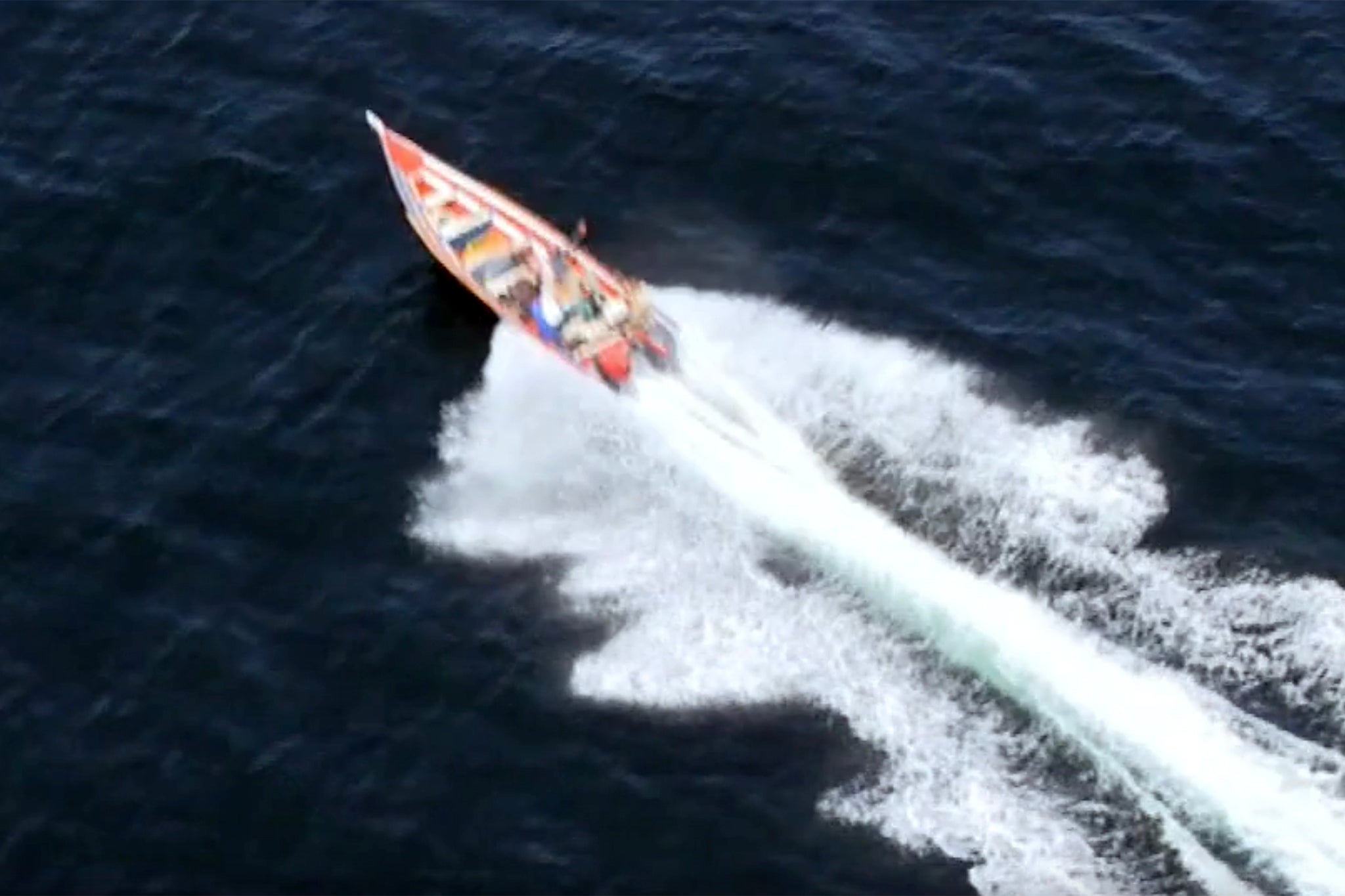
The men – both fishermen, and one the father of the boy – claim to have been coerced into the work by drug cartel bosses who threatened to harm their families if they did not comply. The detail and similarity of their statements suggest authenticity, and classified information from land-based agents who had infiltrated the gang network corroborates their claims. The recovered cocaine is pure enough to kill the entire population of a city the size of Manchester.
This was one of many interceptions that I was to witness in that ongoing game of cat and mouse between the Royal Navy, the US Coast Guard, and the drug runners. Every day, the ship’s Lynx helicopter, carrying Royal Marines snipers, would take off to patrol the ocean in search of suspect vessels. Their orders were not to shoot smugglers but to take out their engines if they refused to stop. Even when drug runners draped their bodies over the engines to prevent the snipers from firing, the marines were expert shots and could hit their target without injuring a human being.
Nobody on that deployment was hurt, let alone killed. More than once, we intercepted a suspect boat that was not carrying drugs at all – just fishing nets and lobster pots.
Compare this to the recent activities of the US military, which has launched a series of deadly strikes on alleged drug-smuggling boats in the Caribbean Sea and eastern Pacific Ocean. Last week, defence secretary Pete Hegseth ordered an attack on an alleged drug boat, which killed four occupants, amid the ongoing “double-tap” controversy surrounding the Trump administration’s strikes in the Caribbean. On 2 September, the administration targeted what it claimed was a Venezuelan “narco vessel” in the Caribbean, part of a crackdown that has so far killed more than 86 people in three months. After the first missile failed to kill everyone on board, it emerged that a second strike was ordered to kill the remaining survivors.
The dynamics of the drug “war” have escalated on both sides, but this has not stopped widespread condemnation of the shoot-first-ask-questions-later policy now adopted by the US administration. Many are now accusing Hegseth of war crimes, but he remains steadfast in his defence, doubling down on claims that Venezuelan narco-terrorists are a direct threat to American communities; that illegal drugs are “poisoning the American people”.
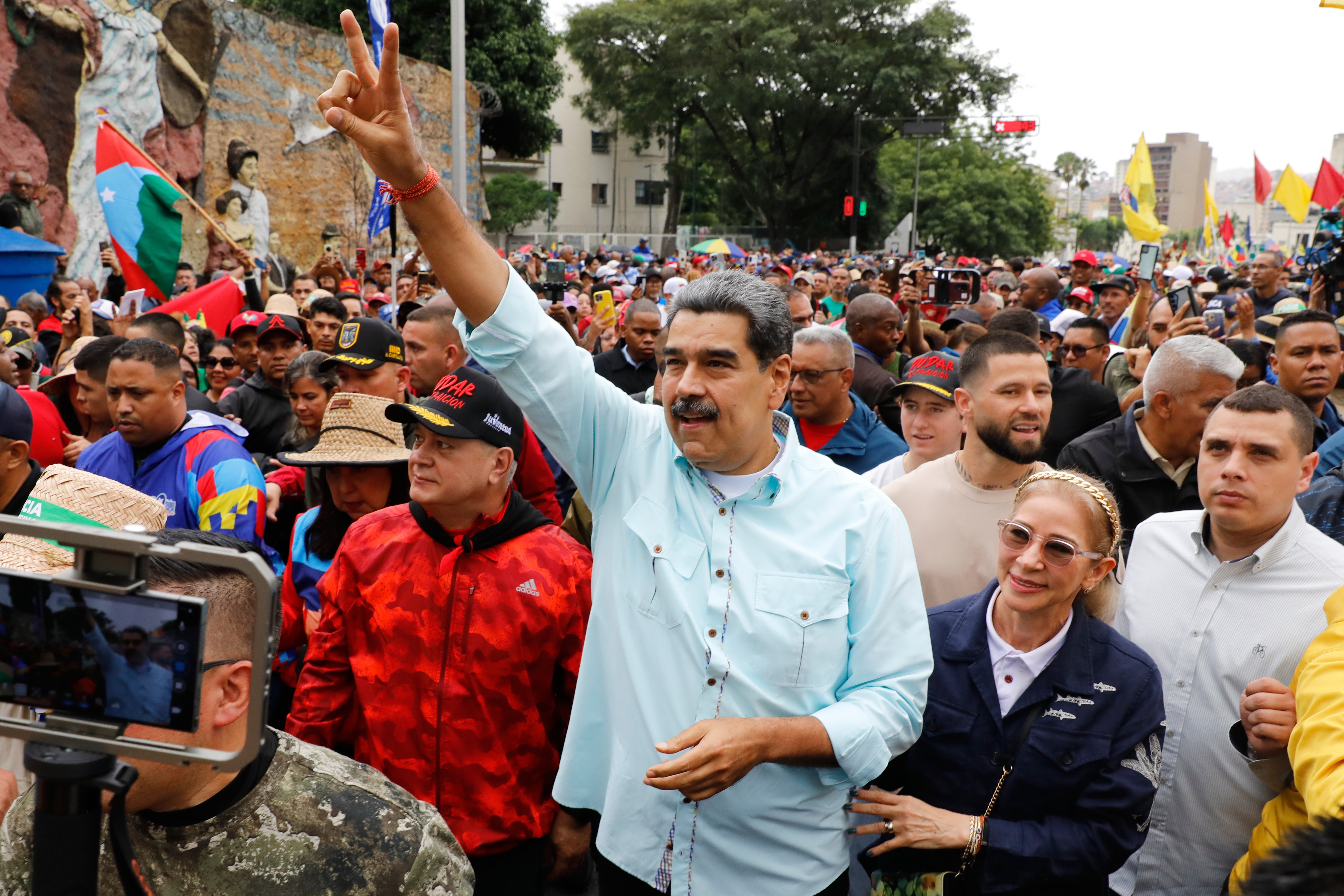
The ante has been upped in recent weeks and days – the most recent incident being Wednesday’s seizure of an oil tanker off the coast of Venezuela, marking a sharp escalation in Washington’s campaign against Nicolás Maduro’s government. The war against drug runners in the region is now viewed by many as part of a wider strategic initiative that could even see US troops on Venezuelan soil.
Against this backdrop, the Royal Navy continues its own drug-interdiction mission in the region, cooperating with partners and Nato allies, including the US, to stem the illicit flow of drugs. Since December 2023, HMS Trent has been deployed to the Caribbean, and while it has been busy recently with hurricane-relief duties in Jamaica, it has also had considerable success in tracking and intercepting drug runners.
Last year, the British warship seized £160m worth of cocaine from a “narco-submarine” in the Caribbean Sea – the first time the Royal Navy has intercepted such a vessel. Nobody was harmed in the operation. Despite the US’s newly aggressive tactical approach, the prevailing view remains that it is better to capture rather than kill – if only because of the opportunity to interrogate prisoners to glean intelligence.
The shooting of fast boats on sight is already prompting questions – especially the “double-tapping” of injured suspects. If this really is to be regarded as a war against the US, it should render such suspects hors de combat (“out of the fight”), making them prisoners of war – a protected status ensuring humane treatment under the Geneva Conventions, which prevent their killing or harm.
There is also the possibility that some of these so-called brutal narco-terrorists are, as in my experience with HMS Manchester, hapless fishermen who have been strong-armed into an illicit trade – a trade that now, thanks to the US’s more robust rules of engagement, carries the death penalty without trial or interrogation from either side.
Rex Cox was never without sympathy for the drug mules. “I have no doubt that they probably faced hard choices at home, but our job is to work with allies to prevent the transportation of deadly drugs, so we have to be steely about this at the end of the day.”
A US Coast Guard on board HMS Manchester (whose identity is classified) was more forthright: “These mules are the fall guys – expendable. The real villains are the gang leaders. People in San Francisco, New York and London who get their recreational fixes from cocaine need to know there’s always blood on it.”
So intractable is the drug problem – globally but particularly in the United States – that perhaps the real solution lies at the other end of the sharp stick: suppressing the demand through social awareness, education and drug rehabilitation.
No matter how efficient the drones or deadly the missiles, only a reduction in demand can solve this issue – but that is assuming the Trump’s administration's recent aggression is about a war on drugs and not another strategic play.
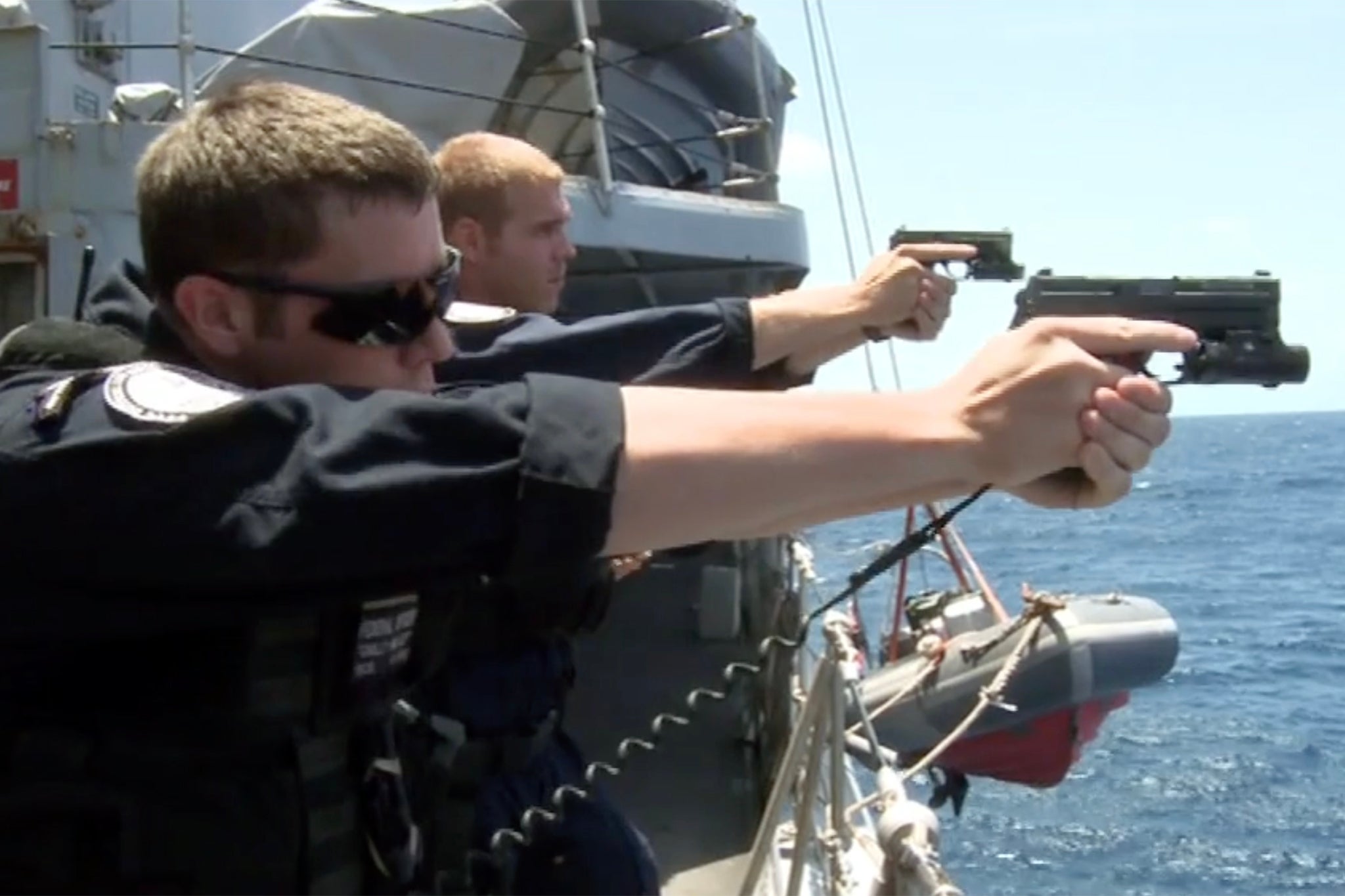
After one of its oil tankers was seized by the US military, Venezuela accused the US of engaging in an “international act of piracy”. “Under these circumstances, the true reasons for the prolonged aggression against Venezuela have finally been revealed … It has always been about our natural resources – our oil, our energy – resources that belong exclusively to the Venezuelan people,” the Venezuelan government said in a statement.
While the UK is not directly engaging in any US military operations against Venezuela, the Royal Navy is continuing its traditional Caribbean mission focused on security, interdiction of illicit drugs, support to Overseas Territories and humanitarian relief.
In November, CNN reported that the UK government had suspended the sharing of intelligence with the US on suspected drug-trafficking vessels in the Caribbean, amid concerns about the lethal military strikes by American forces.
Responding to the CNN report, a UK government spokesperson said: “It is our longstanding policy not to comment on intelligence matters.”
But as the legality of the US military’s campaign around Latin America continues to be questioned, who knows how strained our relations could become with our closest ally in the future?
Join our commenting forum
Join thought-provoking conversations, follow other Independent readers and see their replies
Comments
Bookmark popover
Removed from bookmarks