The glaring detail in Trump’s peace photo which hints at what might go terribly wrong
When Egypt released the list of global leaders and officials attending the Gaza peace summit in Sharm el-Sheikh – representatives of more than 25 nations and international bodies were pictured. But there was one glaring detail that many are still puzzling over, writes Sophie Walker


The Gaza conflict has had a particular impact on women and girls. But a visitor to the planet observing the recent Sharm el-Sheikh peace summit would never know. When Egypt released the list of global leaders and officials attending the Gaza peace summit in Sharm el-Sheikh – more than 25 nations and international bodies in total – the only woman on the list was Italy’s prime minister Giorgia Meloni.
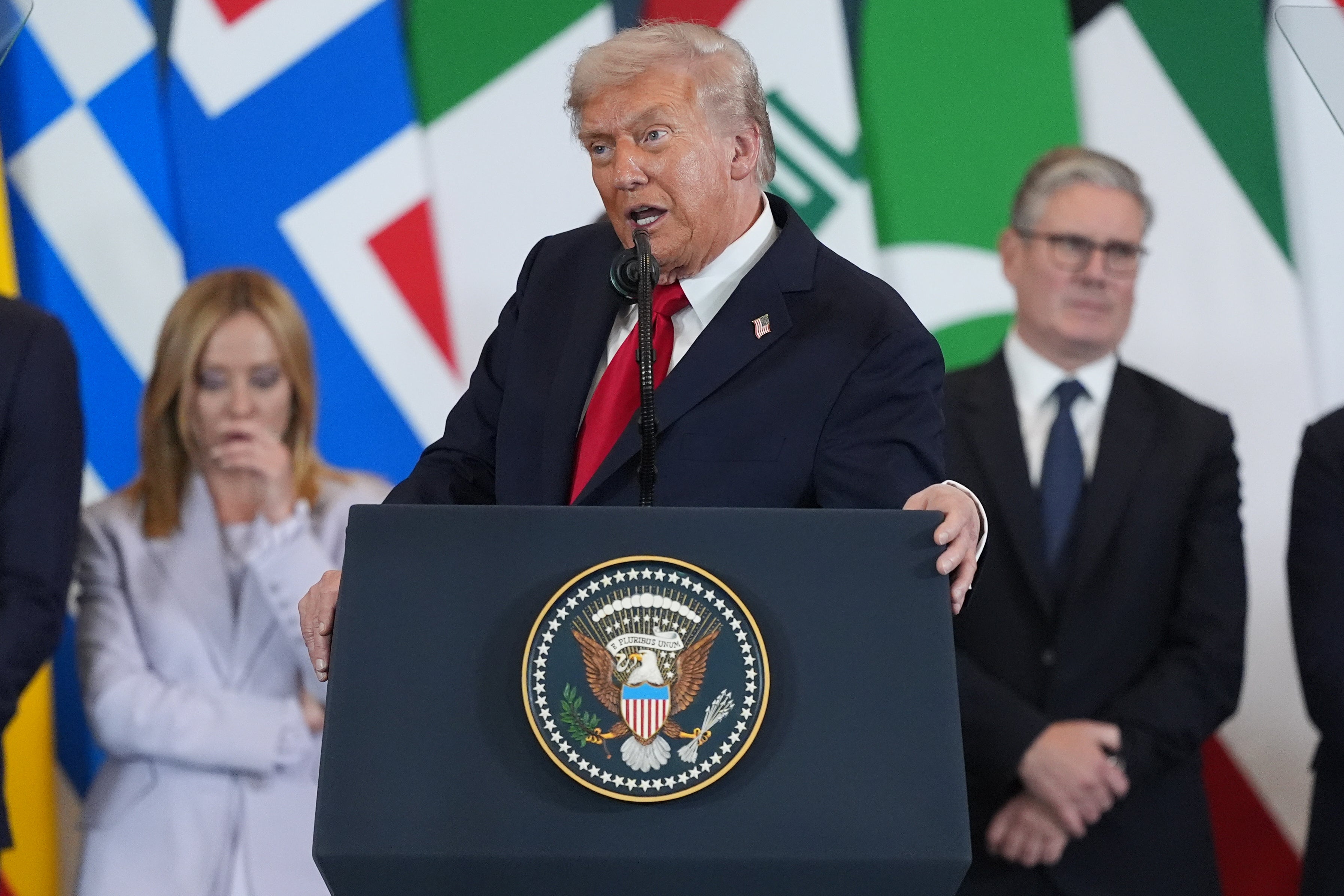
As the smallest person in attendance, you might have thought she’d have been ushered to the front. But no. For a while she was left to bob about at the back completely invisible – and ignored, until president Donald Trump went out of his way to acknowledge her presence at the final press conference – by calling her “beautiful”. This is not the attention to detail that women need in peace talks.
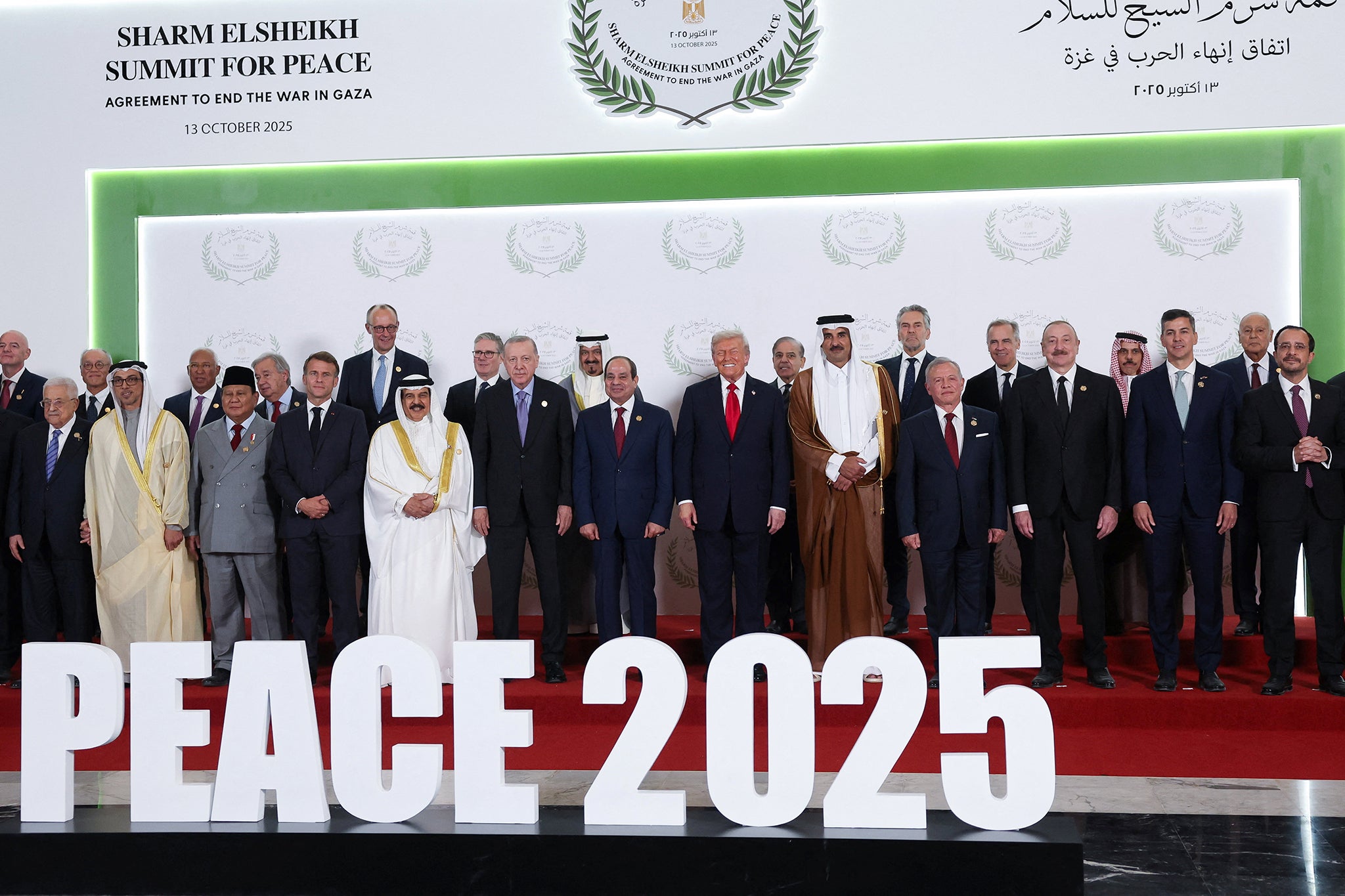
There is an immediate problem with the absence of women leaders on the world stage, and it matters for the lives of women and girls in the region, and, I would argue, for the wider chances of sustainable peace. The World Bank has reported that women in positions of leadership can reduce the likelihood of violent conflict as well as the prospects for peaceful resolution of existing conflicts, while the European parliament has stressed the important contribution women make to bringing different perspectives on what peace and security mean.
Despite it being 2025, maybe we shouldn’t have been too surprised at this all-but-one male lineup. More than 100 countries have still never had a female head of state. Women leaders, we know, face countless barriers, from media stereotyping them as less capable than men, to reduced financial support, to sexual violence and online death threats, which might all count towards barriers to success.
But this matters. For starters, preventing and responding to sexual violence is vital to resolving conflicts, enabling development and building sustainable peace. This statement was at the heart of a UK government summit back in 2014 and also a report by Wilton Park – the UK government’s organisation for international policy dialogue – that highlights the importance of including women and girls in any survivor-centred peace process.


Reports of strategic violence against Palestinian and Israeli women have been a dreadful drumbeat throughout the conflict. During the attacks on Israeli communities on 7 October 2023, Hamas used sexual violence “as part of a deliberate genocidal strategy”, according to the Dinah Project, a group of female Israeli legal and gender experts, and a UN mission later concluded there was convincing information to believe that conflict-related sexual violence occurred during the attack in multiple locations.
According to a report by the UN Independent International Commission of Inquiry on the Occupied Palestinian Territory, direct attacks by Israel on healthcare facilities offering sexual and reproductive healthcare services have impacted about 540,000 women and girls of reproductive age in Gaza.
There is no specific reference to a survivor-centred process in the Gaza peace plan. But perhaps this is no surprise when the planning room is dominated by men. What about other references to building back lives? Women and girls have paid the highest price of the conflict, according to the UN, who say that in just one year, Gaza accounted for seven in 10 women killed in conflict globally.
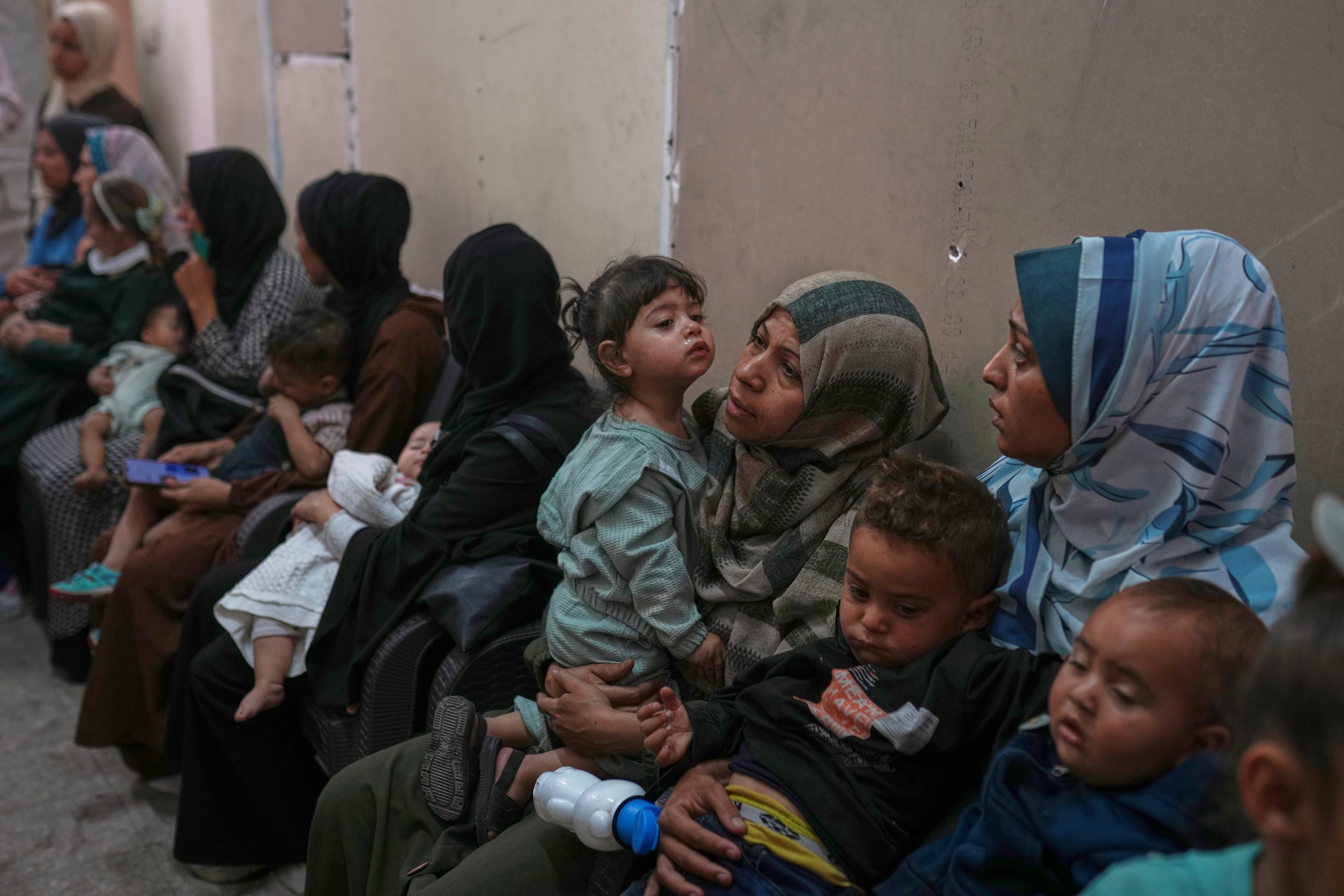
Back in November 2024, the Gaza Health Ministry reported that two-thirds of the then 11,000 people killed in Gaza were women and children. UN agencies also reported severe disruptions in maternal, newborn, and child health services due to bombardments and infrastructure damage. The United Nations special rapporteur on Violence Against Women described the situation as an assault on Palestinian women’s dignity and rights. UN Women Palestine has pointed out that women living in Gaza have unique and urgent needs and vulnerabilities relating both to the conflict and structural gender discrimination.
The peace plan unveiled by Trump et al promises that a panel of experts will draft an economic development plan to “rebuild and energise Gaza”. Analysis of the plan by US nonpartisan think tank the Council on Foreign Relations also highlights talk about a special economic zone with preferred tariff and access rates and cites “thoughtful investment proposals and exciting development ideas” to “create jobs, opportunity, and hope” for Gaza.
But the devil will always be in the detail and without it, it is unclear to what extent the men in the group photograph discussed what that means for the thousands of women and girls of Palestine, who have been living in overcrowded shelters with no privacy, limited access to food and water and no access to safe and dignified toilet and bathing facilities.
There doesn’t seem to be anything under the “opportunity and hope” headline for women and girls who need menstrual hygiene, sexual and reproductive health and social support. Nor does the reference to jobs appear to incorporate how women access jobs under laws in Palestine that assume women to be under the protection and guardianship of men.
The final point in the peace plan is for the United States to “establish a dialogue” between Israel and the Palestinian territories to agree on a political horizon “for peaceful and prosperous coexistence”.
Perhaps by establishing a dialogue with women, this latest proposal might stand a chance. Until then, we will have to trust the men to know what women want – and need. But details, details, details...
Join our commenting forum
Join thought-provoking conversations, follow other Independent readers and see their replies
Comments
Bookmark popover
Removed from bookmarks