Remains of last Israeli hostage found in Gaza, says military
It signals the end of the first phase of a Trump-brokered ceasefire agreed in October
Israel has retrieved the remains of the last hostage held in Gaza, the country’s military has said, as the region prepares to move into the second phase of a ceasefire agreed in October.
The remains of 24-year-old police officer Ran Gvili was discovered on Monday and will now be returned for burial, an Israeli official told Reuters.
Israel said it would reopen Gaza’s Rafah border crossing with Egypt, the main route for Palestinians to enter and leave the territory, once Gvili’s body had been returned.
The development signals the end of the first phase of the US-brokered ceasefire plan between Israel and Hamas, which has been scarred by accusations of breaches on both sides.
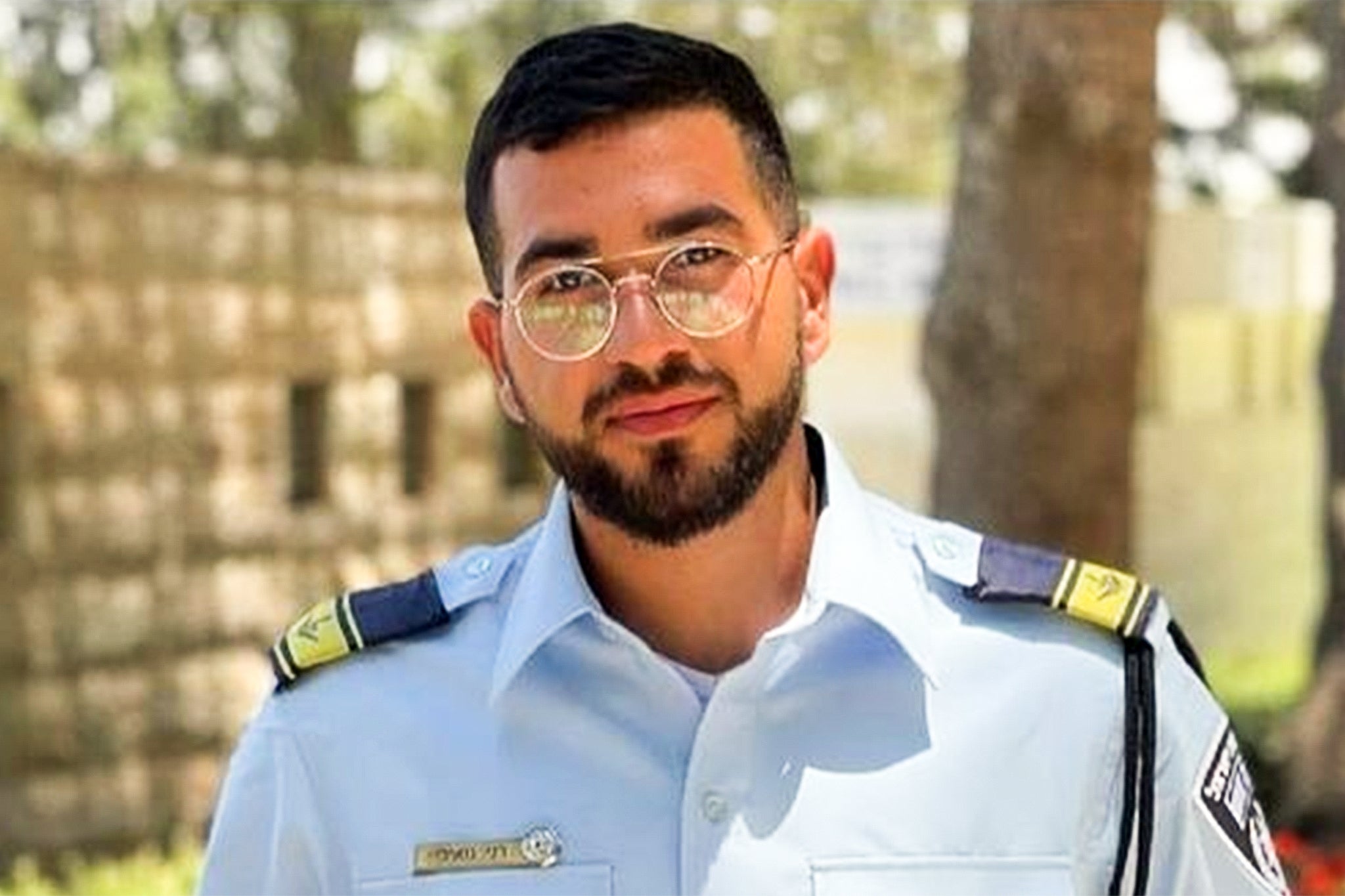
Gvili had been held in Gaza since he was killed at Kibbutz Alumim during the attack by Hamas on southern Israel on 7 October 2023.
On Sunday, the military launched a “large-scale operation” in Gaza to locate his body, after Washington and other mediators intensified pressure on Israel and Hamas to progress to the next phase of their ceasefire agreement.
In a statement, the Hostages and Missing Families Forum headquarters said Gvili was a “true friend, loved by everyone” who carried a “powerful yet calm presence”.
Gvili was recovering from a motorcycle accident when he joined his friends to help fight after hearing about the incursion of Hamas-led troops into southern Israel. He was killed while fighting and his body was abducted, the forum said.
He is survived by parents, Talik and Itzik, and his siblings Omri and Shira.
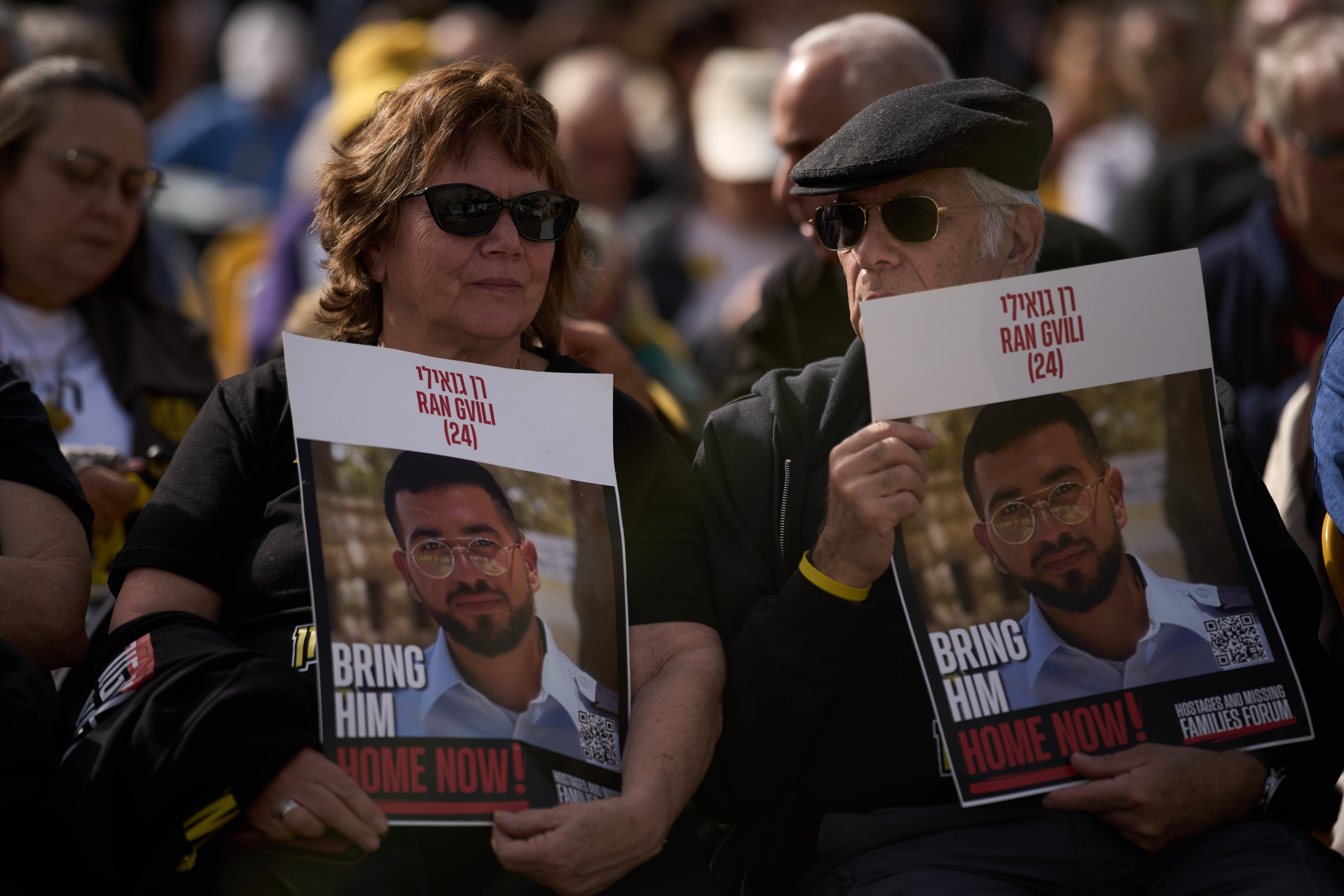
His release came as part of a ceasefire deal agreed in October last year, which was supposed to see the Israeli military halt all operations while the Palestinian militant group Hamas returned the remaining 48 hostages, including 28 who were already dead.
The living hostages were freed in the weeks that followed, but Hamas said it had been unable to locate the body of the final hostage.
Israel did not stop its military operations in Gaza during the first phase of the ceasefire agreement. The Palestinian health ministry says 484 people have been killed and 1,321 injured since the ceasefire came into force.
US officials expect Israel to open the Rafah crossing this week. It will be staffed by Palestinians affiliated with the Ramallah-based Palestinian Authority, and monitored by EU personnel, which is how it was run during a previous ceasefire.
Israel wants to ensure that more Palestinians leave Gaza through the Rafah crossing than are allowed back in, three sources briefed on the matter told Reuters.

Ali Shaath, the chief of a US-backed transitional Palestinian committee established to administer Gaza in the short term, said that the crossing, which was supposed to open during the ceasefire’s initial phase, would instead open this week.
During the second phase, Israel is expected to withdraw troops further from Gaza, while Hamas is set to give up administrative control of the territory.
Donald Trump acknowledged in October that the phases are “all a little bit mixed in with each other”. “We can take them out of order in a positive way,” he said.
The original plan describes a transitional government – “technocratic and apolitical” – managing the overall running of Gaza. That is to be overseen by an international body called the “board of peace”.
The transitional government will have 15 members and will be led by Mr Shaath, a former deputy minister in the Palestinian Authority who was once in charge of developing industrial zones, according to mediators Egypt, Qatar and Turkey.
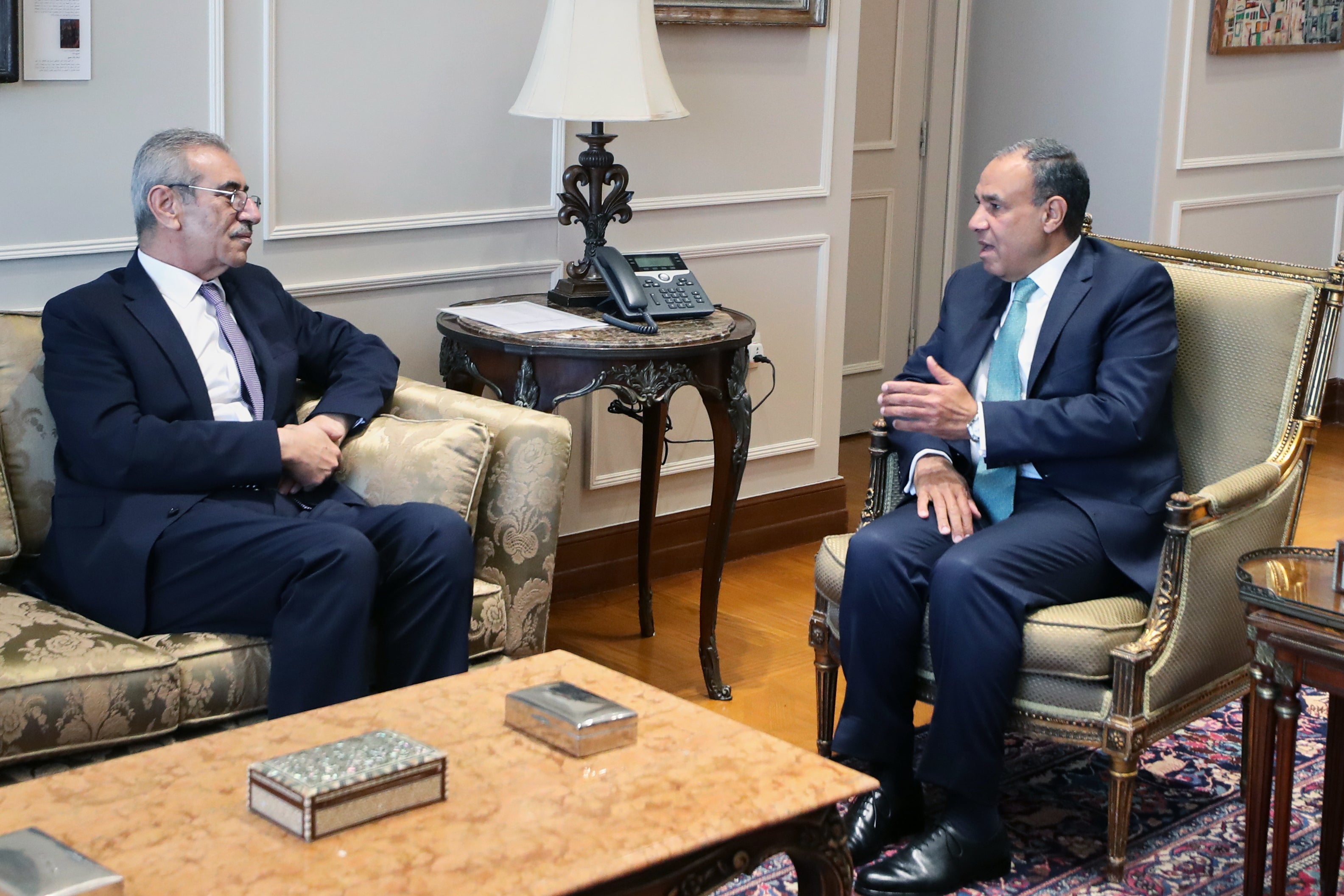
Mr Shaath said in a radio interview that the committee would focus first on providing urgent relief for Gaza, including housing for displaced civilians.
“If I bring bulldozers and push the rubble into the sea, and make new islands, new land, I can win new land for Gaza and at the same time clear the rubble. This won’t take more than three years,” Mr Shaath told the West Bank radio station.
During the first phase of Mr Trump’s ceasefire plan, the Israeli military partly pulled back its forces within Gaza but retained control of 53 per cent of the territory, including the entire land border with Egypt.
Nearly all of the territory’s population lives in the rest of Gaza, under Hamas control, and mostly in makeshift tents or damaged buildings.
Join our commenting forum
Join thought-provoking conversations, follow other Independent readers and see their replies
Comments
Bookmark popover
Removed from bookmarks