Mavi Marmara: Judges call for new investigation into deaths of activists on Gaza blockade ship
Report describes decision not to prosecute Israel as 'flawed' and 'simplistic'
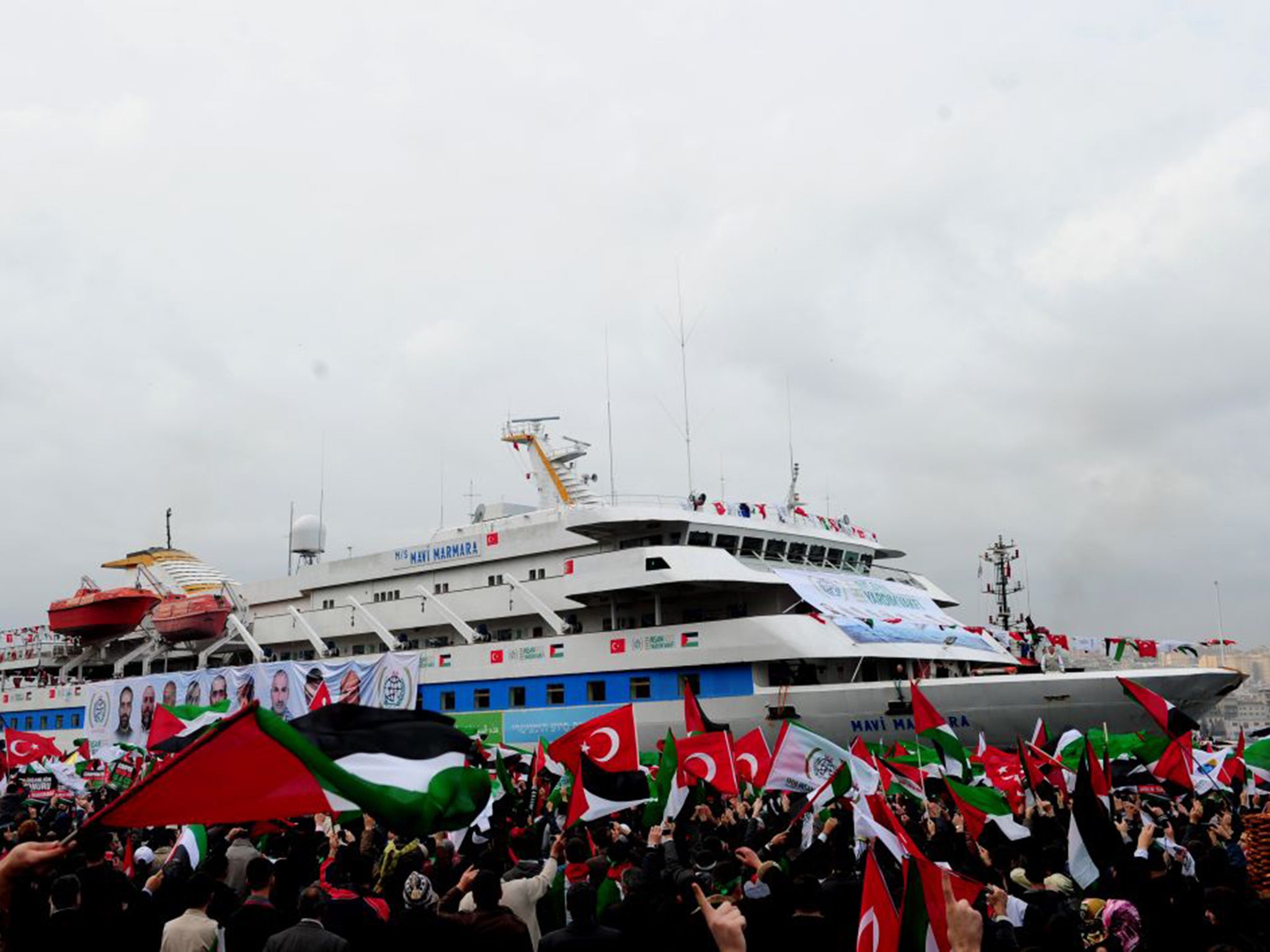
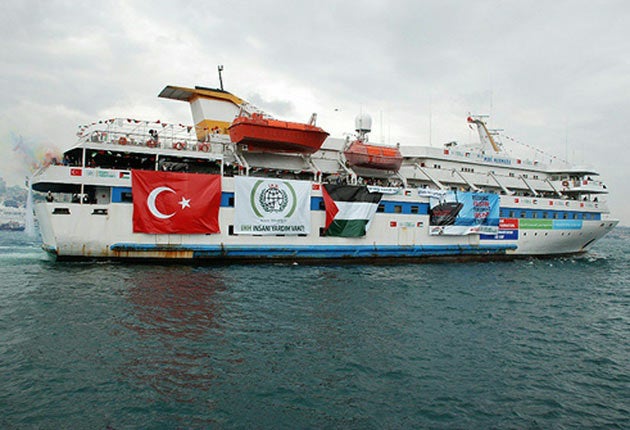
The International Criminal Court has asked its chief prosecutor to reopen an investigation into the interception of the Mavi Marmara, the ship on which nine human rights activists were killed in 2010 after it was stormed by the Israeli Defence Force during an attempt to break the blockade of the Gaza Strip.
In a damning assessment published last week, ICC judges condemned the decision by Gambian-born prosecutor Fatou Bensouda not to launch an inquiry into the deadly incident despite a “reasonable basis” to believe that war crimes were committed. The judges said Ms Bensouda’s decision was based on a “flawed” and “simplistic” conclusion containing several factual errors. They concluded the prosecutor “committed material errors in her determination of the gravity of the potential case” and urged her to reconsider her decision not to launch an investigation “as soon as possible”.
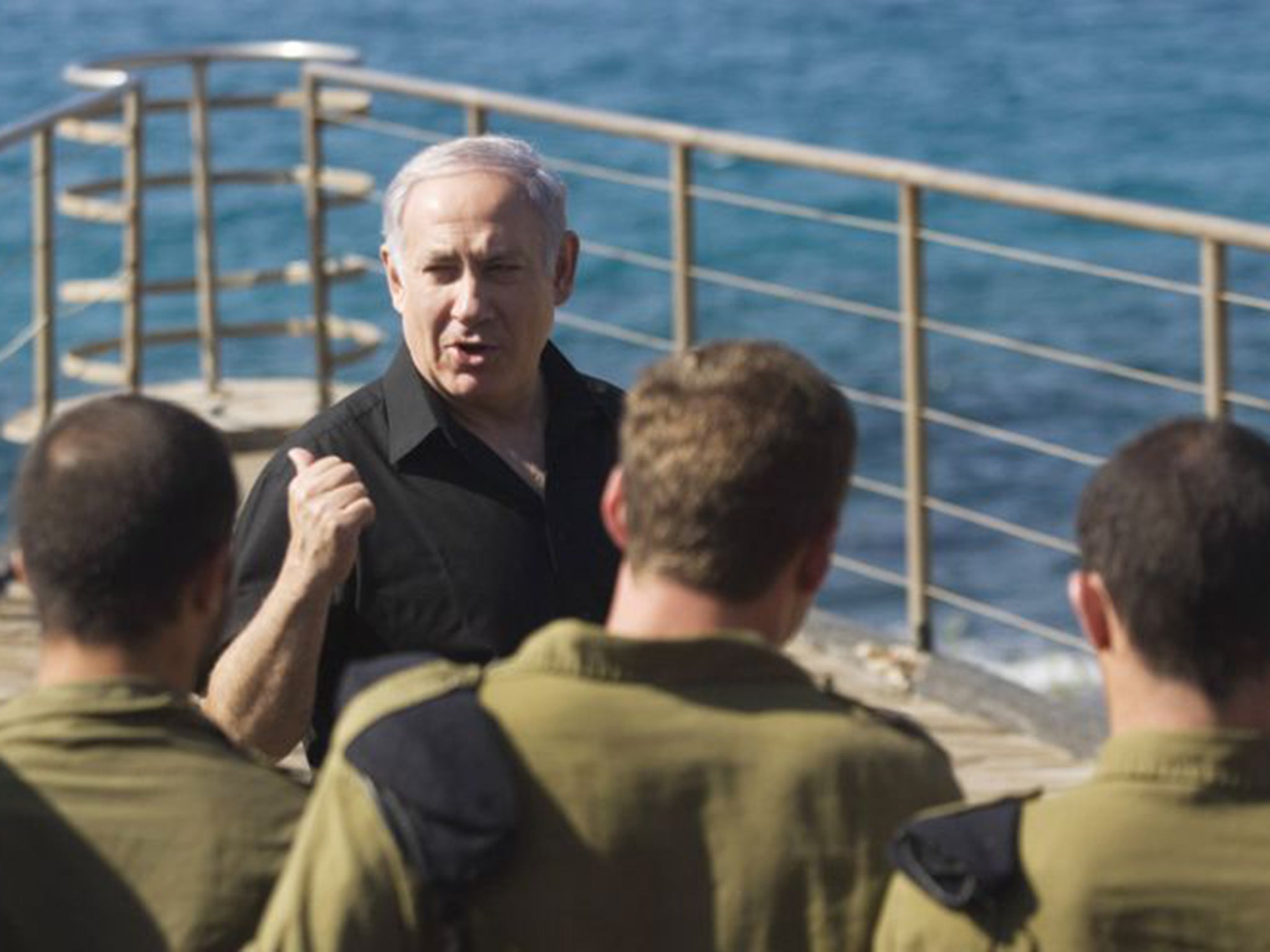
Senior IDF commanders and Israeli leaders may now ultimately face trial over the incident which occurred in international waters on 31 May 2010, and drew global condemnation. The judges said: “The prosecutor should have accepted that live fire may have been used prior to the boarding of the Mavi Marmara, and drawn the appropriate inferences. This fact … may reasonably suggest that there was, on the part of the IDF who carried out the identified crimes, a prior intention to attack and possibly kill passengers on board.”
The Mavi Marmara was the main civilian vessel in a fleet of six “Gaza Freedom Flotilla” ships carrying more than 500 passengers, humanitarian aid and construction materials. The attempt to break the blockade was organised by the Free Gaza Movement and a Turkish human rights group.
Eight of the activists killed were Turkish nationals; the ninth was a Turkish-American.
A UN Human Rights Council (UNHCR) report into the raid concluded that the youngest victim – 18-year-old Furkan Dogan – had been shot five times, including once in the face while he was lying on his back. A 10th activist died last year after spending four years in a coma. Around 50 activists and several Israeli soldiers were injured, some seriously. IDF video of the incident shows some soldiers were forced to defend themselves from activists who attacked them with metal rods.
The UNHCR report found “clear evidence to support prosecutions” of crimes under the Geneva Convention, namely wilful killing, torture or inhuman treatment and wilfully causing great suffering or serious injury to body or health. It said it found no medical evidence of IDF commandos being shot and described Israel’s blockade of the Gaza Strip as “totally intolerable and unacceptable in the 21st century”.
The Mavi Marmara was eventually taken to Ashdod port in Israel. Many activists were strip-searched and recording equipment, which activists believe could corroborate their version of events, was confiscated.
In their report published last week the ICC judges concluded, on a 2-1 majority, that: “Facts which are difficult to establish, or which are unclear … are not valid reasons not to start an investigation but rather call for the opening of such an investigation.”
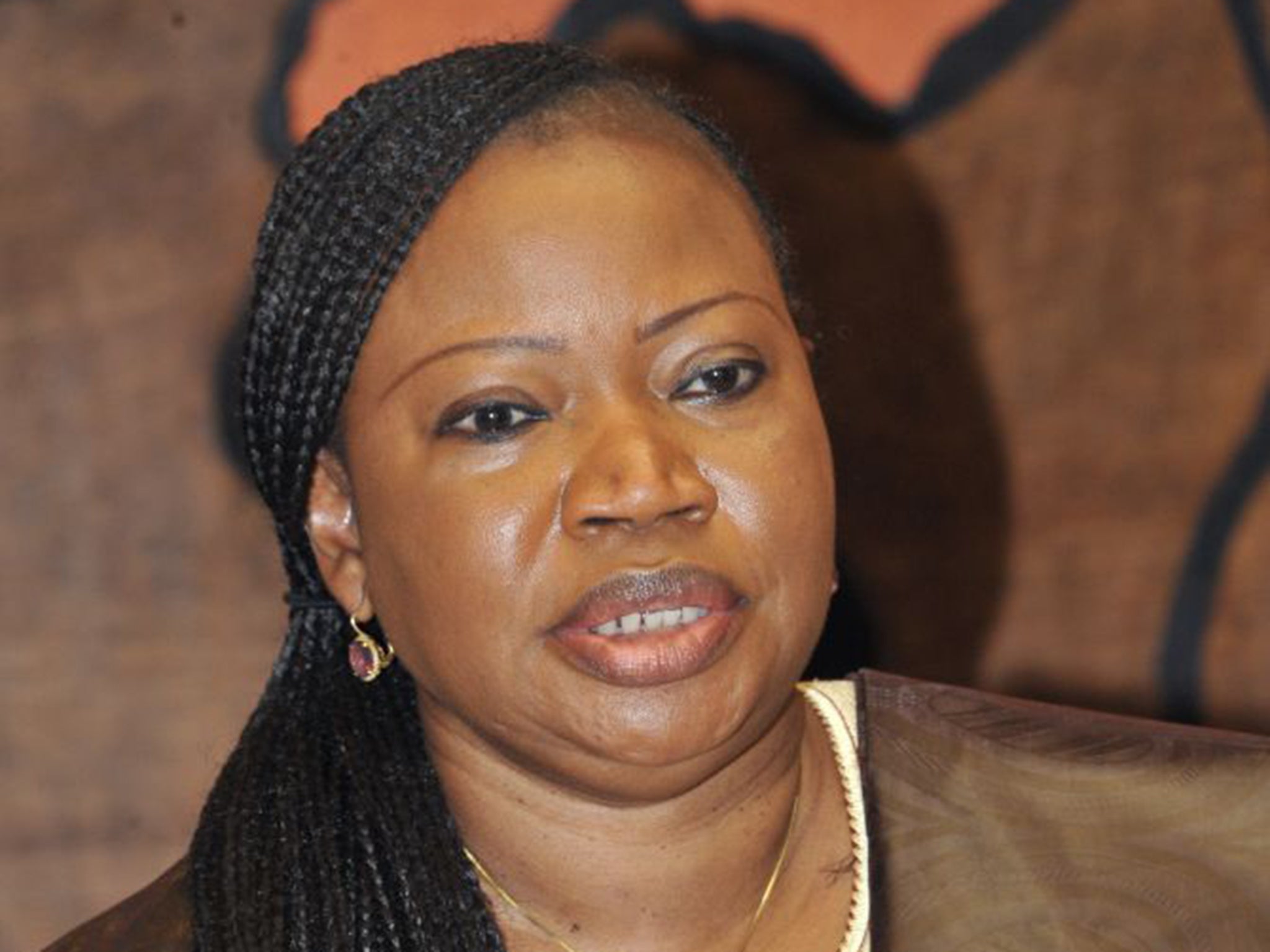
They said Ms Bensouda committed “material errors”, particularly in her assessment “of the possibility to prosecute those persons who may bear the greatest responsibility for the identified crimes committed during the seizure of the Mavi Marmara, as well as of the scale, nature, manner of commission and impact of the potential crimes”.
Ms Bensouda had launched an initial inquiry after the Union of Comoros, a small archipelago nation off the African coast, filed a request with the ICC in May 2013 to prosecute Israel for war crimes.
Benjamin Netanyahu, Israel’s prime minister, has been angered by the ICC decision, saying the IDF commandos were on a mission to maintain the blockade and had reacted in self-defence. He added that the judges’ decision was “motivated by cynical politics”.
Paveen Yaqub, from Holmfirth, west Yorkshire, one of 34 British activists on board the Mavi Marmara when it was raided, said: “The original ICC decision that the incident was ‘not grave enough’ to investigate was deeply insulting, not just to me but to families of those who were killed. So, news of the investigation is certainly good; but it’s really difficult to know what to expect because it has been such a long time. We’re hoping and praying that justice and logic will prevail.”
The judges’ decision could help the British human rights activists who were on board and who have launched proceedings to try to prosecute Israel’s commanders in the UK, should they travel here. Evidence passed to the Metropolitan Police names five Israeli military commanders alleged to have committed war crimes when the troops stormed the flotilla.
Scotland Yard is still considering whether to take action using “universal jurisdiction” legislation, which was used to arrest the Chilean dictator, Augusto Pinochet, in the UK in 1998.
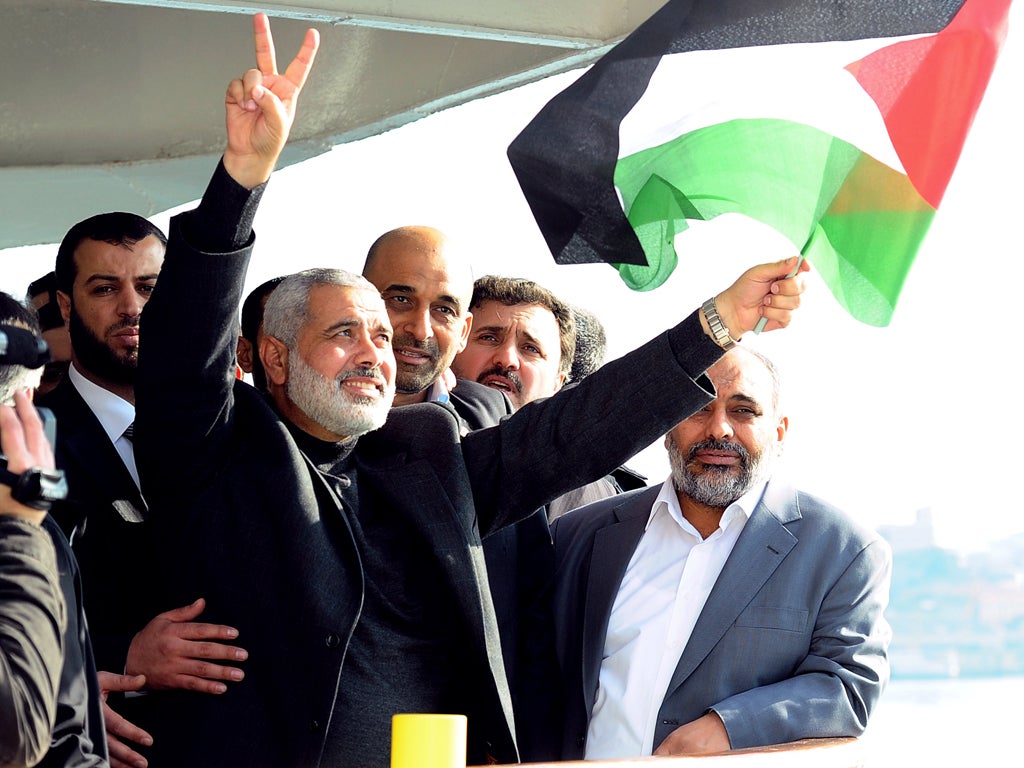
Rodney Dixon QC, who together with Professor Sir Geoffrey Nice QC represents 13 of the British activists, hundreds of the other victims on board and the government of the Comoros, said: “The way the judges have pointed out the errors that have occurred makes it clear there is a reasonable basis for an investigation. It’s now up to the prosecutor to decide; the judges can’t do that. But the way they express it shows they think there is evidence there worthy of at least further inquiry and investigation.”
Mr Dixon said he hoped the ICC’s decision that there is enough evidence to investigate further could have “a positive impact” for the British activists’ case.
Join our commenting forum
Join thought-provoking conversations, follow other Independent readers and see their replies
Comments
Bookmark popover
Removed from bookmarks