Iran test fires missiles during war games in show of strength before US nuclear talks
US envoys Steve Witkoff and Jared Kushner are representing the Trump administration at talks in Geneva
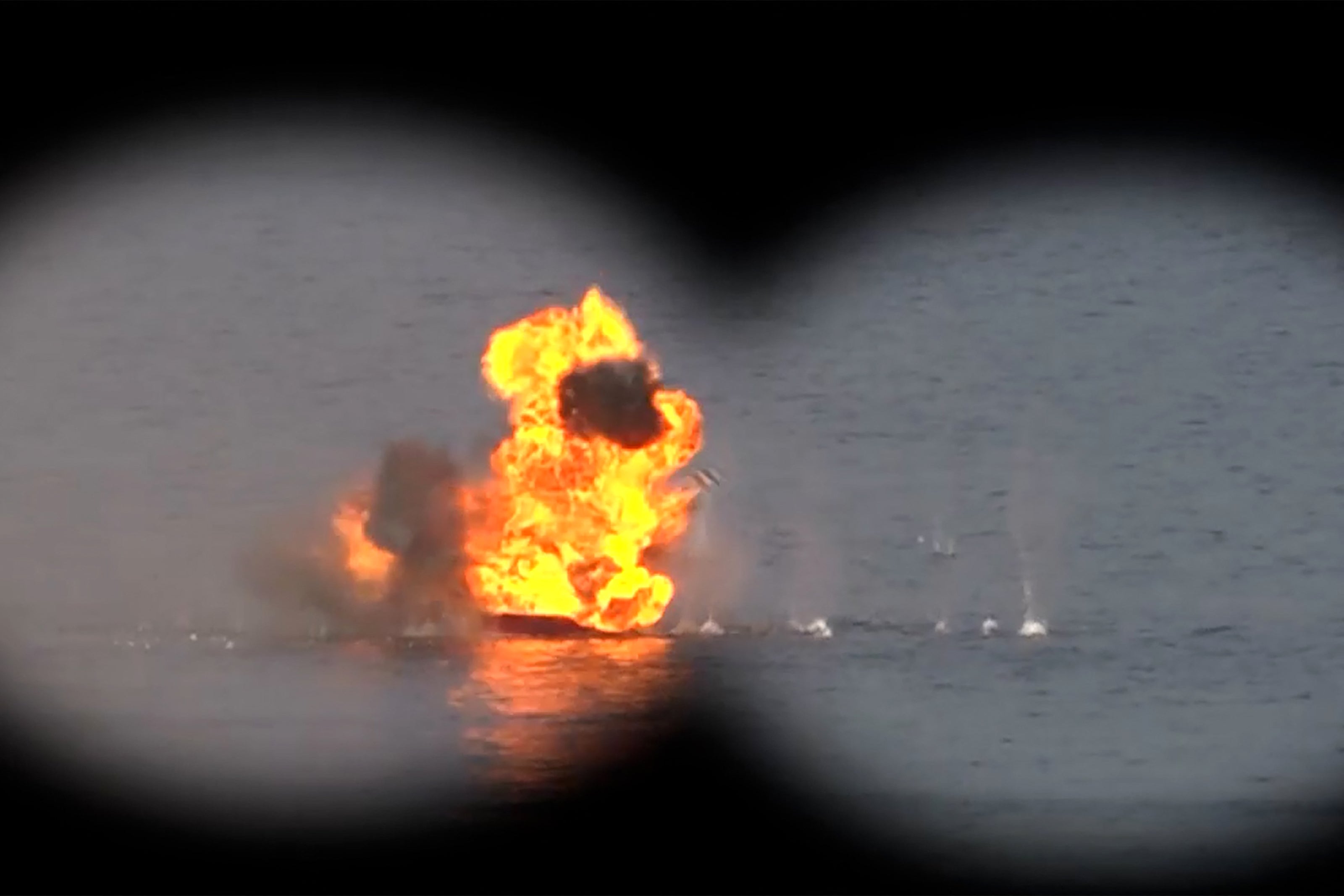
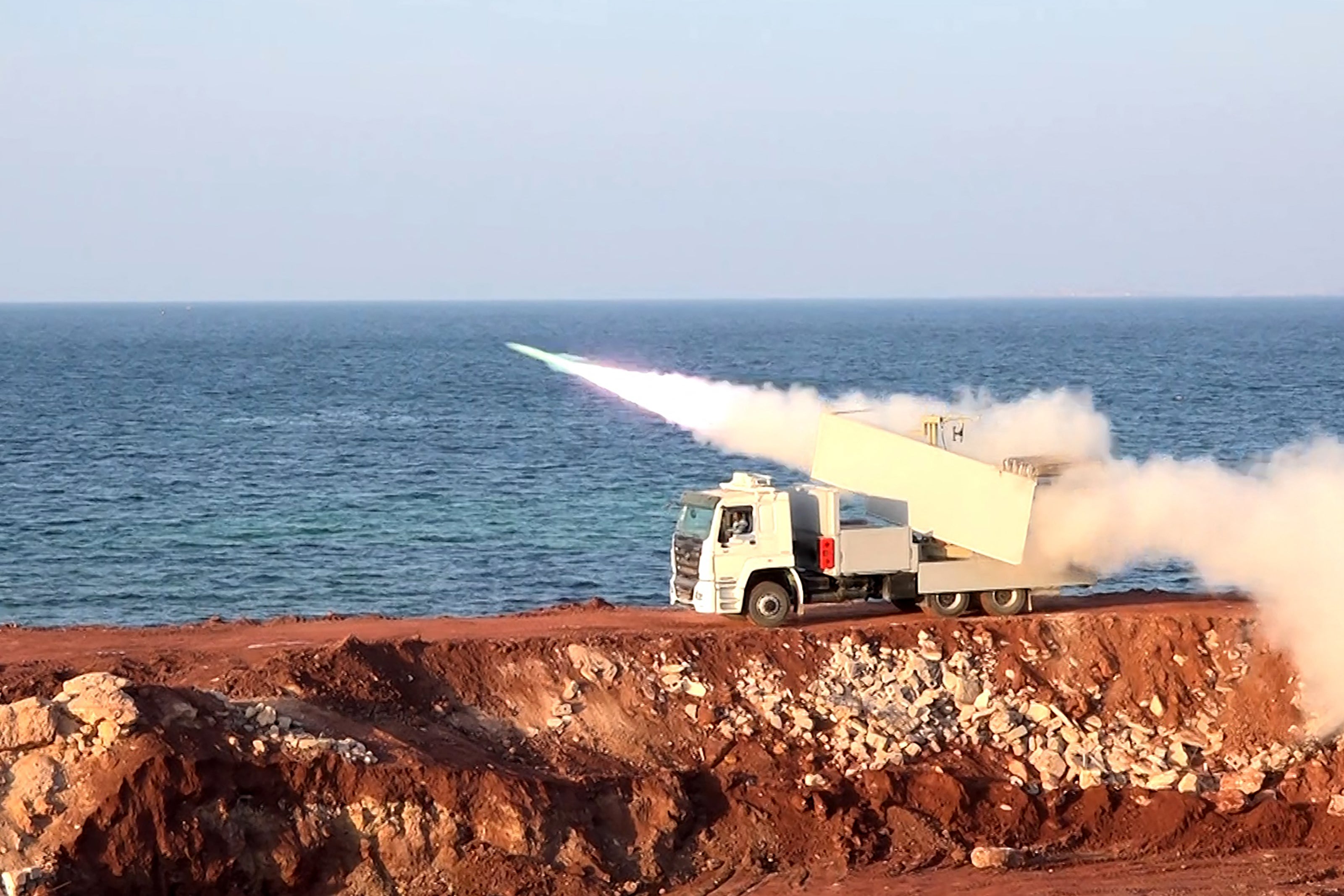
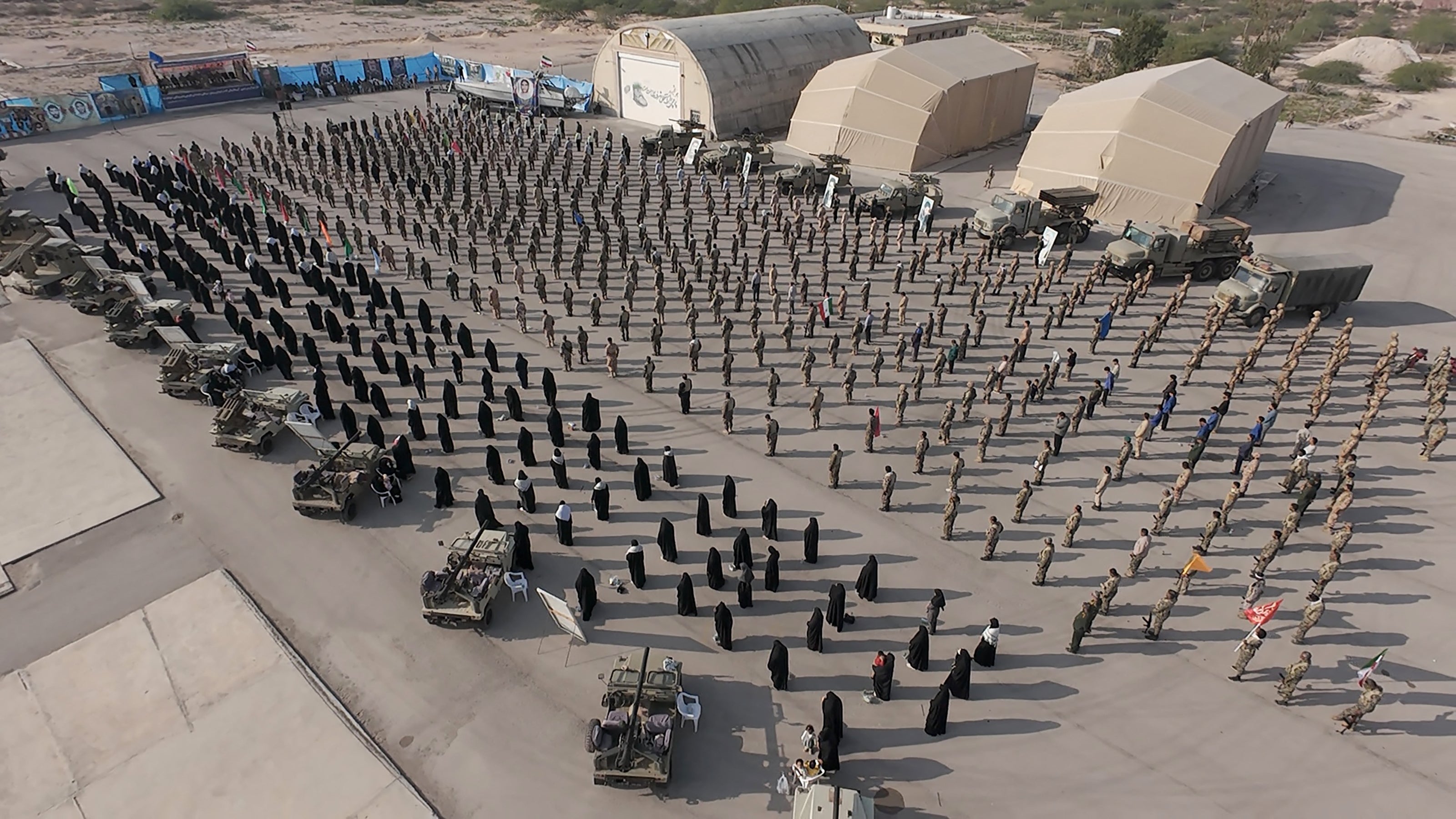
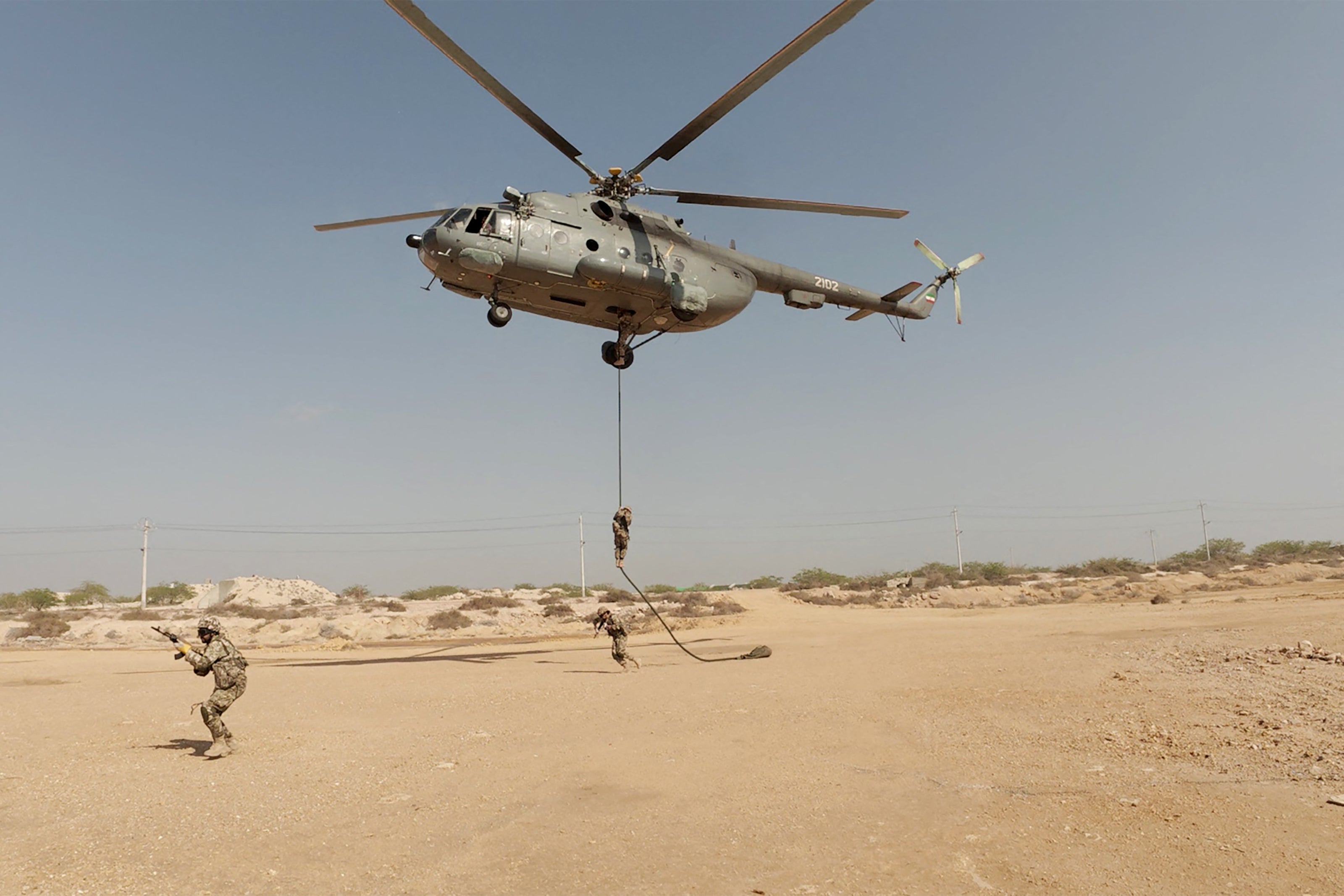
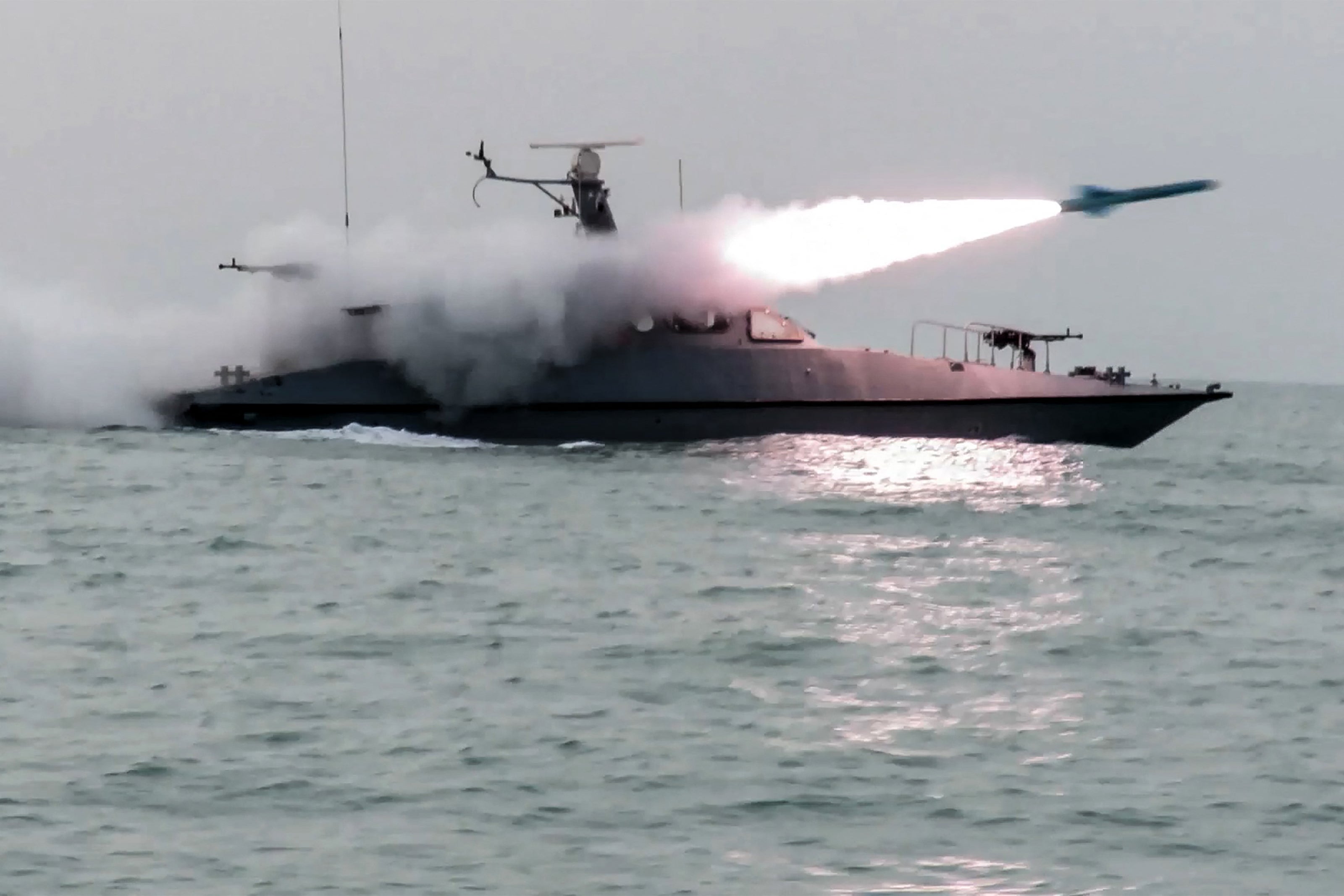
Iran is carrying out military drills in the Strait of Hormuz, in a show of strength ahead of nuclear talks with the US in Geneva.
The naval exercises, which included test missiles, warships and helicopters, are testing the Iran Revolutionary Guard Corps’ (IRGC) “operational readiness” and plans for reciprocal action in case of “potential security and military threats”.
Indirect talks began on Tuesday morning, with US envoys Steve Witkoff and Jared Kushner representing the US, while Iranian foreign minister Abbas Araghchi leads the Iranian delegation. Omani officials are mediating.
After the talks began, Iran’s supreme leader Ayatollah Ali Khamenei warned president Donald Trump that even if the US boasts the world’s leading military, “the strongest army in the world can sometimes be slapped so hard it cannot get up”, according to Iranian media.
Iranian officials have warned that the success of talks in Geneva relies on whether the US makes unrealistic demands and on its seriousness on lifting economic sanctions on Iran.
Trump meanwhile, has continued to openly voice his support for regime change in Tehran, telling reporters on Monday that it may be “the best thing that could happen”.
He said he would be involved “indirectly” in the talks and voiced his belief that Iran wants to make a deal in Geneva.
“I don’t think they want the consequences of not making a deal,” Trump told reporters aboard Air Force One on Monday.
“We could have had a deal instead of sending the B-2s [stealth bombers] in to knock out their nuclear potential. And we had to send the B-2s.”
Last week, US troops pulled out of bases in eastern Syria, suggesting the military could be preparing for an Iranian response to any attack it carries out.
Two officials told Reuters news agency that the US military is preparing for the possibility of weeks of operations against Iran if Trump orders an attack.
But Iran’s minister of foreign affairs Mr Araghchi rejected Mr Trump’s threats in a post on X the day before the talks began.
“I am in Geneva with real ideas to achieve a fair and equitable deal,” he wrote. “What is not on the table: submission before threats.”
Tehran had previously threatened that it would close the strait, which is critical for the world’s oil supplies, if the US were to attack, a move which would be hugely damaging for global markets.
Oil prices dropped in the Asian trade on Tuesday, as investors assessed the risk of supply disruption after Iran conducted the naval drills.
Threats of a US attack began as a response to the Tehran regime’s brutal crackdown of widespread protests in December and January, but developed into an attempt to pressure Iran into agreeing a new nuclear deal.
Tehran is looking to ward off of a repeat of last summer, when attempts to revive nuclear talks were interrupted by US-ally Israel launching a bombing campaign against Iran – which was then supported by US B-2 bombers that struck nuclear targets.
Join our commenting forum
Join thought-provoking conversations, follow other Independent readers and see their replies
Comments
Bookmark popover
Removed from bookmarks