Iranian supreme leader admits thousands killed during protests and blames Trump
The ayatollah blamed the US and Israel for the casualties and ‘damage inflicted upon the Iranian nation’
Iran’s supreme leader Ayatollah Ali Khamenei has acknowledged for the first time the deaths of thousands of people following a crackdown on widespread protests this month.
The protests erupted on 28 December over economic hardship and spiralled into large demonstrations against Iran’s clerical rulers.
In a speech on Saturday, Khamenei blamed Donald Trump for the weeks of demonstrations that human rights group say have led to more than 3,000 deaths.
“We find the US President guilty due to the casualties, damages and slander he inflicted upon the Iranian nation,” Khamenei said on his official X account. BBC Persian reported that he described the deaths as “savage” during the speech.

Trump has repeatedly threatened to intervene militarily, including a threat to carry out "very strong action" if Iran executed protesters.
But on Friday, he claimed the Iranian regime had called off hundreds of mass hangings, and thanked its leaders on a post on Truth Social. Tehran has said there was “no plan” to execute people.
Appearing to respond to Trump, Khamenei said: "We will not drag the country into war, but we will not let domestic or international criminals go unpunished.”
He said “several thousand deaths” had taken place, accusing Israel and the US of organising the violence.
"Those linked to Israel and the U.S. caused massive damage and killed several thousand," he wrote.

The supreme leader claimed - without evidence - that protesters had started fires, destroyed public property and incited chaos. They "committed crimes and a grave slander," he said.
The US-based Human Rights Activists News Agency, or HRANA, said it had verified 3,090 deaths, including 2,885 protesters, and over 22,000 arrests.
It has been difficult to verify the death toll and reports coming out of Iran due to a nationwide internet blackout, which was lift in part on Saturday. A total communications blackout was partially lifted earlier this week.
Although Tehran has denied planning executions, Iran's prosecutor general said last week that detainees would face severe punishment.
Those in custody include people who "aided rioters and terrorists attacking security forces and public property" and "mercenaries who took up arms and spread fear among citizens," he said.
Arrests also included several people described by Iranian state media as "ringleaders", including a woman named as Nazanin Baradaran, who was taken into custody following “complex intelligence operations".
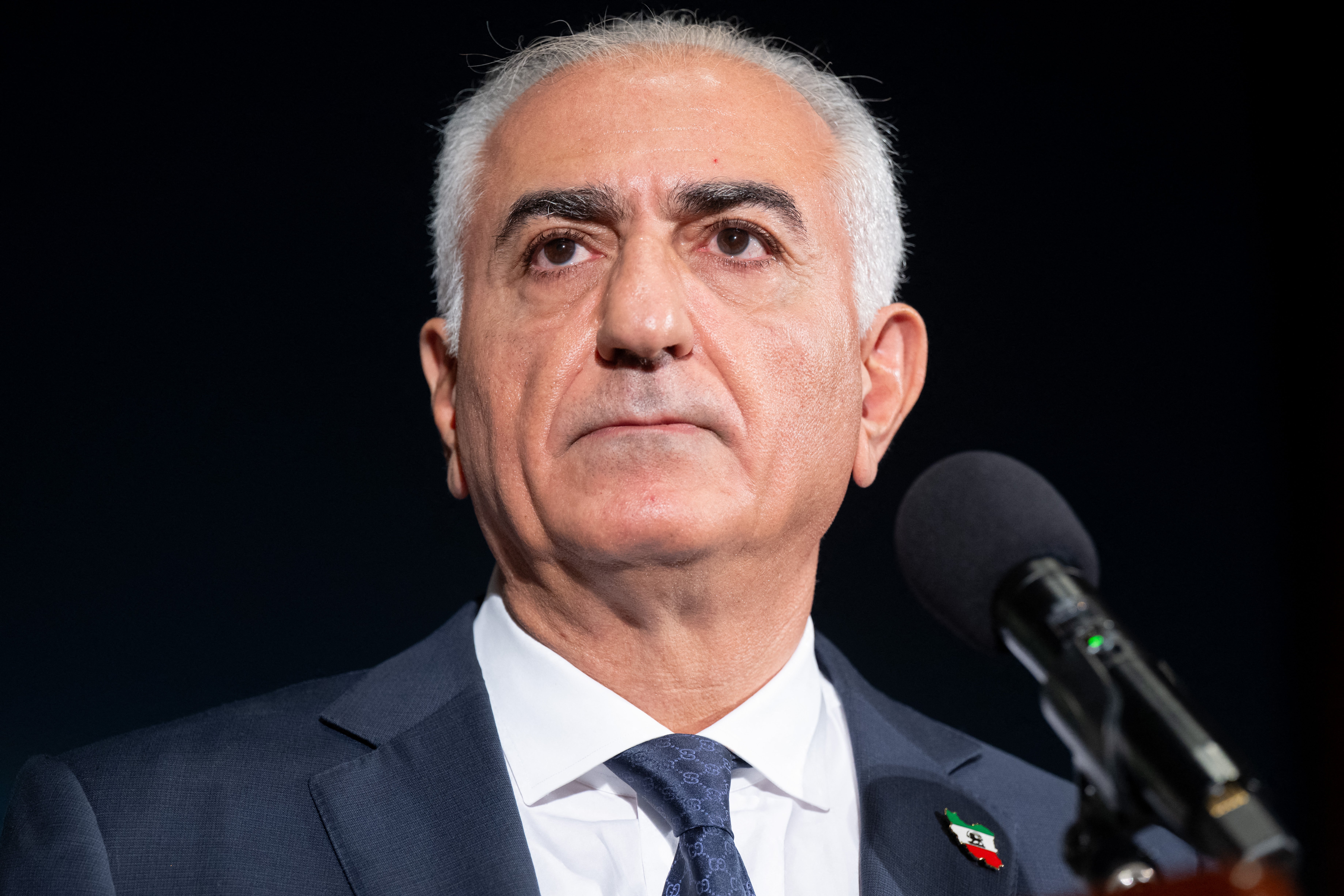
Baradaran is accused of operating under the pseudonym Raha Parham on behalf of crown prince Reza Pahlavi, state media reported, and had played a leading role in organising the unrest.
Opposition figurehead Pahlavi has positioned himself as a potential leader in the event of regime collapse, stating that he would seek to re-establish diplomatic ties between Iran and Israel if he were to assume a leadership role in the country.
Join our commenting forum
Join thought-provoking conversations, follow other Independent readers and see their replies
Comments
Bookmark popover
Removed from bookmarks