Iran targets doctors and lawyers for helping protesters
Iranian medics and lawyers tell Caspar Barnes and Moha Tahery about the persecution they face from the Islamic regime for helping anti-government protesters during the deadly crackdown
In the days after Iran’s deadly crackdown on anti-government protesters, Amir*, a doctor in a private clinic outside Tehran, came face-to-face with one of the Islamic regime’s spies.
According to Amir, the man had entered the clinic during a night shift posing as a patient. Once the time of his appointment came, the man began interrogating the doctor.
He asked whether Amir had been working on the nights of 8 and 9 January – the most deadly 48 hours of the protests, when security forces began firing lethal rounds on protesters under the cover of an internet blackout.
.png)
“I dodged the questions as much as I could,” Amir says. “I think he was there to scare me more than to gather information because I think they have the information.”
Although he did not disclose this to his interrogator, Amir wasn’t supposed to be working on that now infamous 8 January: a bloodstained date that will likely be etched into the Iranian national psyche for generations.
A network of doctors inside Iran estimates the national death toll could exceed 30,000 people. This far outstrips the regime’s figure of 3,117 dead reported on Iranian state TV.
At around 9pm that Thursday night, Amir tells how he heard that regime forces were firing on protesters with live ammunition. He headed straight to his clinic to support his colleagues, one doctor and five nurses.
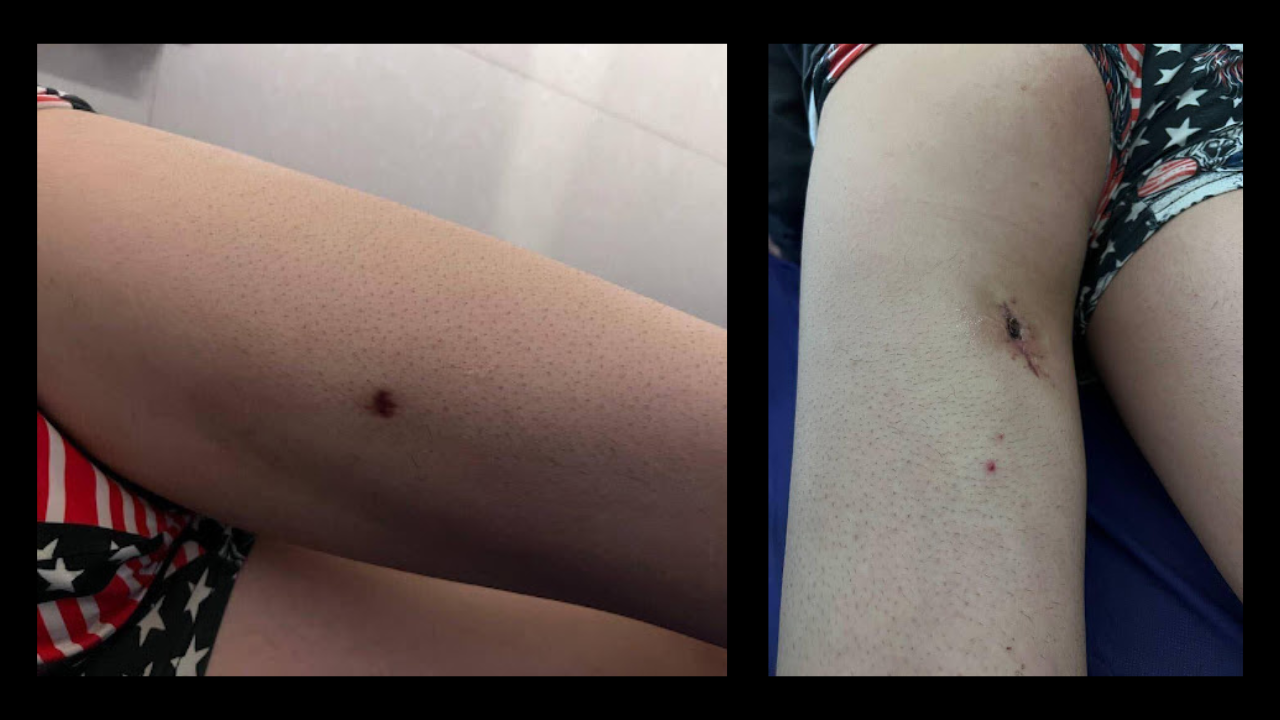
Over the course of that deadly weekend, Amir watched 30 people die in his clinic and patched up “between 120 to 150 gunshot wounds,” he says, losing track of the exact number in a muddle of blood and bullet holes.

Amir works in a small general practitioner’s clinic and does not have suitable equipment to treat the type of injuries more often seen on the front line of a warzone.
“There’s nothing I can do for a punctured lung or a gunshot that has broken the forehead,” he says. He and his colleagues were seeing multiple shots to the neck, abdomen and hands.
His patients that weekend ranged from a 12-year-old boy shot in the testicles to a 77-year-old man hit in the chest.
While this was happening, the clinic was also under attack by security forces. “They shot tear gas at us. They shot at the doorway of the clinic repeatedly both nights,” he says.
Outside the clinic, Amir saw the bodies of two people who had been shot. They may have been alive, but the medical staff were unable to help for fear of being hit by snipers or gunmen. This scene continues to haunt Amir.
Based on conversations with colleagues at other hospitals, he estimates that 400 to 500 people were killed in his city alone over the two deadliest nights of the protests.
At great personal risk, Amir has been handing his mobile number out to friends and colleagues he trusts so the injured can get in touch.
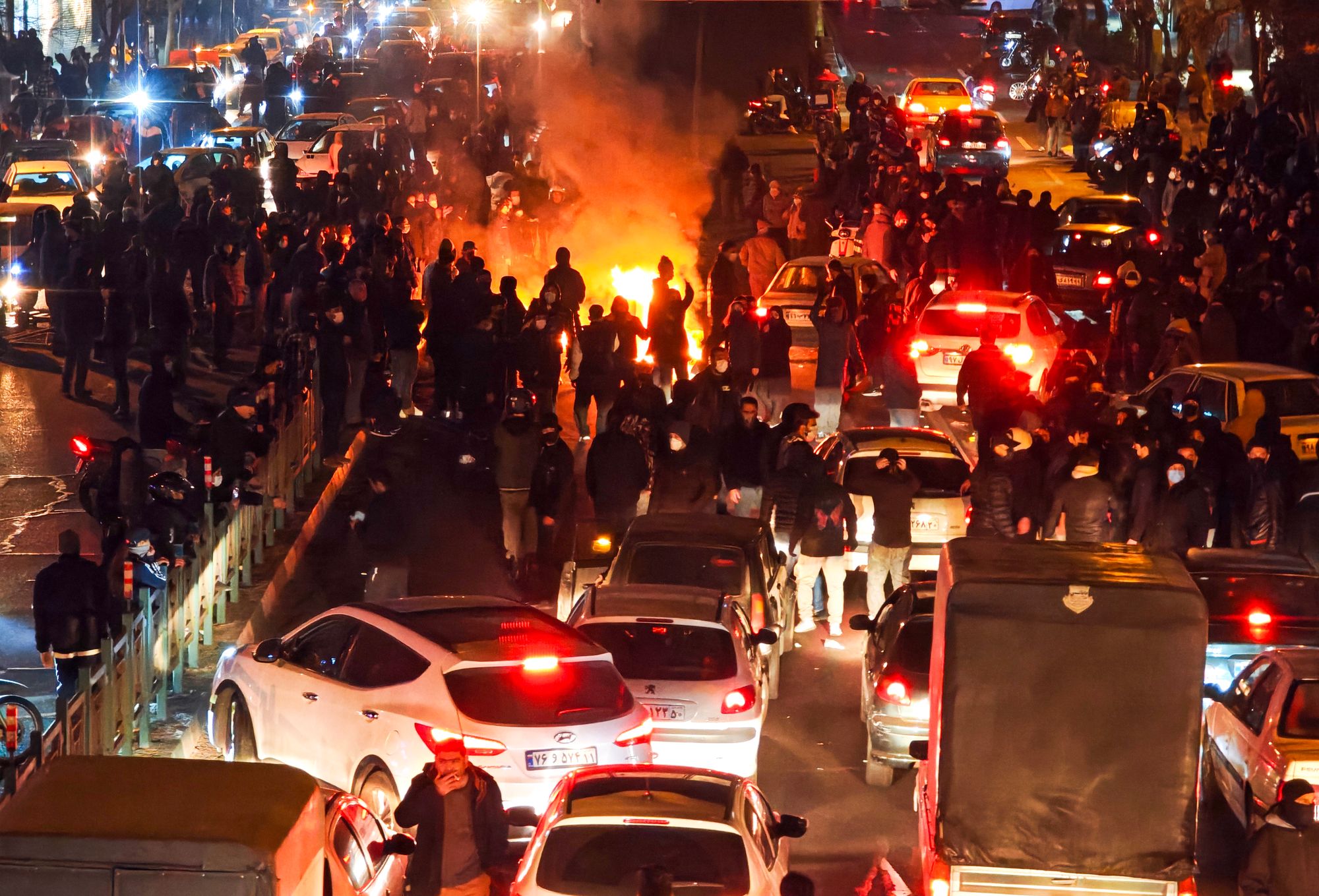
The regime has been tracking down those who attended anti-regime protests. Iran has some of the most advanced surveillance technology imported from China and Russia, according to reports by the British human rights organisation Article 19.
This includes facial recognition tools trained on Uyghurs in western China and censorship hardware which Iran used to entirely cut off its 93 million population from the internet.
A radiologist in the country told The Independent, “Many of the injured people did not go to hospitals out of fear.” He knew of at least one person who had died of their injuries at home.
As well as working in a private clinic, this radiologist works in a military hospital in one of the major cities in Iran.
“All doctors who have not completed their mandatory military service must serve in military medical centres,” he says.
Civilians completely avoid the military hospitals in times of crisis, as security forces are treated there. According to the radiologist, there were no deaths of security forces at the military hospital, although there were severe injuries.
The regime does not allow any independent lawyers to represent the estimated 42,000 people arrested during the protests, according to exiled Iranian lawyer Marzieh Mohebbi.
A prisoner who is lucky enough to survive will face judicial proceedings in which “virtually all principles of fair trial have been eliminated”, Mohebbi says.
Legal professionals have been targeted, too. At least one lawyer has died in police custody, according to the Iran Human Rights Documentation Center.
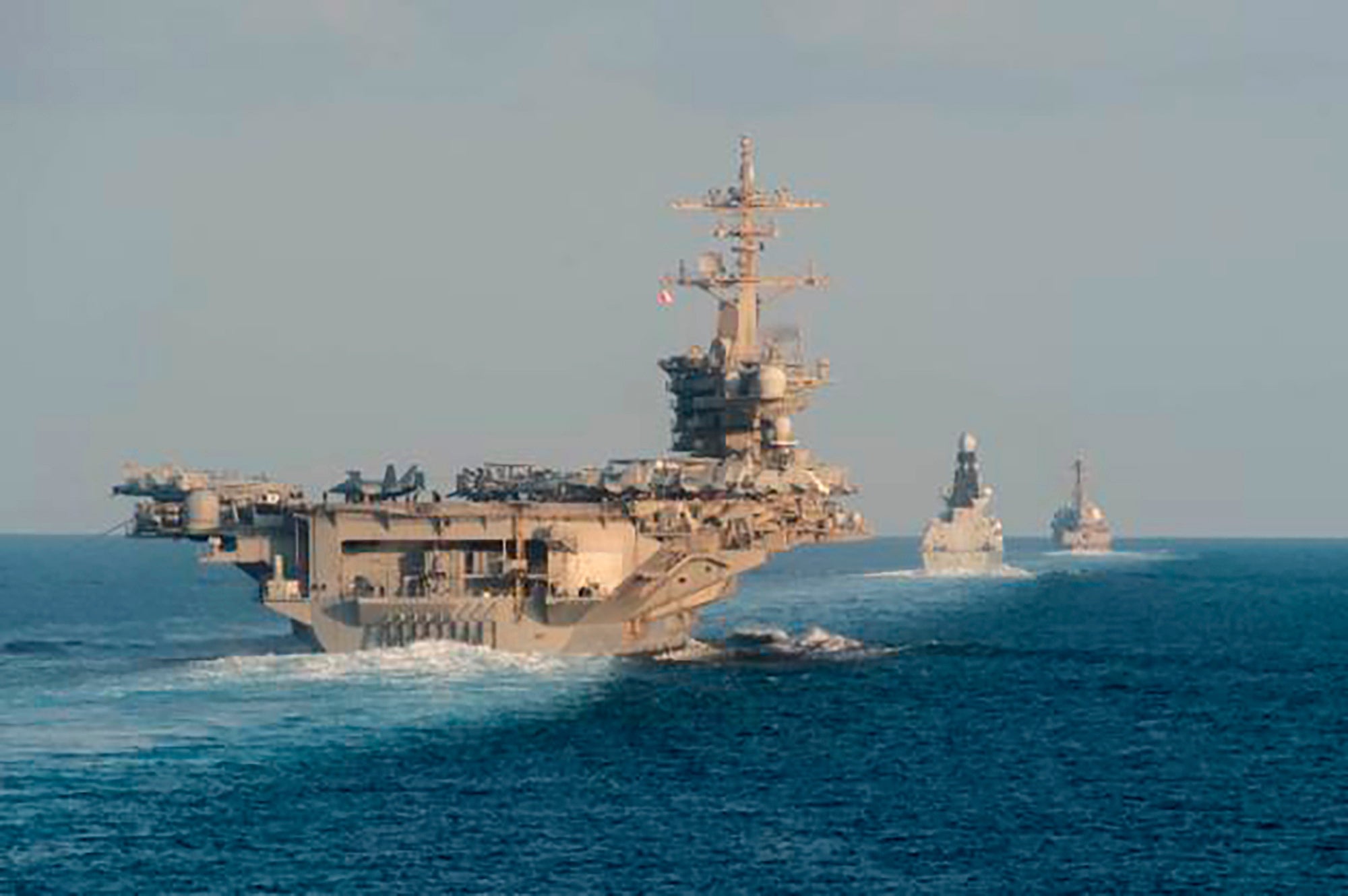
At the inaugural Board of Peace meeting on Thursday, 19 February, Donald Trump said that he will decide within 10 days if the US will strike Iran.
In June 2025, the US president made a similar statement before joining Israel’s bombing campaign against Iranian nuclear sites during its 12-day War.
In the days following the protests, Amir experienced another spine-chilling appointment – this time coming face-to-face with a regime gunman.
“He asked me for a day off, to give him a sick note to go home and rest because his finger was tremoring on the trigger,” Amir recalls, his own voice trembling and then trailing off.
“What I could see in front of me wasn’t a fascist, orthodox Islamist, or defender of the Iranian government. I saw a hollow person, and this scares me a lot,” he says.
Amir is no longer afraid of the consequences of disobeying the regime though, even if it costs him his life, he says: “Our problem is not fear. Our problem is hope. People are already dead and are dying now. The question is: for what?”
*Some names have been changed to protect sources who requested anonymity because they fear reprisals
Join our commenting forum
Join thought-provoking conversations, follow other Independent readers and see their replies
Comments
Bookmark popover
Removed from bookmarks