Iran’s president apologises for brutal protests crackdown that left thousands dead
‘We are ashamed before the people,’ president Masoud Pezeshkian says after more than 6,000 killed in Iran’s devastating crackdown on dissent
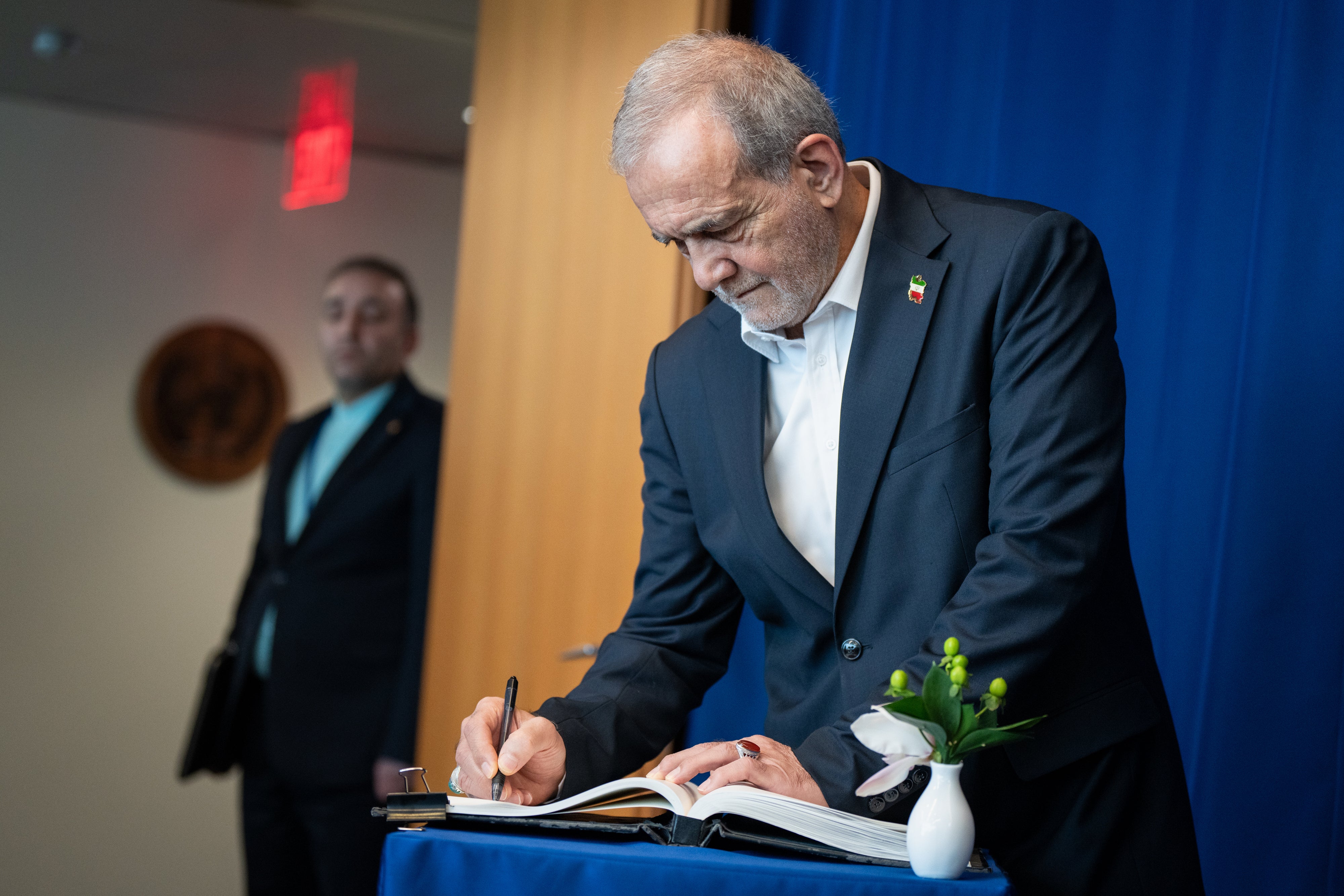
Iran’s president said he is “ashamed before the people” as he issued a sweeping apology for the country’s brutal crackdown on protests which resulted in the death of thousands.
President Masoud Pezeshkian said he knew the “great sorrow” felt by people in the protests last month, but failed to acknowledge the hand Iranian security forces had in the bloodshed.
Activists estimate that over 6,000 people, mostly protesters, were killed in the crackdown on dissent, though numbers have been hard to verify independently.
On the 47th anniversary of the Islamic Republic’s birth, Pezeshkian said: “We are ashamed before the people, and we are obligated to assist all those who were harmed in these incidents. We are not seeking confrontation with the people.”
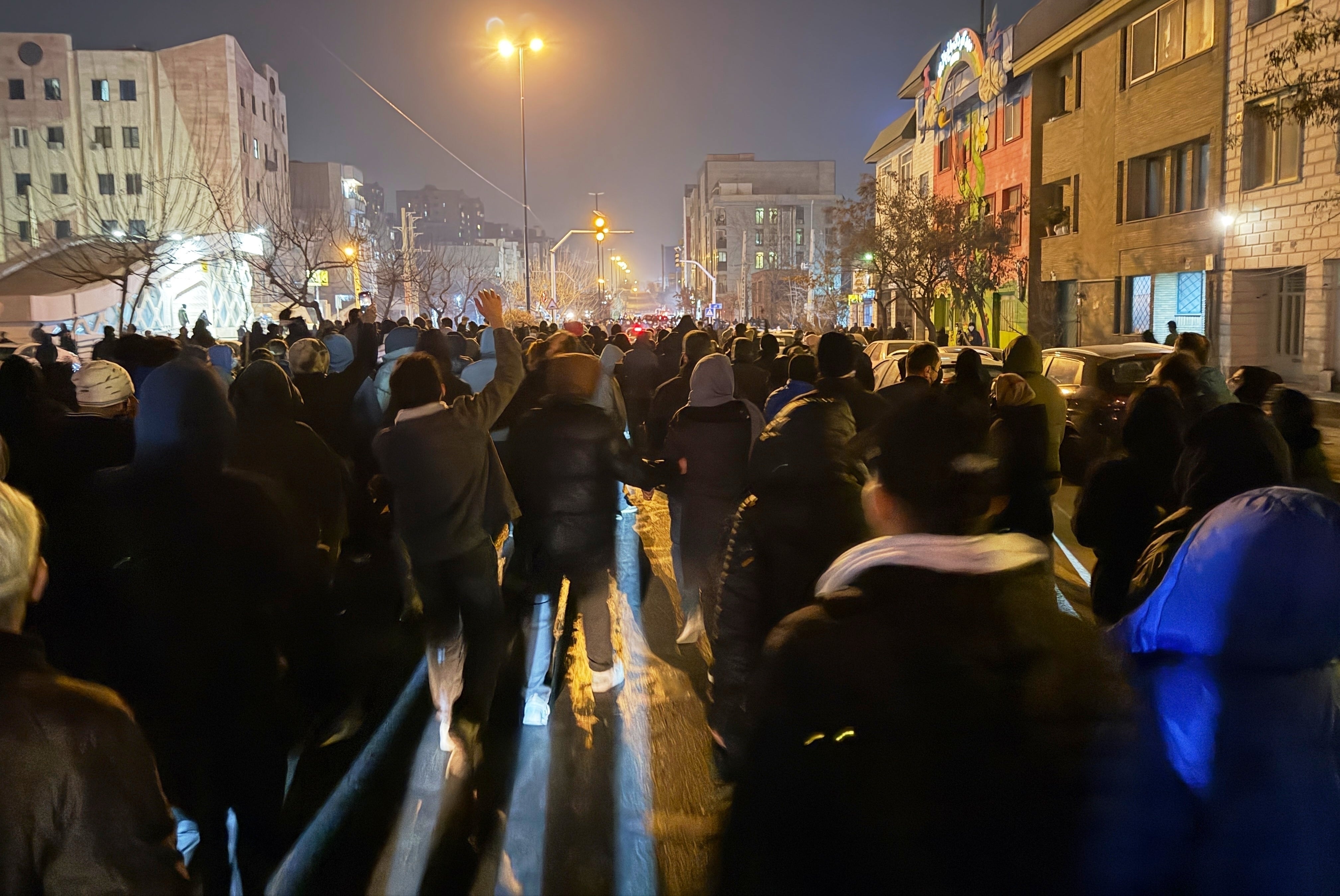
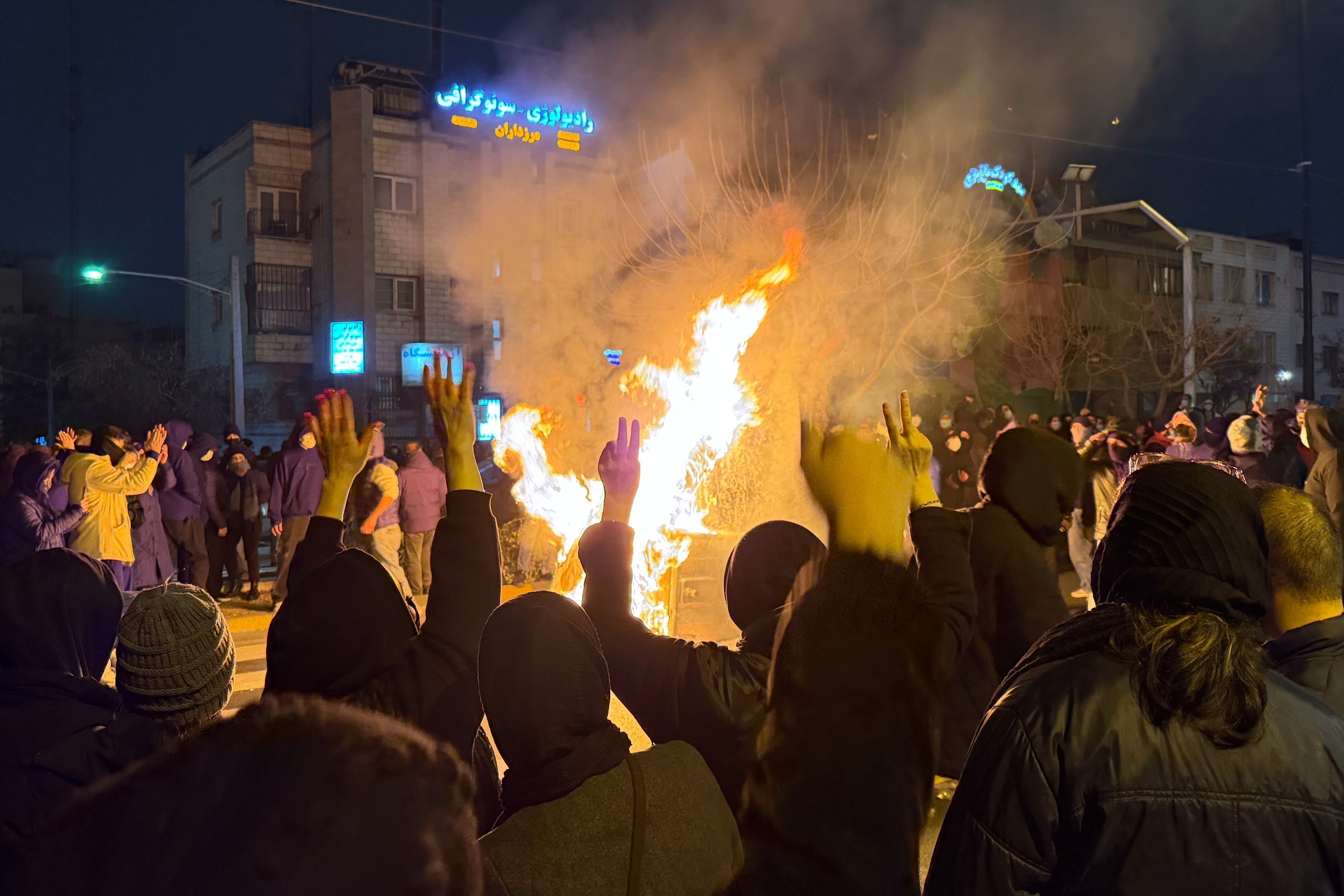
Raha Bahreini, of Amnesty International said the authorities “opened fire unlawfully” at protestors.
She said: “The vast majority of protesters were peaceful. The video footage shows crowds of people — including children and families — chanting, dancing around bonfires, marching on their streets.”
Bahar Saba of Human Rights Watch added: “Iranian authorities have repeatedly shown they have no answers other than bullets and brutal repression to people taking to the streets.”
“I think the regime viewed it as this was a moment of existential threat and that they could either allow it to play out and allow the protests to build and allow foreign powers to increase their rhetoric and increase their demands on Iran,” said Afshon Ostovar, an expert on the Revolutionary Guard and professor at the Naval Postgraduate School in Monterrey, California.
“Or they could turn out the lights, kill as many people as necessary ... and hope they could get away with it. And I think that’s what they ultimately did.”
Pezeshkian’s speech came as Iran’s theocracy is under heavy pressure.
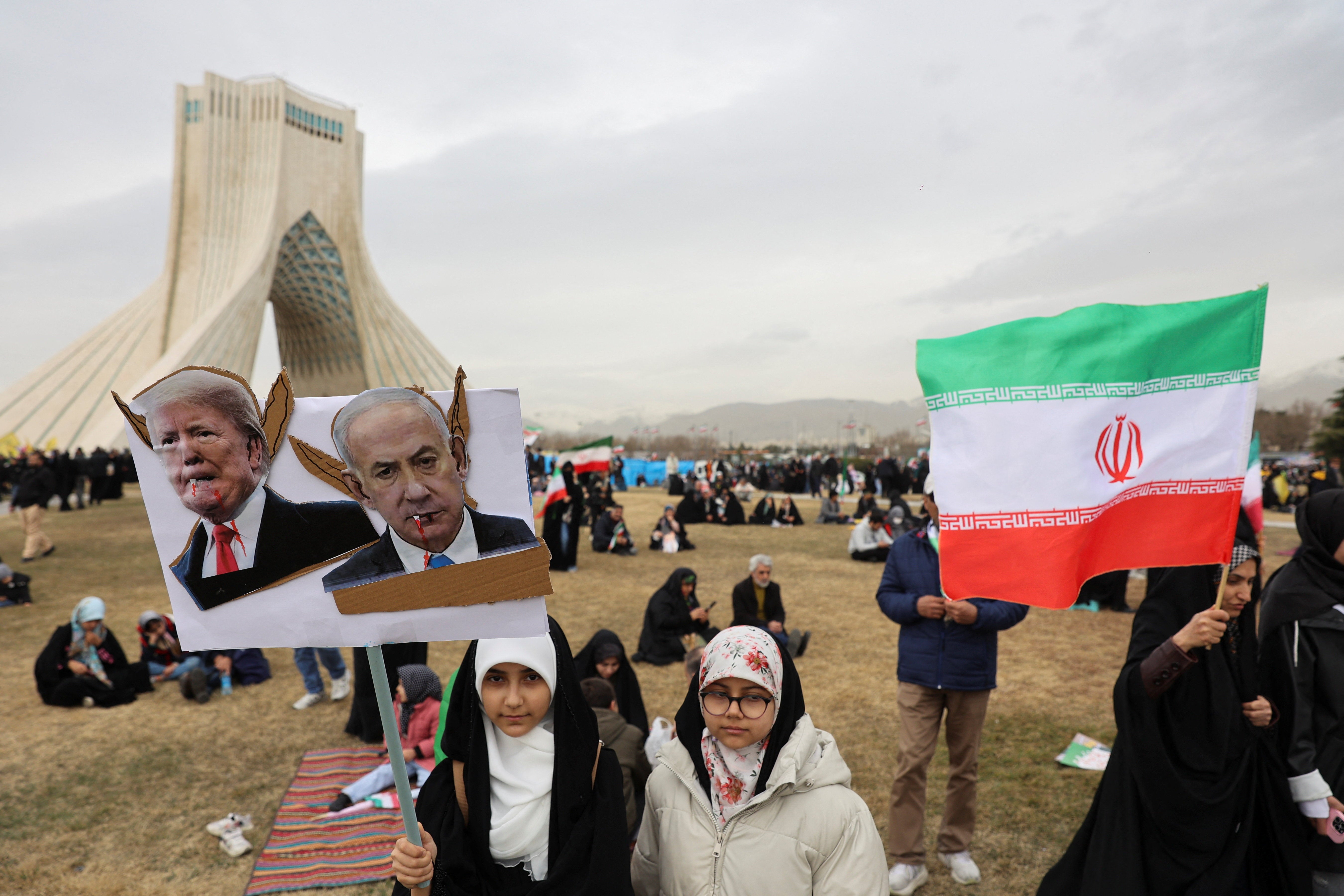
US president Donald Trump suggested a second aircraft carrier group could be sent to the Middle East in an interview on Tuesday night.
Trump is meeting with Israeli prime minister Benjamin Netanyahu at the White House Wednesday, with the latter pushing the US toward the strictest-possible terms in any agreement reached with Tehran in nuclear talks.
Before their meeting, Trump told Fox Business that a good deal with Iran would mean “no nuclear weapons, no missiles”.
Iran is also still reeling from the 12-day war with Israel last June. The devastating series of airstrikes, including the US bombing several Iranian nuclear sites, killed nearly 1,000 people in Iran and almost 40 in Israel.
At the time, Trump said the US action had "obliterated" Iran's nuclear capabilities, though the amount of damage remains unclear.
Satellite photos of nuclear sites have recently captured activity, prompting concern Iran could be attempting to salvage or assess damage at the sites.
The United Nations' nuclear watchdog has been unable for months to inspect and verify Iran's nuclear stockpile.
The Iranian president referenced nuclear weapons in his speech, insisting that his nation was "not seeking nuclear weapons ... and are ready for any kind of verification".
Pezeshkian said: “The high wall of mistrust that the United States and Europe have created through their past statements and actions does not allow these talks to reach a conclusion.
”At the same time, we are engaging with full determination in dialogue aimed at peace and stability in the region alongside our neighbouring countries.”
But Ali Shamkhani, an adviser to Iran's supreme leader, said on Wednesday: “The Islamic Republic's missile capabilities are non-negotiable.”
Join our commenting forum
Join thought-provoking conversations, follow other Independent readers and see their replies
Comments
Bookmark popover
Removed from bookmarks