High inflation, currency collapse and soaring food prices: The damning numbers behind Iran’s economic implosion
A currency crash led thousands of Iranians onto the streets late last month. Karl Matchett looks at how Tehran was plunged into economic crisis – and why it is unlikely to improve
The Iranian government has imposed a deadly crackdown on protests in Iran, with more than 2,400 protesters killed in the past fortnight.
The protests began late last month when a currency crash led thousands of Iranians to take to the streets, spiralling into the most serious threat to the regime in years.
The country’s economic collapse is evident in the value of its local currency, the rial. Morningstar data shows it was around 42,000 rial to the dollar back in mid-December; fast forward to today and it’s more than 1.1m rial to the dollar, having been as high as 1.4m just days ago, an all-time low.
In purchasing power terms of goods from outside the country, money is suddenly worth next to nothing for Iranians. Internally, the picture isn’t a whole lot better.
Iran has suffered from persistently high inflation for a number of years, but in the past 12 months it has reached near-unfathomable levels. It jumped from 31.8 per cent in January 2025 to 48.6 per cent by October, per the Statistical Centre of Iran, via Trading Economics. December’s figure has been cited as above 42 per cent.
Annual inflation was in excess of 32 per cent for the most recent available full year (2024), data from the World Bank shows, placing it ninth-highest in the world for that year. Since 2008, Iran has only seen inflation rates below 25 per cent in five of 16 years.

That constant pressure on rising prices means citizens’ savings and spending power have diminished with regularity, while The New York Times has reported shopkeepers being “enraged” at the initial currency crash on 28 December. There are also reports of Iran’s president, Masoud Pezeshkian, ordering monthly payments to Iranians and acknowledging they are suffering.
Rising inflation means that money loses its spending power over time: as prices of goods or services rise, the same amounts of money can buy less of it.
One way to combat that is to hold cash in bank accounts paying interest rates above the rate of inflation, but that is unlikely to be possible with the nation’s Central Bank holding rates at 23 per cent, meaning local currency cash will continue to see buying power eroded as time goes on.
Local conditions around food production and the need to import basic goods mean the currency collapse was a final straw for many in the country, explained Simon Phillips, managing director at No1 Currency.
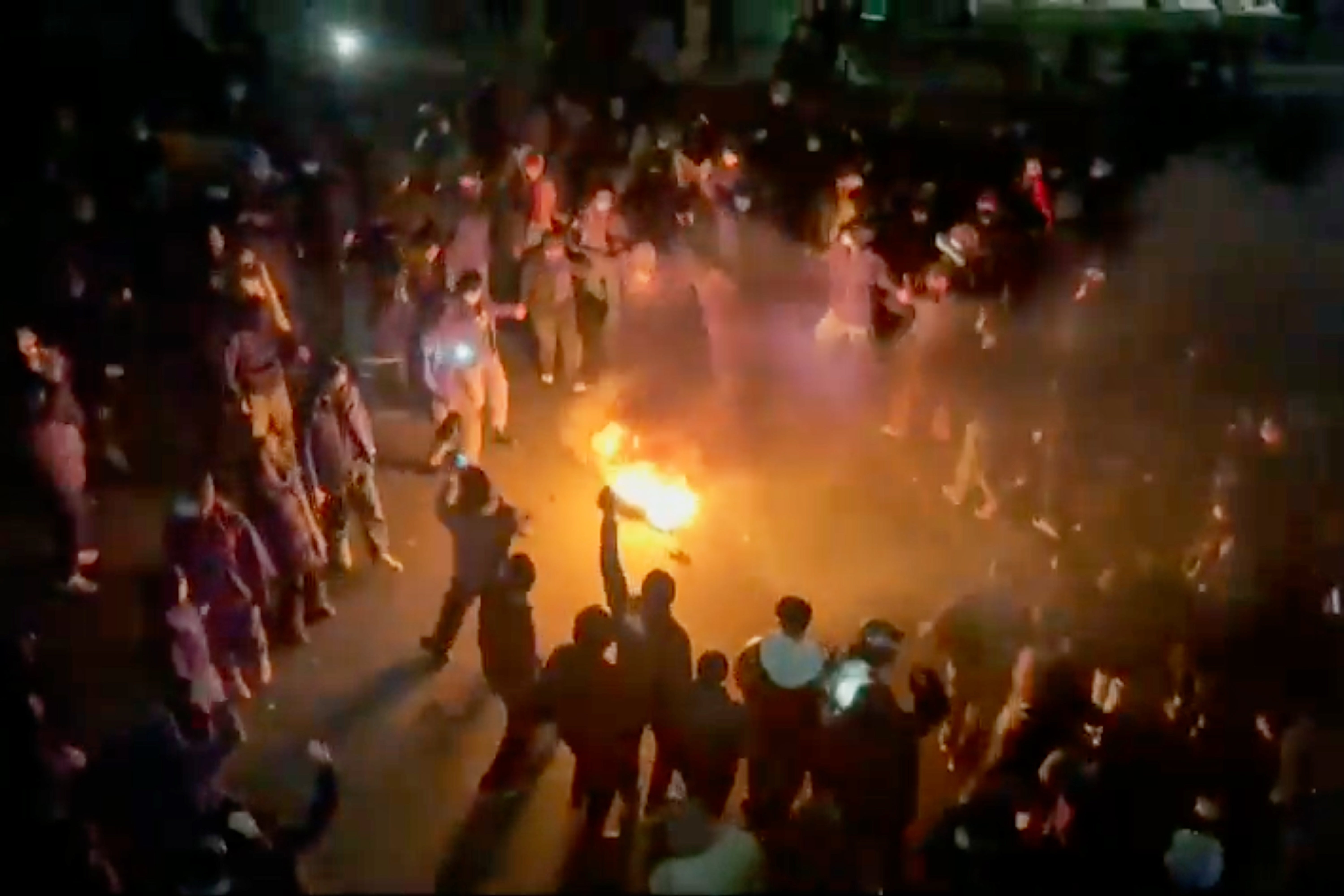
“Iran’s currency was the spark that lit the tinderbox of resentment among the Iranian people. The rial has been weak for years, held back by alleged widespread corruption within Iran and international sanctions from without. A weak currency makes imports more expensive, and Iran imports many of life’s basics – including food and medicine,” he said.
“Things went from bad to worse at the end of last year. Over the past six months, the rial has slumped 64 per cent, according to official exchange rates, and this has sent the prices of staples like wheat and cooking oil through the roof.
“After five years of drought, Iran’s farms can’t produce enough to feed the country, and the soaring prices of food imports have hit the Iranian people hard. Such high levels of inflation wiped out the value of people’s savings and left many Iranians struggling to afford food – and this created a sense of desperation that exploded into protests.
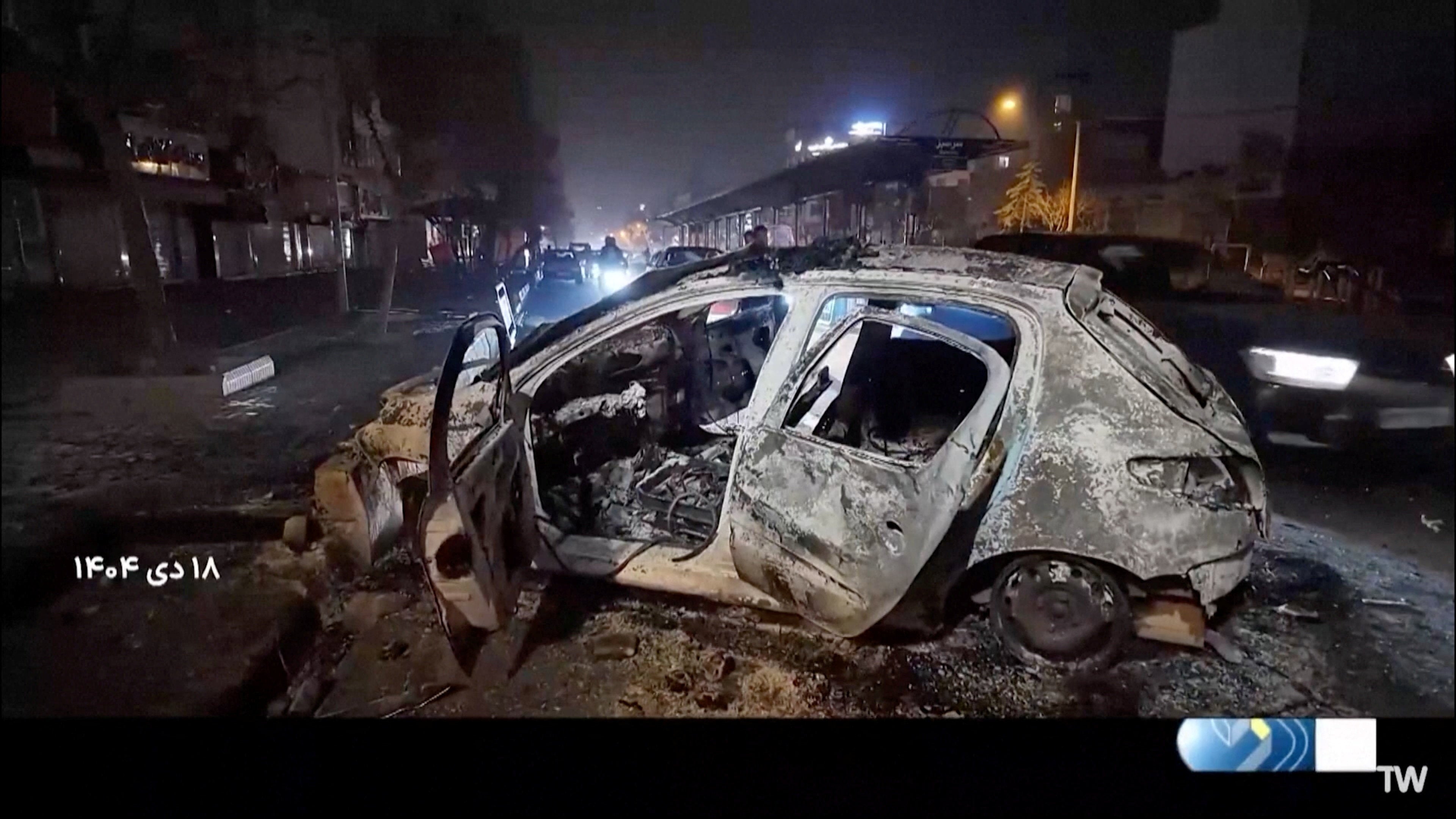
“Currencies are the lifeblood of international trade, but as Iran’s painful experience shows – they matter to everyone.”
As for Iran as a nation, Neil Wilson, investor strategist at Saxo UK, explained how the situation has no clear path to economic stability.
“It's practically worthless now [as a currency]. The extreme instability internally, being close to economic collapse and the implications of strangulation of oil exports mean it has no real value. It’s a proxy for the economic woes that have led to recent protests and the hyperinflation from its collapse only makes it tougher for the regime to go on,” he told The Independent.
“We think it goes beyond redenomination – the usual salve for economic collapse and hyperinflation. With the regime isolated and no countries willing to trade with Iran beyond China and Russia, the rial is effectively worthless in global financial markets. It’s unclear whether there is a path to stabilisation while political instability and unrest continue.”
Join our commenting forum
Join thought-provoking conversations, follow other Independent readers and see their replies
Comments
Bookmark popover
Removed from bookmarks