What’s next for Gaza as US announces phase two of ceasefire?
The Trump administration is pushing on with its plan for peace in Gaza, even as key question remain, writes James C. Reynolds
The United States said on Wednesday it was launching the second phase of its audacious plan to end the war in Gaza.
The first phase, aimed at ending hostilities and returning the remaining hostages, has looked fragile since it came into effect in October, rocked by Israeli strikes blamed for hundreds of deaths and the failure to retrieve the remains of one last Israeli hostage.
But Donald Trump’s special envoy Steve Witkoff insisted it was time to press on and establish a “transitional technocratic Palestinian administration in Gaza”, moving ahead with disarmament and reconstruction.
Invitations were promptly sent out to people eyed for roles on the ‘Board of Peace’ meant to govern Gaza temporarily, US officials said, refusing to disclose who was named on the president’s list of recommendations.
British prime minister Keir Starmer was said to be among the members offered a role, according to reports, with former Labour leader Tony Blair expected to join a separate committee.
Questions remained around the future of Hamas, which welcomed the new administration but still refuses to lay down its weapons.
What does phase two entail?
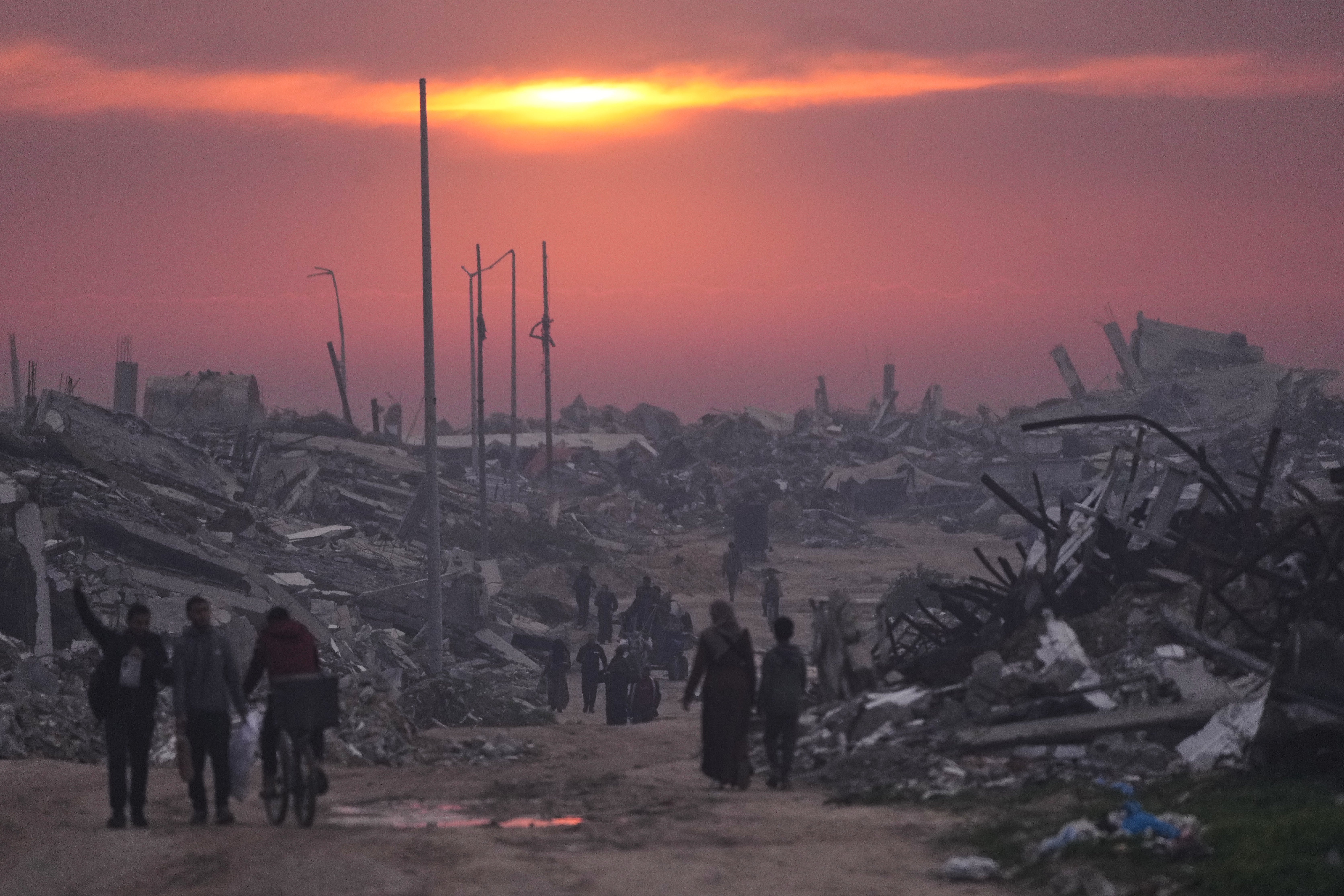
Phase one of the peace plan was focused on the immediate priorities: ending the conflict, returning the hostages and surging humanitarian aid into Gaza. Phase two will focus on reconstituting the beleaguered Gaza Strip.
Hamas agreed in October to hand over governance to a technocratic committee. There was no sign this week that it was planning to renege on that commitment.
But the militant group has not committed to giving up its weapons. It remains unclear how Hamas, which has regrouped since a fragile ceasefire began in October, will be disarmed as required by the plan.
When the new temporary administration is in place, it will have a mammoth task in overseeing the rebuilding of Gaza, which will take until take at least until 2040, and could drag on for decades, according to a 2024 UN report.
The UN Development Programme estimated in October that the two-year war had generated at least 55 million tons of rubble, and said it could cost as much as $70bn to rebuild the Strip.
Trump acknowledged in October that the phases are “all a little bit mixed in with each other”. “We can take them out of order in a positive way,” he said.
Who will be involved in running Gaza?
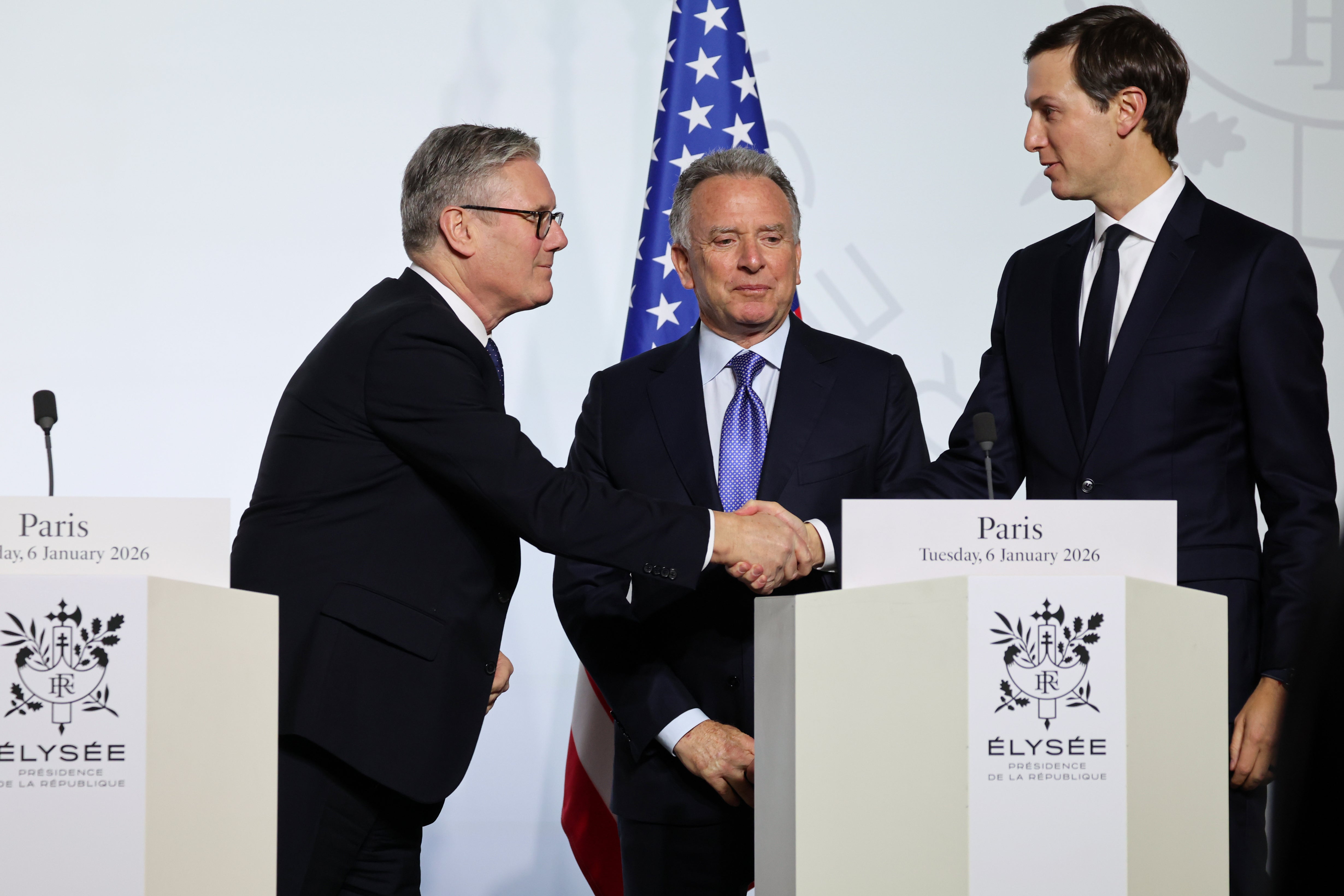
The original plan describes a transitional government – “technocratic and apolitical” – managing the overall running of Gaza. That would be overseen by an international body called the “Board of Peace”.
The government will have 15 members and will be led by Ali Shaath, a former deputy minister in the Palestinian Authority once in charge of developing industrial zones, according to mediators Egypt, Qatar and Turkey.
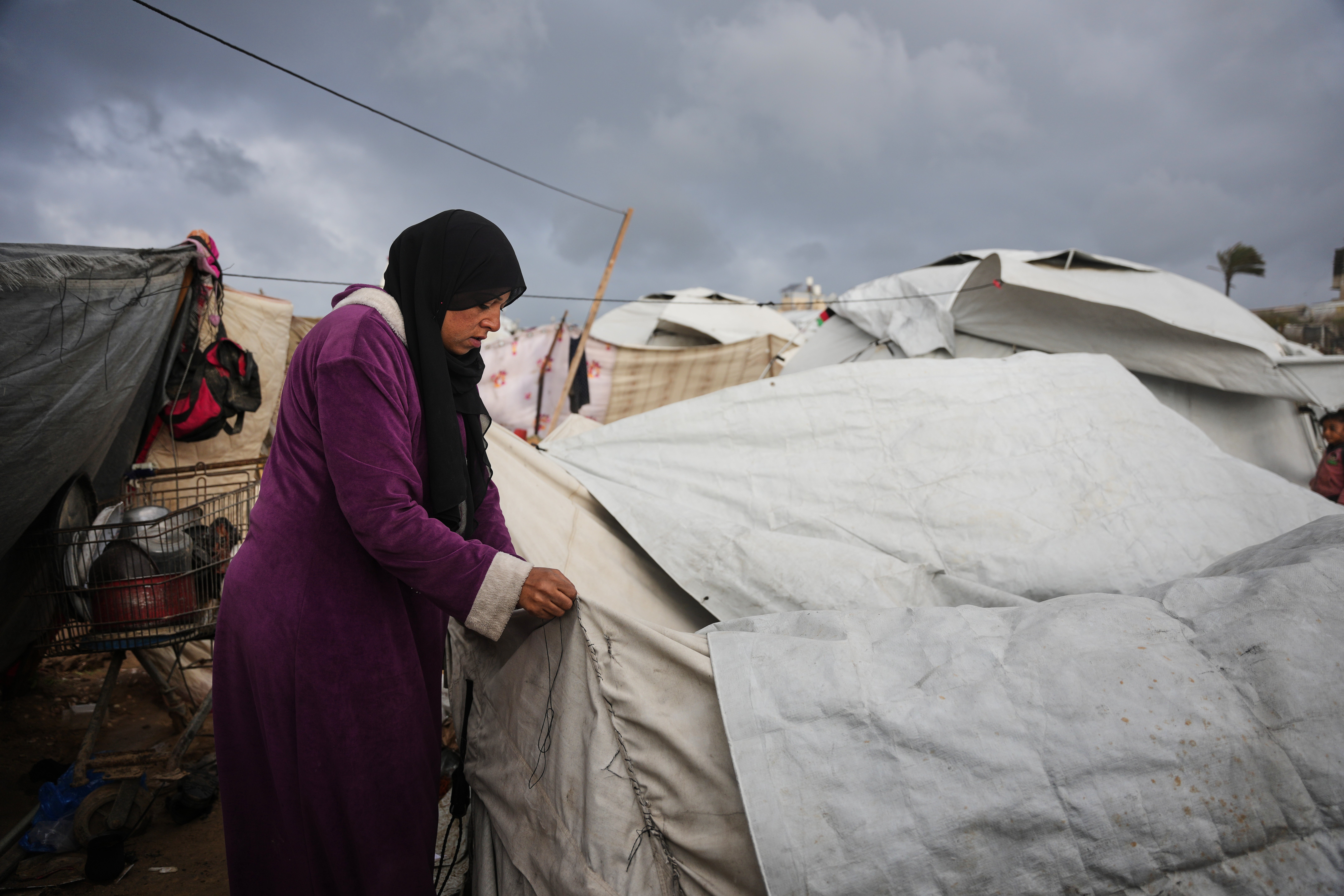
Shaath said in a radio interview that the committee would focus first on providing urgent relief for Gaza, including the provision of housing for displaced civilians.
“If I bring bulldozers and push the rubble into the sea, and make new islands, new land, I can win new land for Gaza and at the same time clear the rubble. This won't take more than three years,” Shaath told a West Bank radio station.
The technocratic body will be overseen by the international "Board of Peace" that is meant to govern Gaza for a to-be-determined transitional period.
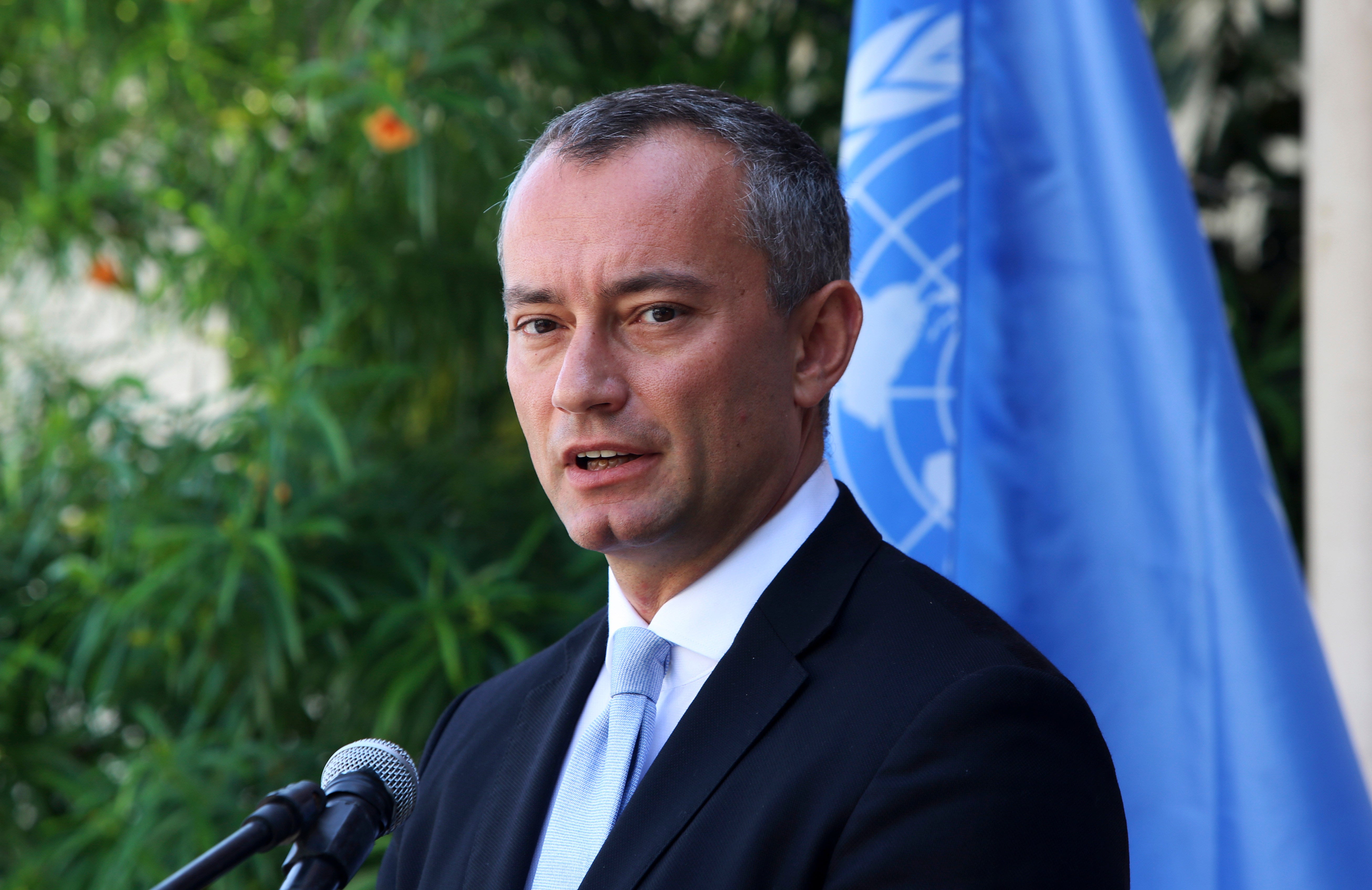
Nickolay Mladenov, a former UN Middle East envoy, is expected to represent the Board of Peace on the ground. Other members include people from the private sector and NGOs, according to a list of the names obtained by Reuters. Witkoff did not say how many members the Board would include or name them.
Sir Keir Starmer was among those considering whether to join the board, according to the Sunday Times. UK diplomats were still seeking clarification on the role of the board and its members, the BBC reported on Tuesday, quoting government sources in saying the prime minister had not yet made a decision.
Sir Tony Blair was also still being considered for a role, three sources with knowledge of the plans told FT said he could be joined by Witkoff and Trump’s son-in-law, Jared Kushner.
What has been the response so far?
Hamas and its rival Fatah group, led by Palestinian President Mahmoud Abbas, have both endorsed the list of technocratic committee members, Egyptian and Palestinian sources said.
In the West Bank, the Palestinian Authority welcomed Trump's effort to move ahead with the Gaza phased plan, in a statement posted on X by Palestinian Vice President Hussein Al-Sheikh, and voiced support for the committee.
Sheikh said institutions in Gaza should be linked to those run by the Palestinian Authority in the West Bank, "upholding the principle of one system, one law and one legitimate weapon."
The US official briefing reporters said that Israel remains “skeptical that Hamas will disarm and that the Palestinian people want peace”. They said it would be up to Washington to bridge the differences.
“The goal here is to create the alternative to Hamas that wants that peace, figure out how to empower them,” the official said.
“Now that we have this government, we will be engaging in conversations: with Hamas on the next phase, which is demilitarisation; with Israel, on what amnesty program can be given to Hamas if they do this."
Egyptian sources said talks with Hamas will now focus on the group's disarmament.
Join our commenting forum
Join thought-provoking conversations, follow other Independent readers and see their replies
Comments
Bookmark popover
Removed from bookmarks