Iranian protester Erfan Soltani reportedly released on bail after execution threat
Soltani was most recently being held at the notorious Ghezel Hesar prison
An Iranian man arrested over his alleged involvement inthe massive anti-government protests that rocked Tehran last month has been released on bail, his lawyer said.
Earlier this month, the Iranian regime had granted a reprieve for Erfan Soltani, 26, who was reportedly facing execution for joining protests against the rulers.
Iran’s foreign minister had told America’s Fox TV there would be “no hangings today, tomorrow or whatever”. His comments were reinforced by Iran’s judiciary which revealed the legal charge against Mr Soltani, who was scheduled to be executed on 14 January, had been downgraded.
The arrest of Mr Soltani, a resident of Fardis, a city west of Tehran, prompted international concern as he was allegedly rushed through the justice system to face the death penalty, according to reports.
Mr Soltani was most recently being held at the notorious Ghezel Hesar prison, Iran’s largest state facility infamous for reports of torture, abuse and poor hygiene conditions, according to rights groups.
He was among 18,470 people arrested in connection to the protests, according to the US-based rights group HRANA rights group, which says accurate reporting has been hampered by the ongoing internet blackouts.
The Hengaw Organisation for Human Rights, an independent Norway-based Kurdish NGO, said Mr Soltani was set to face the death penalty on Wednesday. Reports suggested that officials also informed the family members of Mr Soltani that he had been scheduled to be executed within days but did not share more details.
Mr Soltani was released on bail on Saturday, his lawyer Amir Mousakhani said, adding that he “received all of his belongings including his cellphone”, according to reports.
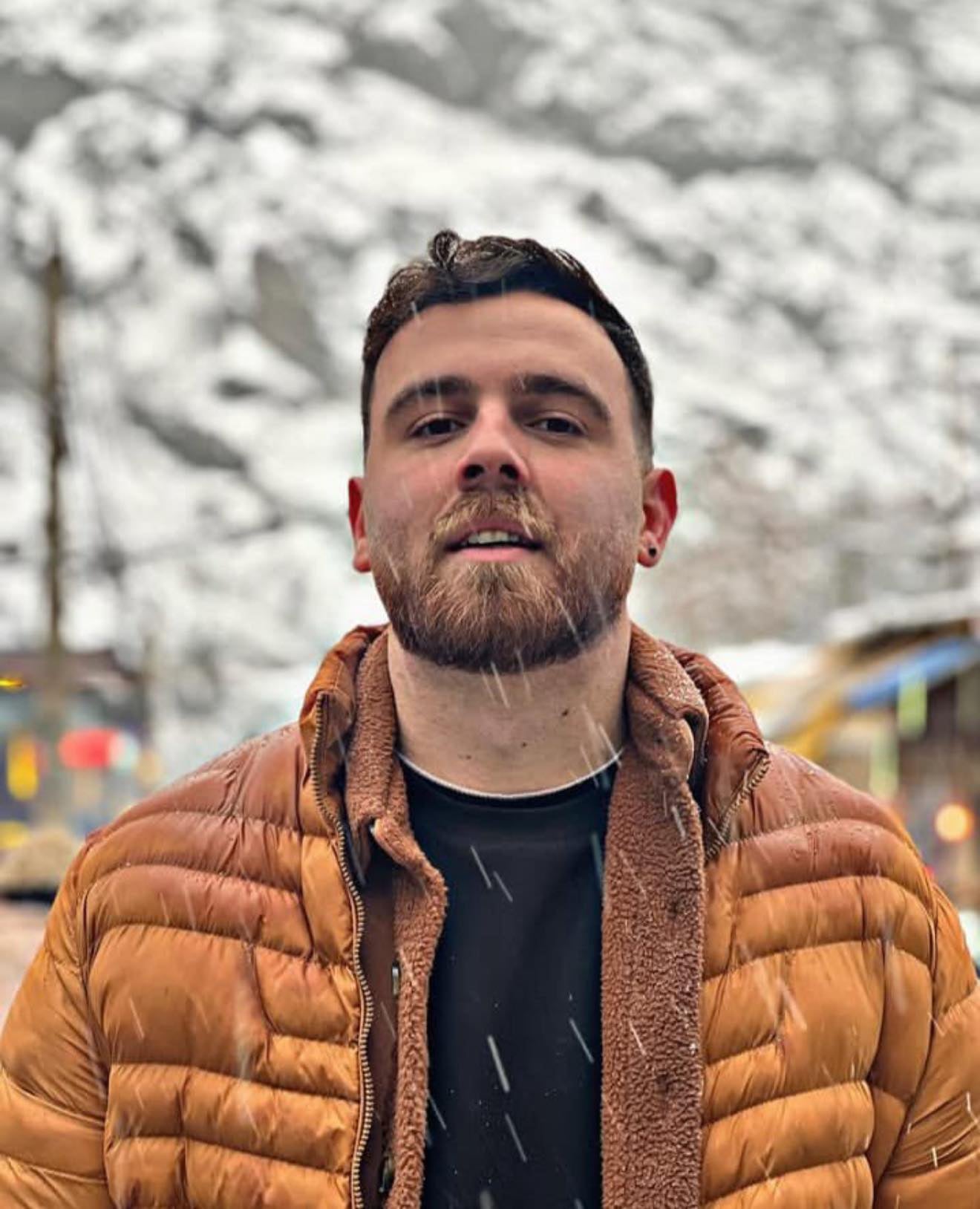
His family paid a bail of two billion tomans (£9,200) to secure his release, Mr Mousakhani said. The news of his bail was also reported in Hengaw and Iranian media news outlets.
The turnaround followed an 11th-hour vow from Iranian foreign minister Abbas Araghchi that the regime would not hang any protesters, as the US appeared to position its forces in the Middle East for conflict.
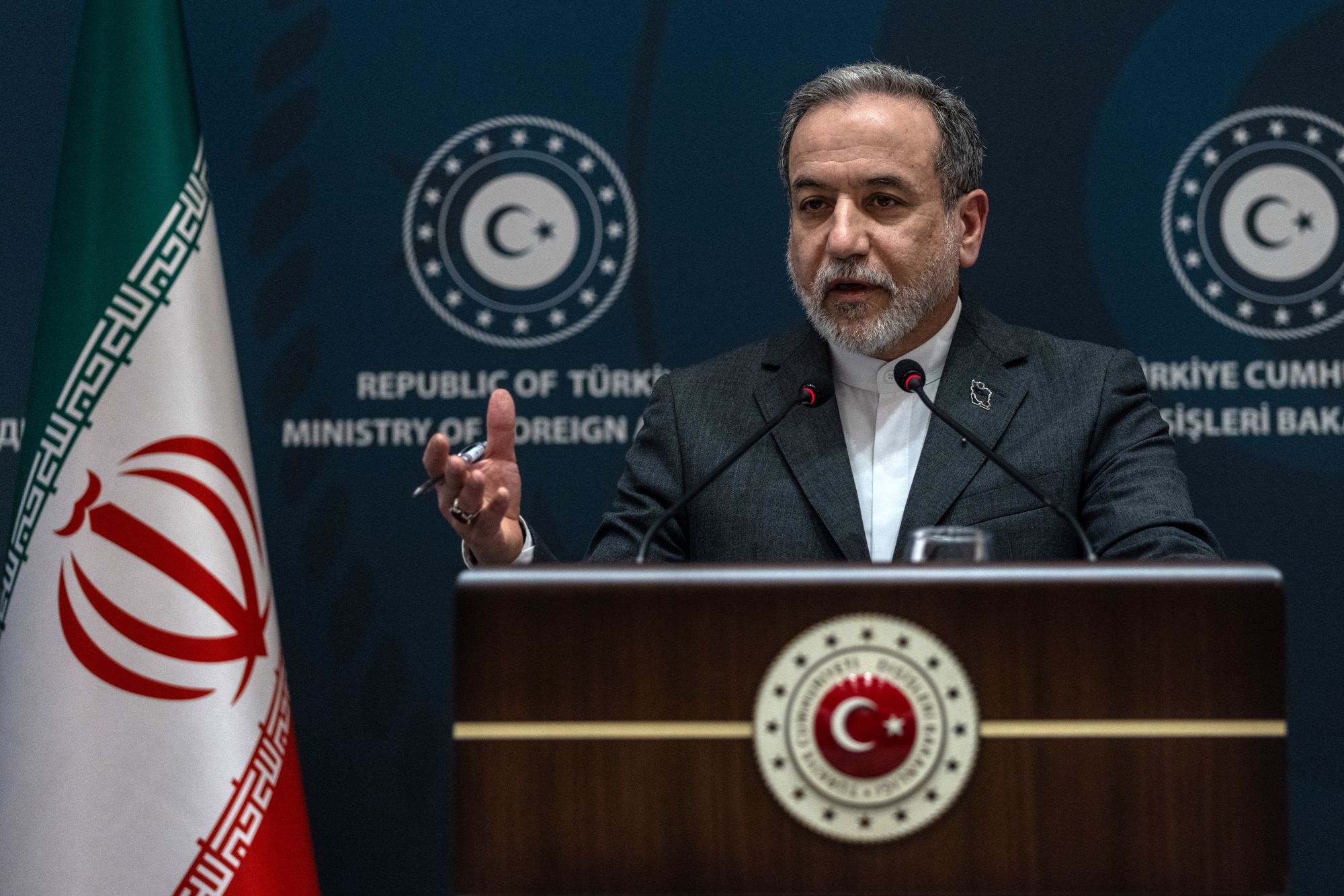
Mr Araghchi told CNN Turk that 3,100, including 2,000 security forces, had been killed in the protests.
Trump did not rule out future action but said Tehran was reining in its brutal crackdown on protesters. “We’ve been told that the killing in Iran is stopping ... There’s no plan for executions,” he said.
According to Hengaw, Mr Soltani was deprived of his “most basic rights”, including access to legal counsel and the right to a defence, the rights group said. It said his sister, a lawyer, was also denied access to his case file.
According to the Norway-based Iran Human Rights Society, hangings are common in Iranian prisons.
Last year, it estimated that the number of executions in Iran had doubled since 2024, with just under 1,000 executions verified to have taken place.
Activists say the rate of executions increases when the regime feels under threat. IHR figures suggest 99 per cent of those executed have been for murder or drug offences.
Experts have said that this makes it one of - if not the - deadliest repressions of a popular uprising in Iran in the country’s recent history.
The two-week-long nationwide protests, which began in late December over an economic crisis marked by soaring inflation and rising living costs, have abated after a bloody crackdown by the clerical authorities that HRANA says has killed at least 6,563, including 6,170 protesters and 214 security forces.
Join our commenting forum
Join thought-provoking conversations, follow other Independent readers and see their replies
Comments
Bookmark popover
Removed from bookmarks