Russia attempts to block WhatsApp in major crackdown
Russia began limiting some calls on WhatsApp and messaging service Telegram last year
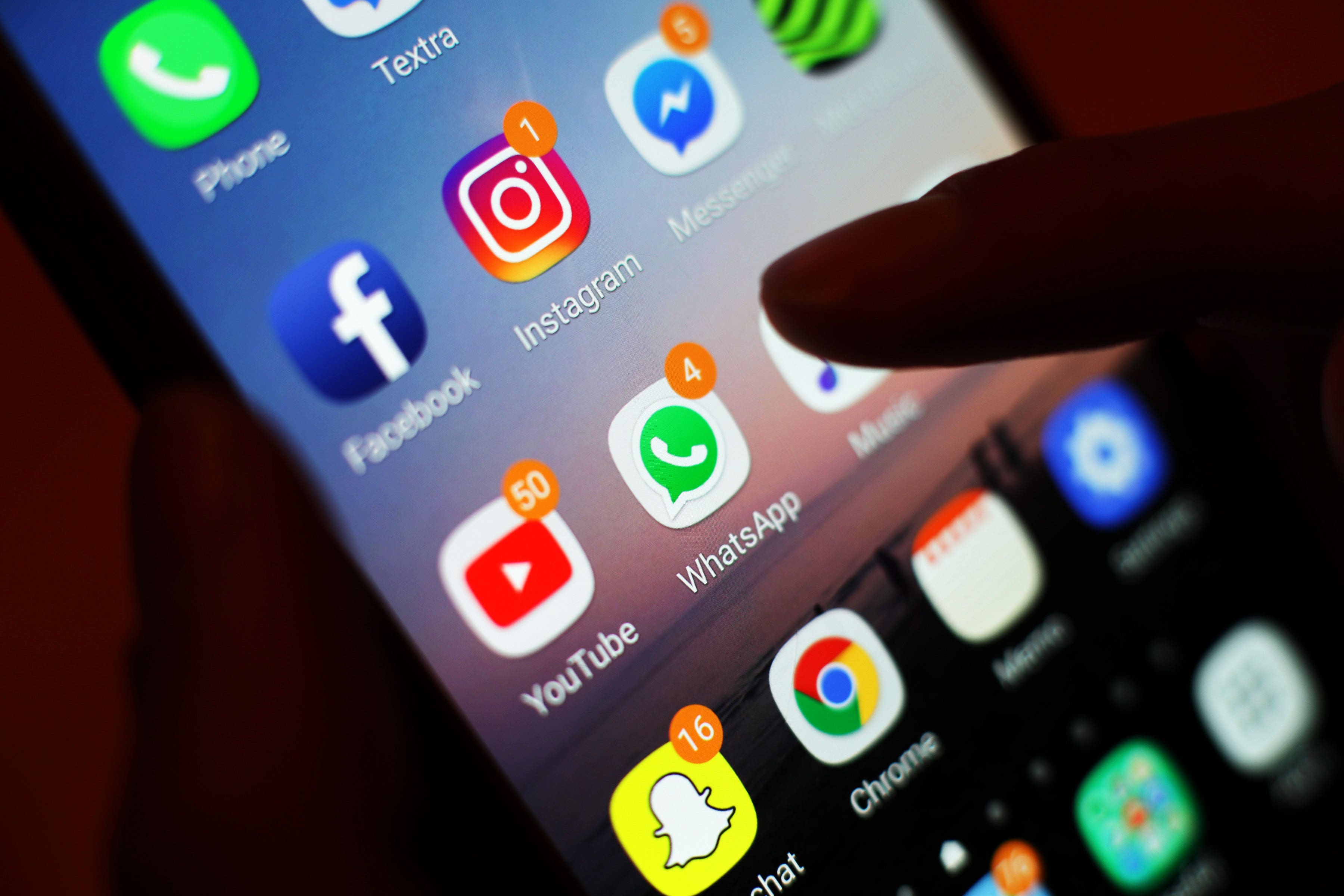
Russia has reportedly moved to "fully block" Meta-owned WhatsApp, according to a company spokesperson, as Moscow intensifies its efforts to promote domestic platforms and tighten its grip on the nation's internet.
This action comes amid a deepening dispute with foreign technology providers, which escalated following Russia's invasion of Ukraine in February 2022.
Authorities in Moscow are actively promoting a state-backed alternative messaging service named 'MAX'. Critics have voiced concerns that this app could be utilised for user tracking, although these allegations have been dismissed as false by state media.
WhatsApp itself has characterised the block as Russia's attempt to funnel users towards a "state-owned surveillance app." The company affirmed its commitment, stating: "We continue to do everything we can to keep users connected."
When asked if WhatsApp would return in Russia, Kremlin spokesperson Dmitry Peskov told TASS in a video published by the state news agency on Wednesday: "This is again a question of fulfilling the legislation.
“If the Meta corporation fulfils this and enters into dialogue with Russian authorities, then we have the possibility of reaching an agreement.
"If the corporation (Meta) sticks to an uncompromising position and, I would say, shows itself unready to align with Russian legislation, then there is no chance."
The Financial Times previously reported that Russian authorities have removed the secure messaging application, which has about 100 million users, from the equivalent of an online directory run by Roskomnadzor, the state's communications watchdog.
Kremlin did not immediately respond to a Reuters request for comment.
Last year, Russia began limiting some calls on WhatsApp and messaging service Telegram, accusing foreign-owned platforms of refusing to share information with law enforcement in fraud and terrorism cases.
It also blocked Apple's video-calling app FaceTime in December.
Telegram's Russian-born founder Pavel Durov previously said it would remain committed to protecting freedom of speech and user privacy.

Russia has been tightening its control of the internet over the past 12 months.
Mobile phone internet shutdowns have affected dozens of Russian regions, ostensibly thwarting Ukrainian drone attacks.
The impact is profound: credit cards fail for public transport, ATMs disconnect, and parents of diabetic children report being unable to monitor blood glucose levels during outages.
Join our commenting forum
Join thought-provoking conversations, follow other Independent readers and see their replies
Comments
Bookmark popover
Removed from bookmarks