Is the UK really ready to put boots on the ground in Ukraine? Britain’s dwindling military might in numbers
Deployment to Ukraine would likely require thousands troops which the UK may not be able to spare, Maira Butt writes
Prime Minister Keir Starmer has signed a historic deal to deploy British troops to Ukraine in the event of a peace deal with Russia.
But his pledge has drawn scepticism amid growing concern about the UK’s military capabilities and dwindling troop numbers during an increasingly precarious global climate.
Reform leader Nigel Farage derided the commitment, saying the UK is in “no position” to put boots on the ground in Ukraine during a press conference on Wednesday. “With what boots? he asked. “What kit? We might be able to go for six to eight weeks but … We’re in no position to do it.”
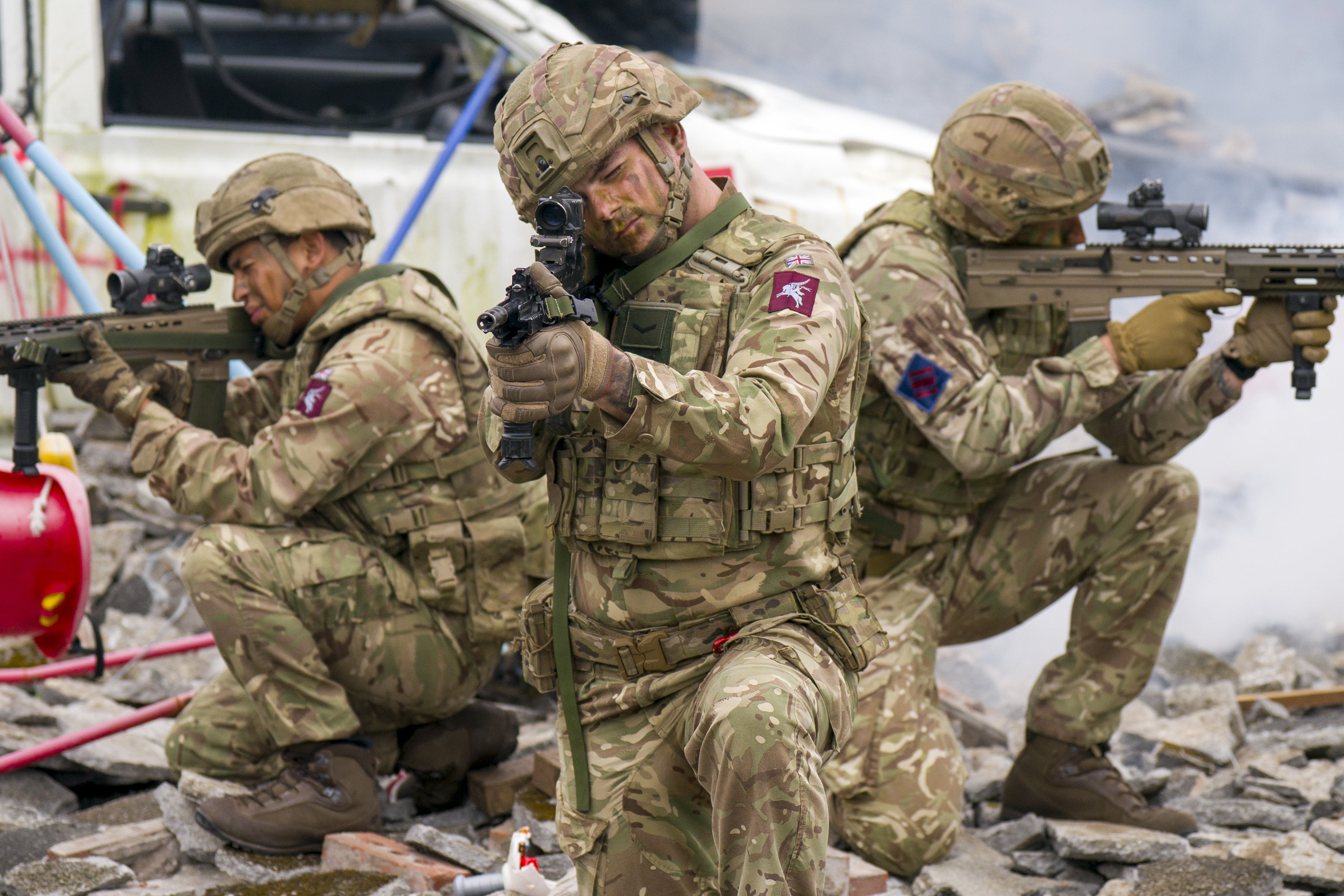
Below, we look at how the country’s military equipment stacks up at present.
Dwindling troop numbers
The most recent government figures show there are around 147,000 people in the UK armed forces, with just over half assigned to the army.
But Sir Keir’s promise to send troops to Ukraine could require as many as 50,000 according to Sir Richard Shirreff, former deputy commander of Nato.
Sir Richard stressed in an interview this week that British troops must be ready to fight Putin’s army if deployed.
“There’s not going to be a peace until Russia is forced into it,” he told LBC. “At least now there is a clear plan from France and the UK to provide a reassurance force or an enforcement force.
“But it’s got to be the right capability, and it’s got to have the right numbers, the means, and there’s got to be proper capabilities.”
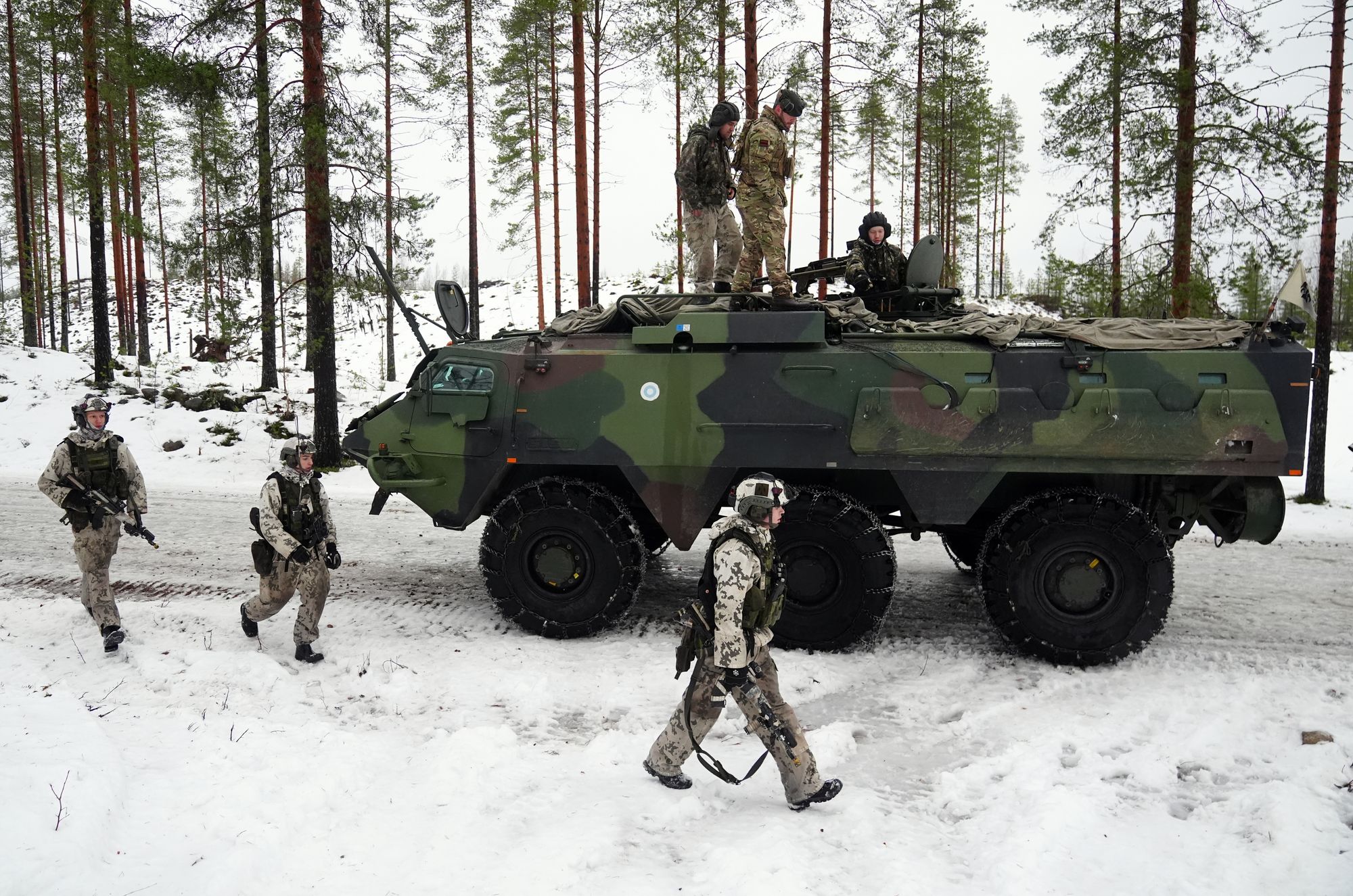
Britain’s numbers are a fraction of other major powers with India boasting over 3 million personnel, China with 2 million and Russia, the US and north Korea with around 1.5 million each.
The UK also lags behind countries such as Bangladesh, Egypt, Pakistan, Turkey, Thailand and Colombia in service size. Its forces are similar in number to those of Sudan, Ethiopia, Greece and Malaysia.
In 2021, the UK’s armed forces were the smallest they had been in 400 years. Despite initiatives to increase its size, all three branches of the armed forces are under their target size, with the army below by 3 per cent, navy by 8 per cent and air force by 13 per cent.
However, the military believes it is more effective than comparatively sized forces due to superior equipment.
And last year, ministers promised to plough £1.3bn into army recruitment to bolster the UK’s depleted armed forces and tackle a crisis of staff retention, The Independent previously reported.

The Armed Forces Recruitment Service (AFRS), to be launched in 2027 aims to streamline the hiring process and ensure the British military “remains ready to face emerging threats”.
It will replace individual schemes run by the Royal Navy, British army, and Royal Air Force.
But even with the push for recruitment, experts say that the UK could struggle to keep up with its commitments to Ukraine without significantly impacting its ability to defend itself in other areas.
Even conservative estimates of 10,000 troops on deployment would put pressure on the UK’s Regular Army, according to Stuart Young, a former engineer officer in the Royal Navy and visiting fellow at Cranfield University.
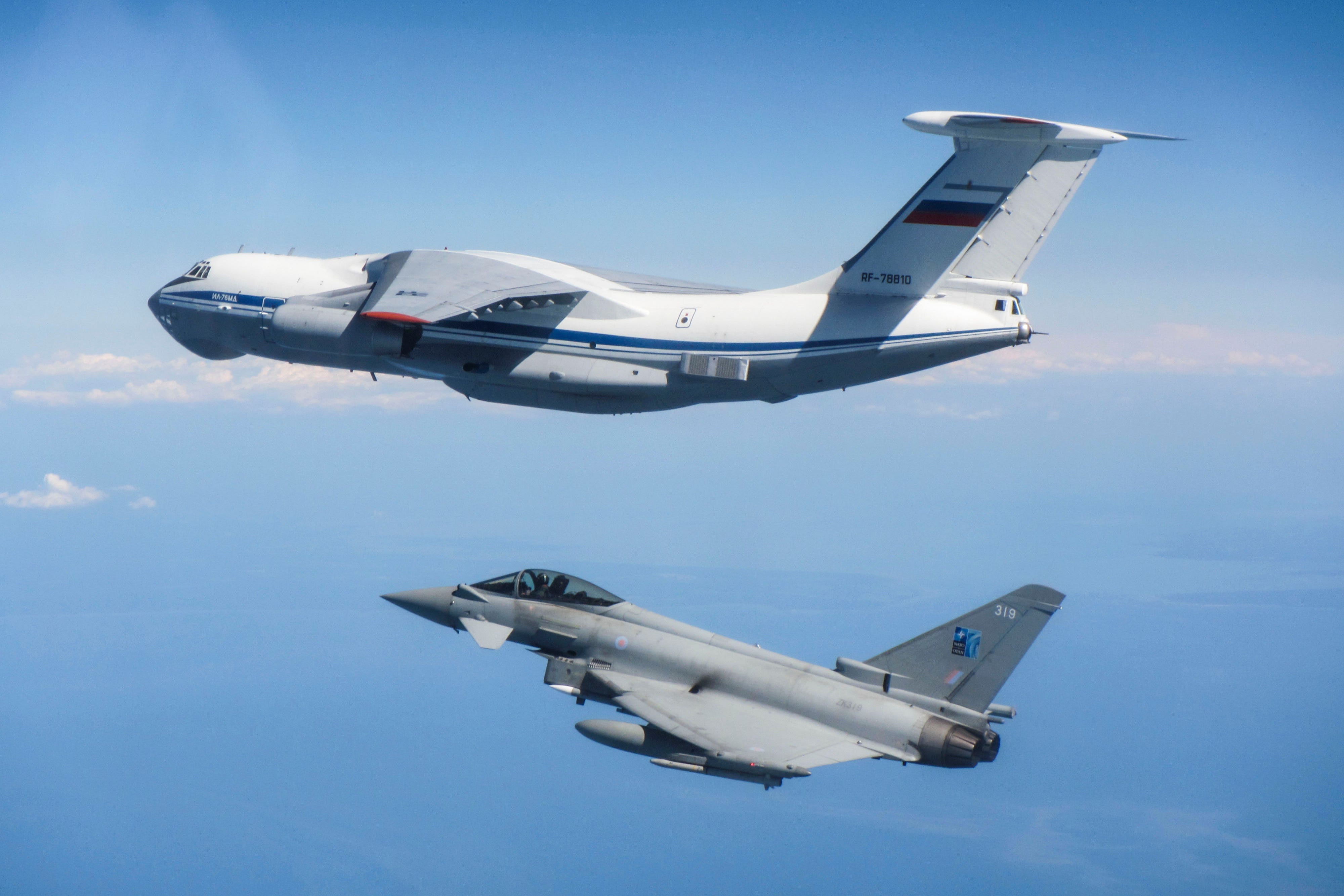
Thousands more would be required to undertake training and other activities in readiness for deployment.
“To sustain a force of 10,000 troops on the ground in Ukraine, a total of 30,000 troops would be needed,” he said. “This total does not include personnel undertaking support and planning activities back in the UK.
“In total, this represents over 40 per cent of the British Army. Such a deployment could only be sustained for a short before the impact on the Army’s other tasks becomes very significant.
“There would be similar impacts on the Royal Air Force and, to a lesser extent, the Royal Navy.”
Mr Young estimates that it would take at least two more years before a significant increase in numbers would be seen at the front line.
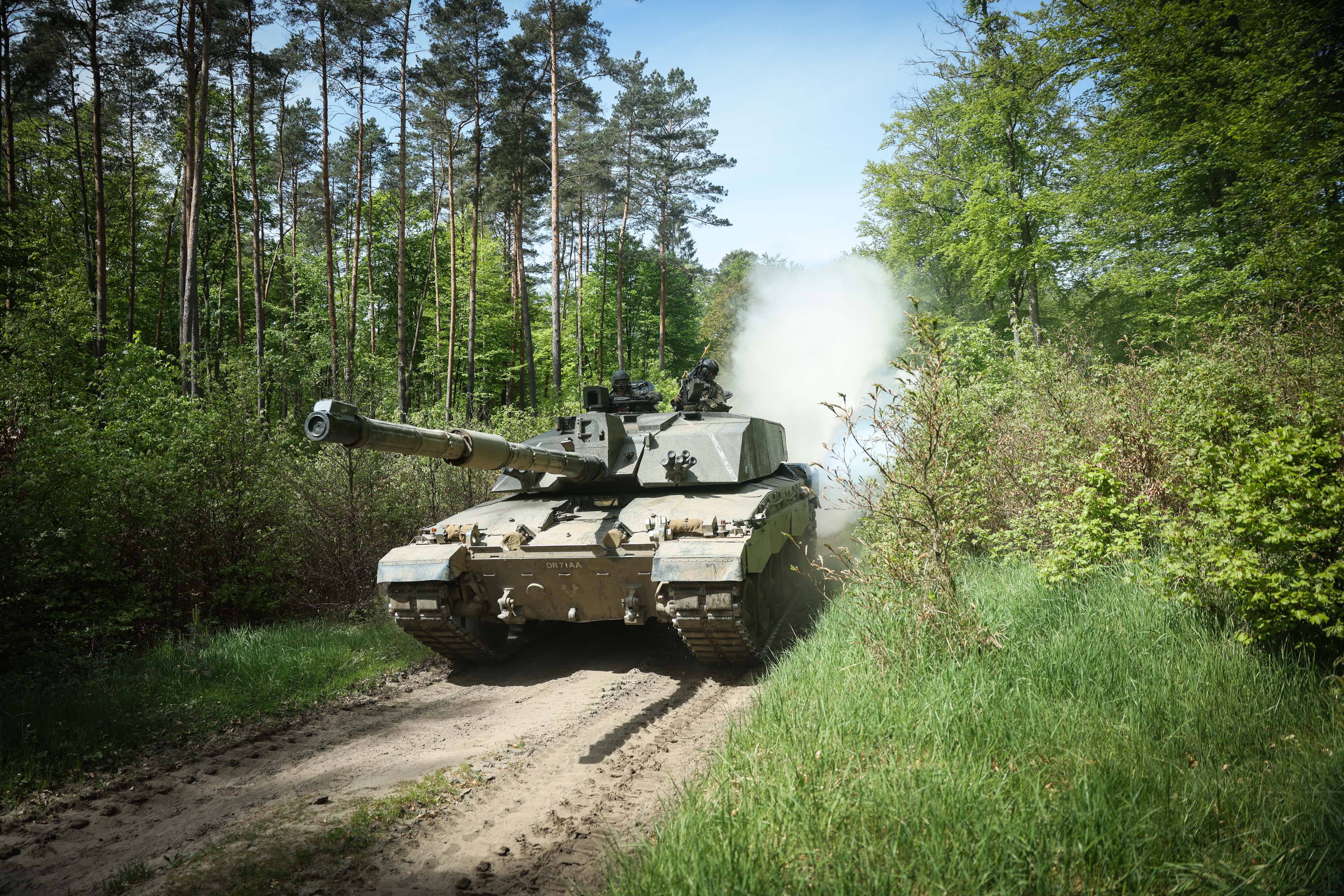
How well equipped is the UK’s military?
In October 2025, the Ministry of Defence released its latest figures on military equipment, accurate as of April the same year. Highlights are listed below:
On Land
The UK’s armed forces had 3,955 pieces of combat equipment, including:
- 1,903 protected mobility vehicles to shield troops from threats in combat zones
- 1,055 Armoured Fighting Vehicles, including 288 Challenger 2 battle tanks
- 997 Armoured Personnel Carriers for transporting infantry
At Sea
- 70 vessels , made up of 57 in the Royal Navy Surface Fleet (made up of aircraft carriers, landing docks for helicopters, destroyers and ice patrol ships) and 13 in the Royal Fleet Auxiliary (which include fleet replenishment ships and fleet tankers)
- Nine submarines including five nuclear submarines and four ballistic nuclear submarines
- 452 ‘military-useful’ vessels that can be requisitioned as needed, including cruise ships and chemical tankers
In The Air
- 504 military planes including 129 Typhoon jets and 81 Viking aircraft
- 276 rotary-wing aircraft including 50 Chinook helicopters and 47 Apaches
- 180 drones including 75 Puma AE systems and 45 Watchkeepers

The numbers alone do not tell the full story, however, with technical issues and aging technology posing their own problems.
“Equipment, or rather the lack of equipment, poses an issue too,” Mr Young said. “Many older, although still effective, armoured vehicles have already been transferred to Ukraine, leaving gaps in the UK’s capabilities.
“The new Ajax vehicle has been beset by serious technical issues which has delayed its introduction into service.
“The Challenger 3 main battle tank upgrade programme means that the number of Challenger tanks available for deployment is reduced.
“Many of the Army’s other vehicles are old and require significant maintenance in order to prepare them ready for deployment and then sustain them in theatre.”

Modernising The Armed Forces
Military technology has evolved significantly since the 1980s, which means that some equipment will be fewer in number but of a much higher quality.
The newest aircraft are more akin to flying supercomputers and submarines are designed to evade ever more complicated detection equipment.
But many of these supplies have not been updated in decades. Many of the army’s armoured fighting vehicles are from before the 1990s, and some come from as far back as the 1960s, according to a defence committee report in 2021 which called the lack of new acquisitions “deplorable”.
The Royal Navy faces similar challenges, with some vessels well exceeding their intended life spans.
“The oldest type-23 frigates are well over 30 years old now, and the replacement was due originally in around 2010,” Mr Young previously told The Independent. “Those ships were designed for an 18 to 21-year life.”
.jpg)
UK Defence Spending
The UK has long faced calls to increase the amount it spends on defence, not least from the US president. For the first time, all Nato member states were expected to meet or exceed the 2 per cent target of GDP target in 2025.
Last year Sir Keir committed to spend 2.5% of gross domestic product (GDP) on defence from April 2027, with a goal of increasing that to 3% over the next parliament.
Chancellor Rachel Reeves also boosted the commitment to 2.6% of GDP – a measure of the UK’s economic output – by next year.
According to a report on UK defence spending by the House of Commons library, published in October 2025, the UK spent £60.2bn on defence in the 2024/2025 financial year.
This is expected to increase to £62.2bn going into 2026, and to jump to £73.3bn in the years 2028/2029.
“In February 2025 the government committed to increase defence spending, according to the Nato definition, to 2.5 per ent of GDP by 2027, or 2.6 per cent of GDP when including additional elements of security and intelligence spending,” it continues.
“It has since further committed to increase spending to 3.5 per cent of GDP by 2035, in line with a new Nato target.”
Join our commenting forum
Join thought-provoking conversations, follow other Independent readers and see their replies
Comments
Bookmark popover
Removed from bookmarks