Locals hit back at Mafia prison plan over fears it will create ‘Italy’s own Devil’s Island’
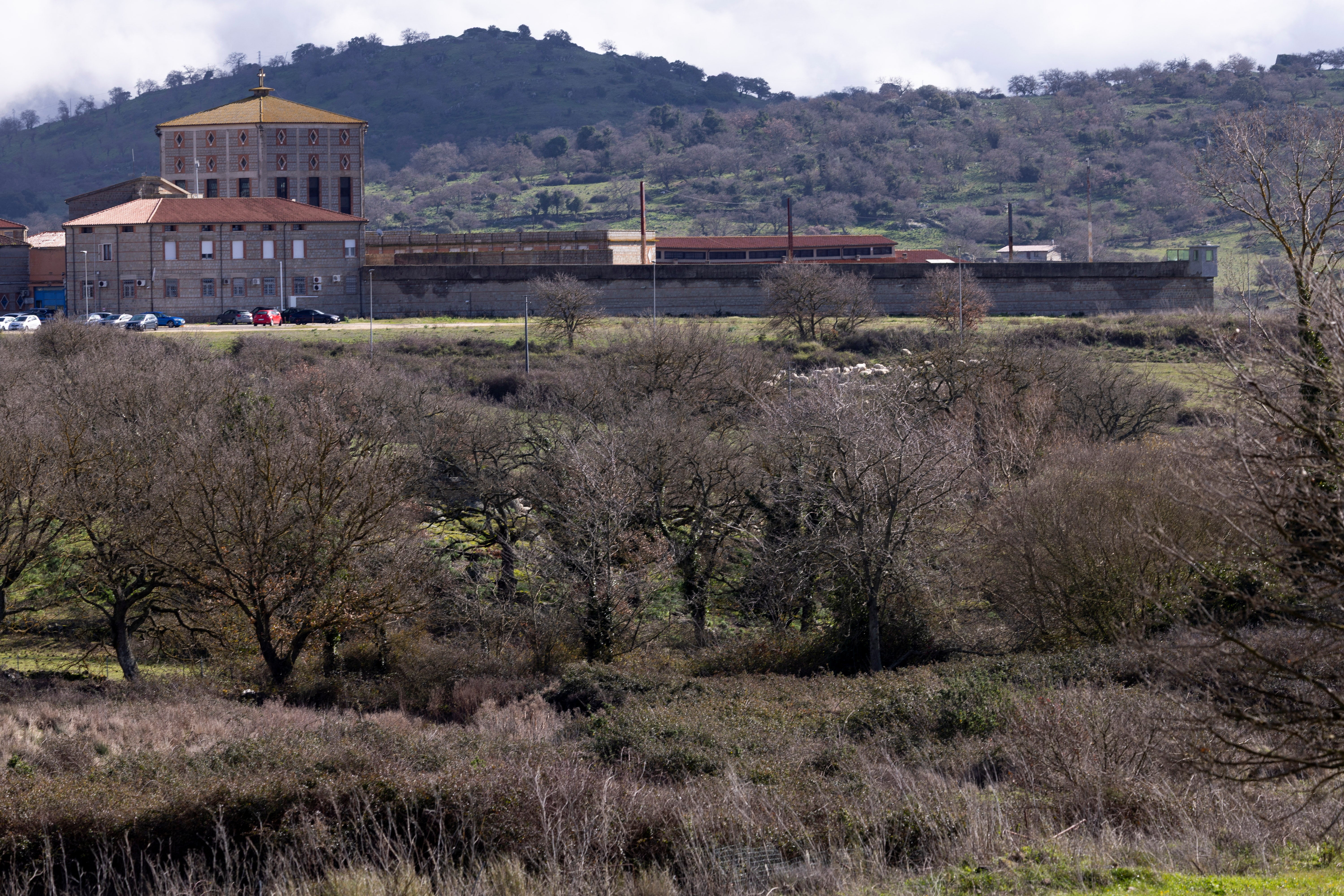
The high stone walls of a prison in Nuoro, a remote city on the Italian island of Sardinia, once contained notorious mobsters and convicted terrorists, its fortress-like complex renowned for isolating them from the mainland.
Today, only a handful of senior mafiosi remain incarcerated there, as Sardinia has shed its image as a penal colony, cultivating instead an international reputation centred on tourism.
However, this shift could be reversed by a new plan from Prime Minister Giorgia Meloni's government, a prospect that has already caused alarm among local residents.
Last December, a justice undersecretary announced proposals to consolidate approximately 750 prisoners, currently held under the stringent "41bis" regime, into a limited number of specialised facilities nationwide.
These sites would be overseen by dedicated guard units, aiming to enhance security.
Map of Nuoro:
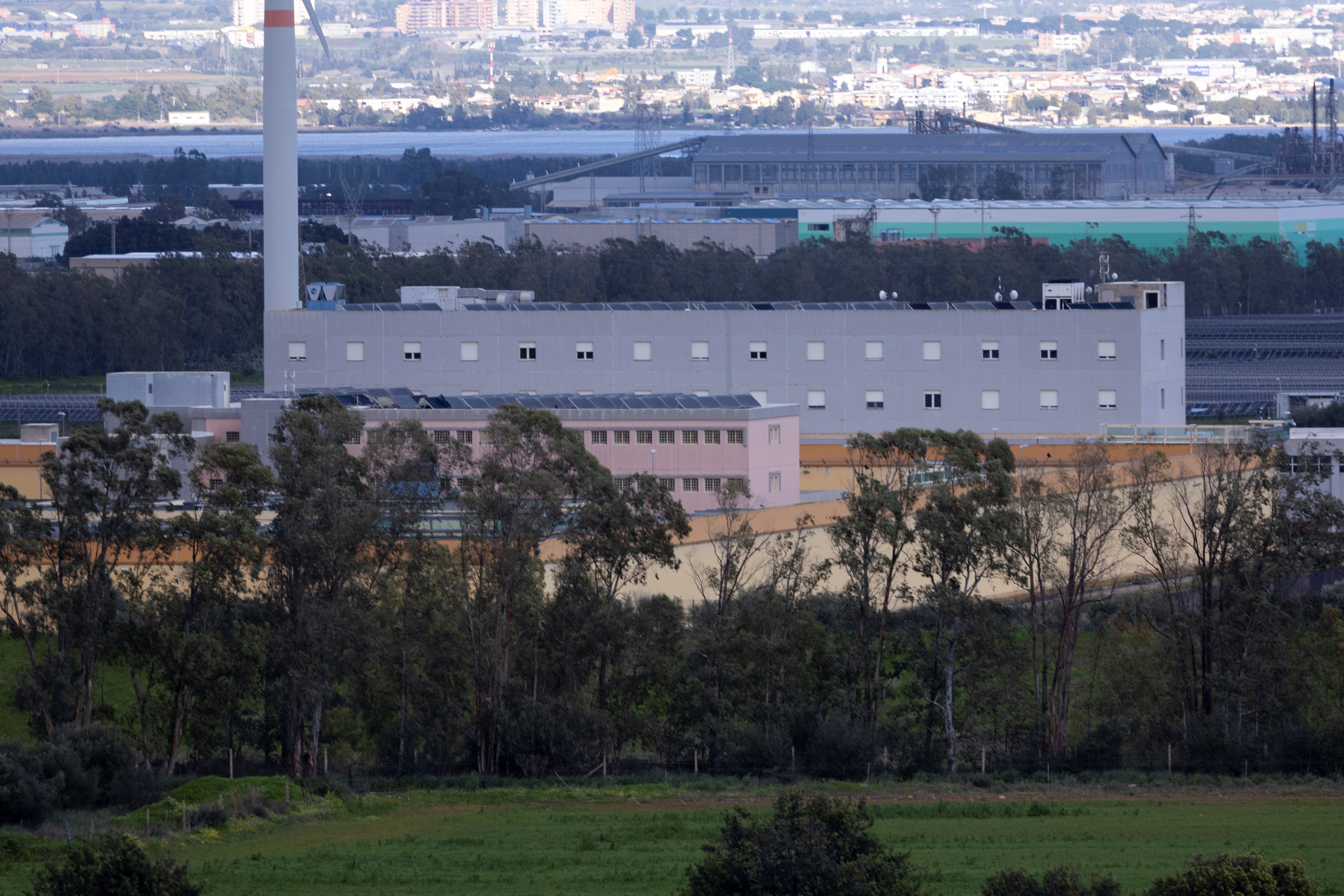
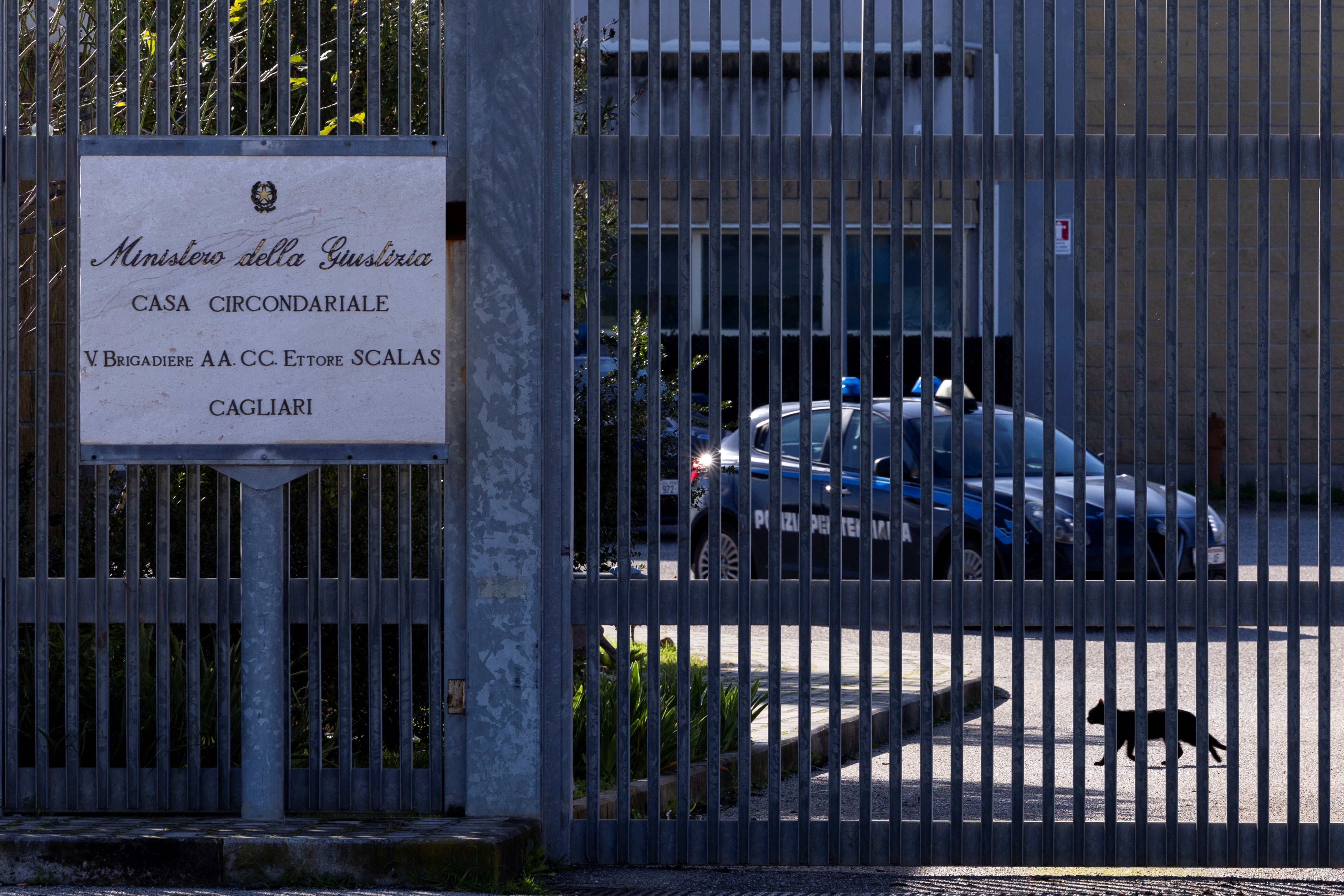
Sardinia has been told it may get nearly a third of them, split between Sassari in the north, already housing about 90, the capital Cagliari, where around 90 are due to arrive this month, and Nuoro - reviving old stigma concerns.
"Sardinia does not deserve to be seen as Italy's Cayenne," said governor Alessandra Todde, invoking the notorious former French Guiana penal colony on Devil's Island.
Mafia fears
Italy's 41bis regime, named after the law that regulates it, is among the most restrictive in Europe. Introduced in 1992 after the murder of anti-mafia judge Giovanni Falcone, it imposes near-total isolation on prisoners and was designed to stop bosses running their operations from behind bars.
The law says it should "preferably" be enforced on Italy's islands. The late boss of the Sicilian mafia, Salvatore "Toto" Riina, was among those once held in Sardinia.
Locals and authorities fear the government plan could prompt mafia clans to move from mainland Italy to be near jailed relatives, creating opportunities to launder illicit money and infiltrate business, particularly in less developed areas, such as Nuoro, a city of 30,000 people.
Silvio Lai, a Sardinian lawmaker with the opposition Democratic Party, visited the city prison last month and said renovation work was already ongoing, potentially making room for at least 30 new maximum-security inmates.
"Weak economies can be infiltrated easily, and Nuoro is about an hour's drive from the Costa Smeralda," Lai said, suggesting a mafia foothold in the city could swiftly spread to the island's luxurious tourist resort.
The Justice Ministry did not respond to a request to comment on the work.
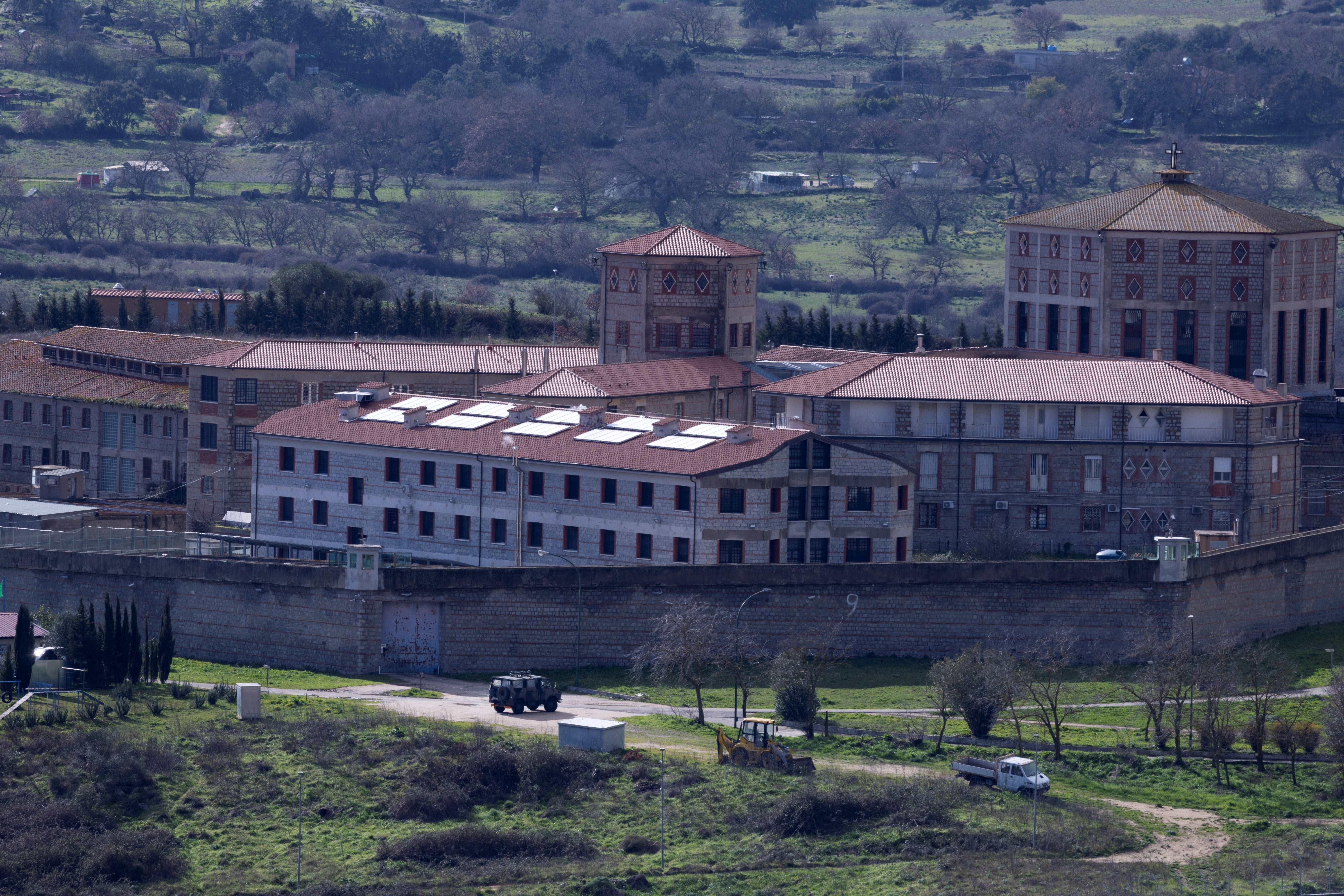
Autonomous mafia groups have never emerged in sparsely populated Sardinia, but magistrates say investigations have been opened into alleged clan penetration in the north of the island, possibly encouraged by the presence of detained mobsters.
"Prosecutors are keeping a close watch on the phenomenon of Camorra (a mafia group based around Naples) investments... especially in the tourism, hospitality and restaurant sectors," said Cagliari chief prosecutor Luigi Patronaggio.
At a December meeting with regional officials, Justice Undersecretary Andrea Delmastro Delle Vedove downplayed the risk of a mass move to Sardinia, minutes show, arguing that families of 41bis detainees do not typically leave clan-controlled areas.
"This (plan) will ensure greater national security... will make individual prisons safer because only specialised prison guard units will be deployed," Delmastro said.
However, Maria Cristina Ornano, head of the sentence enforcement tribunal in Cagliari, said police and the judiciary would need increased security resources if more mobsters arrive.
"Once organised crime takes root here, we will not be able to get rid of it. We can see it in parts of southern Italy, which are among the most economically and socially deprived areas," she told Reuters.
Nuoro residents and officials say the risk today is no longer of violence but of white-collar crime.
"The mafia doesn't shoot anymore, it bids for public tenders. And with significant European Union funds flowing, the danger of organised crime infiltration grows," said Sebastian Cocco, a lawyer and local politician.
Tourism accounts for just 7% of output in the Nuoro region, 2025 Chamber of Commerce data show, where the economy mainly relies on agriculture and is dominated by small firms.
Pietro Borrotzu, a Catholic priest who runs a prisoners' rehabilitation cooperative in Nuoro, said precarious working conditions and low salaries provide an ideal environment for the clans.
"In this kind of context, organised crime could find plenty of foot soldiers," he said.
Business lobby Confindustria accused successive governments of failing to invest in infrastructure and jobs in Nuoro.
"We are more of an island than Sardinia itself, far from ports and airports. Business incentives would be needed, and instead we are being punished with 41bis inmates," said Pierpaolo Milia, the group's local head.
Like most of southern Italy, Sardinia has a fragile healthcare system and an ageing population.
A Cagliari court document shows the island, home to 1.5 million people, already has one of Italy's highest prisoner-to-inhabitant ratios, and that residents face higher inmate healthcare costs than in other parts of the country.
Transferring a mobster for medical care requires an escort of dozens of prison guards, and a rising number of such hospitalisations could force authorities to shut entire wards.
"If you have to treat one of them you have to stop everything else, blocking the public health service," said Giacomo Porcu, mayor of Uta, which hosts the Cagliari jail.
Irene Testa, the regional guarantor for detainees, said the government had so far made no commitment to strengthen prison healthcare or ease potential burdens on the general service.
"The island's prisons are already on their knees. We cannot accept becoming Italy's penal colony again."
Join our commenting forum
Join thought-provoking conversations, follow other Independent readers and see their replies
Comments
Bookmark popover
Removed from bookmarks