Nato on alert after Russian border guards ‘illegally cross border into Estonia’ on hovercraft
Russia has been accused of repeated incursions into Nato territory by fighter jets and drones in recent months
Estonia has accused three Russian border guards of illegally crossing into Nato territory on a hovercraft without permission.
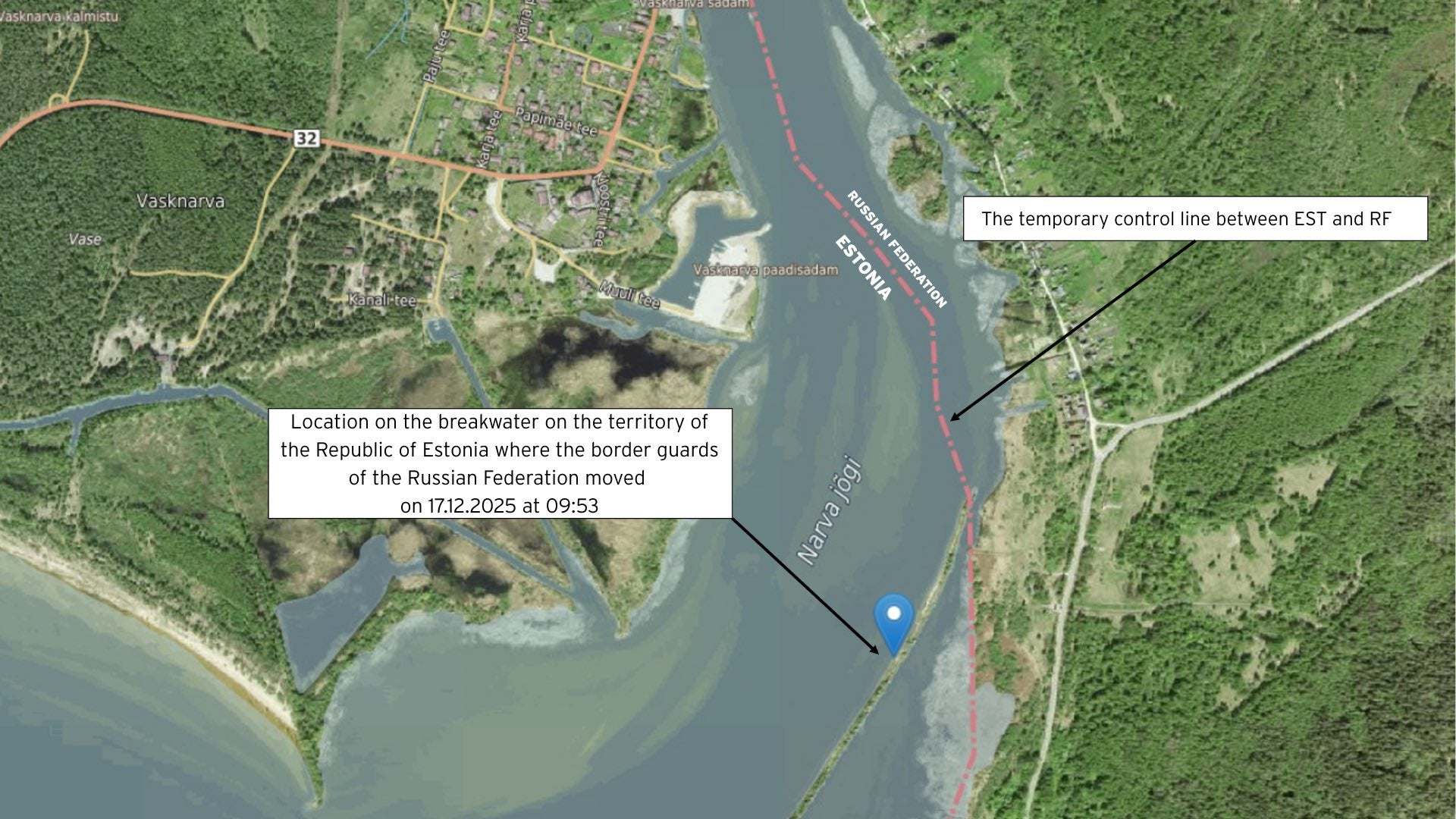
The country’s interior minister, Igor Taro, said the border guards had entered Estonia after crossing the Narva River on the vessel at around 10am on Wednesday.
The Estonian foreign ministry will summon the Russian chargé d’affaires after the alleged intrusion.
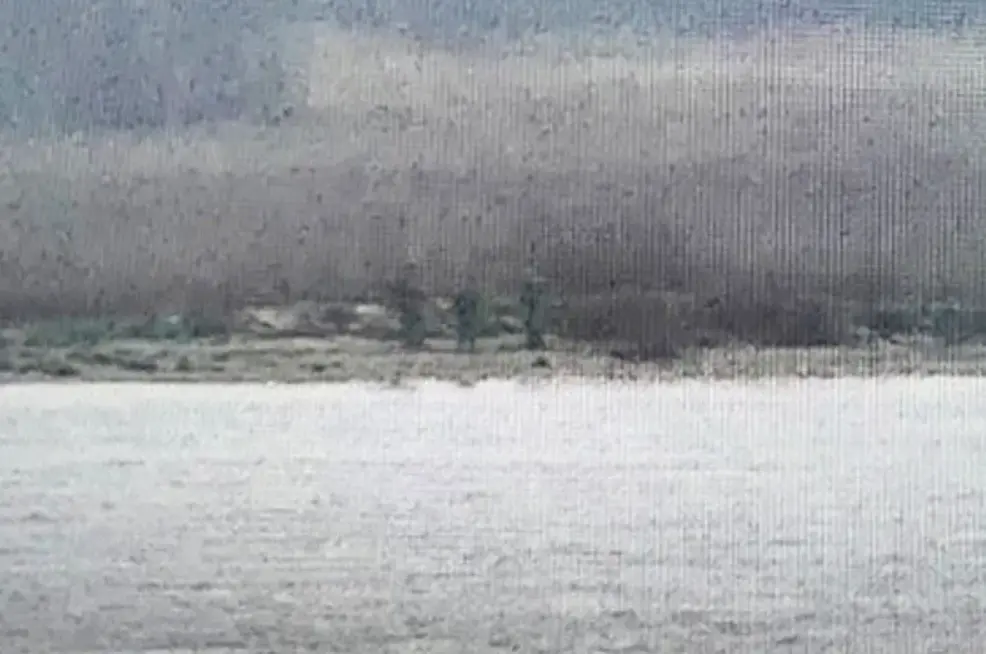
“Today, the Estonian Police and Border Guard detected an illegal crossing of a temporary control line between Estonia and Russia on the Narva River breakwater by three border guards of the Russian Federation,” the ministry said in a statement.
“The Estonian border guard patrols responded to the border incident. After a short time, the Russian border guards returned to Russian territory.”
Mr Taro said that authorities were working to establish the motivation behind the incident. Moscow has not issued an explanation.
Mr Taro told Estonian World that the country was becoming concerned about the state of Russia’s border guards.
“The quality of Russian border guard personnel has become extremely uneven in recent years,” Mr Taro said. “For understandable reasons, they are suffering from a lack of staff, with personnel brought in from other regions. This has been a recurring problem.”
The border guards returned to Russian territory before authorities were able to intervene, he said.
“We are not able to go deep into Russian territory to apprehend them,” he added.
Estonia, a member of Nato and the EU, shares a 294km border with Russia. It has a small Russian-speaking minority.
For months, Russian drones and planes have been entering Nato airspace in what appears to be a deliberate campaign of provocation against the alliance, which is supporting Ukraine’s war effort.
This has included fighter jet incursions into Poland and Romania, weather balloons being sent over the Lithuanian border from Belarus and sightings of drones near airports in Denmark.
In September, three Russian military jets violated Estonia’s airspace for 12 minutes in an “unprecedentedly brazen” incursion, according to the government. Estonian foreign minister Margus Tsahkna said it was the fourth time that Russia had violated Estonian airspace in 2025.
The foreign ministry said that the incursion involved three Russian MIG-31 fighters and took place over the Gulf of Finland. The Russian charge d’affaires was summoned and given a protest note, a ministry statement said.
The latest incursion came hours before the Estonian prime minister, Kristen Michal, visited Brussels for a summit with EU leaders over whether to approve a €90bn (£79bn) loan to fund Ukraine’s war effort using frozen Russian assets.
During a press conference at the summit, Ukrainian president Volodymyr Zelensky said that all the signals showed that Moscow was not seriously interested in peace with Europe.
Warnings are growing across the continent that Europe must be ready for further Russian aggression.
Nato secretary general Mark Rutte said last week that Russia has “brought war back to Europe, and we must be prepared for the scale of war our grandparents and great grandparents endured”.
On Tuesday, the head of the UK’s armed forces said Russia is a growing threat to the UK and the nation’s “sons and daughters” must be ready to fight in the event of an attack.
Chief of defence staff Sir Richard Knighton said: “Sons and daughters. Colleagues. Veterans. …will all have a role to play. To build. To serve. And if necessary, to fight. And more families will know what sacrifice for our nation means.
“That is why it’s so important we do explain the changing threat and the need to stay ahead of it.”
Join our commenting forum
Join thought-provoking conversations, follow other Independent readers and see their replies
Comments
Bookmark popover
Removed from bookmarks