Russian nuclear agency insists it can run seized Ukrainian atomic power plant
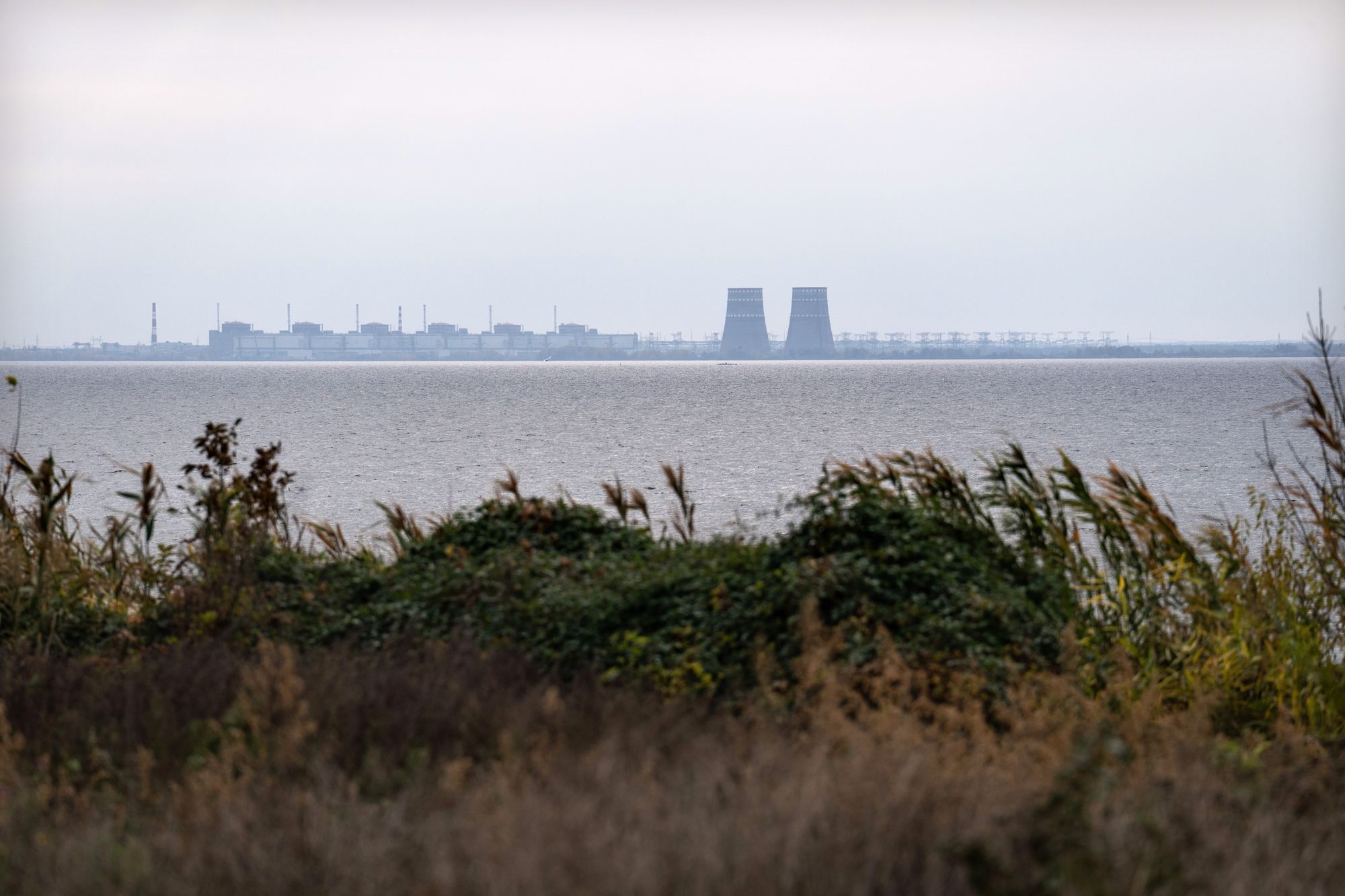
Europe's largest atomic power station was seized by Russia from Ukraine in 2022
Russia's state nuclear corporation, Rosatom, has rejected Ukrainian accusations that it lacks the necessary equipment and components to safely operate the Soviet-built Zaporizhzhia nuclear power plant.
The claims were made by Pavlo Kovtoniuk, head of Ukraine's state nuclear firm Energoatom, who told Reuters in Kyiv that Russia's alleged deficiencies could lead to a nuclear accident if it attempted to restart the reactors.
Mr Kovtoniuk stated Russia lacked some equipment and spare parts to operate the plant, and risked a nuclear accident if it tried to restart the reactors.
Europe's largest atomic power station, the facility was seized by Russia from Ukraine in 2022.
All six of its Soviet-designed VVER-1000 pressurised water reactors are currently in a "cold shutdown" state.
The plant's future remains a critical point of contention in ongoing peace negotiations between Moscow and Kyiv, with both nations vying for control.
"Rosatom categorically rejects claims that Russia lacks the equipment and components required to ensure the safe operation of the Zaporozhskaya Nuclear Power Plant," Rosatom said in a statement to Reuters in English when asked about the remarks.
"Russia operates one of the world's largest nuclear fleets, including VVER-1000 units identical to those installed at Zaporozhskaya NPP, and has full capacity to produce equipment, components and nuclear fuel."
Rosatom, ranked as one of the world's biggest nuclear corporations in terms of nuclear construction, enrichment services and mining, said that the key issue affecting nuclear safety at the plant was continued shelling in the area.
Ukraine's Kovtoniuk argued that control equipment and monitoring systems at the plant were Ukrainian, that Russia would have to replace US fuel in the reactors, and that there was not enough water to cool the reactors if restarted.
"Insinuations implying that the plant's systems are incompatible with Russian fuel are technically unfounded," Rosatom said, adding that in late 2025, reactor No. 1 received a 10-year operating licence from Russia’s nuclear safety authority, Rostechnadzor.
Rosatom said the plant’s cooling system had never depended exclusively on the Kakhovka reservoir, adding that the cooling pond used a closed-loop system and had sufficient water.
"A reserve water supply system has been established. Eleven artesian wells provide up to 270 cubic metres of water per hour, which is sufficient for cooling shutdown reactors and spent fuel pools," it said.
"A floating pumping station project is also being developed for future full-power operation."
Join our commenting forum
Join thought-provoking conversations, follow other Independent readers and see their replies
Comments
Bookmark popover
Removed from bookmarks