Navalny died after being poisoned with dart frog toxin by Kremlin, UK says
Britain and its allies said only Russia would have the ‘means, motive and disregard’ to launch such an attack – as his widow calls for Putin to be held accountable
Putin arch-rival Alexei Navalny died after being poisoned with a lethal toxin and Russia is to blame for the attack, Britain and its European allies have said.
In a dramatic press conference at the Munich security conference on Saturday, the UK, France, Germany, Sweden and the Netherlands said that analysis of samples from Navalny’s body had found the presence of epibatidine – a deadly toxin found in poison dart frogs in South America.
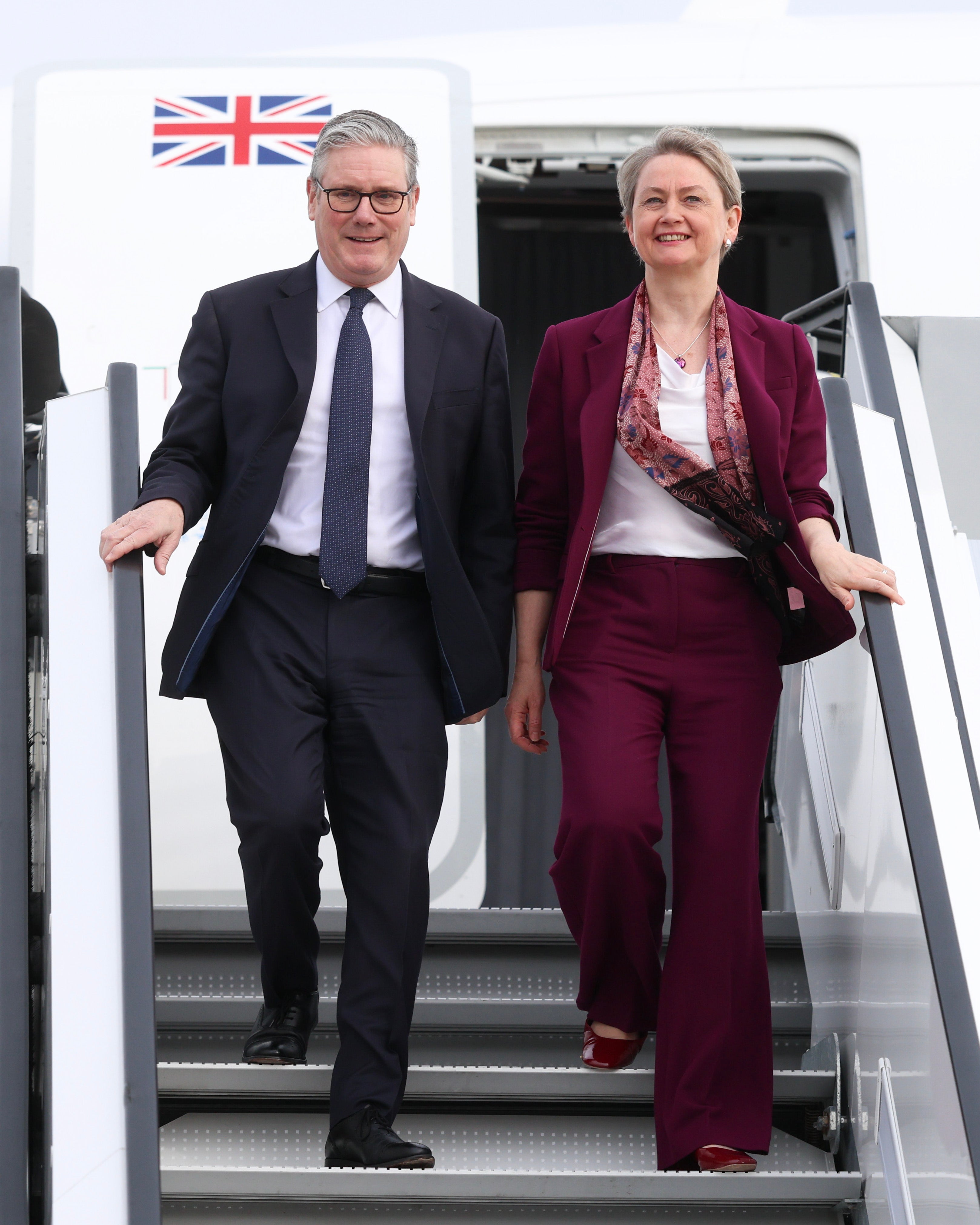
Announcing the findings alongside Navalny’s widow Yulia Navalnaya, foreign secretary Yvette Cooper pinned the blame squarely on the Kremlin and said only Russia had the “means, motive and opportunity” to carry out such an attack.
For the latest updates on the Munich security conference, read our live blog HERE
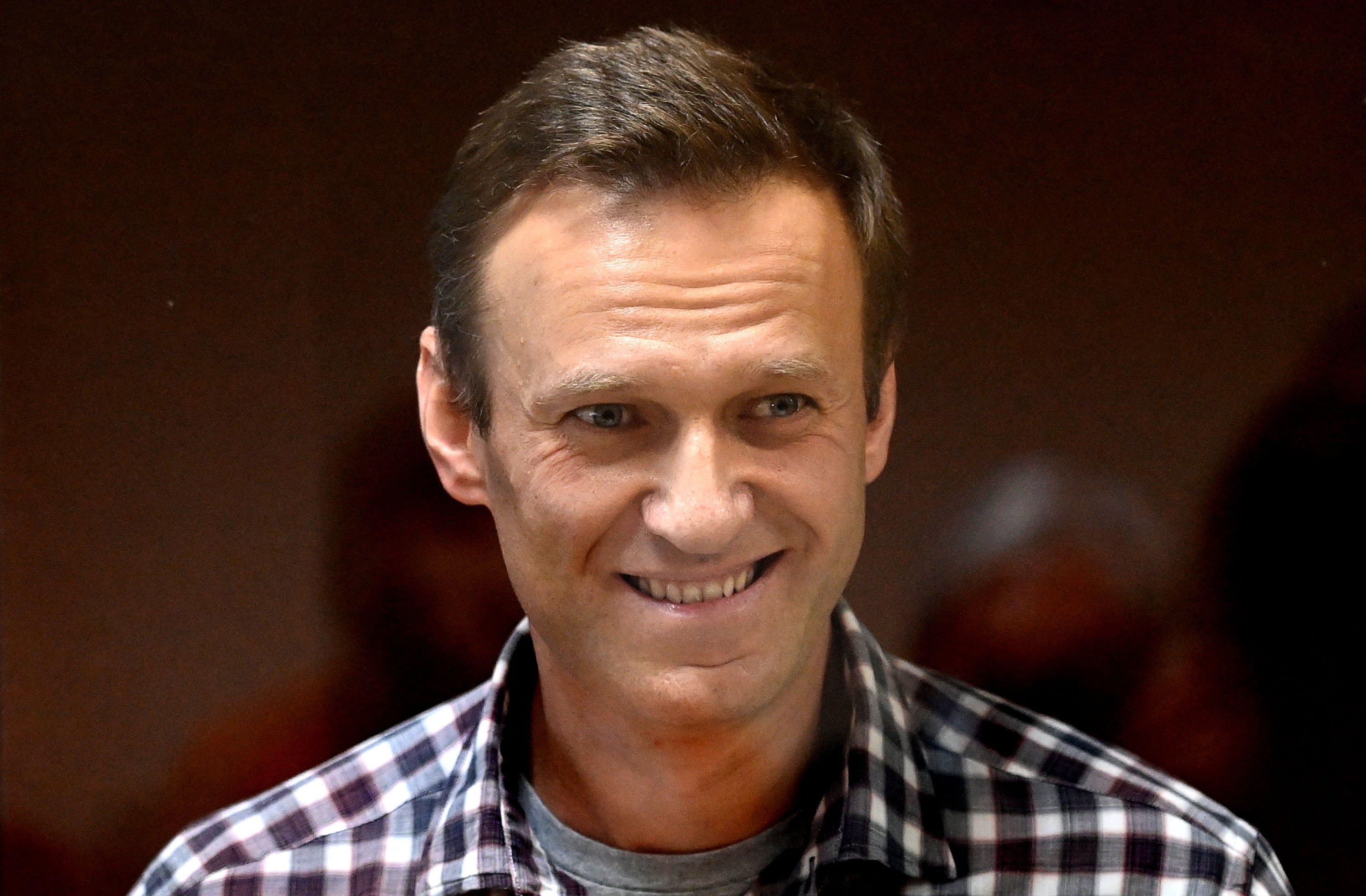
She said: “Today, beside his widow, the UK is shining a light on the Kremlin’s barbaric plot to silence his voice.
“Russia saw Navalny as a threat. By using this form of poison the Russian state demonstrated the despicable tools it has at its disposal and the overwhelming fear it has of political opposition.”
The five countries said Russia showed a “repeated disregard for international law” and that they had reported the poisoning to the Organisation for the Prohibition of Chemical Weapons.
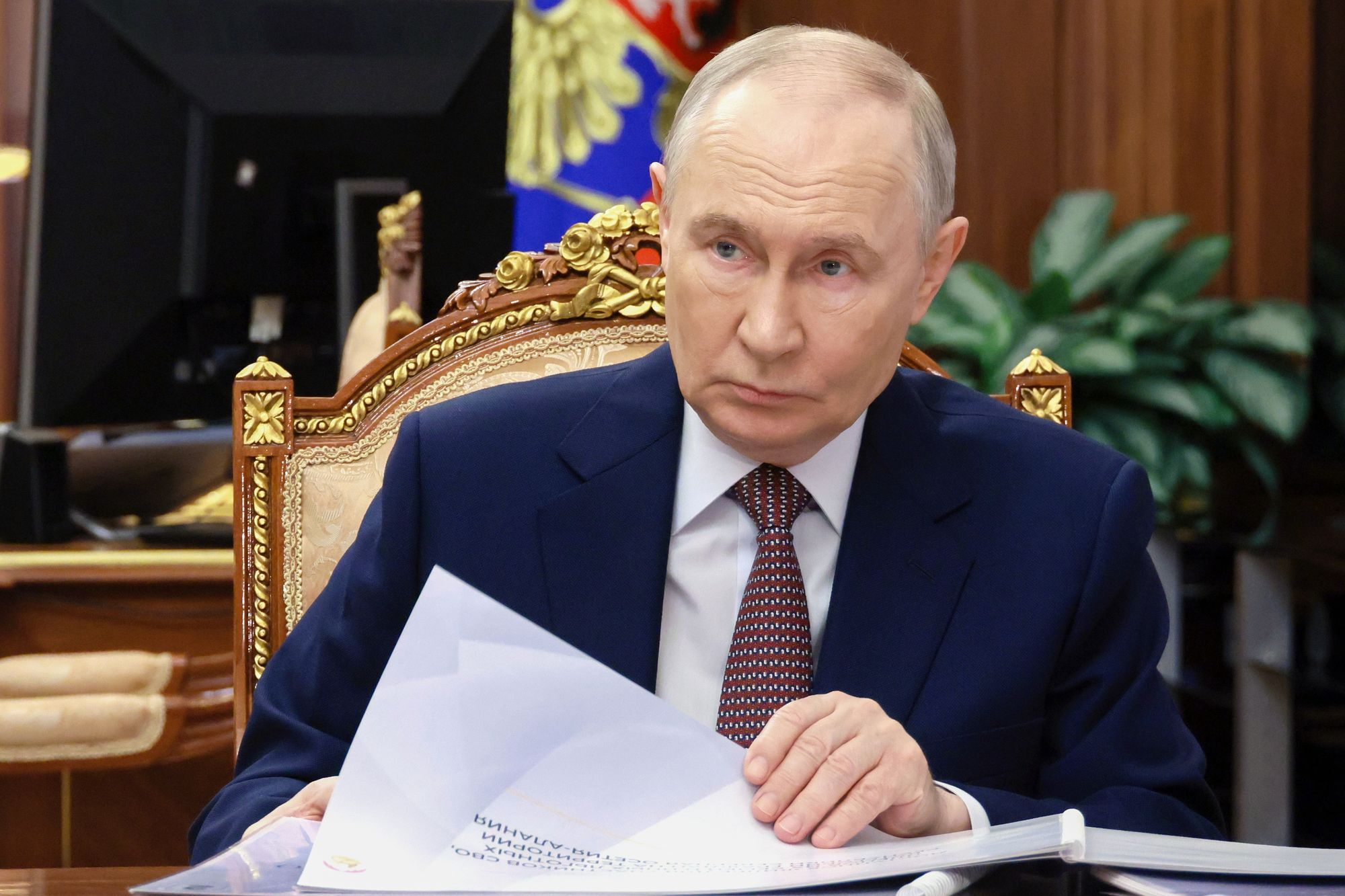
After the press conference, Ms Navalnaya called for Vladimir Putin to be “held accountable”. She wrote: “I was certain from the first day that my husband had been poisoned, but now there is proof: Putin killed Alexei with chemical weapon.”
Ms Navalnaya announced her husband’s death at the same gathering, two years ago. The Kremlin has always denied any involvement.
Navalny, a thorn in the side of the Kremlin who crusaded against official corruption and staged massive anti-Putin protests, died in a penal colony in Siberia in February 2024, aged 47.
The former lawyer had been serving a 19-year sentence that he believed to be politically motivated.
It is not clear how the frog poison was allegedly administered to Navalny. But the allies also pointed to an attempt to poison Mr Navalny with the nerve agent Novichok in 2020, which followed the Salisbury poisonings in 2018.
Ms Navalnaya said last year that two independent labs had found that her husband was poisoned shortly before his death. It had been widely assumed that Navalny had been poisoned by the Russian state, but evidence of the specific poison in his body, and the statement by the European countries, is a new development.
In her statement, she added: “I am grateful to the European states for the meticulous work they carried out over two years and for uncovering the truth.
“Vladimir Putin is a murderer. He must be held accountable for all his crimes.”
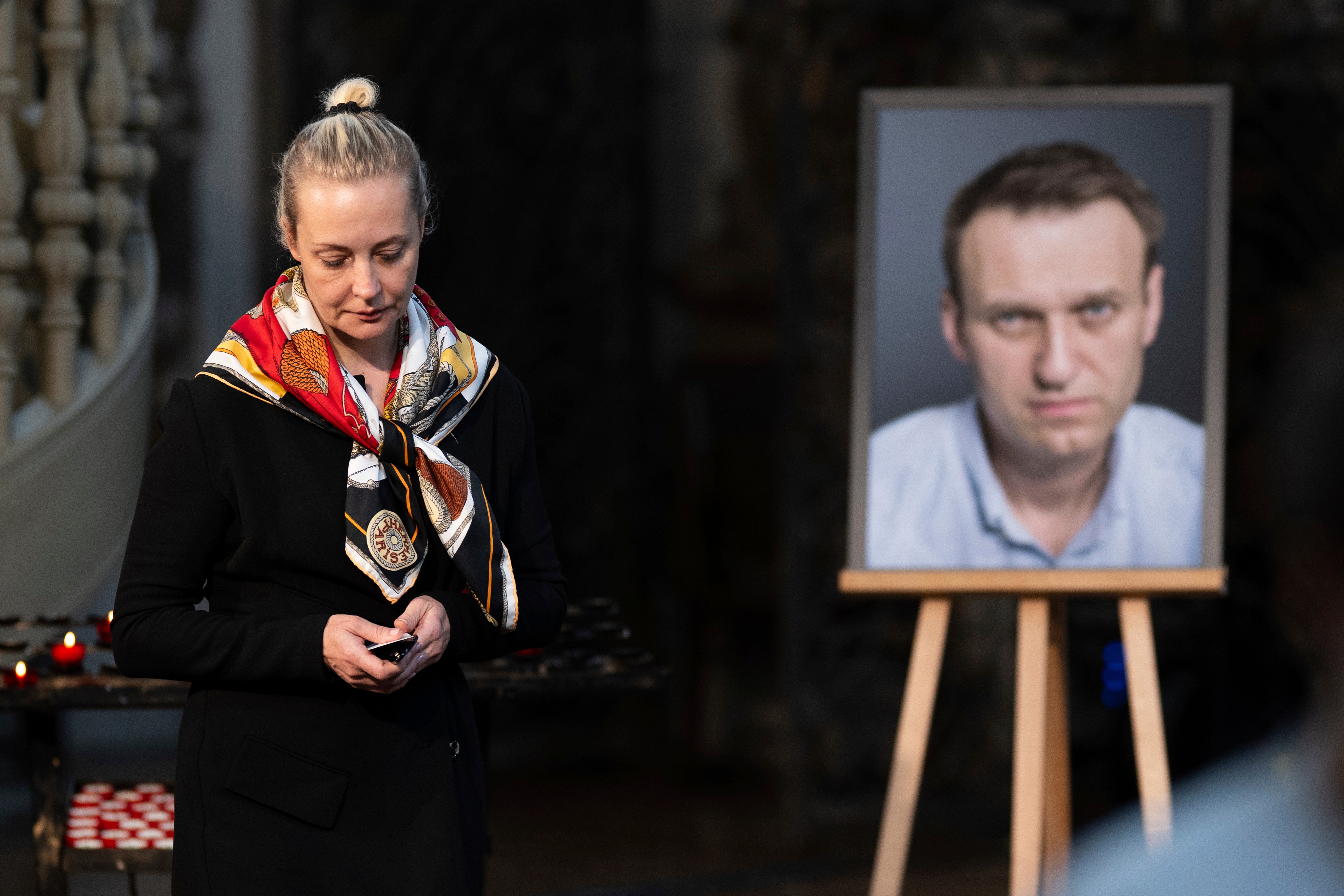
The foreign office said there is no innocent explanation for the toxin being found on Mr Navalny’s body.
Ms Cooper added: “Since Yulia Navalnaya announced the loss of her husband here in Munich two years ago, the UK has pursued the truth of Alexei Navalny’s death with fierce determination.
“Only the Russian government had the means, motive and opportunity to deploy this lethal toxin against Alexei Navalny during his imprisonment in Russia.
The joint statement by the five countries said they “are confident that Alexei Navalny was poisoned with a lethal toxin”.
It added: “This is the conclusion of our governments based on analyses of samples from Alexei Navalny.
“These analyses have conclusively confirmed the presence of epibatidine. Epibatidine is a toxin found in poison dart frogs in South America. It is not found naturally in Russia.
“Russia claimed that Navalny died of natural causes. But given the toxicity of epibatidine and reported symptoms, poisoning was highly likely the cause of his death.
“Navalny died while held in prison, meaning Russia had the means, motive and opportunity to administer this poison to him.”
Join our commenting forum
Join thought-provoking conversations, follow other Independent readers and see their replies
Comments
Bookmark popover
Removed from bookmarks