Nato considering ‘pre-emptive’ action against Russia’s hybrid warfare attacks
The chair of the Nato Military Committee says a more aggressive approach may be needed to deter Putin
Nato is considering “pre-emptive” action against Russia following a string of hybrid attacks on Europe, a senior official in the alliance has warned.
Admiral Giuseppe Cavo Dragone, an Italian who serves as chair of the Nato Military Committee, said the alliance may need to adopt a more “aggressive” approach to deter Moscow from continuing its campaign of drone incursions and cyber attacks in Europe.
A recent Financial Times investigation revealed how Nato has been put on high alert after three vessels in the Baltic Sea were accused of dragging their anchors in a bid to damage energy and communication cables, with a total of 11 incidents recorded.
Other incidents include frequent cyber attacks on European countries and incursions of Russian drones into Nato airspace.
Admiral Dragone told the FT that the alliance was “studying everything” in deciding how to respond.
“On cyber, we are kind of reactive. Being more aggressive, or being proactive instead of reactive, is something that we are thinking about,” he said.
He acknowledged that such an approach would be unusual for Nato, but that new tactics may be required as the war in Ukraine nears the end of its fourth year.
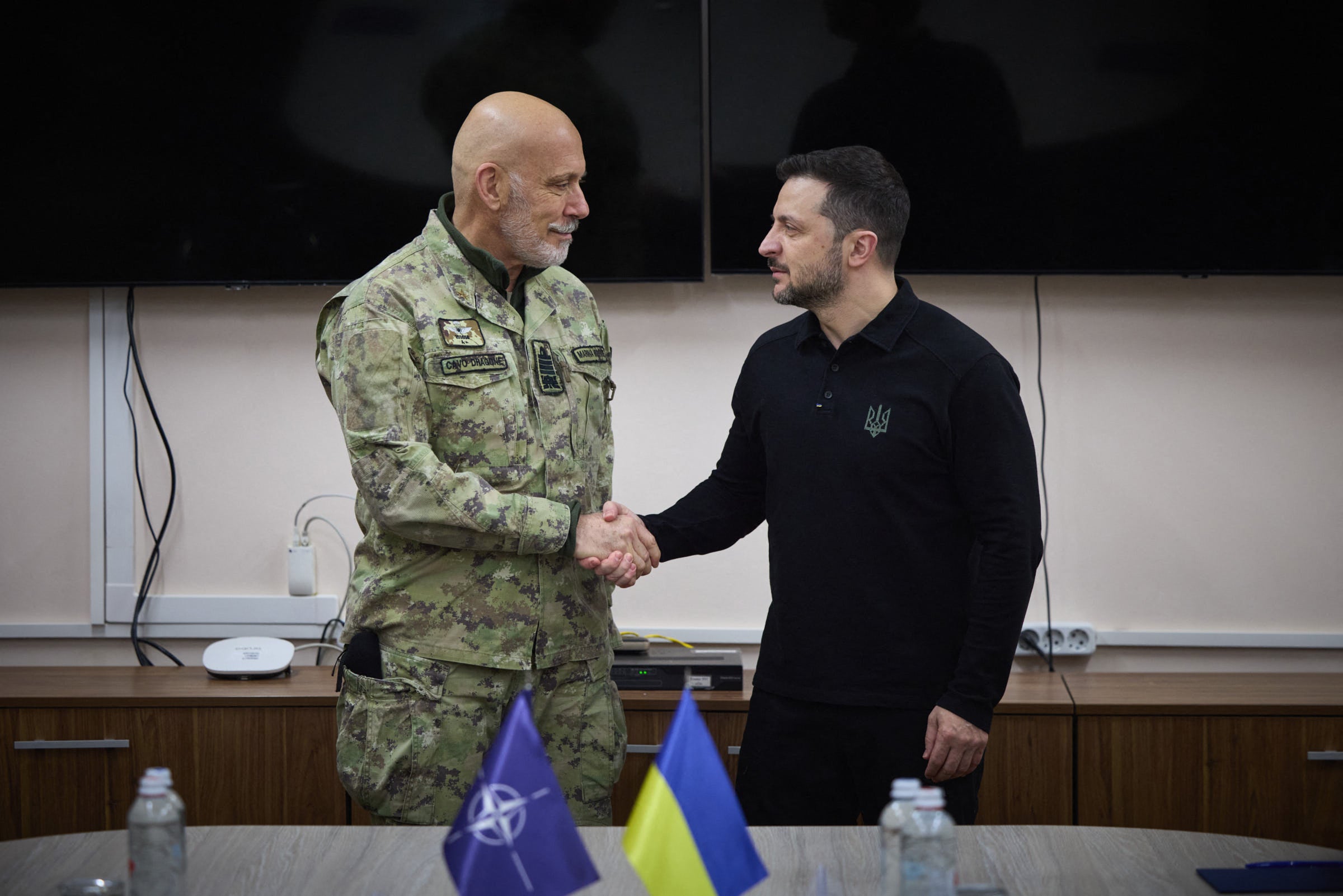
Admiral Dragone argued that a “pre-emptive strike” by Nato could be considered a “defensive action”, despite it being “further away from our normal way of thinking and behaviour”.
“Being more aggressive compared with the aggressivity of our counterpart could be an option. [The issues are] legal framework, jurisdictional framework, who is going to do this?”
In January this year, Nato launched Operation Baltic Sentry, a mission to better patrol the region and deter a possible Russian attack. This included amping up the number of patrol aircraft, warships and drones.
Russia was not directly named in the announcement, but Nato secretary general Mark Rutte said at the time that the alliance would improve its monitoring of Moscow’s “shadow fleet”, a term that refers to ships without clear ownership that are used to carry sanctioned oil.
Admiral Dragone added that this had been a positive step by Nato to make the region safer.
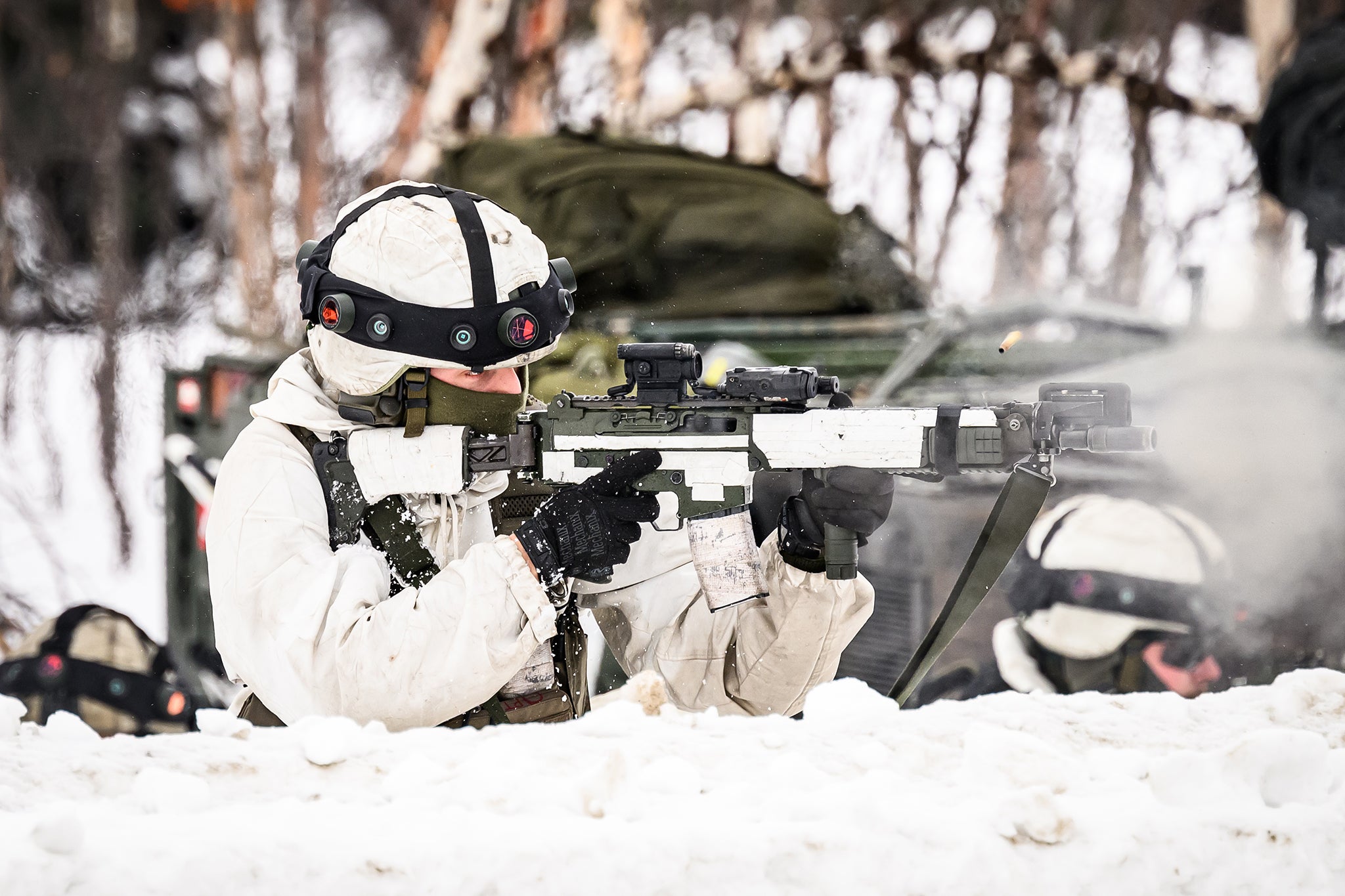
“From the beginning of Baltic Sentry, nothing has happened. So this means that this deterrence is working,” he said.
However, concerns still exist about whether the operation is going far enough. A court in Finland recently dismissed a case against a crew on board a shadow-fleet ship that damaged undersea cables in the Gulf of Finland, because the incident happened in international waters.
Russia said on Monday that Admiral Dragone’s remarks were “extremely irresponsible” and an attempt to move towards escalation.
Russian foreign ministry spokesperson Maria Zakharova said: “We see in it a deliberate attempt to undermine efforts to overcome the Ukrainian crisis. The people making such statements should be aware of the risks and possible consequences, including for the alliance members themselves.”
Join our commenting forum
Join thought-provoking conversations, follow other Independent readers and see their replies
Comments
Bookmark popover
Removed from bookmarks