Four more arrests made in Louvre heist investigation
The stolen jewels, valued at around $102 million, are yet to be found
Four more people have been arrested by French police as part of the investigation into the Louvre jewel heist last month, according to the Paris prosecutor's office.
A spokesperson said the suspects are two men aged 38 and 39 and two women aged 31 and 40.
Four other people were already arrested and placed under formal investigation on 29 October and 1 November, the statement added.
The loot, valued at around $102 million, hasn’t been recovered. It includes a diamond-and-emerald necklace Napoleon gave to Empress Marie-Louise, jewels tied to 19th-century Queens Marie-Amélie and Hortense, and Empress Eugénie’s pearl-and-diamond tiara.
The daylight robbery raised doubts over the credibility of the world's most-visited museum as a guardian for its myriad works and exposed flaws within its security.
Laurence des Cars, director of Le Louvre Museum, confirmed they are set to implement significant security upgrades, including approximately 100 new surveillance cameras that will be operational by the end of next year.
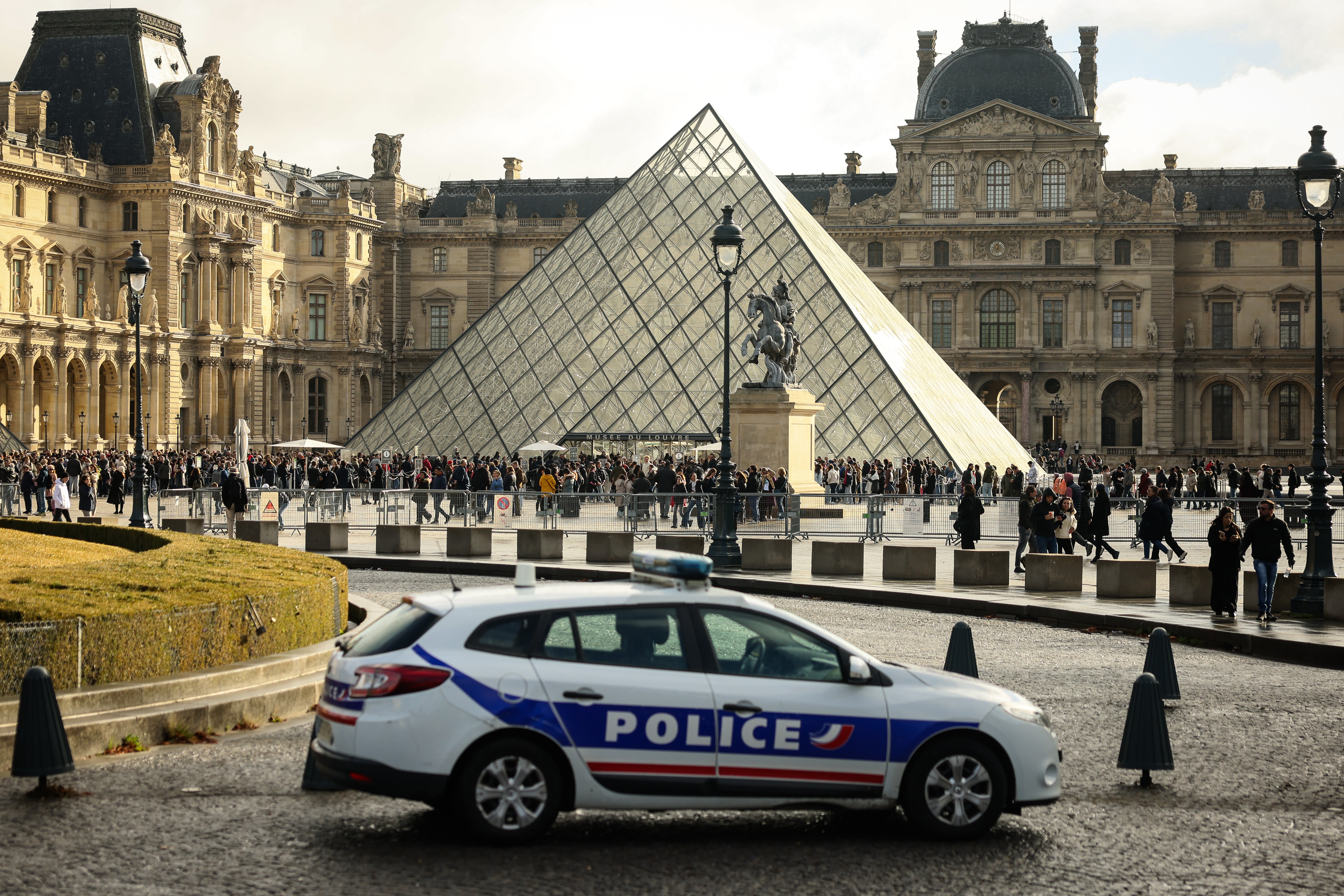
Anti-intrusion systems, designed to deter individuals from approaching the museum buildings, are slated for installation within the next two weeks, though specific details remain undisclosed.
Ms des Cars stated the new cameras aim to ensure "complete protection of the museum’s surroundings."
"After the shock, after the emotion, after the assessment, it's time for action” at the world's most visited museum, des Cars told the Committee of Cultural Affairs of the National Assembly.
She said it was all part of more than 20 emergency measures that will be implemented. The new measures also include the creation of a “security coordinator” position at the museum, and the job has been posted this month, she added.
On the day of the heist, it took thieves less than 8 minutes to force their way through a window into the Apollo Gallery with the help of a freight lift. Power tools used by robbers to cut through the display cases were disc cutters meant for concrete.
Join our commenting forum
Join thought-provoking conversations, follow other Independent readers and see their replies
Comments
Bookmark popover
Removed from bookmarks