India is now lead supplier of fuel additives for Russia’s fighter jets, Ukrainian think tank warns
Exclusive: India sent fuel additives worth £9.3m to Russia which were likely used in warplanes deployed to bomb Ukrainian cities, report finds
India is now believed to be the biggest supplier of fuel additives used to enhance the capabilities of Russian fighter jets, according to a new report.
More than half a dozen Indian companies – suppliers and manufacturers based in Delhi and Mumbai – were found to have supplied nearly half of the total of Russia’s imported fuel additives in 2024, a Kyiv-based think tank has found.
Fuel additives are chemical compounds in liquid form added to aviation fuel for both commercial and military aircraft to boost their performance.
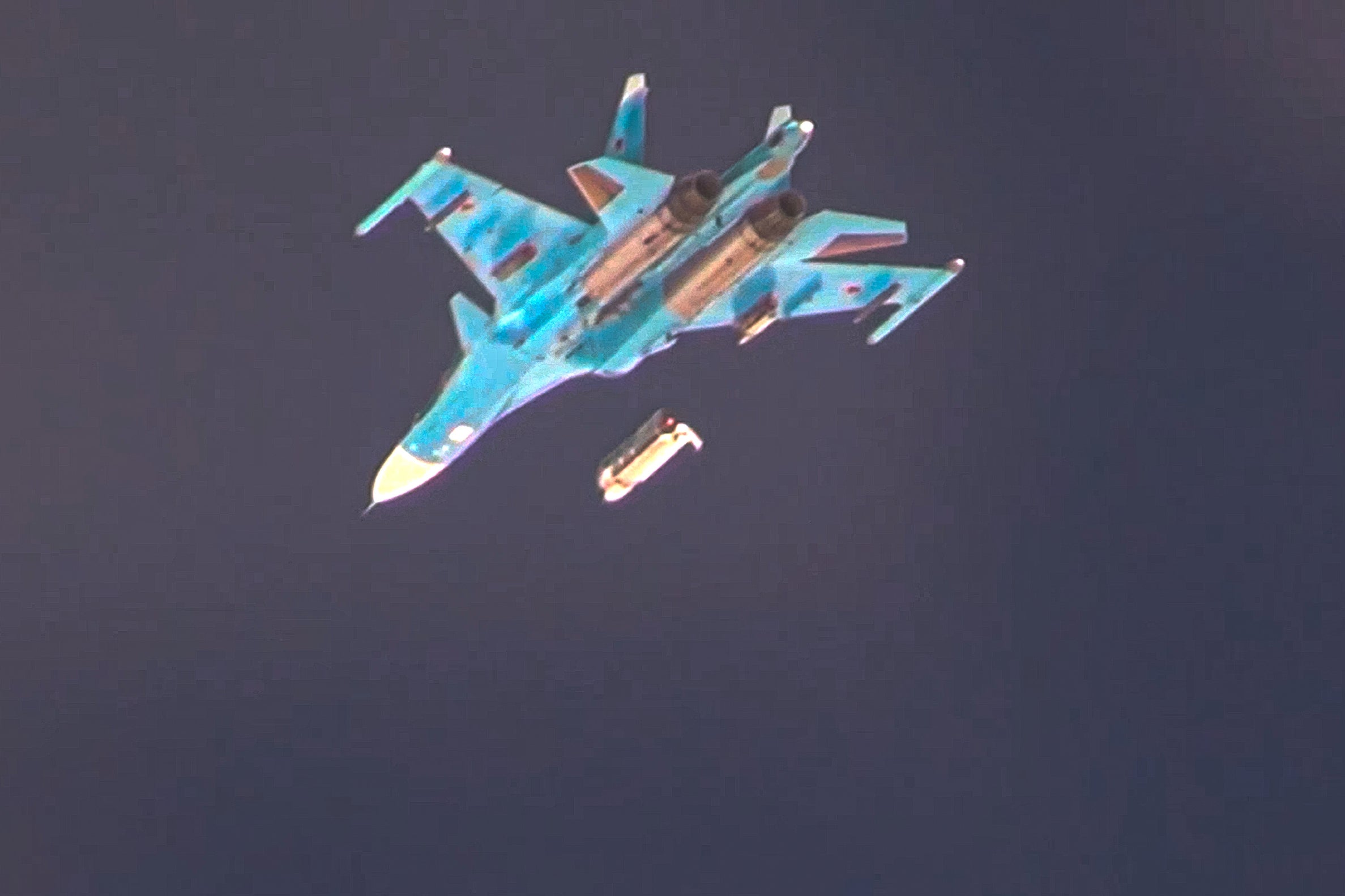
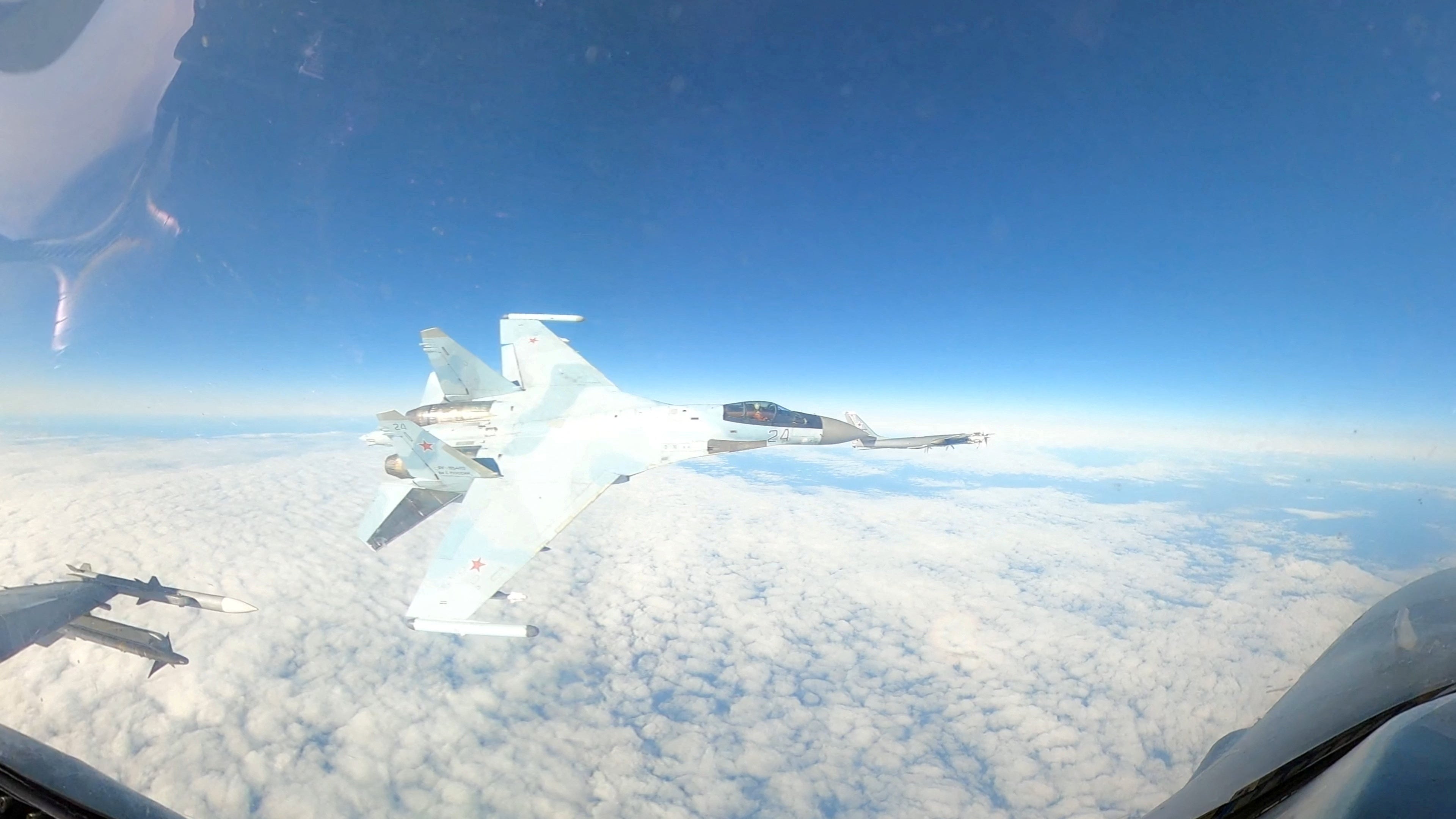
Such fuel enhancers are used in Russian Su-34 and Su-35S fighter jets, which Vladimir Putin has used to attack Ukraine with cruise, supersonic and guided missiles, as well as glide bombs, the Economic Security Council of Ukraine (ESCU) told The Independent.
Russia has used these jets to strike cities in western Ukraine far from the war’s frontline in the kinds of raids that have triggered Nato forces to scramble their own jets.
Fuel additives are not inherently used for military purposes, and help protect aircraft – both commercial jets and warplanes – against engine wear and failure. India exports such products to a host of countries, including the US, and neither India nor the Indian firms have been accused of any wrongdoing.
But the ESCU report also finds it is highly likely that Indian additives have been used for military purposes by Russia, which is known to use them to improve the performance of jets like the Su-34 and Su-35S.
The investigation, shared with The Independent, showed that Indian firms were responsible for nearly half of the total tonnage of fuel additives Moscow imported, accounting for one-third of the total value.
“Russia imported at least 2,456.36 tonnes of Indian-manufactured products of fuel additives worth $12,956,088.62 [£9.3m], which accounted for almost half of the total tonnage (49.58 per cent) imported,” the ESCU said.
The ESCU was founded in 2021 as an NGO monitoring threats to Ukraine’s security. The council says it cooperates with the Volodymyr Zelensky administration but is funded and governed independently.
The Russian Air Force fleet includes around 70 Su-34s and Su-35Ss that have been used to strike Ukraine throughout the war, the think tank found. It said these two warplanes rely heavily on imported fuel additives.
The most prominent exports were by the Indian company Perfect Traders and Moulders Private LTD, a supplier of petrochemical products and aviation spare parts and equipment, which supplied 1,885 tonnes of fuel additives.
Another Indian manufacturer of chemical products, Thermax Limited, produced and sold 287 tonnes of its additives to Russian importer Kapron LLC for $1.3m, documents shared with The Independent showed.
“Thermax supplied a pour point depressant to Kapron LLC between May and August 2023. This product is engineered exclusively for oilfield and refinery applications, with written confirmation of its utility provided by Kapron LLC,” a Thermax spokesperson told The Independent.
The Independent has reached out to Perfect Traders and Moulders Private LTD for a response.
The ESCU’s report comes at a time when Ukraine has amped up its attacks on Russian oil infrastructure and refineries, stating that drone attacks on these legitimate military targets weaken Moscow’s capabilities to bomb Ukraine, leading to major facilities being shut down.
Last week, Russia imposed a partial ban on diesel exports and extended an existing ban on gasoline exports until the end of this year in an attempt to stabilise its supplies domestically, owing to fuel shortages across the country after a rise in Ukrainian attacks on its refineries.
Some Russian regions have imposed “per person” restrictions on gasoline sold. On Tuesday, the N-1 gas station network in Russia’s Tyumen said an individual cannot purchase more than 30 litres of gasoline at a time, reported RBC-Ukraine news agency.
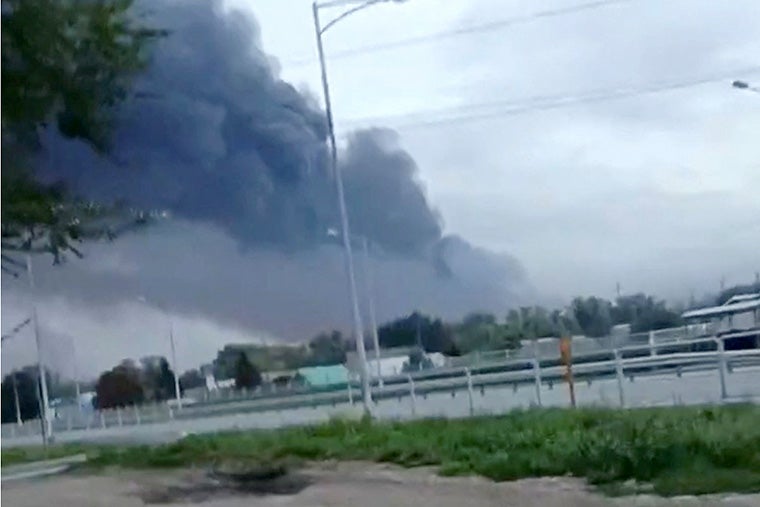
Ukrainian long-range strikes on Russian energy facilities may have reduced gasoline supplies in Russia by up to a fifth, president Volodymyr Zelensky said on Thursday. With diplomatic efforts to end the war largely stalled and little movement along the fiercely contested frontline, Russian forces have focused on crippling Ukraine’s own gas production ahead of the region’s bitter winter season.
Olena Yurchenko, director for analysis, investigations and research at the ESCU, said that while this is Indian companies doing business as usual, it reflects Russia’s growing hunger for fuel additives at a time its oil refineries are under attack.
India does not view the exports as inherently problematic because “fuel additives can be used for power in civil aviation [as well]”, she told The Independent. “[But] we know Russia is using up most of the fuel to power its military as its internal civil aviation is in dire straits because of sanctions and a lack of international flights,” she said.

Ms Yurchenko, who examined India’s fuel additives trade with Russia in an investigation spanning five months this year, said that India’s role in aiding Moscow with fuel additives is only likely to increase as Russia needs its allies now more than ever.
“This support is still crucial simply because, given the current Ukrainian attacks on the oil refineries, and some of these oil refineries make the additives themselves, Russia’s production capacities are undermined. So they will rely on imports even more now,” she said. Hence, the Indian role is only likely to increase, Ms Yurchenko said.
India has regularly defended its ongoing robust trade relationship with Russia as being in the interests of its own people and the need to grow its economy. India’s prime minister Narendra Modi has not directly criticised Russia for its invasion of Ukraine but has repeatedly called for an end to the war, as he did again in talks with Sir Keir Starmer on Thursday.
The Independent has reached out to the Indian foreign ministry for comment.
Join our commenting forum
Join thought-provoking conversations, follow other Independent readers and see their replies
Comments
Bookmark popover
Removed from bookmarks