Police investigate after famous Rome statue has tusk snapped off in the dead of night
It is not the first time the sculpture, popularly known as the Elefantino (little elephant), has been damaged
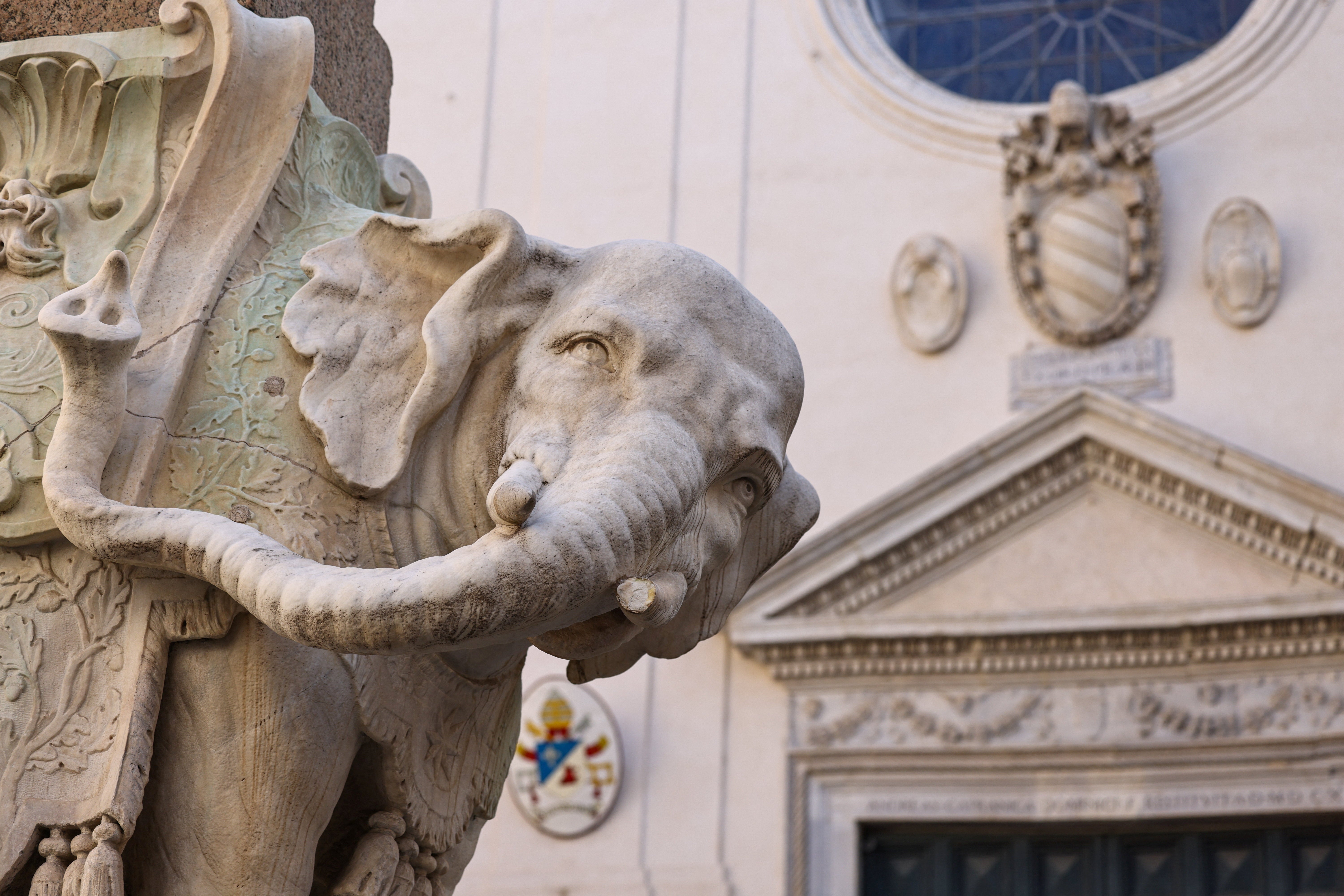
A celebrated marble elephant sculpture by Baroque master Gian Lorenzo Bernini in Rome has been damaged, with its left tusk found snapped off at the monument's base.
Authorities reported the incident on Monday night, prompting police to review CCTV footage from Piazza della Minerva. Investigators are working to determine whether the damage was an act of vandalism or if the tusk simply fell off following weeks of unusually heavy rainfall.
Italy's Culture Minister Alessandro Giuli made clear he thought it was deliberate, saying the 17th statue, which supports an ancient Egyptian obelisk, was victim of an "absurd act of barbarity".
"It is unacceptable that once again the nation's artistic and cultural heritage must suffer such serious damage," he said in a statement.
It is not the first time the sculpture, popularly known as the Elefantino (little elephant), has been damaged.
In November 2016, the tip of the same tusk was similarly found broken off. The piece was reattached during restoration work.
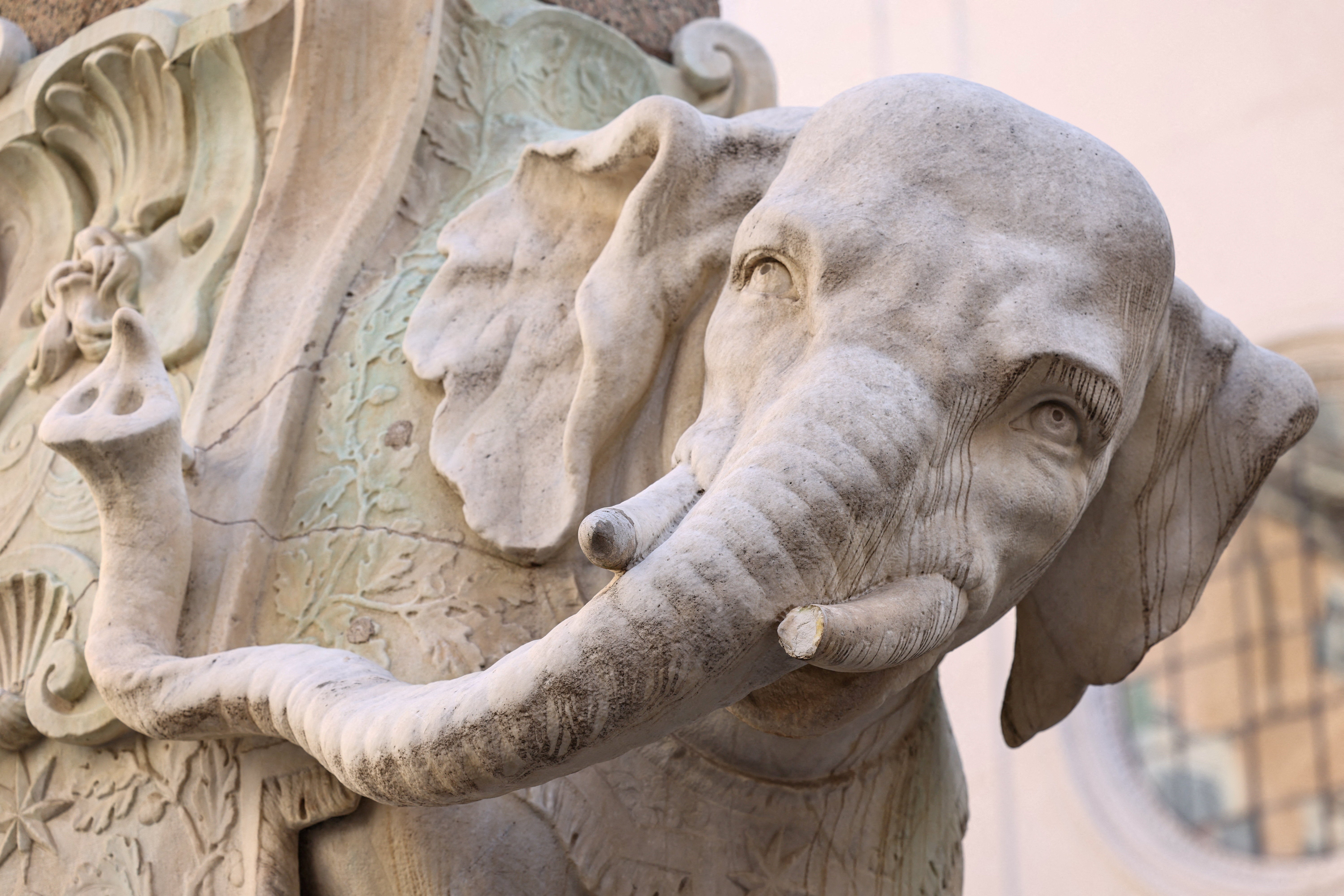
The sculpture, created in 1667 by Ercole Ferrata based on a design by Bernini, stands a short distance from the Pantheon, one of most visited tourist sites in Rome.
Earlier this month it was announced that Rome would introduce charges for tourists hoping to get close to the Trevi Fountain. The €2 fee comes in as the city of Rome works to control crowds at one of the world’s most celebrated sites.
The tourist fee was rolled out with a new €5 (£4.30) tourist ticket fee for some city museums. In both cases, Rome residents are exempt from the fees and the extra revenue will actually expand the number of city-run museums that are free for registered Roman residents.
It’s all part of the Eternal City’s efforts to manage tourist flows in a particularly congested part of town, improve the experience and offset the maintenance costs of preserving all of Rome’s cultural heritage. Officials estimate it could net the city €6.5m (£5.6m) extra a year.
The city decided to impose the Trevi Fountain fee after seeing positive results already from a year-long experiment to stagger and limit the number of visitors who can reach the front edge of the basin by imposing lines and pathways for entrance and exit.
Join our commenting forum
Join thought-provoking conversations, follow other Independent readers and see their replies
Comments
Bookmark popover
Removed from bookmarks