Denis Baupin: French politician sues sex accusers amid ‘backlash against #MeToo’
Baupin's lawyer says ‘his reputation, his family, his life were broken’ by the allegations
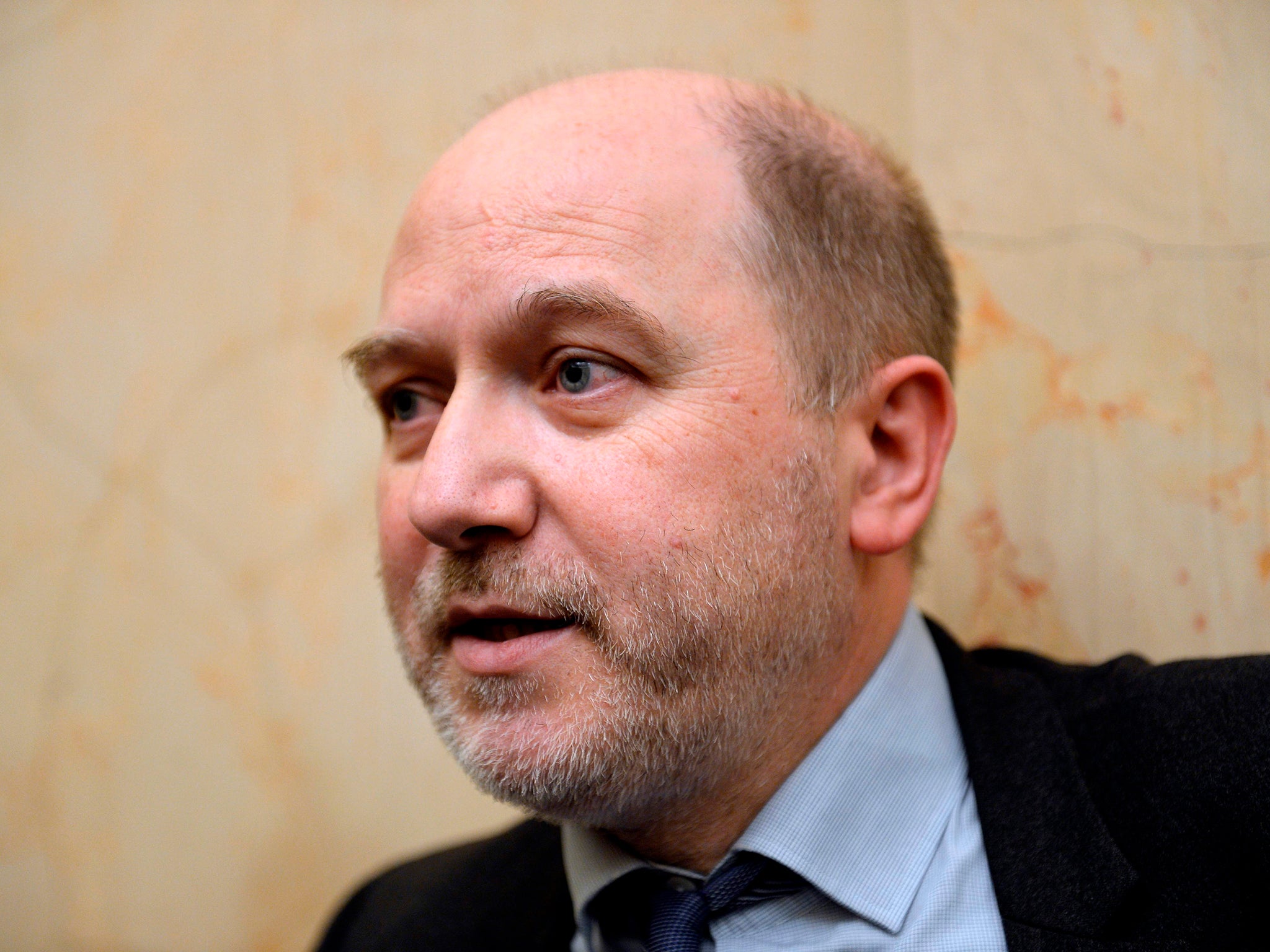
A French politician is taking six women who accused him of sexual misconduct to court on Monday amid what some are characterising as a backlash against the #MeToo movement.
In May 2016, investigative news website Mediapart and radio station France Inter published and broadcast accounts from 14 women who alleged Denis Baupin had groped, “sexted” and otherwise harassed them.
Mr Baupin, a prominent Green Party member and former Paris city official, is also launching the defamation lawsuit against four journalists who reported the allegations.
He resigned as vice president of the lower house of parliament when the reports surfaced, denying all the allegations against him.
The next month, Mr Baupin sued the journalists, the six accusers who agreed to be named in the news reports and two men who were quoted corroborating some of the alleged misbehaviour.
Mr Baupin’s lawyer, Emmanuel Pierrat, said his client did nothing illegal and now wants to “fully clear his name”.
Mr Pierrat said the lawsuit’s main goal is to prove the investigative website and radio station were not fair in their coverage.
The lawyer told the Associated Press “his reputation, his family, his life were broken” by the allegations.
Most of the women who spoke about Mr Baupin’s alleged behaviour from 1998 to 2013 were fellow Green Party members and their descriptions sparking outrage. Four filed criminal complaints for sexual harassment.
A nine-month judicial investigation ended without charges.
Prosecutors said the three-year statute of limitations had expired, but released a statement saying the women’s “measured, constant statements” and witness corroboration created a set of facts to support allegations of actions that “may for some of them be classified as criminal”.
Journalists and individuals need to show they acted in good faith or prove they told the truth as a defence against defamation under French law. A conviction is punishable by a maximum fine of €45,000 (£39,000).
Media reports are also assessed by the additional criteria of the legitimacy of journalists’ goals in producing a story, whether they demonstrate an absence of personal animosity, prudence and balance, and the quality of the investigation.
Mr Pierrat said “none of them is fulfilled” in the Mediapart and France Inter pieces on Mr Baupin.
Three defendants in the defamation trial said they also plan to speak in a Paris courtroom for other women who requested anonymity or did not air their experiences.
Sandrine Rousseau, a former Green Party spokeswoman who accused Mr Baupin of grabbing her breast at a 2011 meeting, said: “The question is: will justice send the message that women must remain silent?
“It’s an important message, a message saying that women can speak out – or not.”
Annie Lahmer, another Green who serves on the Paris regional council said she deems it to be her “duty” to speak out.
Ms Lahmer alleges Mr Baupin chased her around an office desk while she tried to escape his grasp in 1999, when she was a Green Party employee and he was national party spokesperson. Ms Lahmer alleges Mr Baupin told her she would not be able to have a career in the party after she made it clear she would not tolerate such behaviour.
“In court, I’m going to say it’s inadmissible that some men who hold power consider that kind of behaviour as normal. It is not,” she said.
Isabelle Attard, a former politician, alleged he sexually harassed her with dozens of inappropriate text messages in 2012 and 2013. Ms Attard said it has been difficult for her to break years of silence and hopes growing awareness and support from the #MeToo movement against sexual harassment and assault gives other women “more courage to say no and speak out”.
“I was just an activist who then became a lawmaker facing someone very prominent in the party,” Ms Attard said of how she felt when the alleged misconduct happened.
“I did not feel on an equal footing with him.”
France’s secretary of state for women’s rights, Marlène Schiappa, said there has been an “enormous backlash” to the #MeToo movement which challenges “a sexism very deeply anchored in our society”.
She said: “What I deplore is that in a general way, whenever a woman talks about sexual or sexist assault, you start to dig into the woman’s life and put this woman into a position of being accused.”
Ms Schiappa said she would not specifically comment on the Baupin case because it is going to court. She said “a very little bit of progress” has been made in France since 2016 via new laws aimed at better protecting victims of sexual violence and pushing gender equality.
French politicians passed a bill that extended the three-year statute of limitations on sexual harassment claims to six years.
Last month, a report found more than a million French women were forced to endure sexist insults in 2017 with only four convictions for breaches of sexual harassment laws. The report by France’s High Council for Gender Equality was the major first investigation into sexism to be carried out in France.
Sexist insults are described in the research as “daily violence” faced by women. The most frequently reported insults were salope (slut), pute (whore) and connasse (bitch).
Last year politicians approved legislation which introduced fines of up to €750 for wolf-whistling or sexual harassment on the street.
Additional reporting by Associated Press
Bookmark popover
Removed from bookmarks