Spanish police search laboratory in African swine fever leak fears
African swine fever, while harmless to humans, is often fatal to pigs and wild boars

Spanish police have raided a state-funded laboratory near Barcelona as part of an investigation into the origins of an African swine fever (ASF) outbreak, amid concerns the deadly animal disease may have escaped from the facility. Genome sequencing has revealed the strain is similar to those used in research and vaccine development, differing from other European cases.
African swine fever, while harmless to humans, is often fatal to pigs and wild boars and spreads rapidly. The outbreak poses a significant threat to Spain, Europe's largest pork producer, which accounts for approximately a quarter of the EU's output. Authorities have imposed movement restrictions and are working to reassure trading partners.
The highly contagious virus was initially identified in two wild boars within the Collserola mountain range, just outside the Catalan capital.
Since then, seven additional boars in the same area have been confirmed to have succumbed to the disease, with Spanish officials anticipating further positive cases.
Spain stands as the European Union's leading pork producer, accounting for a quarter of the bloc's output, with annual exports valued at approximately €3.5 billion.
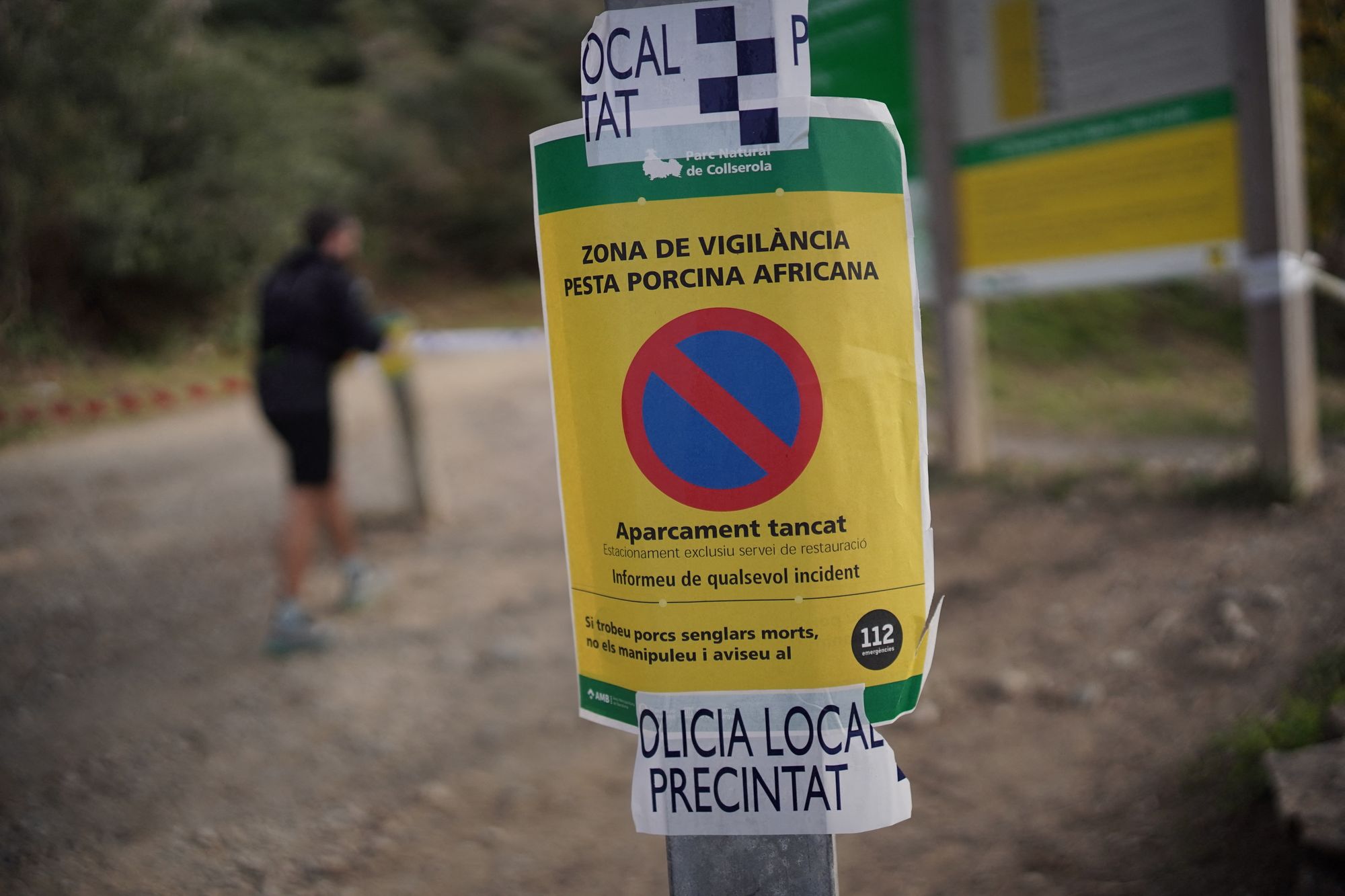
The court-ordered search at the Centre for Research in Animal Health (Cresa) was initiated by a local investigating judge, with preliminary proceedings declared secret. Cresa has not yet commented on the raid but previously told the news verification website Maldita.es that it had found no evidence of being the source of the outbreak.
This marks Spain's first outbreak since 1994, with the virus detected exclusively in wild animals within the Collserola hills outside Barcelona, and no cases reported on farms. Authorities have discovered the virus in 26 wild boar carcasses within the six-kilometre confinement area, where Cresa is also located.
While harmless to humans, ASF spreads rapidly among pigs and wild boar, though no commercial farms have been affected to date.
Catalan regional leader Salvador Illa said that local authorities had already been working to reduce the wild boar population due to public health concerns. However, he emphasised that the recent outbreak underscores the urgent need to accelerate these efforts.
"There are too many wild boars," Mr Illa told reporters earlier this month.
"We have activated and intensified this task, contacting all hunting associations and looking at technically acceptable and proven methods to do so."
Join our commenting forum
Join thought-provoking conversations, follow other Independent readers and see their replies
Comments
Bookmark popover
Removed from bookmarks