Father bids to stop paraplegic daughter’s euthanasia in Spanish court
Spain legalised euthanasia and assisted suicide in 2021, becoming the fourth European Union country to do so
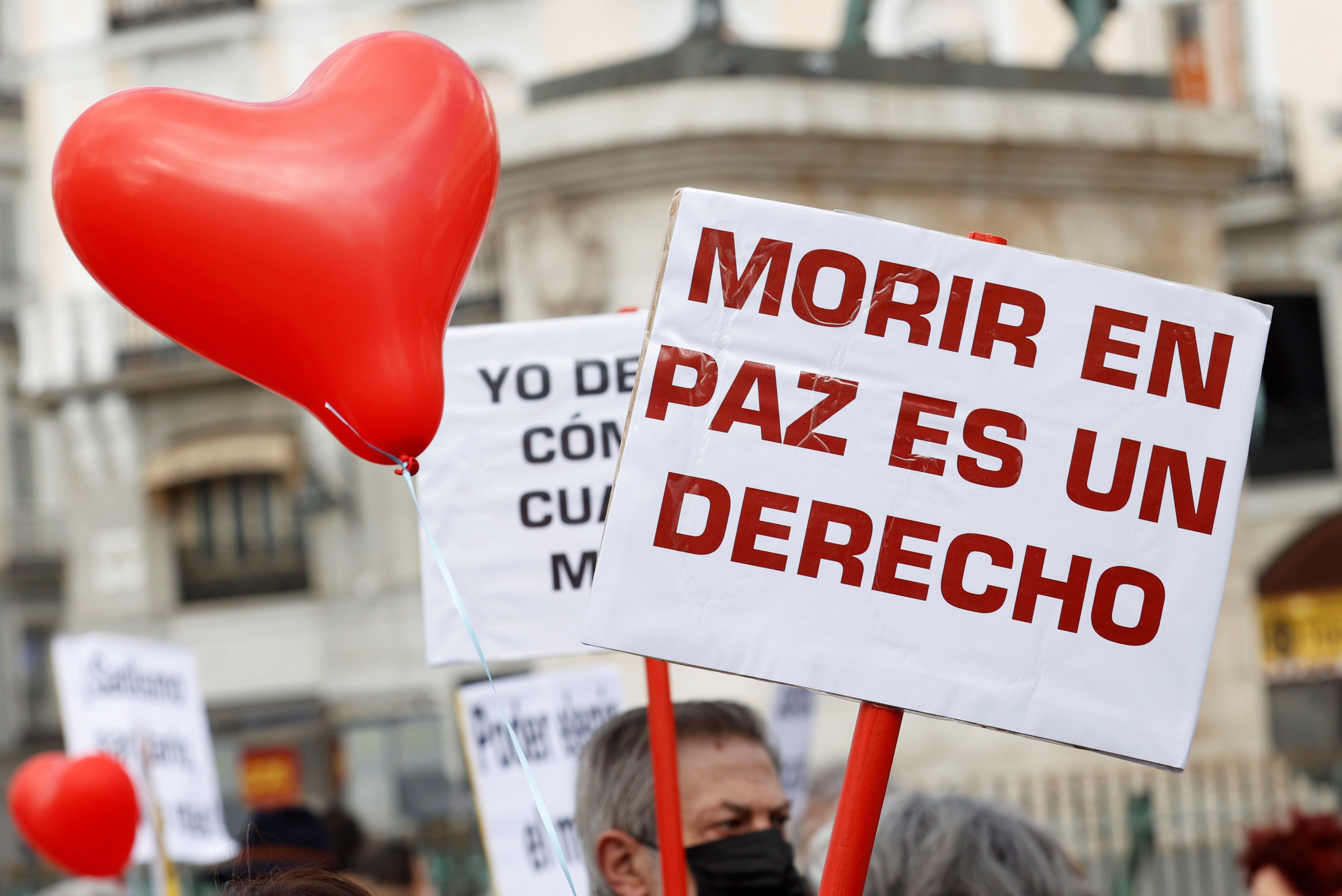
Spain's Constitutional Court has rejected an appeal by the father of a 25-year-old paraplegic woman, upholding her right to access euthanasia, the court announced on Friday. This decision allows the woman to proceed with her wish to end her life.
Spain legalised euthanasia and assisted suicide in 2021, becoming the fourth European Union country to do so. The law permits individuals with incurable or severely debilitating conditions to choose to die. Government data indicates 426 people received assistance in dying in 2024.
According to legal rulings, the woman, who suffers from a psychiatric illness, attempted suicide several times by overdosing on medication. She then jumped from a fifth-floor window in October 2022, an act that left her paraplegic and in chronic pain.
In July 2024, a specialised expert committee in her region, Catalonia, approved her request for euthanasia. The procedure was scheduled for August 2, 2024, but her father has blocked it ever since.
Medical case reports state that the patient is suffering from severe, chronic and incapacitating pain from her injury, with no possibility of improvement.
The father, supported by the ultra‑conservative advocacy group Abogados Cristianos ("Christian Lawyers"), argued that his daughter's mental illness could impair her ability to make a free and informed decision about ending her life.
Several lower courts backed her case, and on Friday the Constitutional Court, Spain's highest tribunal, ruled there had been no violation of fundamental rights.
Although the country broadly supports the right to assisted dying, the euthanasia law was enacted after years of fierce opposition from conservative parties and the Catholic Church, which has historically shaped public attitudes on end‑of‑life issues.
Abogados Cristianos said on Friday it would take the case to the European Court of Human Rights.
"We will not abandon these parents. We will continue to fight to the end to defend their right to save their daughter's life," the group's head, Polonia Castellanos, said in a statement.
Join our commenting forum
Join thought-provoking conversations, follow other Independent readers and see their replies
Comments
Bookmark popover
Removed from bookmarks