Thousands without power across Australia after Cyclone Fina batters parts of country
Darwin International Airport closed on Saturday as a precaution over Fina
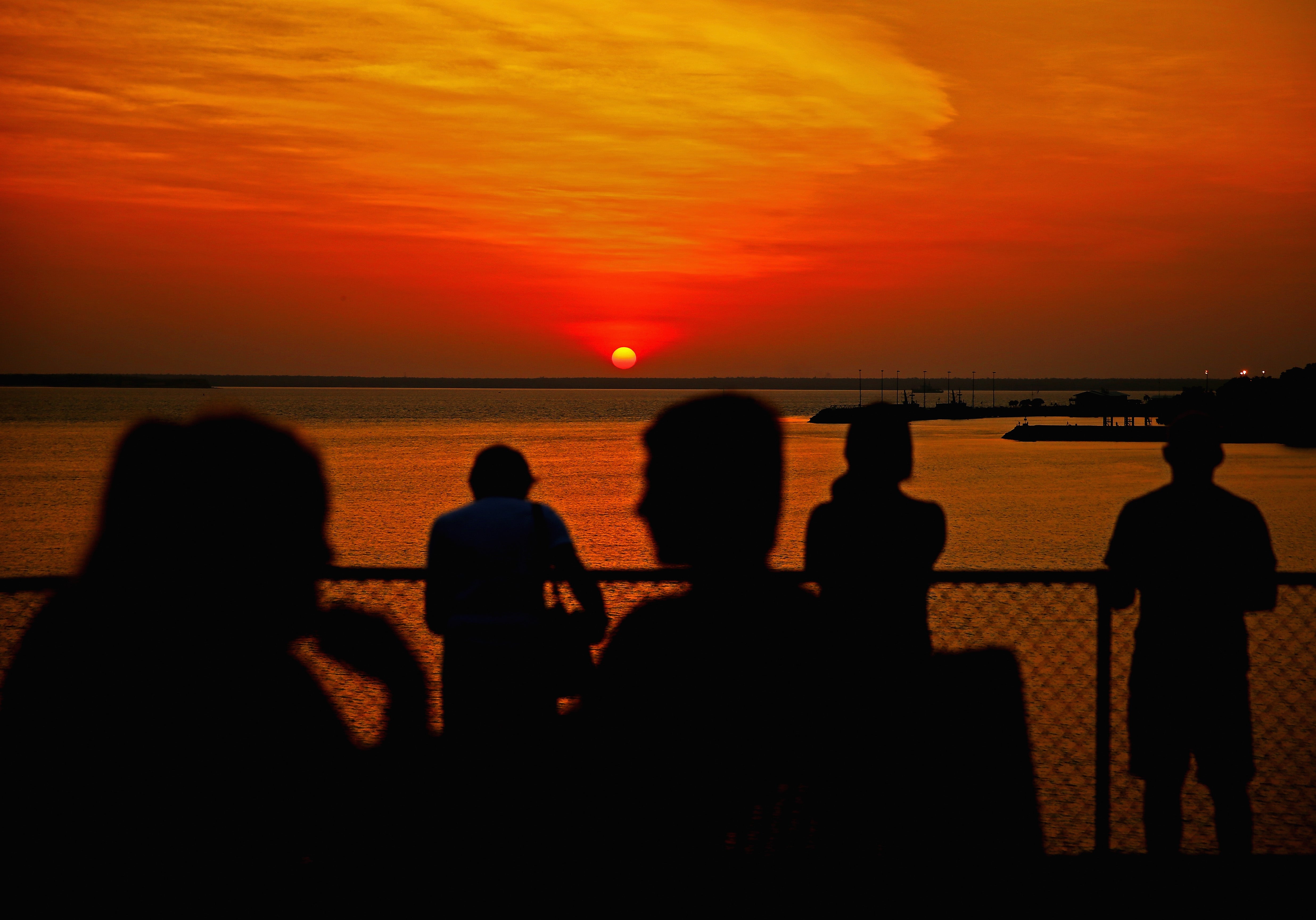
Thousands of residents across Australia's Northern Territory were left without electricity on Sunday after a powerful tropical cyclone, named Fina, swept through the region overnight, impacting the capital city of Darwin.
Cyclone Fina, classified as a category three storm, was recorded clocking wind gusts of up to 205 kph (127 mph) as it tracked away from Darwin. The nation's Bureau of Meteorology had described it as a "severe tropical cyclone" when it passed over the city late on Saturday.
For the approximately 140,000 inhabitants of Darwin, the cyclone evoked unsettling memories of Cyclone Tracy. That devastating storm, which struck on Christmas Day in 1974, claimed 66 lives and largely destroyed the city, marking one of Australia's most catastrophic natural disasters.
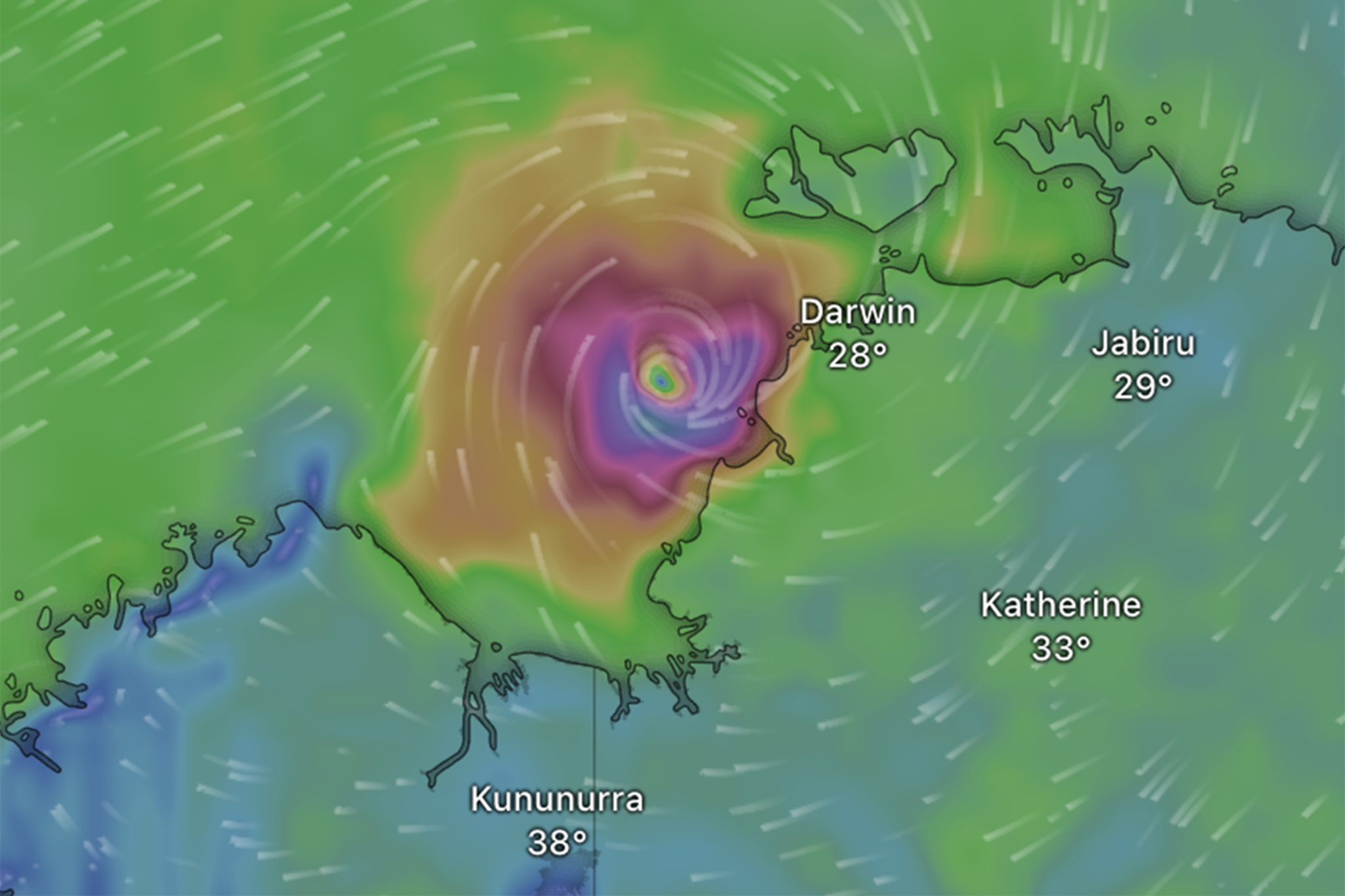
Chief Minister Lia Finocchiaro said about 19,000 people had lost power due to Fina, which had also caused property damage and submerged roads, but resulted in no injuries to residents.
"This cyclone saw a territory that was united and prepared for what was to come," Finocchiaro said in a media conference televised from Darwin.
Authorities urged residents of Darwin, a northern garrison city, to stay clear of downed power lines, as crews started damage assessments.
Darwin International Airport, which closed on Saturday as a precaution over Fina, said on Sunday it was "working to re-establish operations as soon as it is safe to do so".
Category three tropical cyclones, two levels below the highest danger rating, typically damage structures, crops and trees and cause power failures, according to the weather bureau. In March, ex-tropical cyclone Alfred hit neighbouring Queensland, closing schools and leaving hundreds of thousands of people without power.
Join our commenting forum
Join thought-provoking conversations, follow other Independent readers and see their replies
Comments
Bookmark popover
Removed from bookmarks