Australia closes dozens of beaches after fourth shark attack in 48 hours: ‘Just go to a local pool’
Man, 39, bitten by shark while surfing near a national park campground in New South Wales
Australia has closed dozens of beaches and urged people to stay out of the ocean after a fourth shark attack was reported within 48 hours.
The latest incident took place on Tuesday morning near Point Plomer, in New South Wales’s (NSW) mid-north coast, where a 39-year-old surfer was bitten by a shark while surfing near a national park campground.
The man was taken to a hospital in a stable condition with minor injuries, according to the local health district.
The latest attack followed a series of shark incidents across Sydney and its surrounding coastline since Sunday, prompting police, lifeguards, and marine authorities to warn that ocean conditions remain dangerous after days of heavy rain.
Steven Pearce, the chief executive of Surf Life Saving NSW, an organisation that promotes safe coastal enjoyment in NSW and the Australian Capital Territory, said the water quality along much of the coast was currently unsafe and urged people to avoid swimming altogether.
“If anyone’s thinking of heading into the surf this morning, anywhere along the northern beaches, think again,” Pearce told the ABC.
“We have such poor water quality. That’s conducive to bull shark activity. We have two people critically injured in hospital this morning. Just go to a local pool, because at this stage, we’re advising that the beaches are unsafe.”
.png)
NSW SharkSmart, the government's comprehensive programme to reduce shark bite risks, confirmed a “shark incident” at Point Plomer shortly after 10am on Tuesday, while lifeguard teams and drone surveillance were deployed in the area. Beaches between Town Beach and Crescent Head were closed as a precaution.
The latest attack comes after a 12-year-old boy was critically injured on Sunday afternoon after being bitten by a shark near Nielsen Park in Sydney Harbour. The boy, who was swimming with friends near a popular rock ledge, remains in hospital with serious injuries to both legs.
Police said the boy had jumped from a popular six-metre rock ledge into Sydney Harbour when he was bitten, as heavy rain had turned the water brackish and reduced visibility.
Shark attacks in Sydney: how rare are they?
- Just four shark attacks have been recorded in Sydney Harbour in the past 50 years, according to data from the Australian Shark‑Incident Database and NSW authorities.
- The most recent harbour incident, before this week, was in 2024, when a woman was bitten on the leg at Elizabeth Bay.
- Bull sharks are the species most often linked to harbour and estuary incidents because they can tolerate brackish and freshwater.
- Across Australia, an average of around 20 shark bites are recorded each year, with fewer than three fatalities annually, conservation data show.
- Authorities say clusters of attacks are rare and are usually linked to specific conditions such as heavy rainfall, murky water and increased bait fish activity.
Officers said the boy’s friends pulled him from the water and attempted first aid before emergency services arrived.
Supt Joseph McNulty of NSW Police said the combination of storm runoff, murky water and splashing “may have made that perfect storm environment” for the shark encounter.
At Dee Why beach, an 11-year-old surfer escaped uninjured after a shark bit through the middle of his board several times, tearing away a chunk of foam, before he was helped out of the water by other surfers.
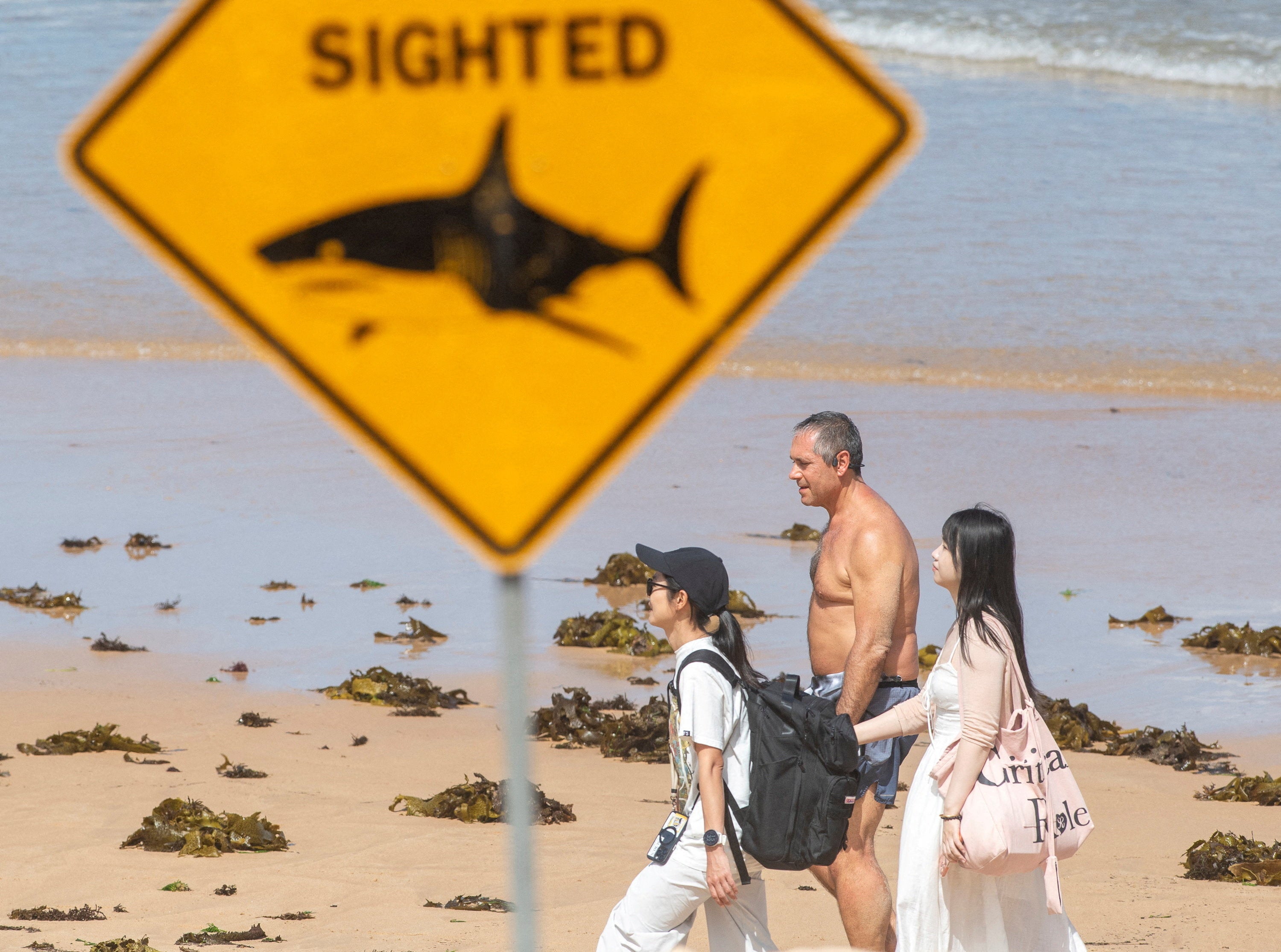
Shark biologists later said the bite pattern suggested a bull shark, while Surf Life Saving NSW deployed drones and jetskis to search the area. The beach was closed for at least 24 hours.
Later the same day, a 27-year-old man was bitten by a shark while surfing at Manly beach and was taken to hospital in a critical condition. All beaches across Sydney’s northern beaches council area were subsequently closed until at least Thursday.
Authorities and marine scientists said bull sharks were suspected in several of the recent incidents, noting the species’ ability to tolerate freshwater and brackish conditions and its tendency to move closer to shore after heavy rainfall.
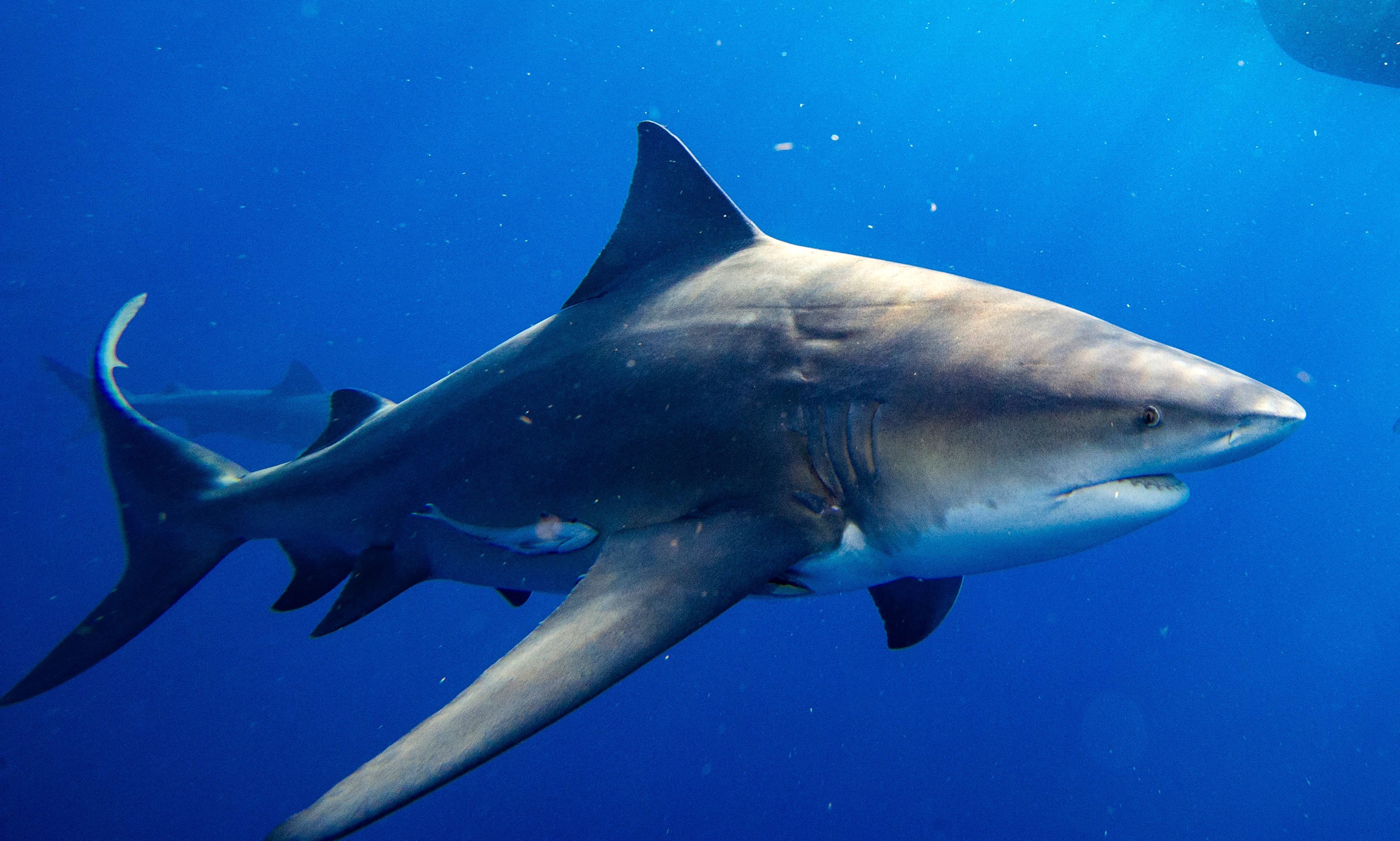
Bull sharks are commonly found in estuaries and river mouths and are known to follow bait fish into murky coastal waters after storms, increasing the likelihood of accidental encounters with swimmers and surfers.
Professor Jodie Rummer, a marine biologist at James Cook University, said heavy rainfall and warm waters draw fish into coastal areas, attracting predators.
“Storms and river outflows create flood plumes that carry nutrients and fish into coastal waters, which can attract prey species and, in turn, predators like sharks,” she said.
“Bull sharks are especially comfortable moving in and out of river mouths and turbid coastal waters after heavy rain.”
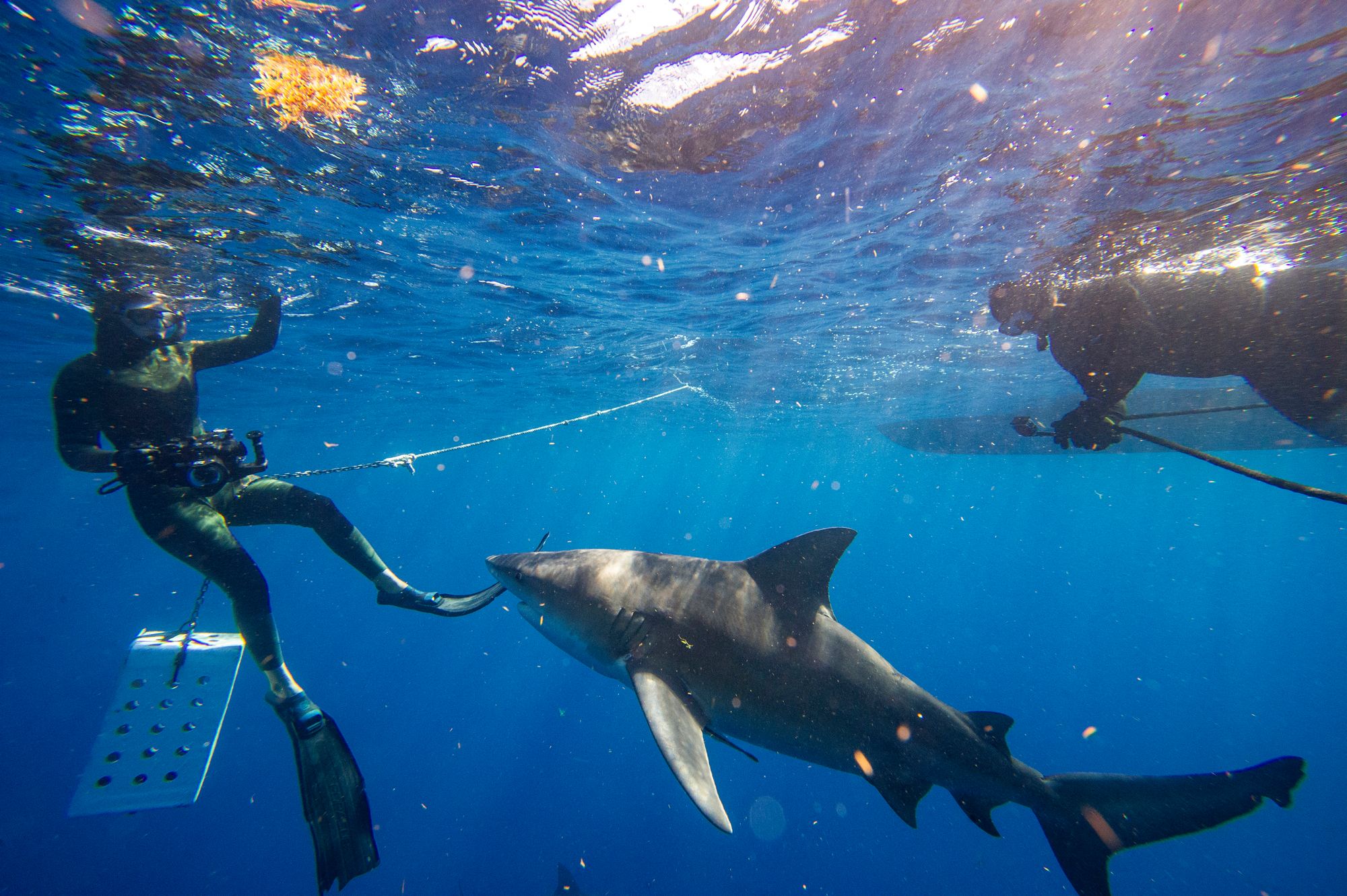
Dr Victoria Camilieri-Asch, a shark behaviour expert at Queensland University of Technology, said climate-driven warming was also extending the time sharks spend in coastal areas.
“Increasing water temperatures are causing sharks to spend more time in higher latitudes and remain longer on their summering grounds,” she said, adding that this extended overlap with human activity increases the chance of encounters.
According to conservation data, Australia records around 20 shark attacks a year, with fewer than three fatalities on average. However, authorities urged people to follow beach closures and avoid swimming in murky water, particularly after heavy rainfall.
Join our commenting forum
Join thought-provoking conversations, follow other Independent readers and see their replies
Comments
Bookmark popover
Removed from bookmarks