How Trump is stacking the deck so his ballroom project sails through DC and comes to fruition
Trump said he plans to have the White House ballroom completed within a year and a half
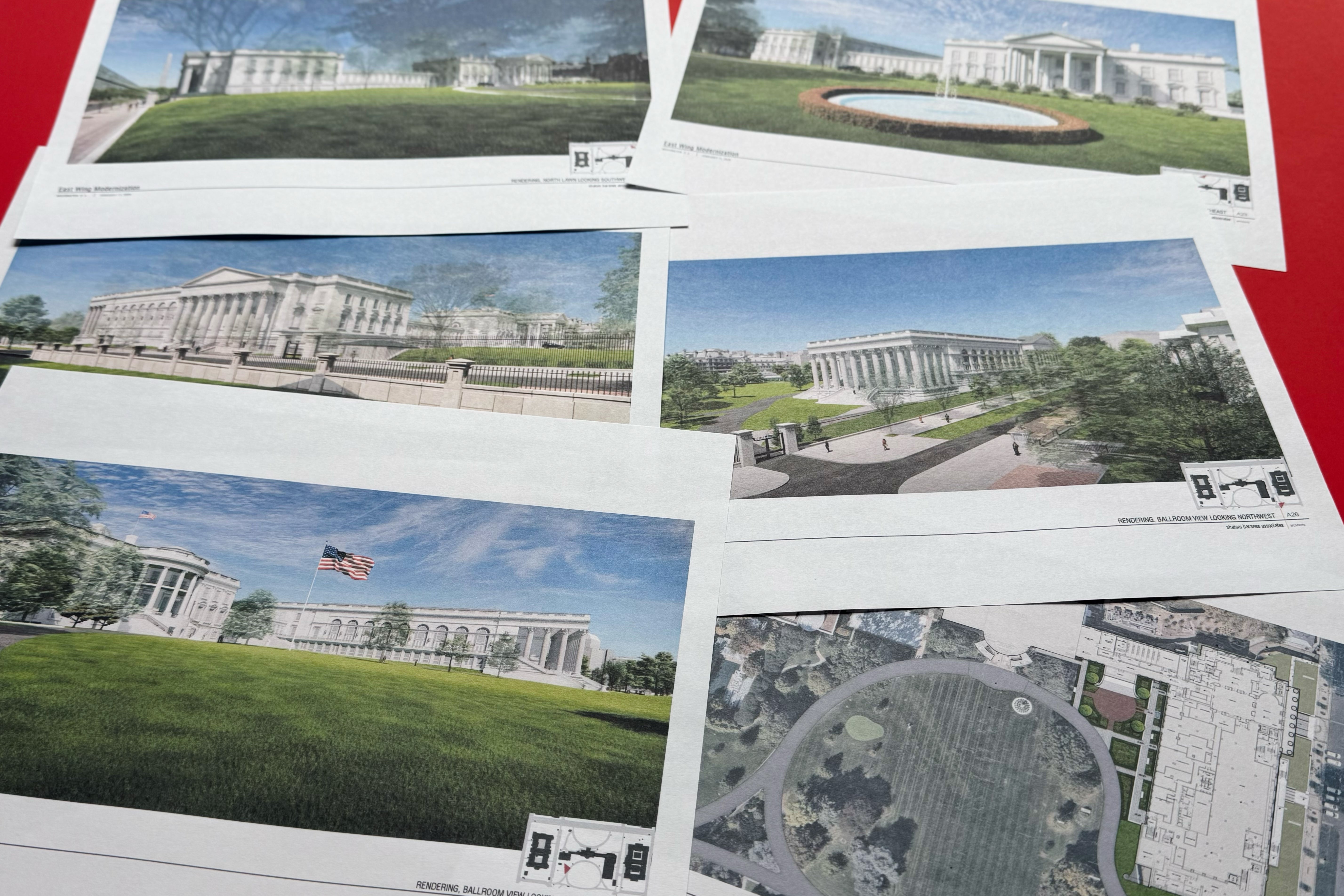
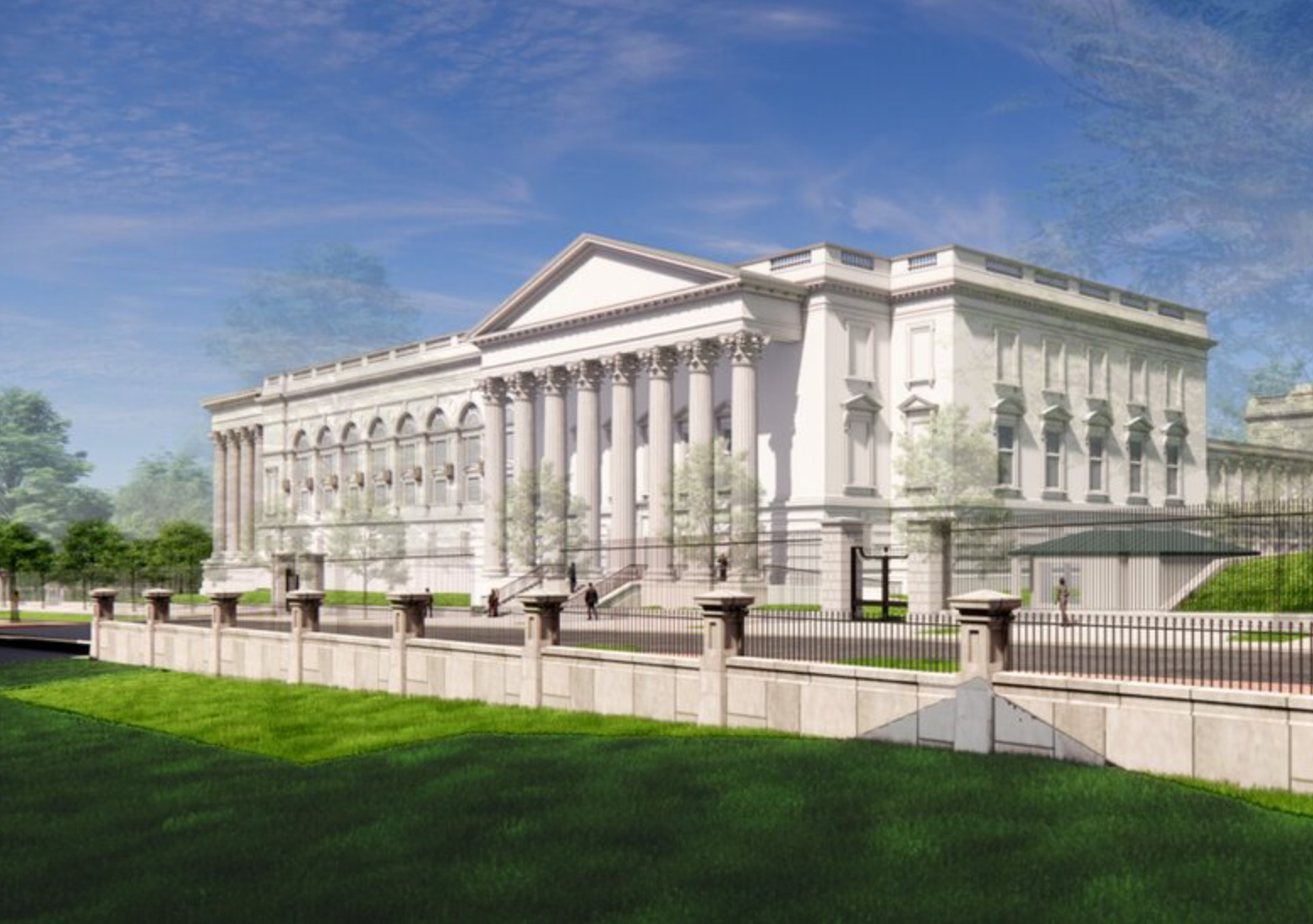
President Donald Trump’s grand $400 million White House ballroom design was swiftly approved by the U.S. Commission of Fine Arts Thursday, clearing the first hurdle to move forward with construction months after he fired board members and replaced them with allies.
A panel of six commissioners chosen by Trump approved the latest and final design despite massive public resistance, while praising the president for designing a “beautiful structure.”
Since announcing his new ambitions for a 90,000-square-foot ballroom in July 2025, Trump has sought to expedite construction of the ballroom, which is nearly the size of the White House residence and West Wing combined.
Trump wasted no time tearing down the historic East Wing, changing initial cost estimates, and stacking two boards tasked with reviewing the construction plans with allies.
Here’s how else the president is making sure his new White House addition comes to fruition:
Demolishing the East Wing
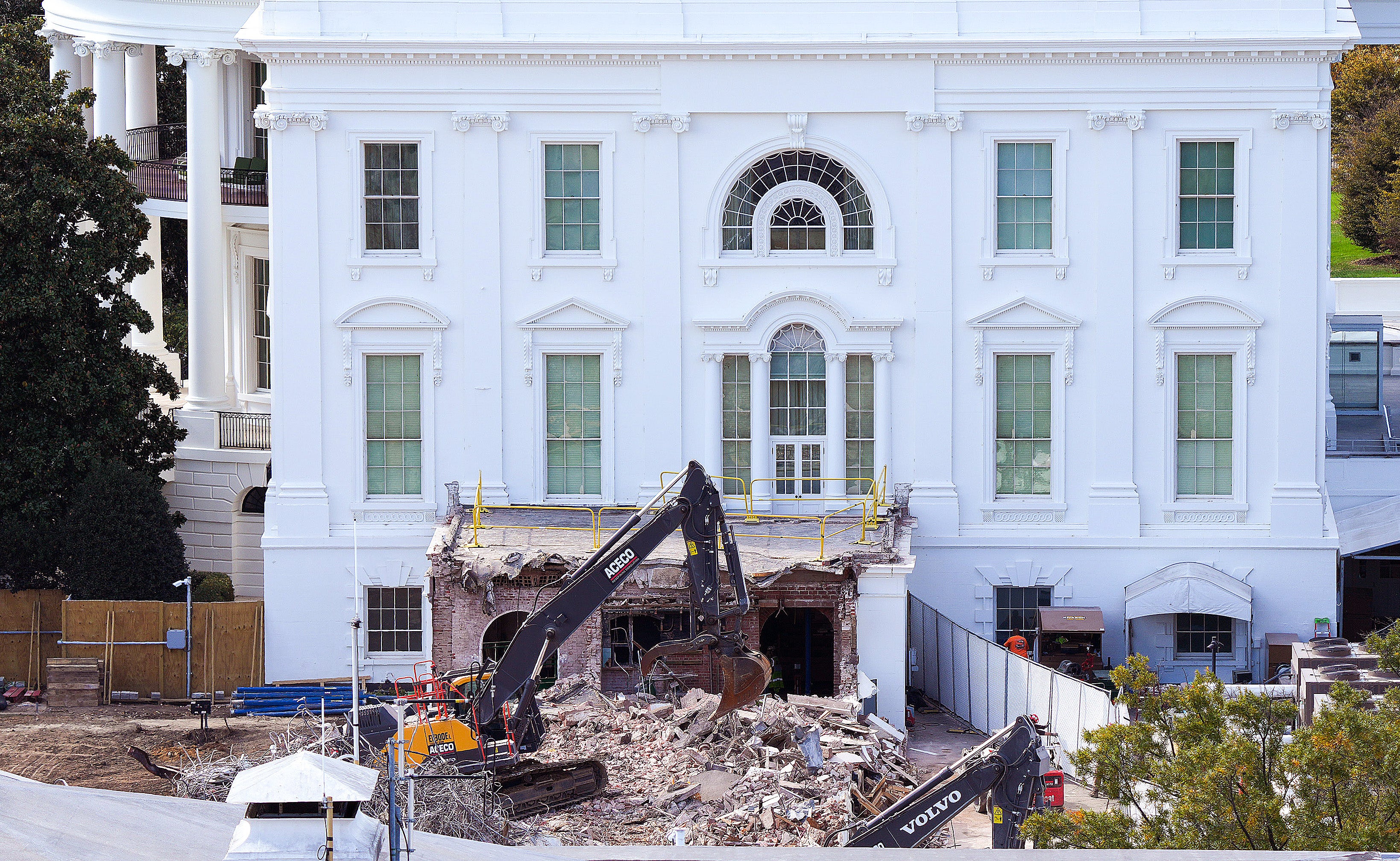
Lawmakers and members of the public were shocked in October when construction teams began demolishing the historic East Wing of the White House – after Trump asserted the new ballroom would not “interfere” with the original building.
White House officials justified the change by saying architects had determined it was more cost-effective and structurally sound to demolish the East Wing.
But Democrats were quick to accuse the president of circumventing traditional processes of seeking permission from the National Capital Planning Commission, Commission of Fine Arts and congressional approval.
The National Trust for Historic Preservation sued the administration, hoping to halt construction. While the East Wing demolition has been completed and is therefore unable to be halted, the judge has not ruled on the new construction.
Installing allies on the Commission of Fine Arts
In October, the Trump administration fired all six members of the U.S. Commission of Fine Arts to make room for new commissioners “more aligned with President Trump’s America First Policies” after public criticisms over the demolition of the East Wing.
Typically, the seven-member panel tasked with giving expert advice to the president, Congress and D.C. government on design and aesthetic matters is made up of individuals with expertise in art, architecture, landscape architecture and urban design.
But Trump has tapped a group of individuals with a range of backgrounds, including some with no experience in the arts, to sit on the commission.
That includes 26-year-old Chamberlain Harris, the deputy director of Oval Office operations with no formal experience in art.
“This is sort of like the greatest country in the world. It’s the greatest house in the world. And we sort of want it to be the greatest ballroom in the world,” Harris said Thursday during the meeting.

James McCrery II, the architect originally hired to design the ballroom, is serving as the vice-chairman of the commission. McCrery stepped down as the architect in December. He has not participated in the review or vote on the ballroom.
The commission is being chaired by Rodney Mims Cook Jr., a developer and designer who founded the National Monuments Foundation. During the hearing, Cook offered Trump generous praise for his design and his efforts to promote world peace.
“No president has really stepped up to the plate to require that this be corrected until President Trump,” Cook said of Trump requesting a ballroom to host formal events.
The other members are: Roger Kimball, a conservative political commentator and art critic. Mary Anne Carter, the chairwoman of the National Endowment for the Arts, previously worked as a policy adviser in Florida. Pam Patenaude, who worked in the Department of Housing and Urban Development during the first Trump administration and second Bush administration. Matthew Taylor, a conceptual artist and film director who previously worked with Rudy Giuliani.
Installing allies on the National Capital Planning Commission
In December, a federal judge asked the government to maintain its promise to submit plans to both the Commission of Fine Arts and the National Capital Planning Commission, which is tasked with reviewing and providing guidance for construction projects on federal land and buildings.
In preparation to have plans go before the commission, Trump installed his former personal lawyer and current White House Staff Secretary, Will Scharf, as the chairman.
James “Michael” Blair, a White House official, has been installed as its commissioner. Stuart Levenbach, the chief statistician of the United States, was appointed vice chairman.
The National Capital Planning Commission is expected to review the design plans March 5.
Using private donors to pay for increasing costs
Initially, the president asserted the ballroom would cost around $200 million and promised to pay for it himself to avoid burdening taxpayers. But that price has doubled to $400 million and now requires donations from private companies and individuals.
That includes tech giants such as Amazon, Apple, Google, HP and Microsoft. Coinbase, Lockheed Martin, Palantir Technologies and T-Mobile are also among the reported donors.
Citizens for Responsibility and Ethics in Washington, an ethics watchdog group, said the donations raise concerns about corruption.
“All of this money that they’re giving for something that’s important to the president could influence his decision-making, and he could be thinking about that instead of thinking about what’s best for the American people,” Noah Bookbinder, the president of CREW, told Axios.
The president and his allies have said it's necessary to build the ballroom because the White House currently does not have enough space to host large events. Currently, the White House will use outdoor tents to expand space – which has raised security concerns.
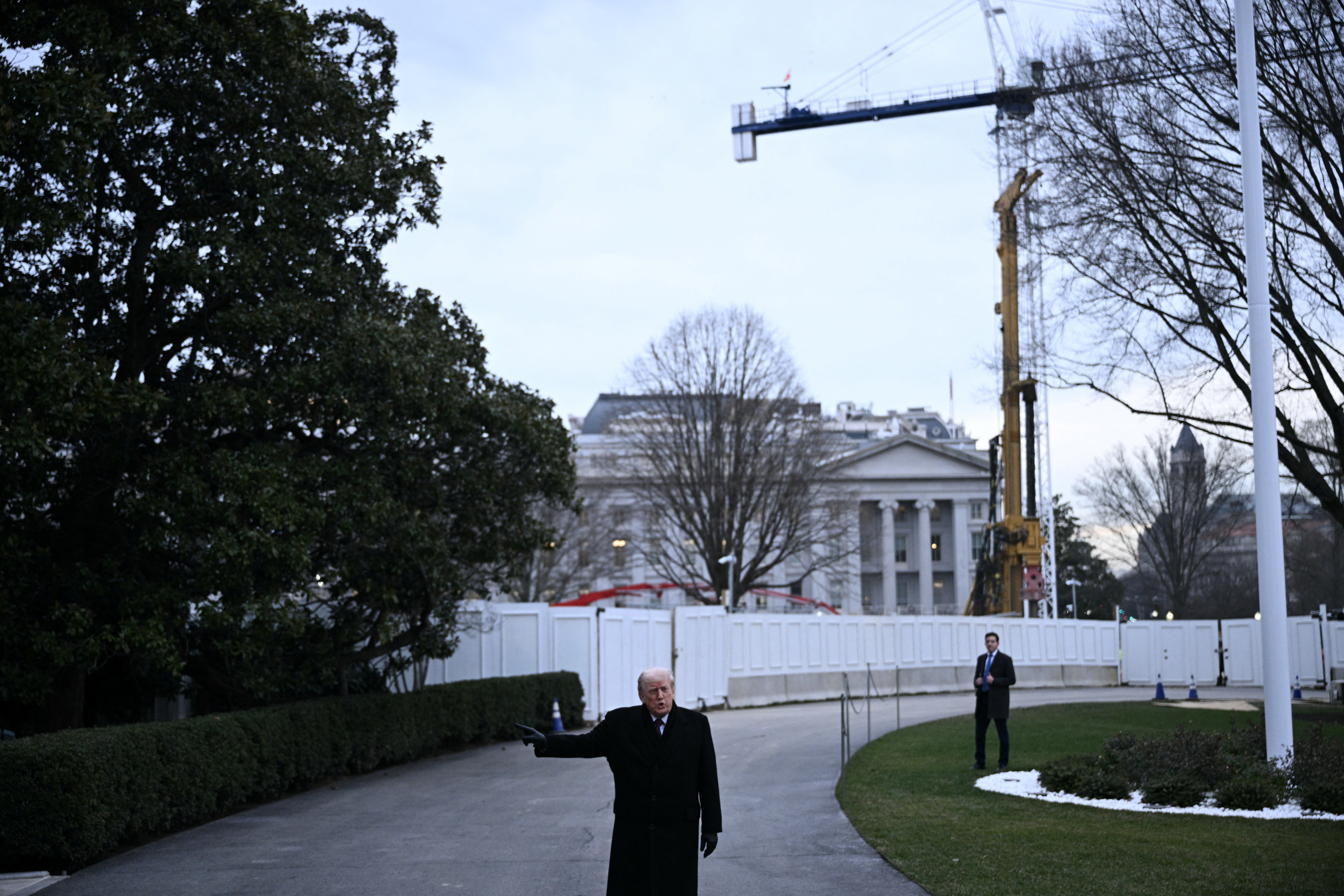
Trump plans to have the ballroom built and open to guests by summer 2028, giving builders roughly a year and a half to construct the new event space.
Join our commenting forum
Join thought-provoking conversations, follow other Independent readers and see their replies
Comments
Bookmark popover
Removed from bookmarks