Trump’s tariffs expected to bring in $1 trillion less than expected – and that could drastically change his $2,000 check plan
Congressional Budget Office downgrades forecast on president’s levies on imported goods, casting fresh doubt on his pledge to send U.S. citizens a rebate
President Donald Trump’s aggressive tariffs program will cut the national deficit by $3 trillion over the next decade, $1 trillion less than expected, according to a new estimate from the Congressional Budget Office.
The tariffs imposed in the first year of Trump’s second term in the White House would cut primary U.S. deficits by $2.5 trillion if they are left in place as they are until 2035, by the CBO’s reckoning.
Such a reduction would also mean a massive decrease in borrowing, saving the country a further $500 billion in interest and bringing the total to $3 trillion, which is still well short of the $4 trillion the office forecast in August and would make only a relatively small dent in the total national debt, which currently stands at $38 trillion.
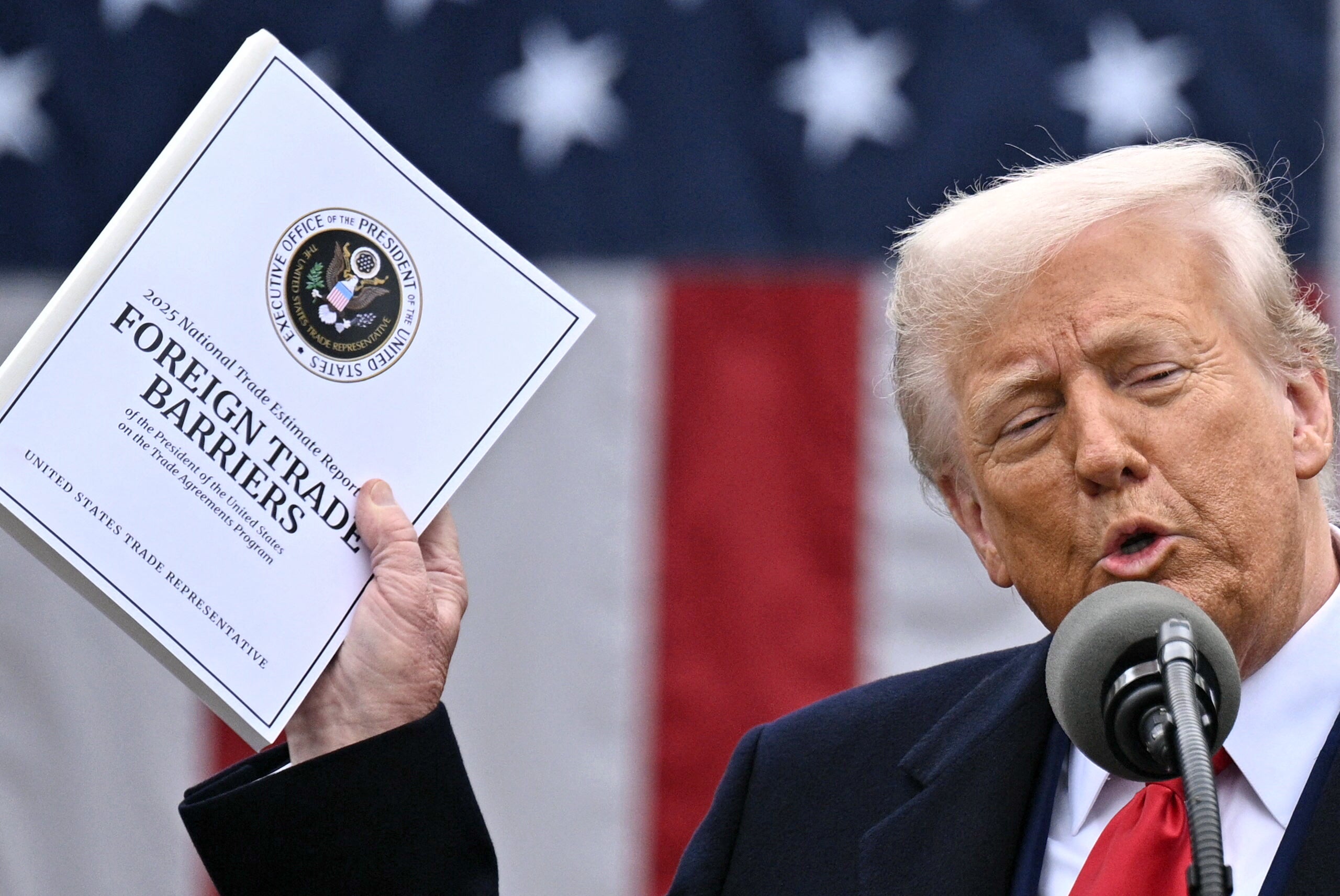
White House spokesman Kush Desai reacted to the downgrade in expectations by saying, “The fact of the matter is that President Trump is set to raise trillions in revenue for the federal government with tariffs – whose costs will ultimately be paid by the foreign exporters who are reliant on access to the American economy, the world’s biggest and best consumer market.”
But the revised forecast threatens to complicate the president’s plan to send out tariff dividend checks worth “at least” $2,000 to American citizens, even as the U.S. Supreme Court is still weighing up whether the tariffs are even legal in the first place.
Trump said in a Truth Social post on November 10 that only “FOOLS” opposed his tariffs and declared: “We are now the Richest, Most Respected Country In the World, With Almost No Inflation, and A Record Stock Market Price.
“We are taking in Trillions of Dollars and will soon begin paying down our ENORMOUS DEBT, $37 Trillion. Record Investment in the USA, plants and factories going up all over the place. A dividend of at least $2000 a person (not including high income people!) will be paid to everyone.”
Treasury Secretary Scott Bessent was not much clearer about the practicalities during an interview with ABC News’s This Week around the same time, saying only that the “$2,000 dividend could come in lots of forms, lots of ways.”

“It could be just the tax decreases that we are seeing on the president’s agenda,” he continued. “You know, no tax on tips, no tax on overtime, no tax on Social Security. Deductibility of auto loans.”
On Monday, the president blurred the timeline as to when the checks might ultimately be delivered, claiming that he would “probably” send them out “somewhere prior to... the middle of next year,” or, perhaps, “a little bit later than that.”
The lack of clarity about the policy has led betting markets to assign extremely low odds to it ever coming to pass, with the websites Kalshi and Polymarket putting the prospect at just 2 percent and 1 percent, respectively, this week.
The idea of sending out the checks is also unpopular with Republican deficit hawks in the Senate, not least Majority Leader John Thune, who has said he would rather see the revenue from the tariffs be used to pay down the debt, arguing that would be the more effective means of tackling inflation than simply handing consumers bonus cash.
Join our commenting forum
Join thought-provoking conversations, follow other Independent readers and see their replies
Comments
Bookmark popover
Removed from bookmarks