Trump team will partially fund SNAP benefits after judge’s order, USDA tells court
Nearly $5 billion in emergency funds will only cover 50 percent of benefits for November, officials say
Donald Trump’s administration will only partially fund a critical food assistance program that supports nearly 42 million Americans after a federal judge ordered the federal government to tap into emergency funds to keep it afloat.
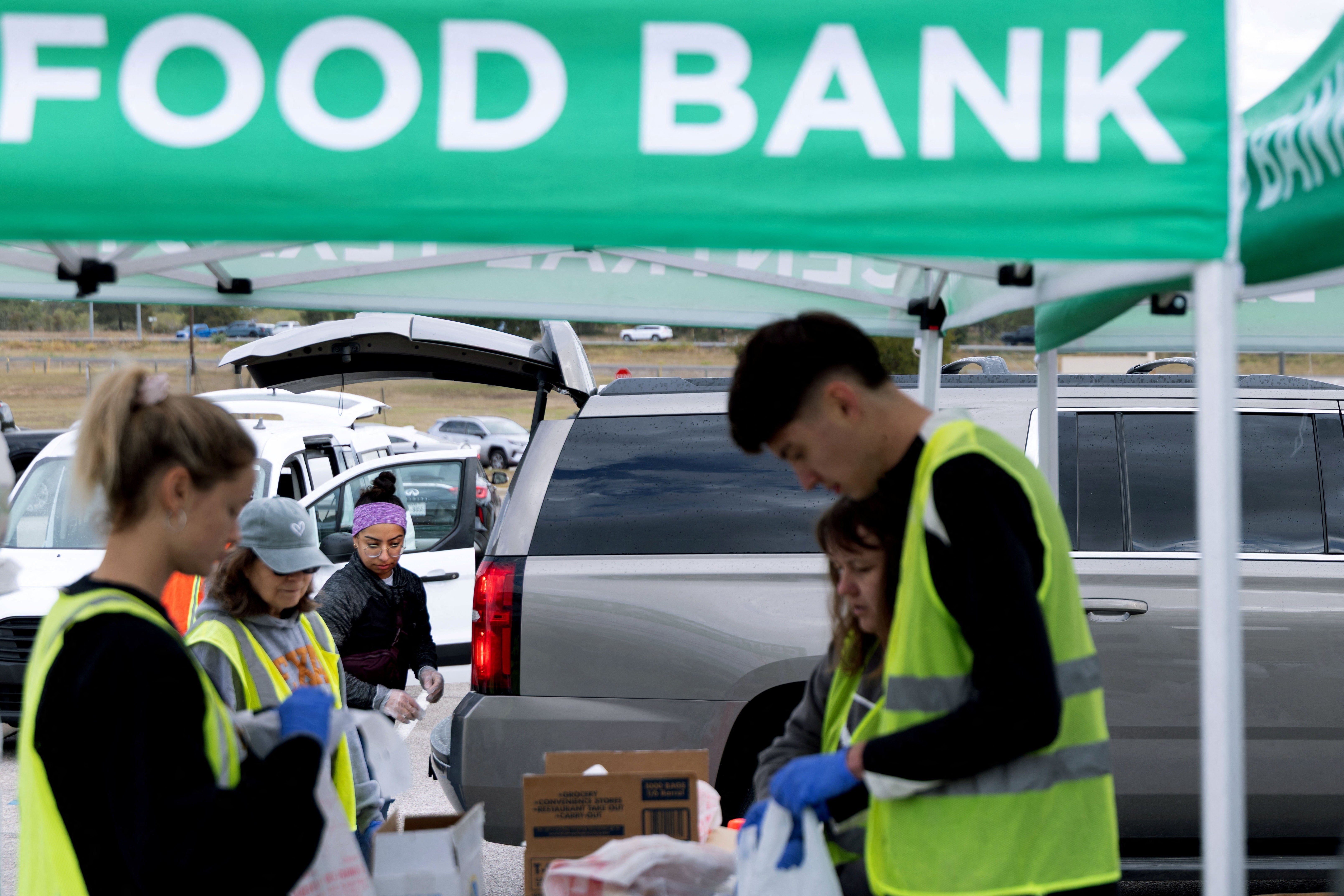
But it’s not clear how quickly states will be able to distribute Supplemental Nutrition Assistance Program (SNAP) funds, which could take up to two weeks in some states and potentially months to process, according to officials. The Trump administration stopped funding the program on November 1.
The administration had initially intended to freeze funding for the program entirely during the government shutdown, claiming that it did not have legal authority to tap into billions of dollars in emergency funds.
Two federal judges last week disagreed and urged the government to quickly dispense the money to states to prevent millions of Americans from going hungry.
In court filings Monday, the government said $4.65 billion can be used to cover 50 percent of SNAP benefits for people who are currently enrolled, which could leave many low-income families empty-handed. “No funds will remain for new SNAP applicants certified in November, disaster assistance, or as a cushion against the potential catastrophic consequences of shutting down SNAP entirely,” officials wrote.
After last week’s court rulings, Trump blamed Democrats in Congress for the impasse over a short-term funding bill to reopen the government and continue funding SNAP, but “even if we get immediate guidance, it will unfortunately be delayed while States get the money out,” he wrote Friday night.
“If we are given the appropriate legal direction by the Court, it will BE MY HONOR to provide the funding,” he said.
In a ruling from the bench Friday, Rhode Island District Judge Jack McConnell said, “there is no doubt, and it is beyond argument, that irreparable harm will continue to occur” if the government stops funding SNAP.
Families are already experiencing “terror” at the prospect that they will lose access to benefits without urgent congressional action or the Trump administration’s intervention, he said during a virtual court hearing.
In a parallel case, Massachusetts District Judge Indira Talwani said last week that the government’s suspension of the program is likely unlawful.
“We’re not going to make everyone drop dead,” she said during a hearing in the case Thursday.
A lawsuit from Democratic leaders from 25 states argues that the Department of Agriculture is legally required to continue funding the program as long as there are contingency funds to support it. A separate lawsuit brought by nonprofit organizations and faith-based groups in Rhode Island similarly argued that the administration was illegally pulling the plug on SNAP by resisting those contingency funds.
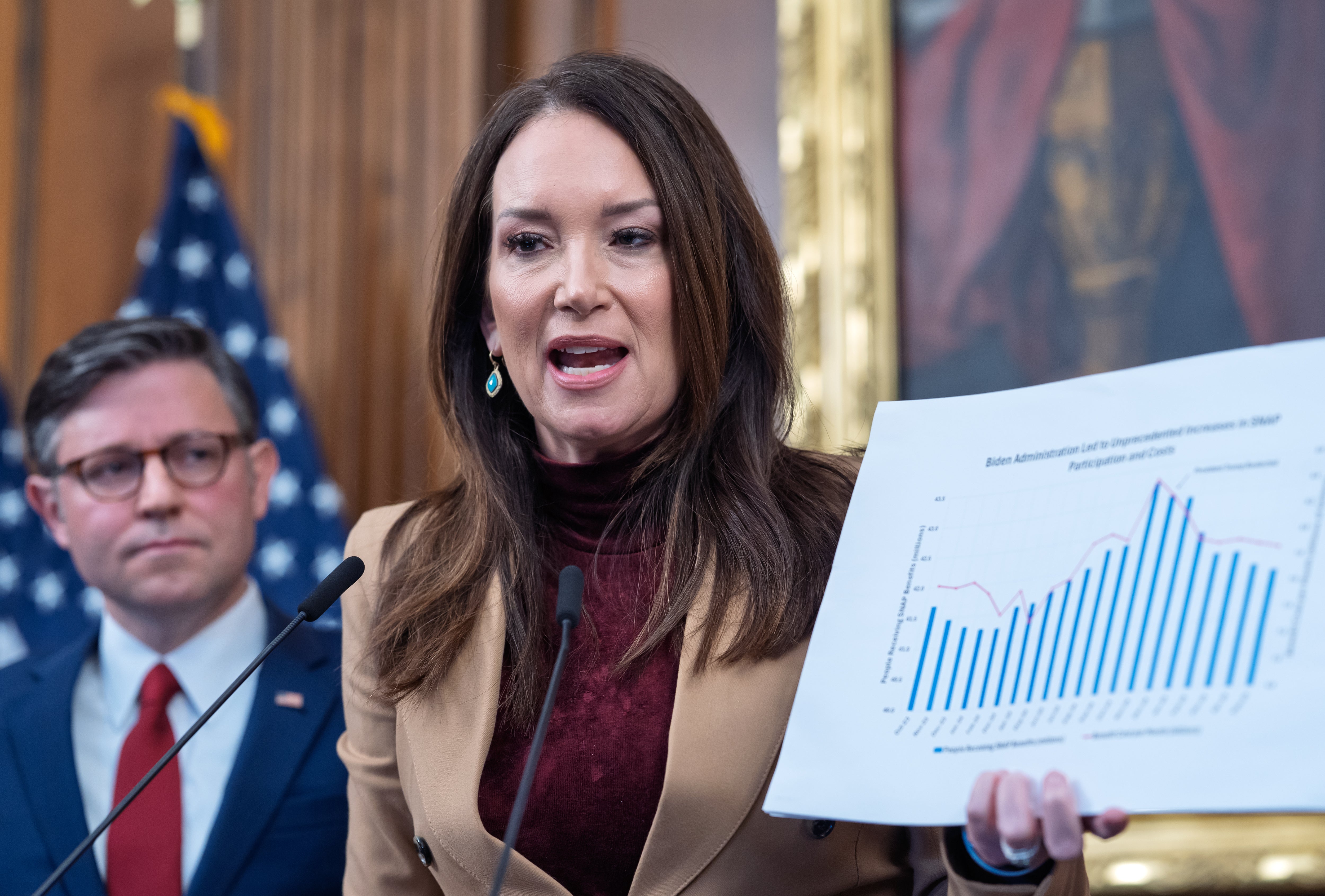
The USDA’s emergency plan, outlined in a September memo, said the agency could tap into a multiyear contingency fund to continue supporting SNAP if funding came to a screeching halt.
But the document was removed from the USDA website, and a follow-up memo now claims USDA’s contingency funding was “not legally available to cover regular benefits.”
In court filings, the Department of Justice argued that keeping SNAP running would “deplete” emergency funds in a “blatant violation” of federal law that prohibits the government from spending money that Congress hasn’t appropriated.
USDA claims that those funds were earmarked for natural disasters and other emergencies, not in the event of a government shutdown. The administration — which has unilaterally claimed to find funds to pay troops and keep nutrition assistance programs afloat — now claims it reached a legal dead end when it comes to SNAP.
The USDA, echoing a recent wave of partisan attacks on government websites, is explicitly blaming congressional Democrats for the shutdown and the suspension of SNAP funding.
“Bottom line, the well has run dry,” according to a notice on its website last month. “At this time, there will be no benefits issued November 1. We are approaching an inflection point for Senate Democrats.”
Judge Talwani ordered USDA to keep the money flowing, not find excuses for why the agency claims it cannot.
“That’s lawyering,” she said. “I want agency action, not lawyering.”
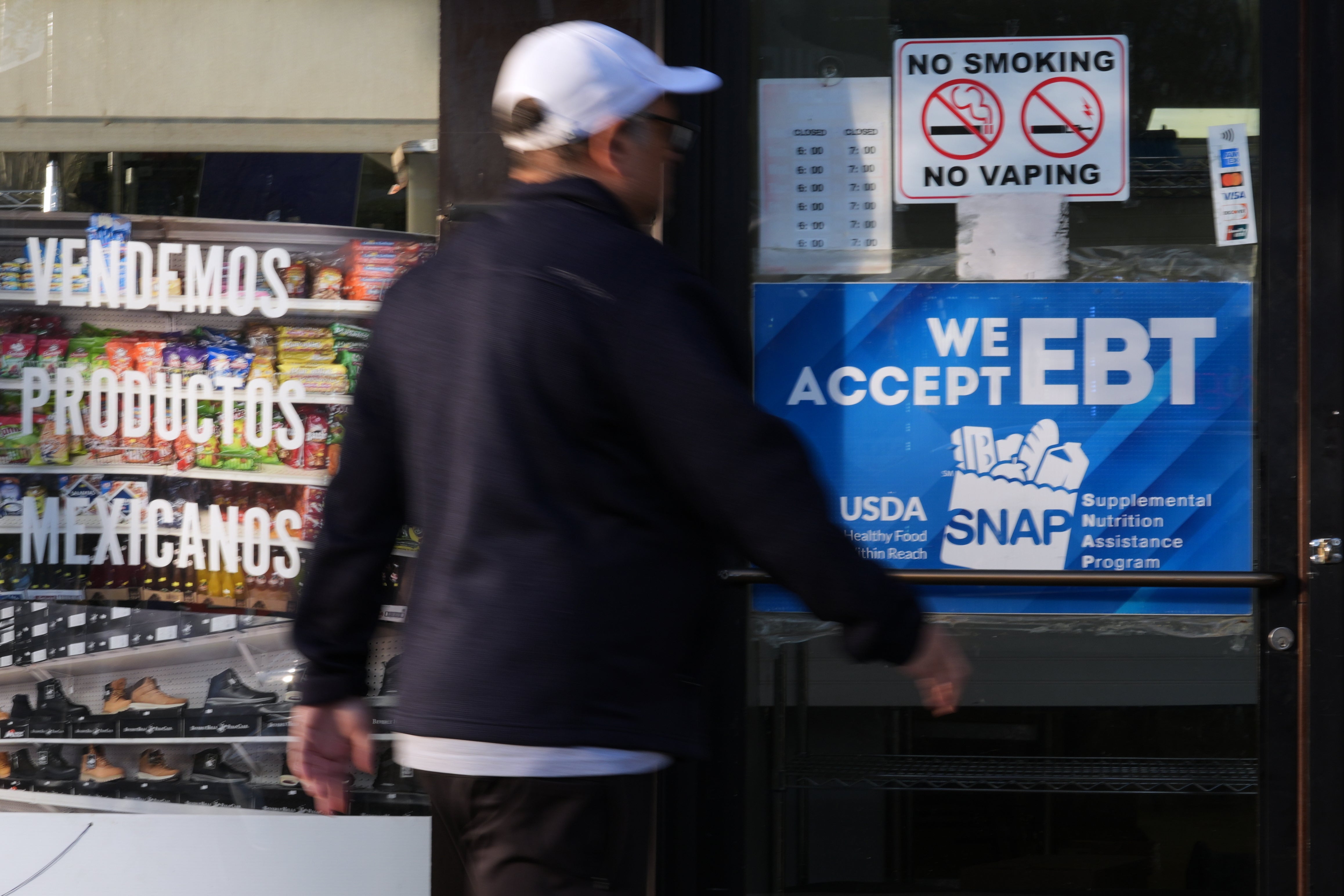
SNAP funds, which are distributed by the federal government to states each month, support the nation’s largest anti-hunger program, which serves millions of households, with a vast majority of recipients being children and seniors.
Recipients receive roughly $188 per person per month, or about $6 per day, which is administered on prepaid cards that can be used for grocery store staples.
The program provides roughly nine meals for every one meal provided by a food pantry, according to anti-hunger advocates.
Last week marked the first time in SNAP’s 60-year history that the federal government had let funding lapse.
USDA Secretary Brooke Rollins appeared to concede that the expiration of SNAP for millions of Americans was, at least in part, due to government failure.
“My message to America is first, the fact that your government is failing you right now,” she told reporters Friday.
“That poverty is not red or blue, it is not a Democrat or Republican issue,” she said. “Doesn’t matter who you voted for or even if you voted. That if you are in a position where you can’t feed your family, and you’re relying on that $187 a month for an average family in the SNAP program, that we have failed you.”
Trump, hours later, falsely claimed that SNAP supports “largely Democrats.”
“I want to help everybody. I want to help Democrats and the Republicans. But when you're talking about SNAP, if you look it's largely Democrats, they're hurting their own people,” he said Friday.
Join our commenting forum
Join thought-provoking conversations, follow other Independent readers and see their replies
Comments
Bookmark popover
Removed from bookmarks